Caitlin Clark and Angel Reese help the USA reach the World Cup semi-finals after crushing Hungary
Team USA answered every question about its title hopes with a dominant 108-56 win over Hungary, powered by Caitlin Clark, Angel Reese and a balanced offensive attack
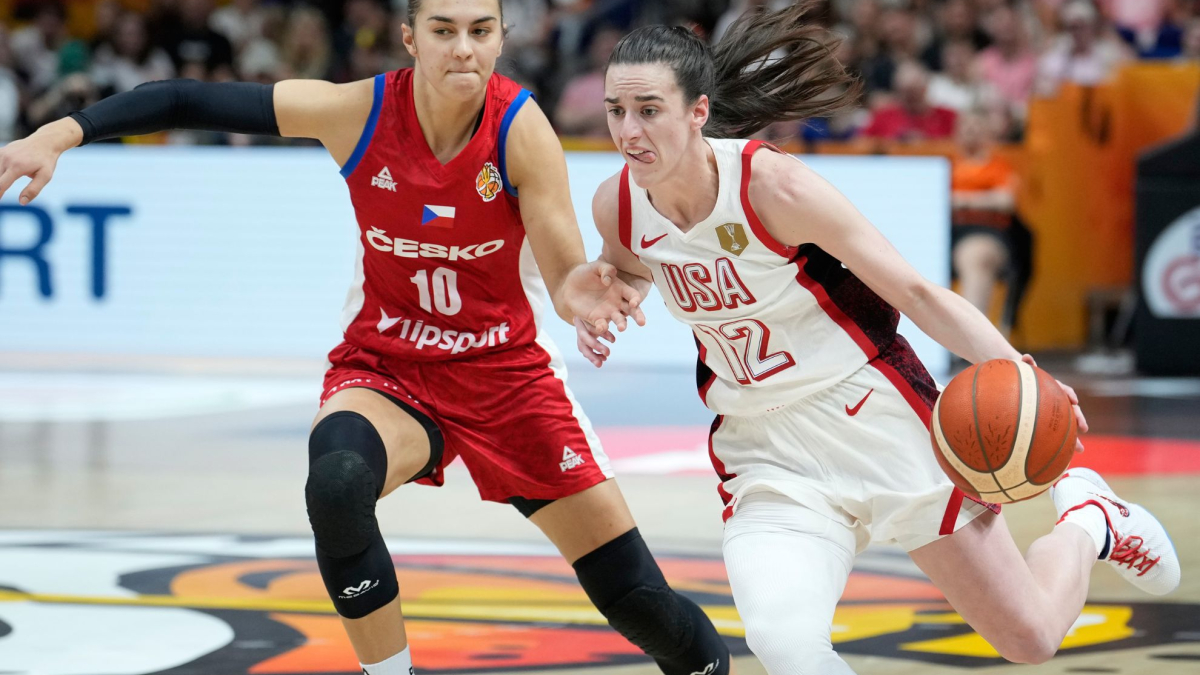
T eam USA is heading back to the FIBA Women's Basketball World Cup semifinals, and the Americans left little doubt about their championship credentials in the process.
The United States dismantled Hungary 108-56 on Thursday in Berlin, turning what could have been a difficult quarterfinal into a runaway victory and advancing to the final four with a 52-point margin.
After an uneven group stage that included a narrow 55-52 victory over Italy, the Americans have responded emphatically. They followed that scare by beating Czechia 105-64 before producing an even more convincing performance against Hungary.
Napheesa Collier led the way with 19 points and six rebounds, earning Player of the Game honors. Rhyne Howard added 15 points, while Kahleah Copper, Caitlin Clark and Jackie Young each finished with 10.
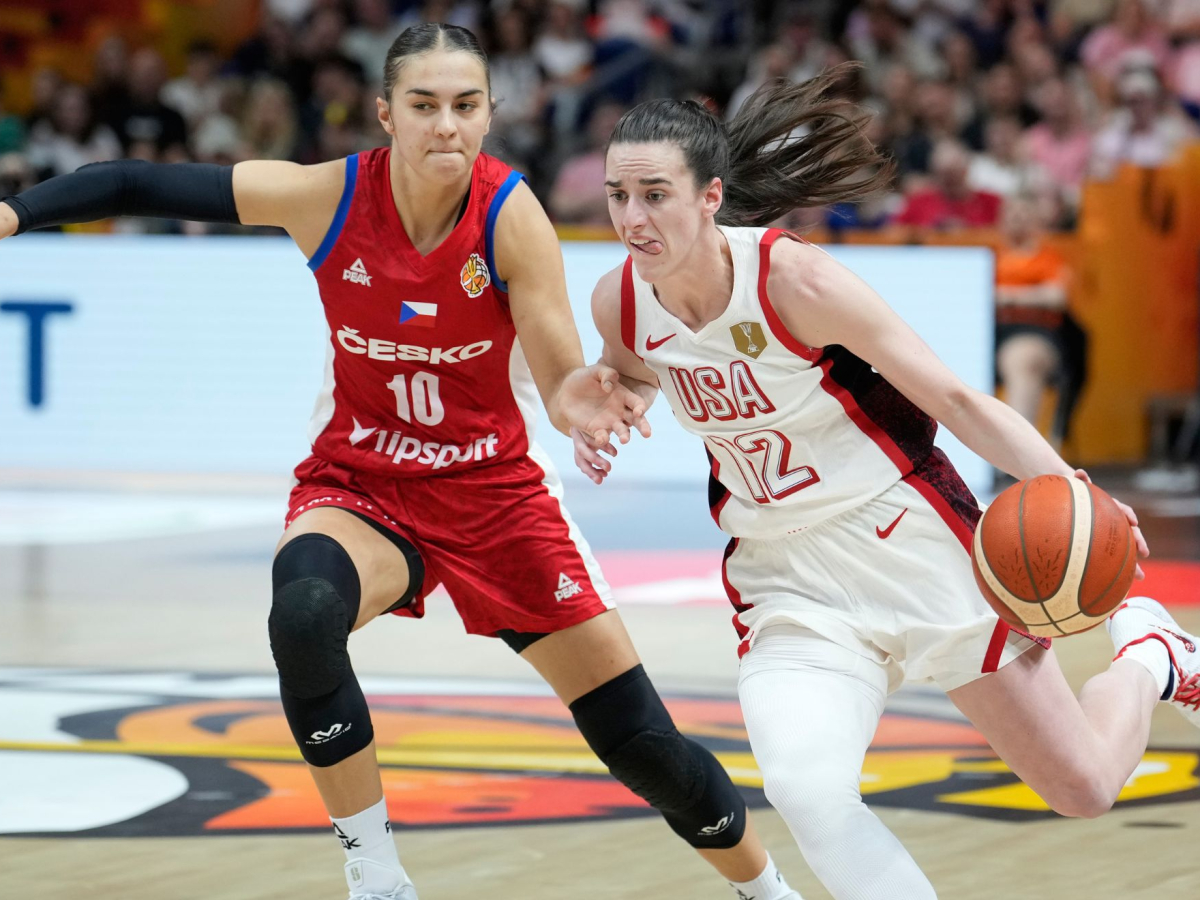
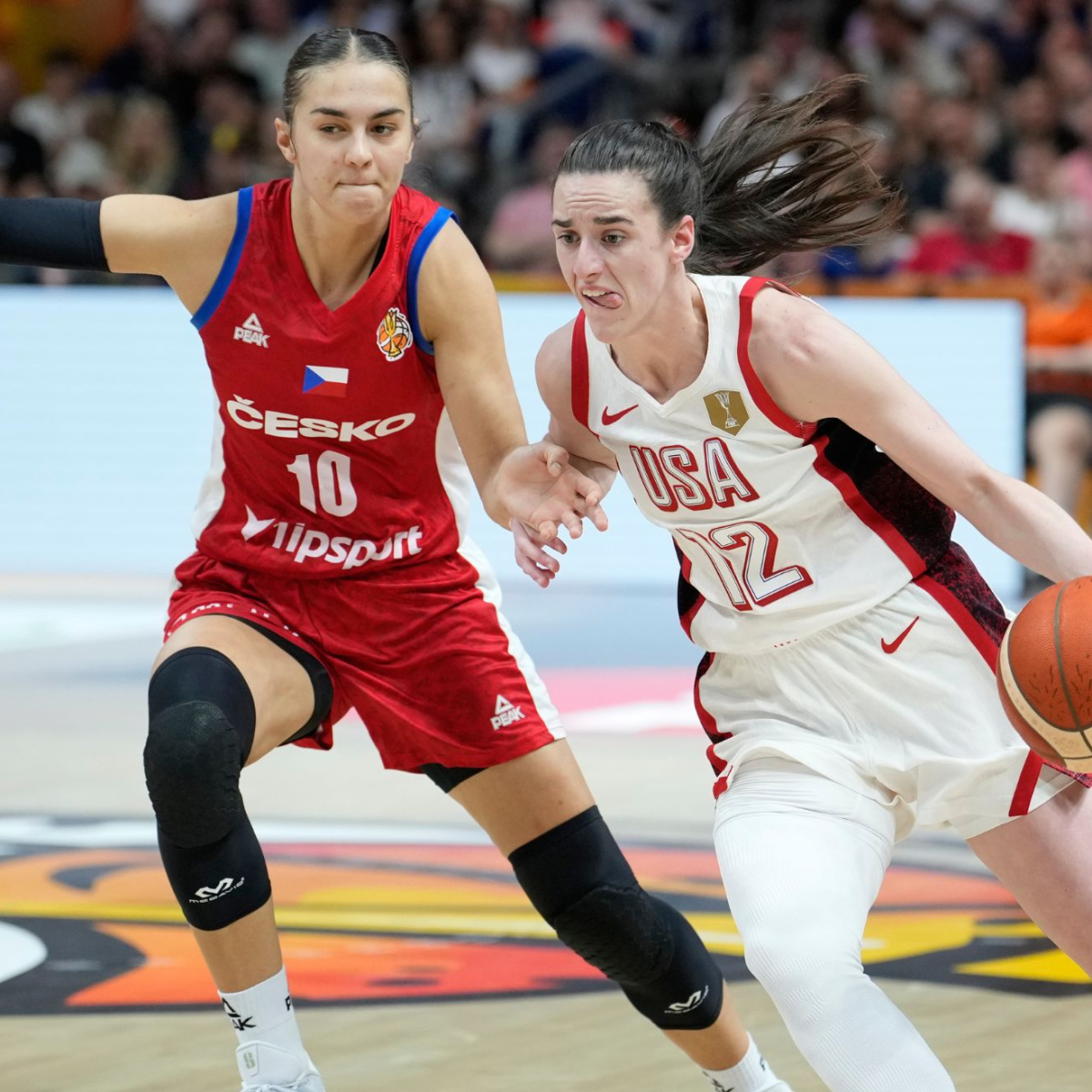
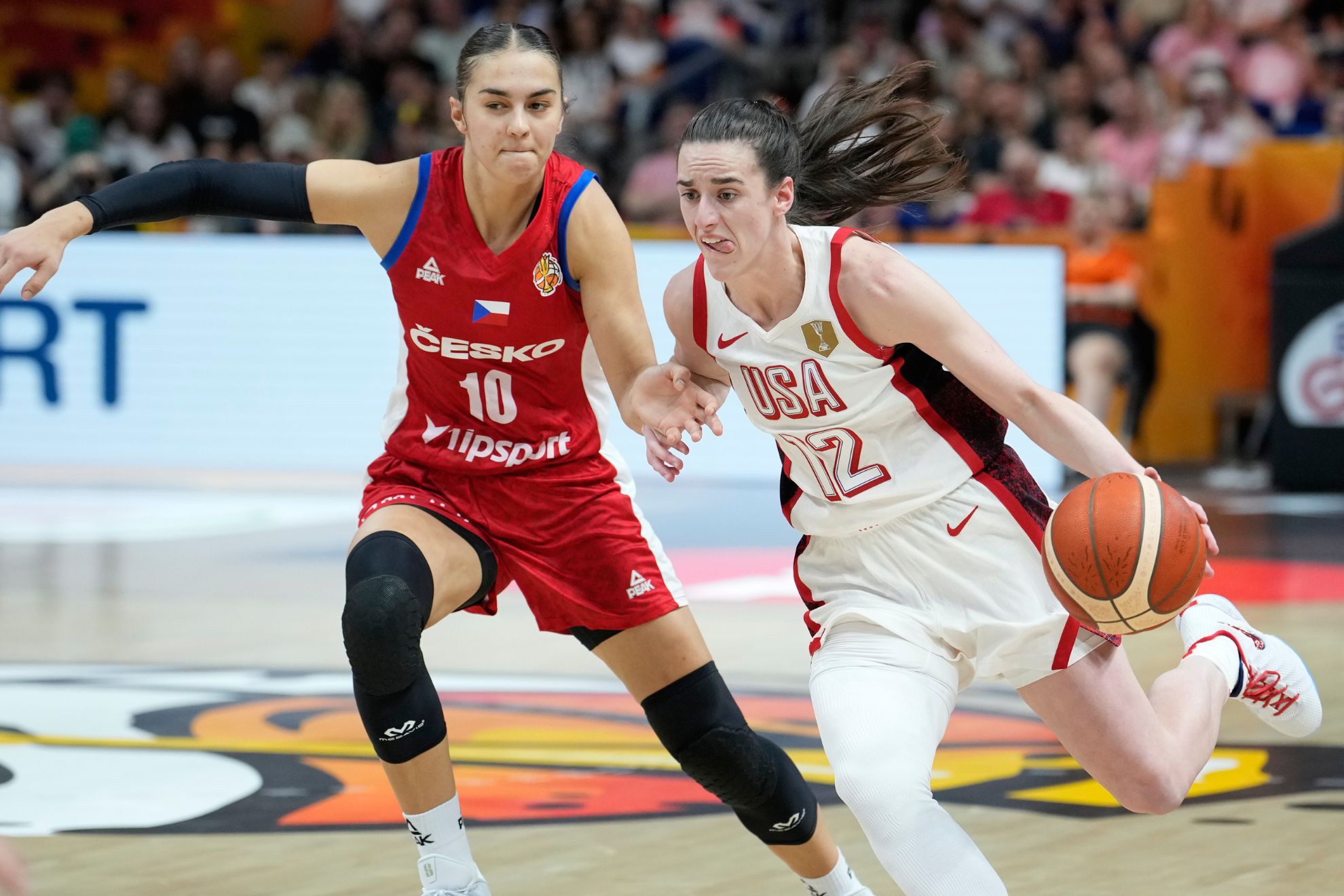
Clark's scoring wasn't the headline of her night. Her playmaking was.
The Indiana Fever star finished with nine assists, repeatedly finding teammates in advantageous positions. Several of those passes went to Angel Reese , who finished with nine points, six rebounds and three assists.
That developing connection has become one of the most intriguing elements of Team USA 's tournament run.
Clark and Reese are making their senior World Cup debuts in Berlin, alongside fellow first-timer Paige Bueckers , but none of the three looked overwhelmed by the occasion. FIBA identified the trio as part of a new generation arriving on the international stage for the Americans.
The victory also demonstrated just how dramatically the United States can change the game with its shooting.
Team USA finds its offensive rhythm at the perfect time
The Americans shot only 29% from 3-point range during group play, a figure that contributed to the tension surrounding their close call against Italy.
Against Hungary, that number jumped to 52%.
The difference was immediate. Team USA attacked the basket, moved the ball and created open perimeter opportunities, preventing Hungary from establishing the kind of physical, slower-paced game that Italy had used to make the Americans uncomfortable.
The United States also dominated inside, scoring 52 points in the paint compared with Hungary's 16. The Americans turned their defense into offense as well, winning the fast-break battle 28-3.
Perhaps most impressively, Team USA recorded 31 assists, setting a FIBA Women's World Cup quarterfinal record. The ball movement reflected a roster that doesn't need one player to carry the scoring load.
That depth could become increasingly important as the tournament reaches its decisive stage.
The Americans entered the World Cup as the reigning champions and are pursuing a fifth consecutive gold medal.
They also brought an extraordinary international winning streak into the tournament. Their last World Cup loss came in the 2006 semifinals against Russia, while their overall streak across the Olympics and World Cup has now reached 73 consecutive victories.
Hungary deserves credit for reaching the quarterfinals. Led by former UConn standout Dorka Juhász , the Hungarians reached the knockout stage after advancing through their group and securing a historic quarterfinal appearance.
Juhász had already produced a strong tournament, including 22 points and 11 rebounds against South Korea.
But against the United States, Hungary simply couldn't match the Americans' athleticism, depth or shooting.
For Clark and Reese , meanwhile, the victory represents another step in their first senior World Cup experience. Clark entered the tournament averaging 6.3 assists per game for Team USA, while Reese had been contributing on the glass and defensively.
The Americans now wait for their semifinal opponent.
Team USA will face the winner of Australia and Spain on Saturday, with a place in Sunday's gold-medal game at stake.
After the concerns generated by the Italy game, the message from Berlin is clear: Team USA has found its rhythm at exactly the right time.