There are NBA superstars right now who couldn't play in Europe
A player with 12 years of NBA experience reignites the debate between European and American basketball
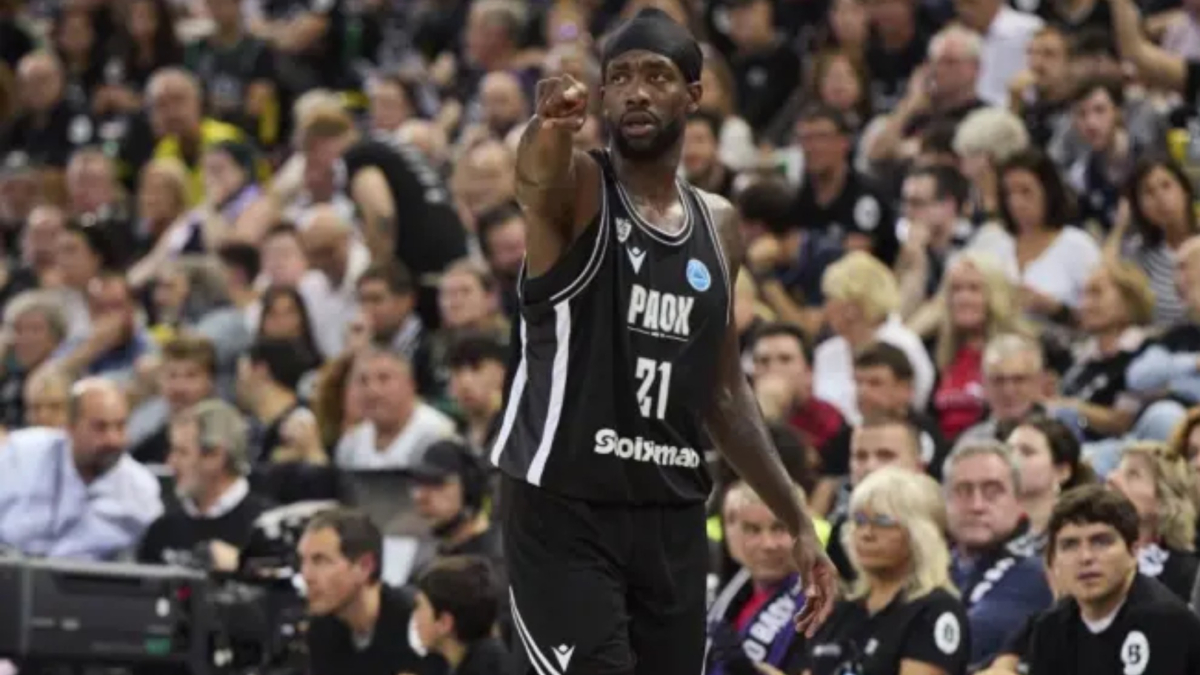
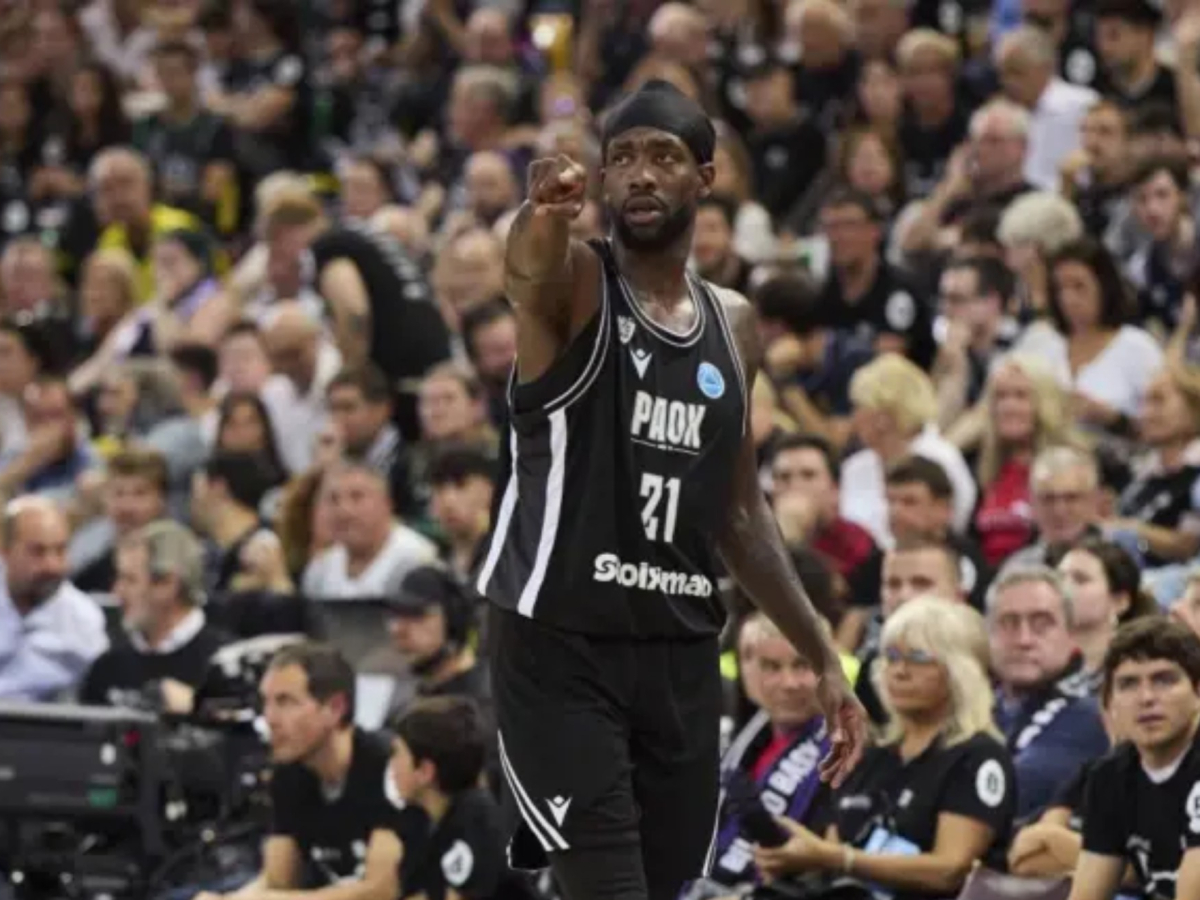
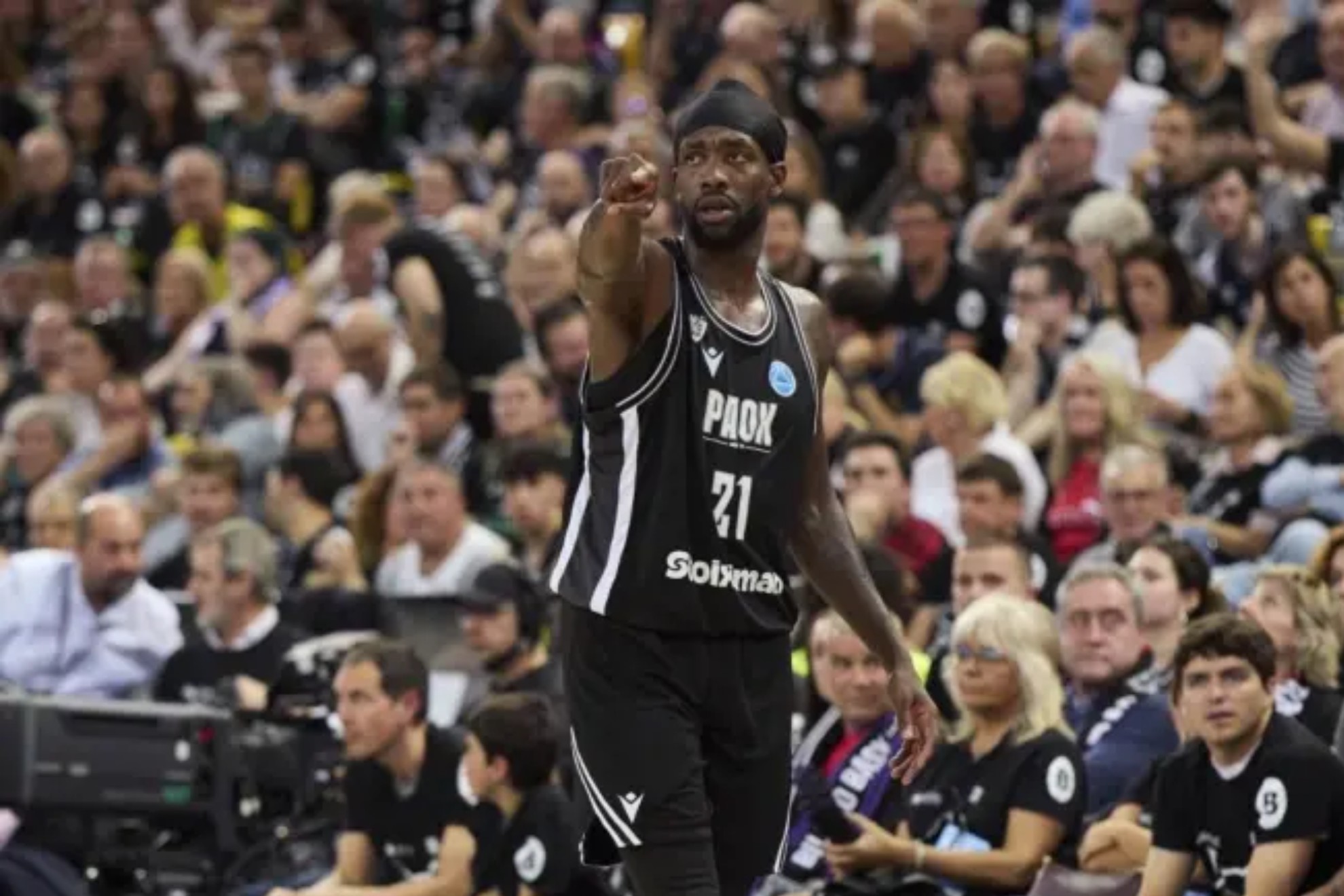
The debate about the differences between the NBA and European basketball is heating up again with a forceful statement from Patrick Beverley . The 38-year-old American point guard, who played 12 years in the NBA (Rockets, Clippers, Wolves, Lakers, Bulls, Sixers and Bucks) and will play this season for Boulazac in the French league, says that some of the current superstars in the American league would not have the ability to compete in Europe.
“There are NBA superstars right now who couldn’t play in Europe. I firmly believe that . They simply couldn’t,” he said on the YouTube show Thanalysis, hosted by Thanasis Antetokounmpo , who plays for the Bucks, where he was teammates with his brother, the superstar Giannis Antetokounmpo , until he was traded two months ago to the Miami Heat .
“It’s not a lack of respect for each person’s physical ability, but for their mentality”
The key, according to Beverley , lies not so much in physical attributes as in mentality and the ability to adapt to a much more team-oriented style of basketball. “It’s not a lack of respect for each individual’s physical ability, but for their mentality” , explained the veteran player, who knows both worlds perfectly after spending much of his career in Europe before making the jump to the NBA in 2013.
Beverley emphasizes a radical change in roles. In Europe, he argues, the team is above any individuality and the coach has much greater control over the game. “Everything revolves around the team. The coach controls everything. It’s almost like a college team made up of adults . The team is above each individual,” he stated. A philosophy that, in his view, could be difficult to accept for some stars accustomed to having a much greater spotlight in the NBA.
In Europe everything revolves around the team. The coach controls everything. It's almost like a college team made up of adults
The game itself also requires profound adaptation. Beverley recalls that in Europe you can play an entire possession without looking for a shot until the final seconds and that “everything is based on defense”. To that he adds off-court aspects that he considers just as decisive, from sharing a room with a teammate to dealing with less comfortable travel. A vindication of European basketball in the voice of someone who has lived in both worlds and who is now testing himself again in France.