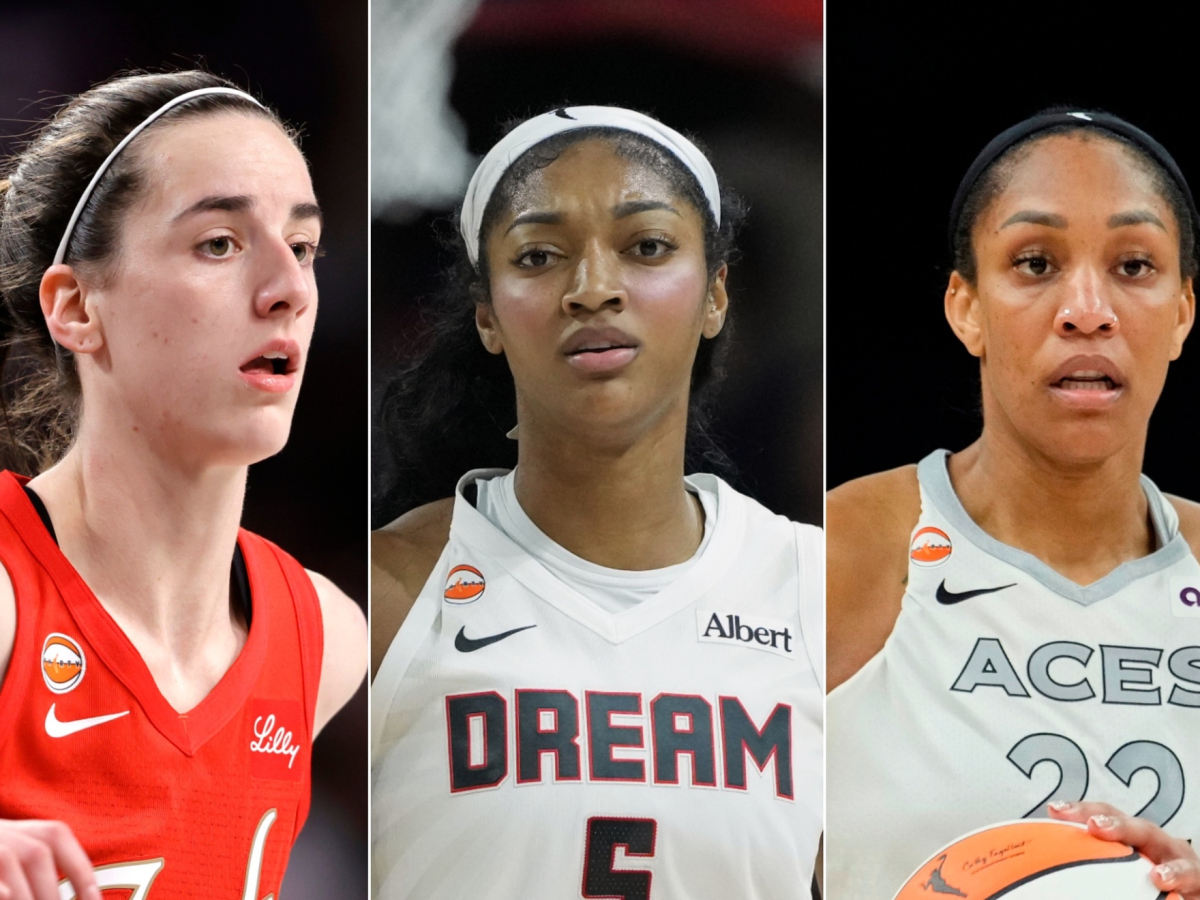
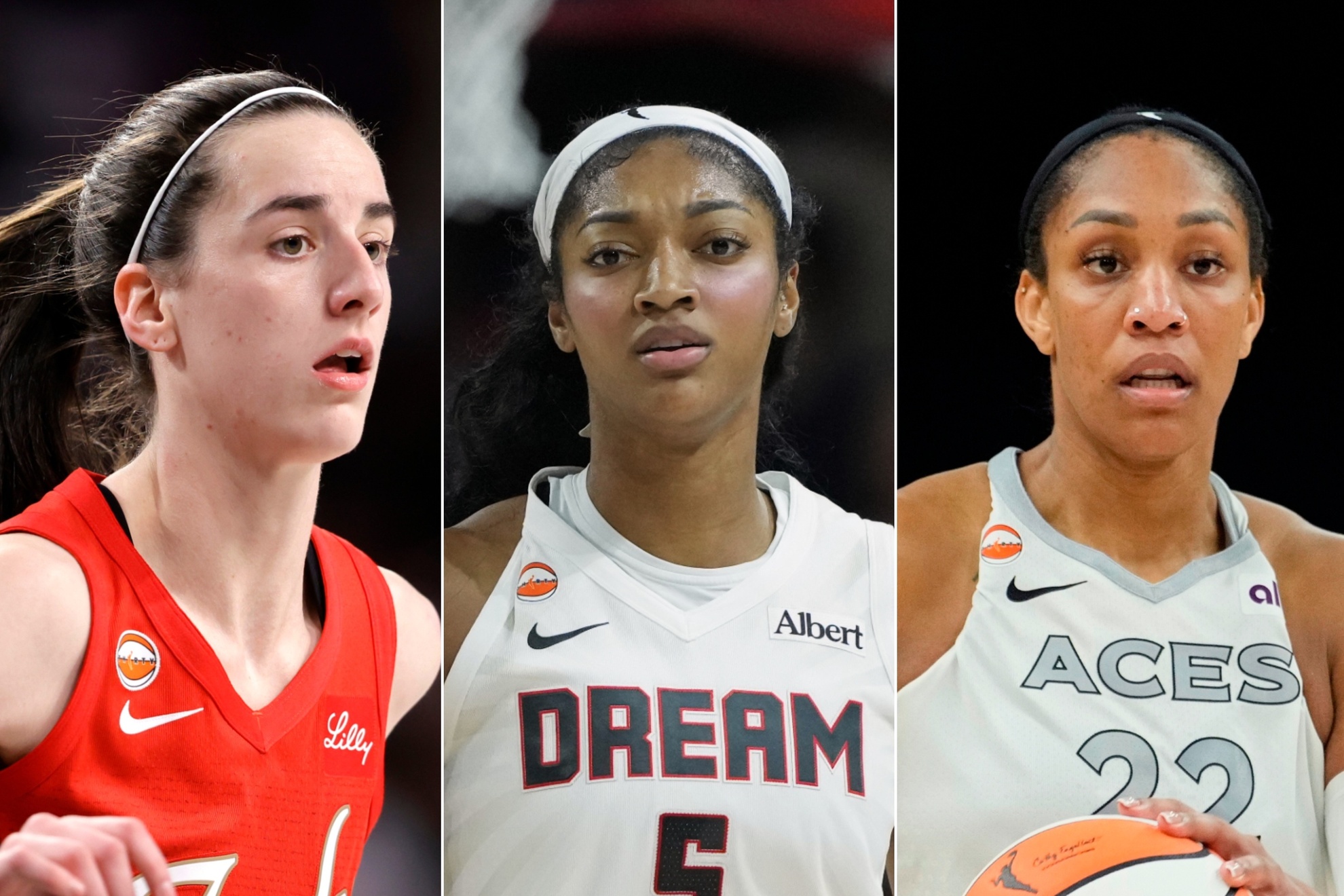
Caitlin Clark exposes the WNBA without even playing: The stat that doesn't sit well with Angel Reese or A'ja Wilson
One playoff crowd has reignited the debate over Clark’s unprecedented WNBA impact
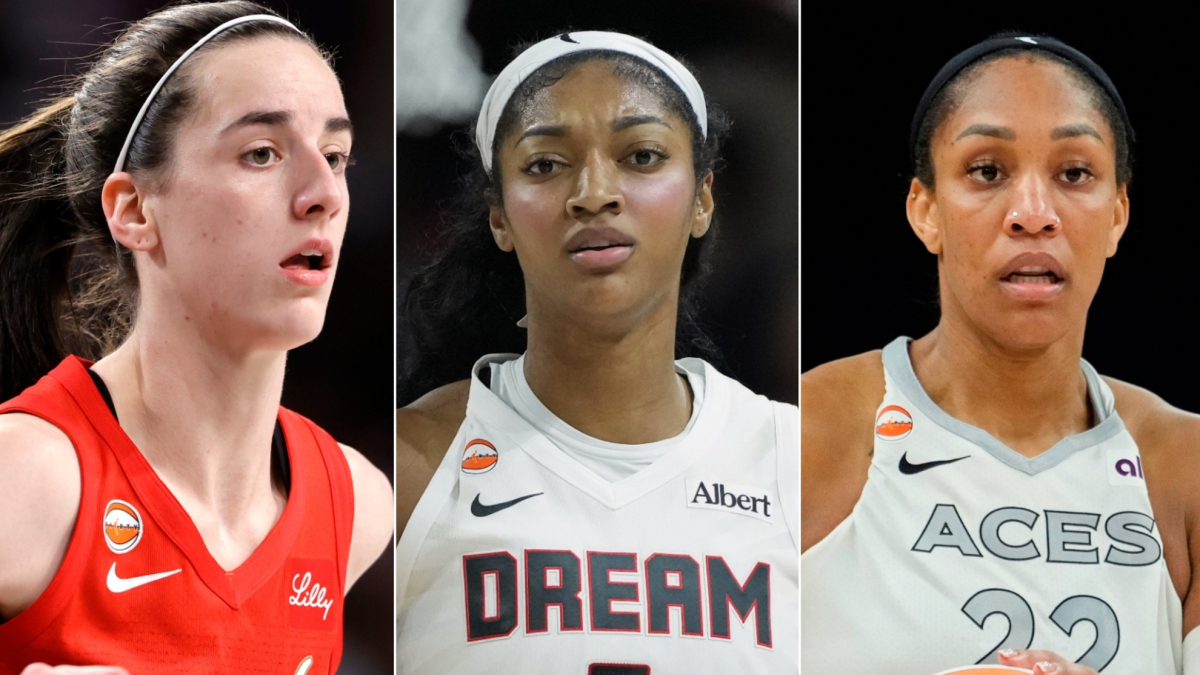
Caitlin Clark’s influence on the WNBA is being debated again, but the latest attendance numbers have made the argument harder to ignore.
Even with Clark sitting at home, her impact remains visible whenever teams compare crowds before and after her arrival.
That was especially apparent in Atlanta. The Dream welcomed 17,044 fans to State Farm Arena when the Indiana Fever came to town, while previous Clark appearances at the building had also produced enormous crowds.
Atlanta increasingly moved games into the much larger arena to accommodate demand, giving Clark’s visits an unmistakable box-office effect. Then came the playoffs.
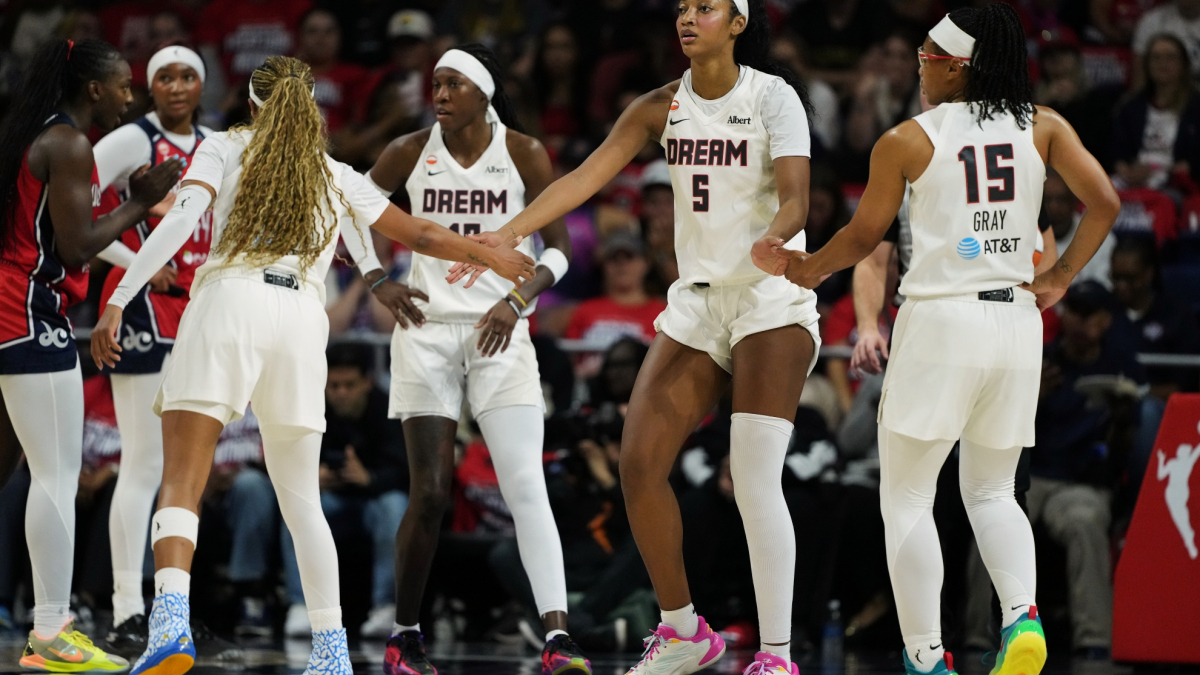
When Atlanta hosted the New York Liberty in Game 1 of the semifinals, announced attendance was 9,745. The upper level was largely closed, creating an immediate visual contrast with the packed crowds seen when Clark and Indiana visited.
Former NBA player Etan Thomas highlighted the crowd while arguing that the WNBA could thrive without Clark , but the post quickly attracted criticism after fans pointed to the actual attendance figure.
The comparison was particularly striking because Atlanta had already demonstrated what can happen when Clark arrives. In 2008, the franchise had established an attendance record of 11,609 at Philips Arena, now State Farm Arena.
That mark survived for 16 years. Clark helped change the equation, with Indiana games producing crowds well above the old record.
The numbers tell a more complicated story
The situation, however, isn't as simple as claiming Atlanta couldn't sell tickets without Clark . The Dream explained that their playoff schedule was finalized only days before the opening game, leaving the organization with limited time to market and sell tickets.
The team initially opened only the lower bowl, which holds around 8,800 fans, before eventually releasing additional upper-level seats.
That explanation matters because Atlanta's overall attendance picture has improved substantially. The Dream averaged 6,928 fans during the regular season, nearly 2,500 more per game than the previous year. Their increased use of State Farm Arena was a major factor, with six regular-season games played there in 2026.
Still, Clark’s drawing power is difficult to dismiss. Atlanta's biggest crowds repeatedly came when Indiana was involved, demonstrating how strongly Clark can influence demand in opposing markets.
The Fever have experienced a similar phenomenon across the league, with road games attracting unusually large audiences and, in some cases, forcing teams to relocate matchups to larger venues.
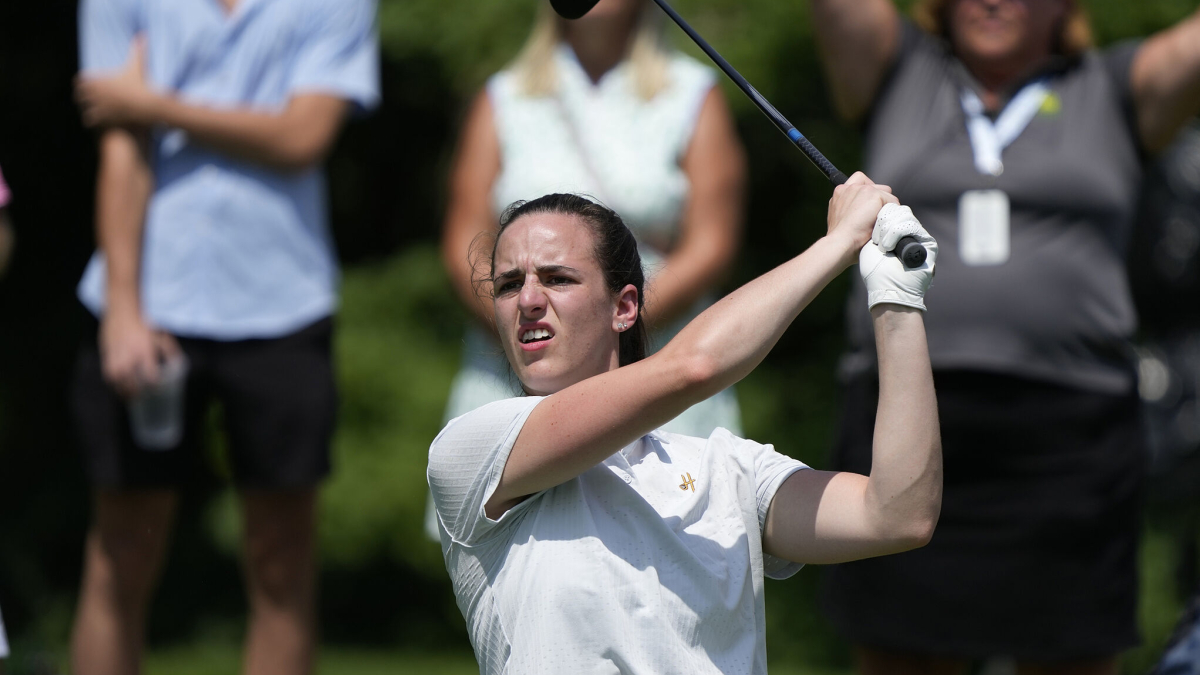
Clark's influence also extends beyond attendance. After Indiana's playoff elimination, she returned to Iowa City for ESPN's College GameDay, serving as a guest picker and reconnecting with the community that helped establish her as a basketball superstar. She missed the Fever's exit interviews because of that previously scheduled commitment.
So the fairest conclusion isn't that Clark single-handedly carries the WNBA. The league has major stars such as Angel Reese and A'ja Wilson, while franchises like Atlanta are clearly building their own audiences.