Caitlin Clark fell short of A'ja Wilson in the WNBA MVP: How many votes did she miss?
The Indiana Fever star finished fourth in the 2026 MVP race despite setting remarkable offensive records, while A’ja Wilson made history by collecting her fifth award
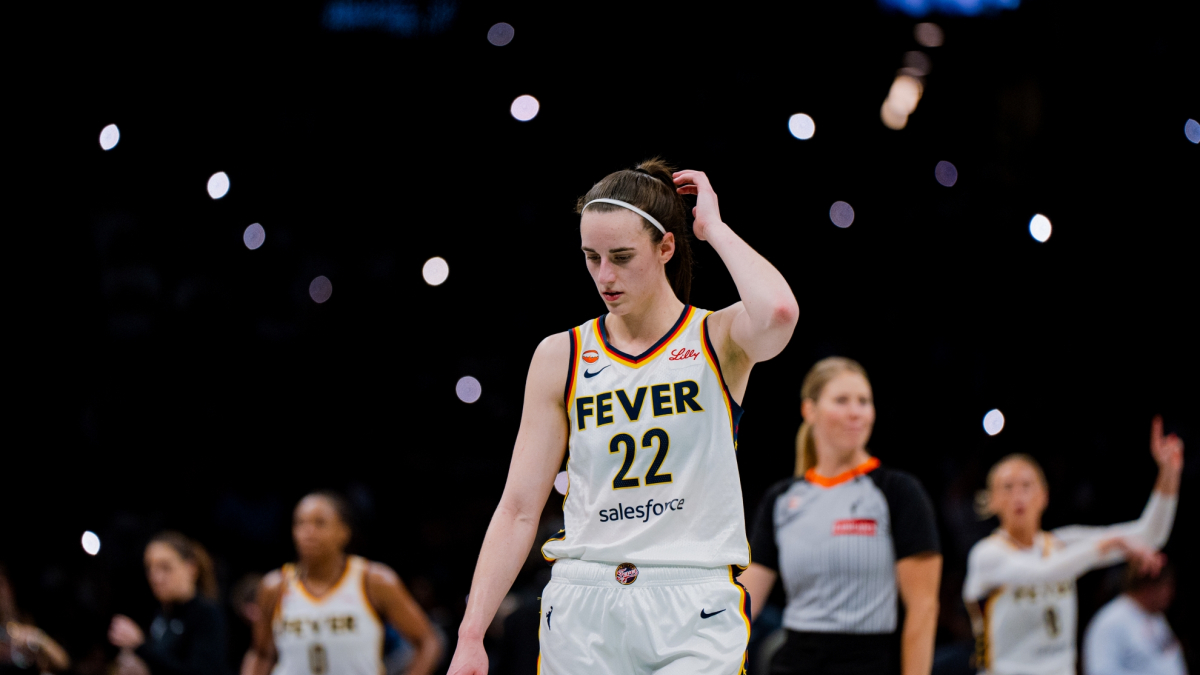
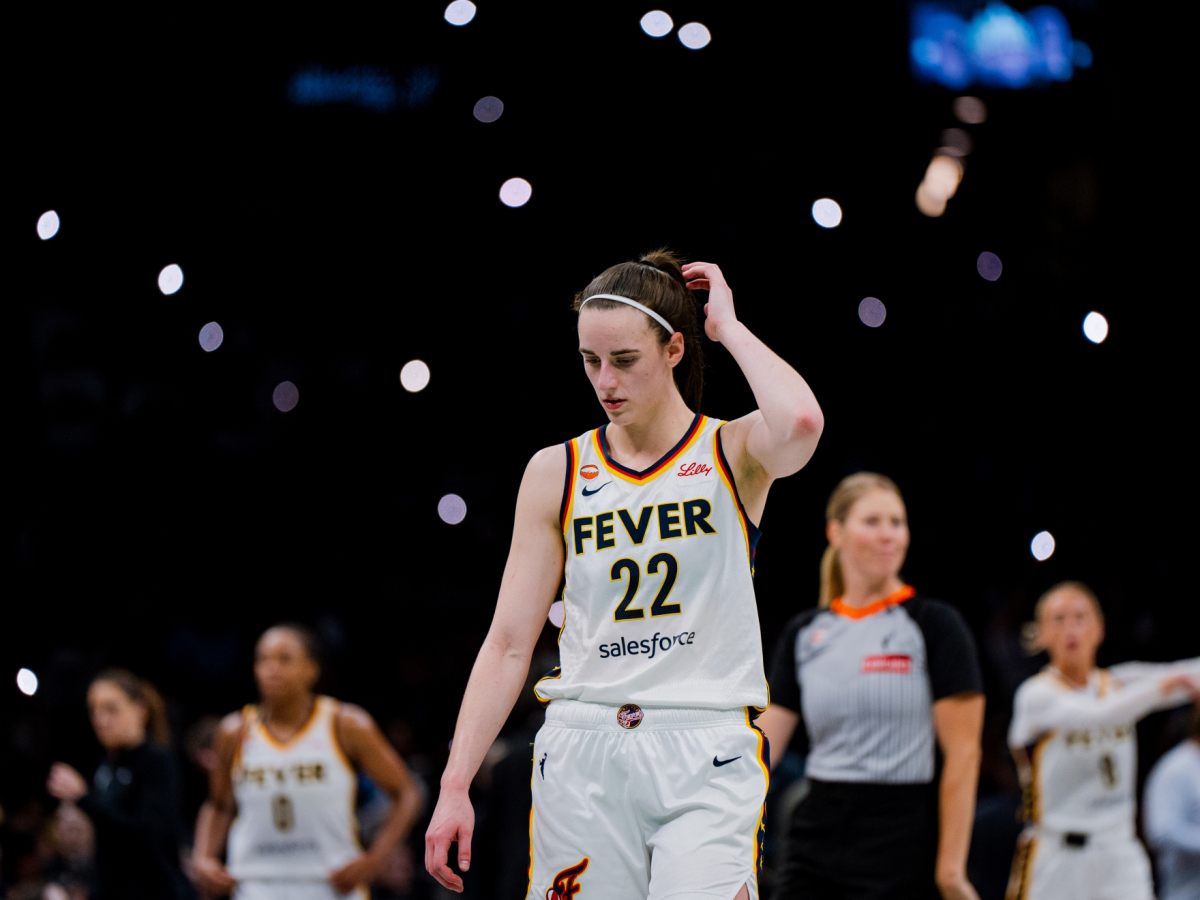
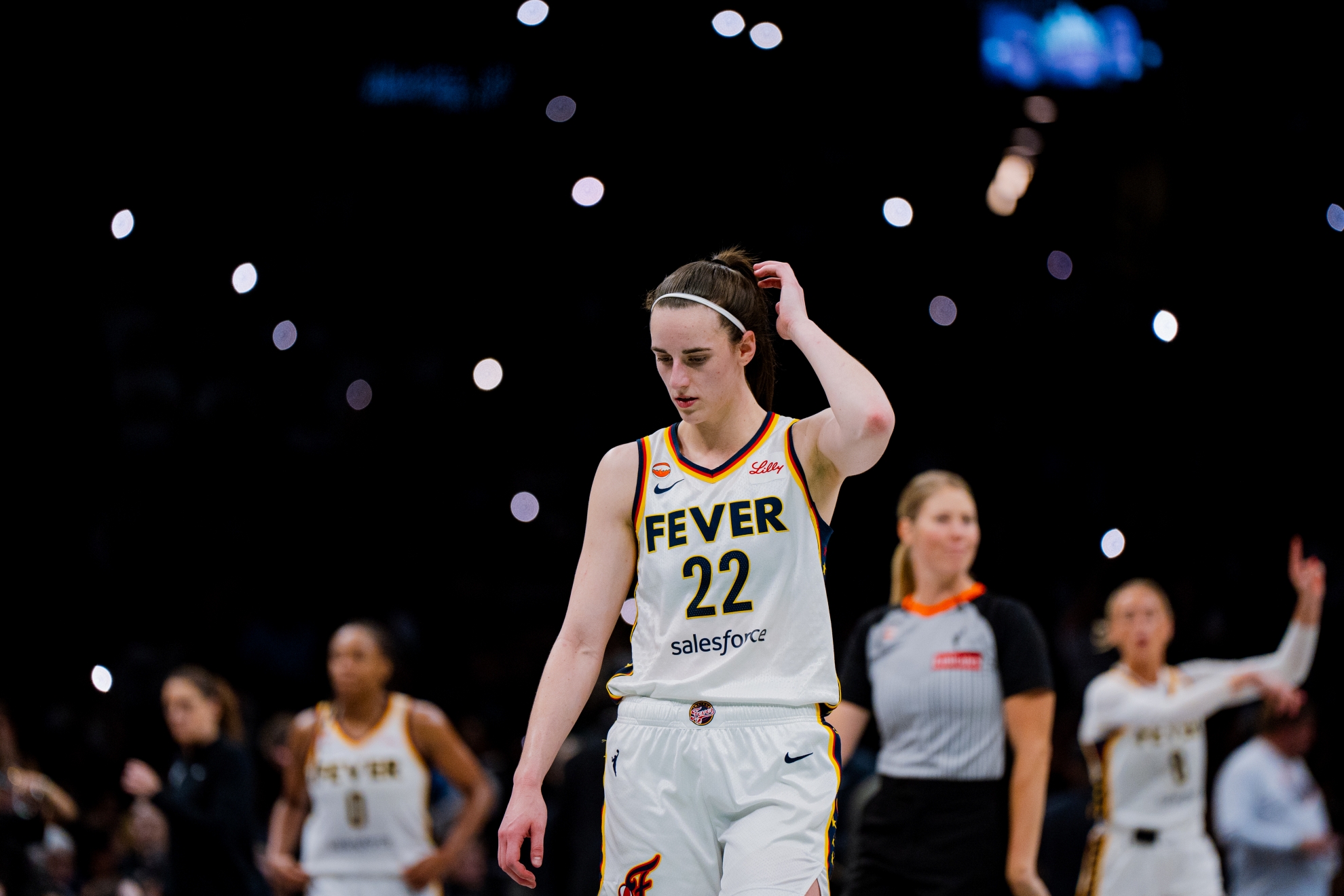
C aitlin Clark finished fourth in the 2026 WNBA Most Valuable Player voting, but the ballot breakdown has raised questions about how voters evaluated her historic season.
The Indiana Fever guard appeared on 55 of the 74 ballots submitted by sportswriters and broadcasters. That means 19 voters did not include Clark among their top five candidates.
She received one first-place vote, six second-place votes, 20 third-place votes, 16 fourth-place votes and 12 fifth-place votes, giving her 212 points overall.
Clark was comfortably behind Minnesota Lynx rookie Olivia Miles , who collected 442 points, and Indiana teammate Kelsey Mitchell , who finished third with 287. Wilson , meanwhile, dominated the race with 713 points, including 65 first-place votes and nine second-place selections.
The voting therefore left Clark with 64 fewer first-place votes than Wilson , while the 19 ballots that excluded her became a notable talking point given her individual achievements.
Wilson's victory was thoroughly deserved. The Las Vegas Aces star averaged 26.2 points and 9.4 rebounds per game, while adding 3.2 assists and 1.9 blocks. She led the league in scoring and helped Las Vegas finish with a 31-13 record.
Her fifth MVP award also established a new WNBA record, and she became the first player to win the honour in three consecutive seasons.
However, recognising Wilson's outstanding campaign does not mean Clark's season should be overlooked.
Why Clark's historic season still divided MVP voters
Clark averaged 22.3 points and 8.3 assists across 40 appearances, becoming the first player in WNBA history to finish a season averaging at least 20 points and eight assists.
According to the league's end-of-season review, she generated 41.2 points per game when combining her own scoring with points created through assists — the highest average recorded in league history.
Her individual performances offered further evidence of her offensive influence. Clark recorded five games with at least 30 points and 10 assists, a combination that no other player in league history had achieved more than four times collectively.
She also produced 45 points and 10 assists against Seattle on July 17, becoming the first player in WNBA history to record a 40-point, 10-assist game.
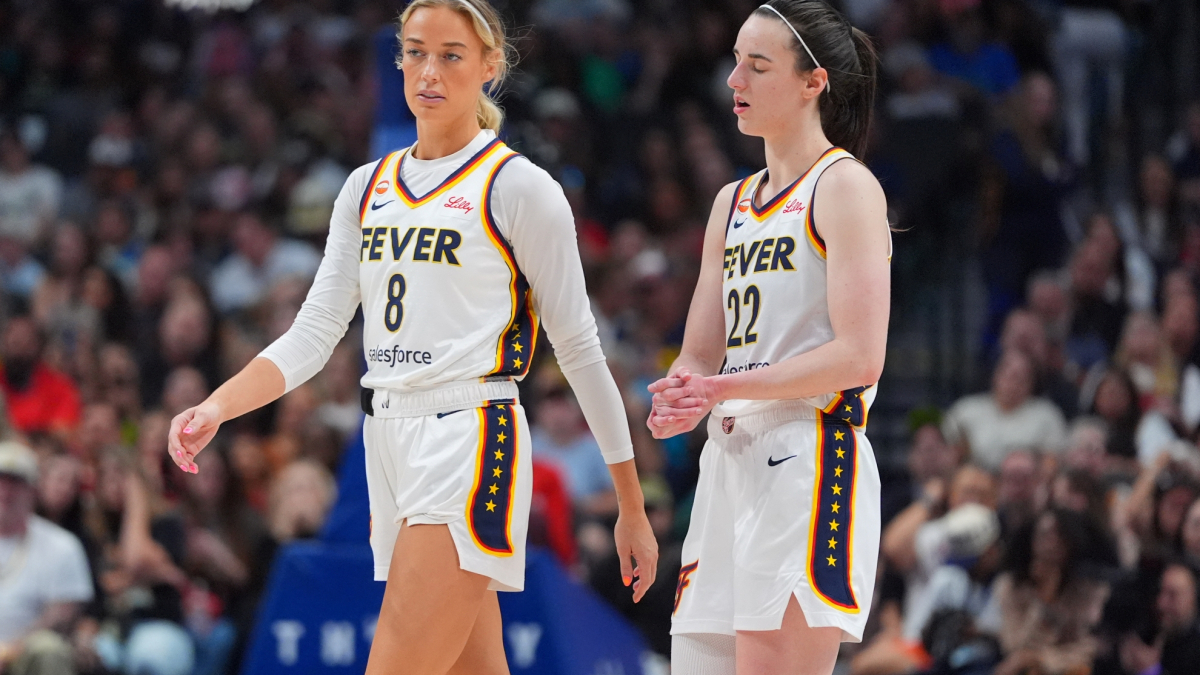
Those performances helped Indiana establish a league record by averaging 96 points per game. Clark's ability to score from the perimeter, attack the basket and create opportunities for teammates made her central to the Fever's offensive identity.
Mitchell's third-place finish is another interesting part of the results. The Indiana guard averaged a career-high 24.7 points per game, an impressive achievement in her ninth WNBA season.
Clark's playmaking helped create opportunities for Mitchell , although their contributions cannot be reduced to a simple comparison between points scored and assists recorded. Both players were important to Indiana's success.
Miles also had a strong case for recognition. The Minnesota rookie averaged 19.8 points and six assists while helping the Lynx finish with the league's best record. Her second-place finish demonstrated that voters placed considerable value on individual production and team results.
The central question is not whether Clark automatically deserved to win MVP. Rather, it is why 19 voters concluded that she did not merit even a fifth-place selection after such an exceptional offensive season.
MVP voting inevitably involves subjective judgments. Defensive impact, efficiency, availability, team performance and overall influence can all shape a voter's decision.
Those considerations can produce legitimate disagreements over the order of candidates, even when the leading players have compelling cases.
Nevertheless, leaving Clark completely off a ballot is a stronger judgment than ranking her behind Wilson , Miles or Mitchell .
The results do not establish why those 19 voters omitted her, and it would be unfair to assume their motives without evidence. They do, however, invite scrutiny of how each voter weighed her record-setting production.
For Clark , the fourth-place finish does not diminish what she achieved on the court. For Wilson, the fifth MVP represents another landmark in an already historic career.
The debate surrounding the ballots simply underlines how differently voters can interpret the meaning of value, and why the details behind the final results matter.