Caitlin Clark opens up on the harsh reality of success and the hate that comes with it
Her mother's warning that "people want to see you fail" feels very different after everything the Fever star has experienced in the spotlight
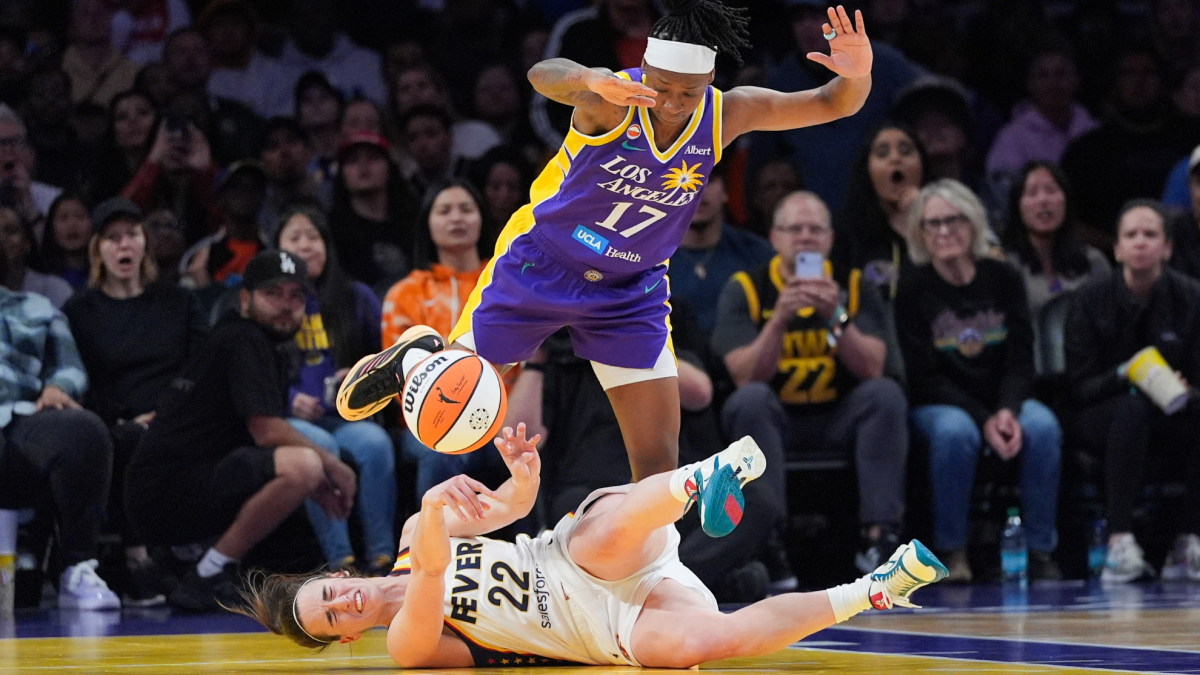
C aitlin Clark has heard the cheers of packed arenas and watched women's basketball reach audiences few imagined possible only a few years ago. But she has also discovered that becoming one of the most recognizable athletes in America means experiencing the other side of that attention just as intensely.
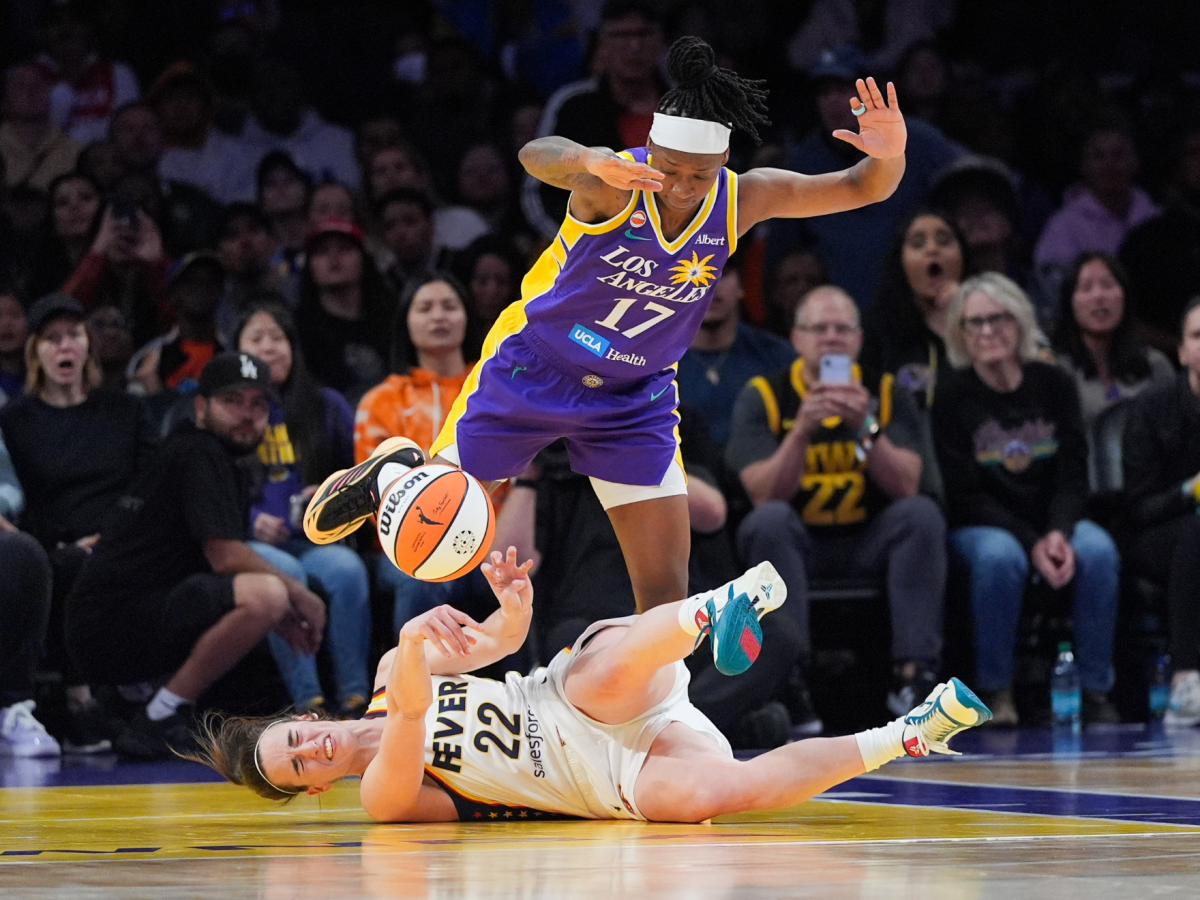
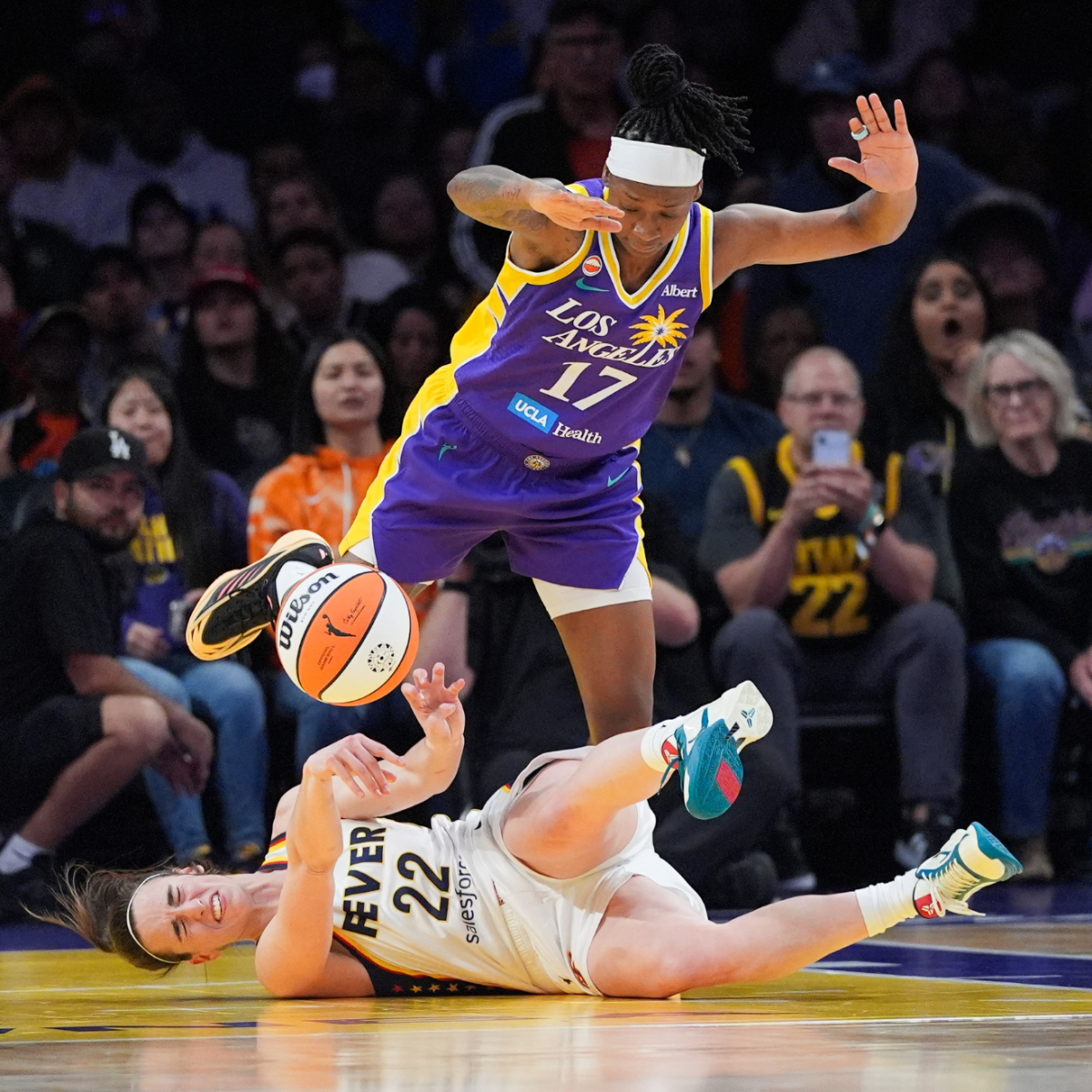
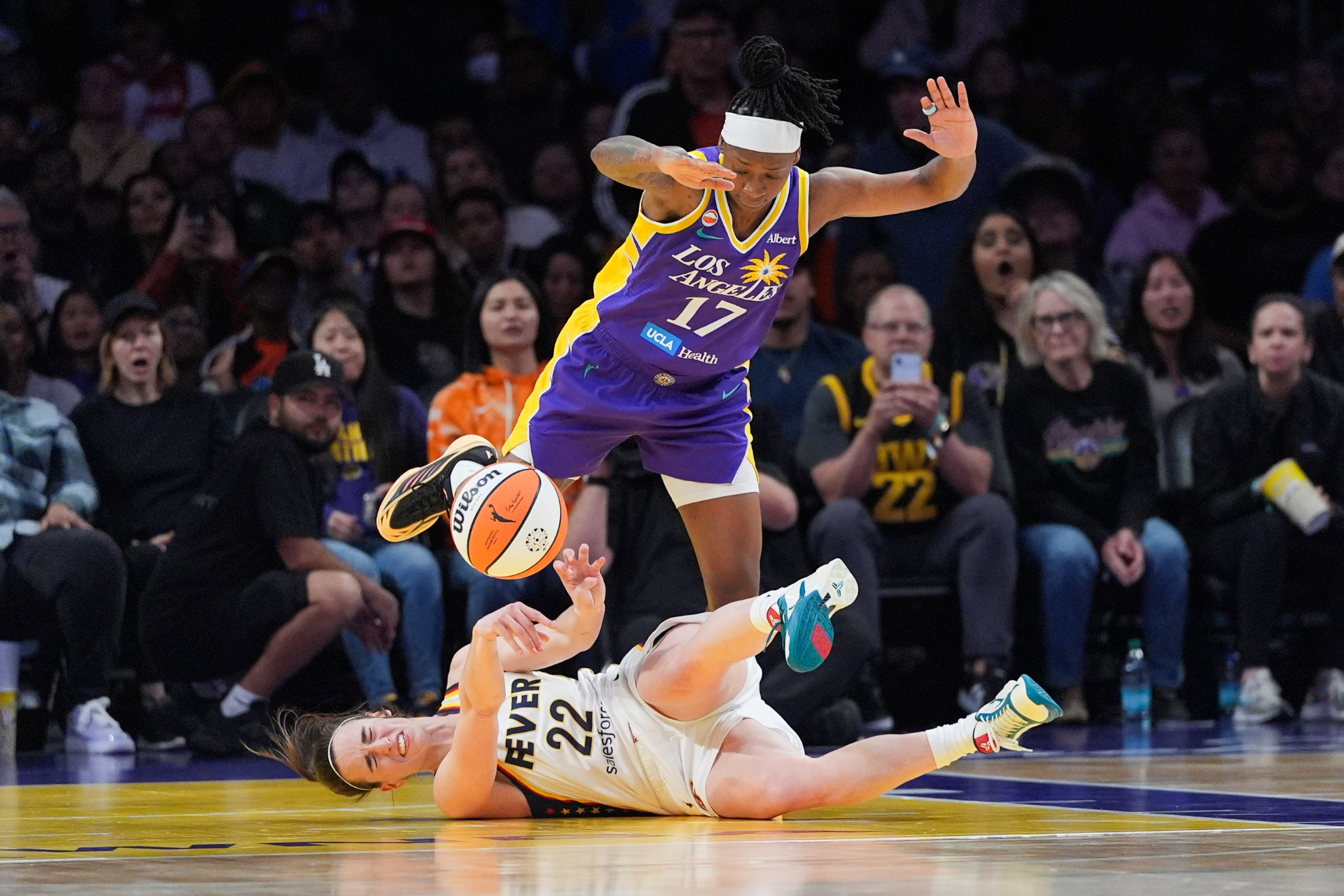
The Indiana Fever star has been knocked to the floor, caught by hard fouls and found herself at the center of confrontations that sometimes explode into national debates. One particularly frightening moment saw Clark take a blow around the neck and head area, another physical play added to a growing collection of clips dissected frame by frame.
Every incident seems to produce two competing versions of the same story: those who believe opponents are targeting her and those who accuse Clark of receiving special treatment because of her enormous popularity.
And the criticism hasn't stopped when the whistle blows. Her reactions, complaints to officials, body language and relationships with other players have all been scrutinized.
When she succeeds, she's credited with transforming the women's game. When something goes wrong, there is another group waiting to question whether the attention surrounding her was ever deserved.
Caitlin Clark was warned that success would come with hate
That makes something Clark once revealed during an appearance on The Pat McAfee Show feel almost prophetic. Speaking with McAfee about the enormous attention and criticism surrounding her rise, Clark recalled a brutally simple warning her mother, Anne, had given her growing up: "People want to see you fail."
"That's just kind of how our world is, which is really sad," Clark said. She also revealed one of the best pieces of advice she received about dealing with the extremes that accompany success: "At the level you feel all the praise, that's the same level you'll feel all the hate." Her solution has been to try to live somewhere between them. "I try to stay right in the middle."
It sounds simple until considering what that middle now looks like. Clark has become a player capable of generating enormous television audiences and sold-out arenas while simultaneously becoming a lightning rod for arguments about everything from officiating and physicality to race , popularity and the direction of the WNBA .
Even people who don't watch every Fever game seem to have an opinion about her.
Yet Clark's response to all of that remains remarkably uncomplicated. "I don't really think about that type of stuff," she said. "I just go out there and do me."
Years later, those words carry considerably more weight. Her mother warned her that people would eventually want to see her fail. What neither of them could have known was just how many people would be watching when they got the chance.