Charles Barkley reveals the real reason the WNBA hates Caitlin Clark and Sophie Cunningham
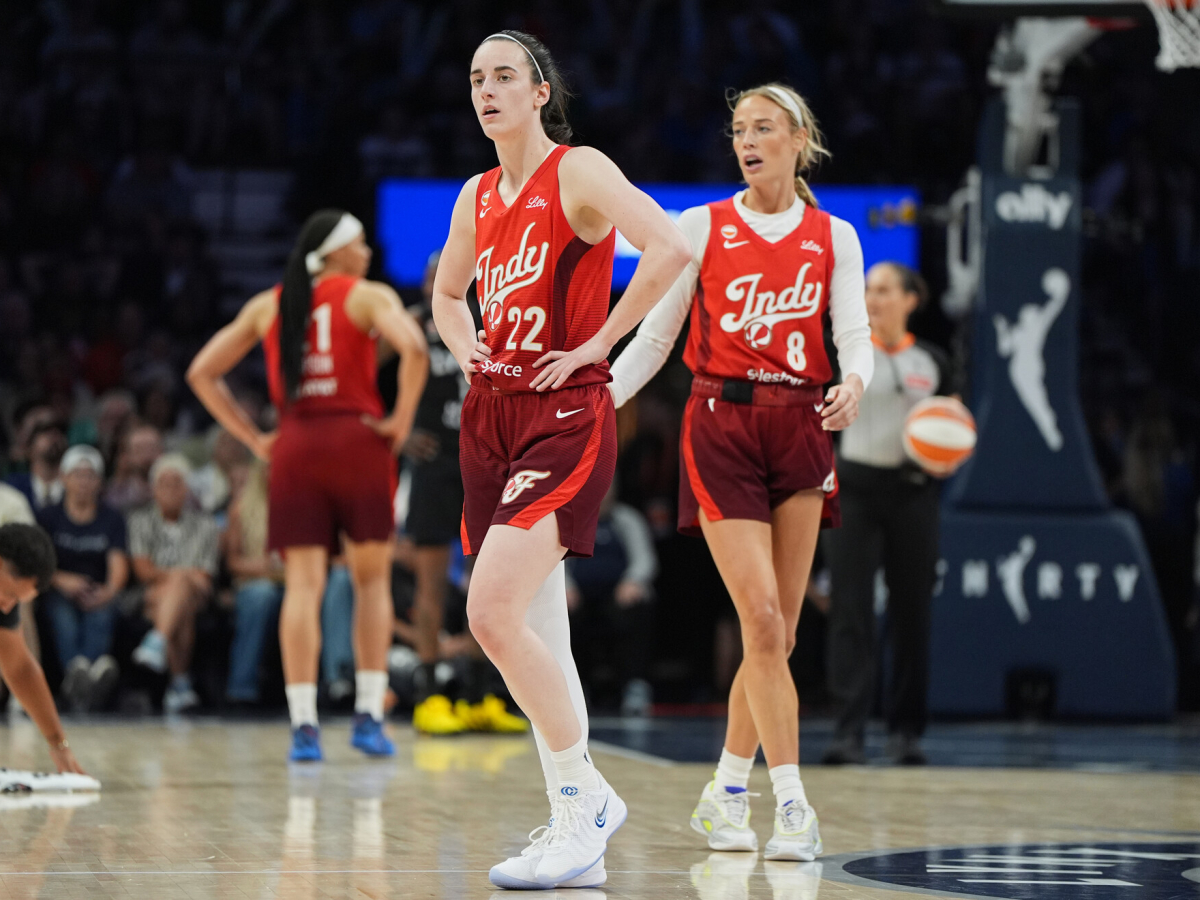
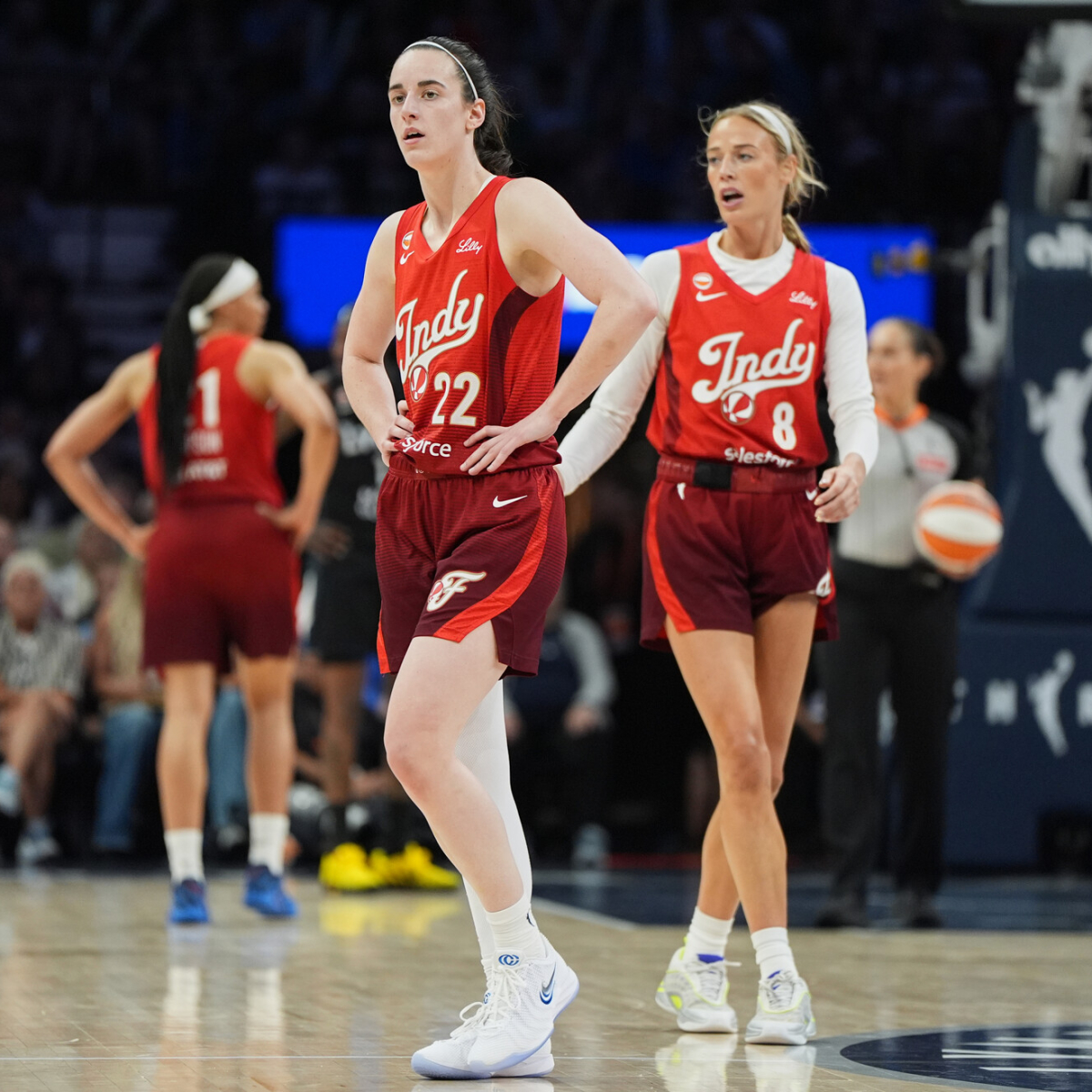
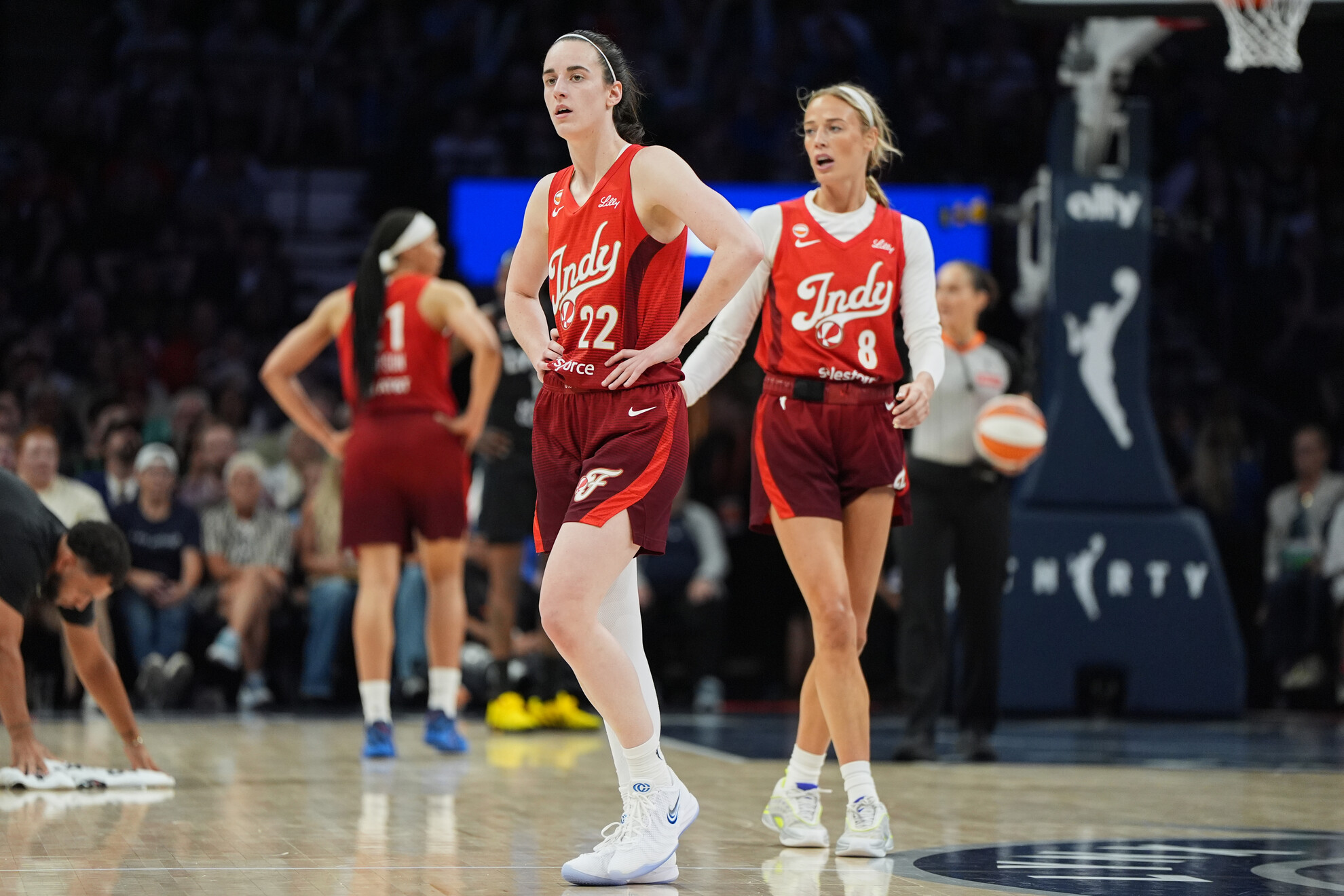
Charles Barkley enters the WNBA controversy and reveals what he believes is fueling the tension surrounding Caitlin Clark and Sophie Cunningham.
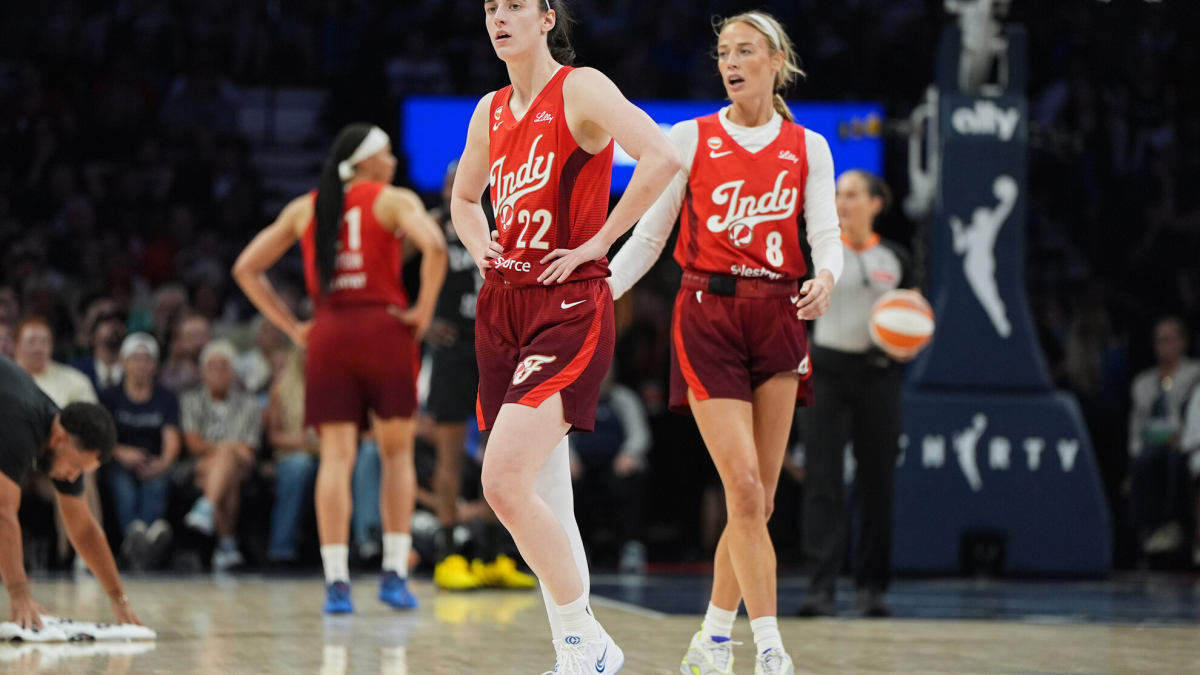
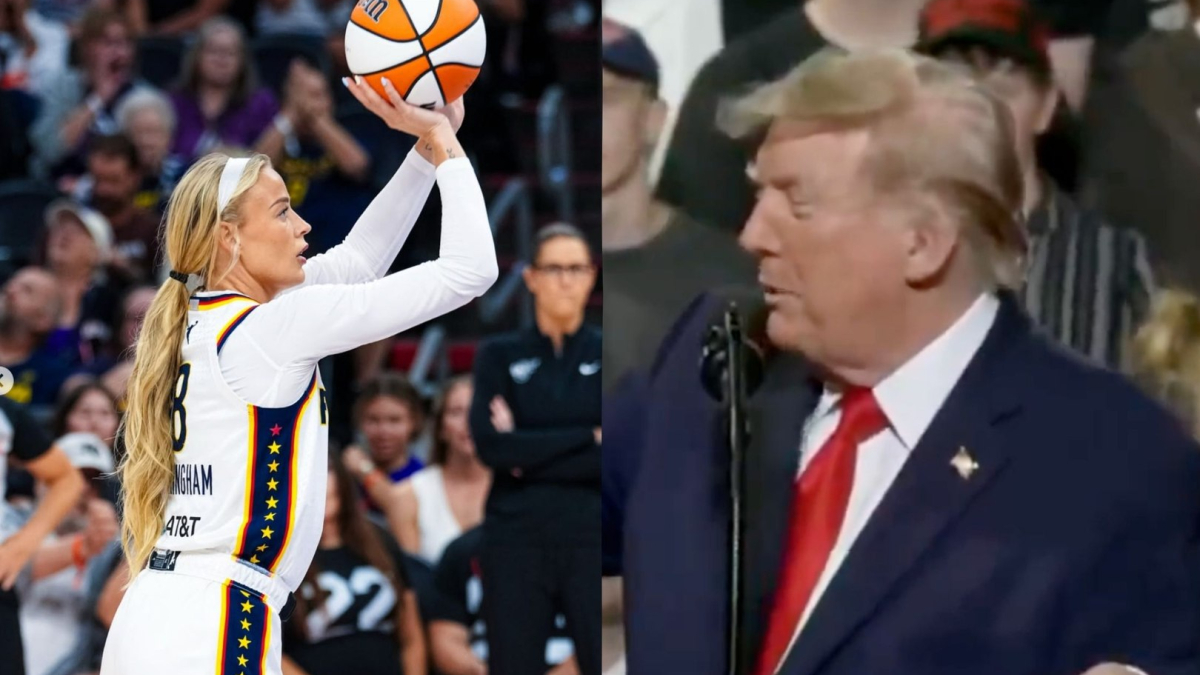
Charles Barkley has finally weighed in on the controversy surrounding the WNBA , saying that the tension surrounding the league’s biggest stars, Caitlin Clark and Sophie Cunningham , stems from a combination of factors, including jealousy, race, and sexuality.
During an appearance on Michael Smerconish ’s show, the longtime Inside the NBA analyst reiterated that he believes much of the criticism directed at Clark within the league has been unfair. However, this time he partially agreed with his well-known “rival” Jason Whitlock , acknowledging that several elements influence how Clark and Cunningham are perceived by some players and members of the WNBA community.
Smerconish brought up a previous segment on his CNN program featuring J ason Whitlock and Cari Champion , in which Whitlock argued that the league’s internal tensions are connected to sexual identity and a kind of “closing ranks” among players. Barkley offered his own perspective on the situation.
“I think there’s some, like I say, it’s jealousy, I think it’s a part of it. Race is a part of it, and sexuality is a part of it. Now, I don’t know how much, but I’m comfortable saying they don’t like Caitlin. I have no idea why. She’s just a really good basketball player. Same thing with Sophie. She’s a good player, but I think it has something to do with sexuality, race, and jealousy. I think it’s all three of them. I don’t know how you break up the percentages,” Barkley said.
Barkley’s comments come after the former NBA star publicly supported a petition calling for clearer eligibility rules within the WNBA.
Although Barkley and Whitlock often disagree, the two remain friends. Barkley described their relationship as direct and without filters, while also calling Whitlock’s comments “provocative.”
Still, he referenced Whitlock’s argument again by stating:
“There is something going on with those women.”
The discussion gained momentum after the incident between DiJonai Carrington and Sophie Cunningham, in which Carrington was assessed a Flagrant 2 foul . Carrington’s subsequent comments in the locker room sparked widespread reaction and even brought Caitlin Clark into the conversation, fueling debate over whether the rivalry in the WNBA is driven solely by basketball-related issues.
Smerconish’s program highlighted two completely opposing views regarding the root causes of the league’s tensions.
Whitlock argued that sexual identity is one of the main factors behind the animosity toward players like Clark and Cunningham. He also pointed to race and competitive jealousy, while citing comments from veterans such as Syd Colson and Monica McNutt , who have called for Clark to “join the sisterhood,” as a possible sign of an exclusionary culture.
Meanwhile, Cari Champion strongly rejected that interpretation, calling the focus on sexuality an “easy” and “ridiculous” argument. She acknowledged that race can play a role but argued that outside commentators have amplified the conflict.
“That has nothing to do with why these women don’t like Caitlin Clark or Sophie Cunningham,” Champion said, emphasizing that physical play is simply part of basketball.
“It’s a contact sport. They’re going to touch each other. It happens in the NBA, it’s going to happen in the WNBA.”
Barkley said he watched that discussion and agreed with several of Champion’s points, although he admitted he could not completely dismiss Whitlock’s perspective.
As opinions remain divided, Barkley’s stance represents a middle ground: he believes the tension within the WNBA cannot be explained by a single factor and that multiple issues have contributed to the conflict as the league experiences unprecedented growth in popularity and media attention.