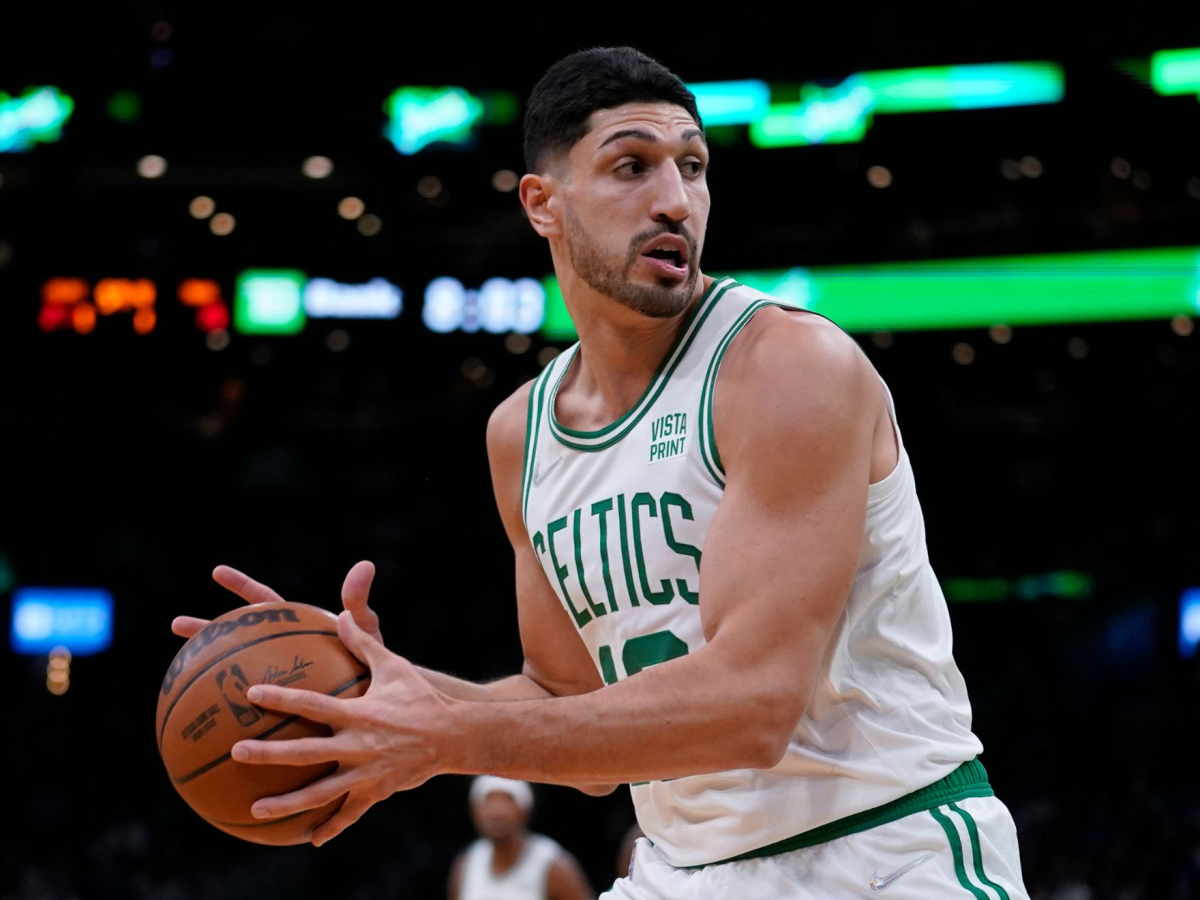
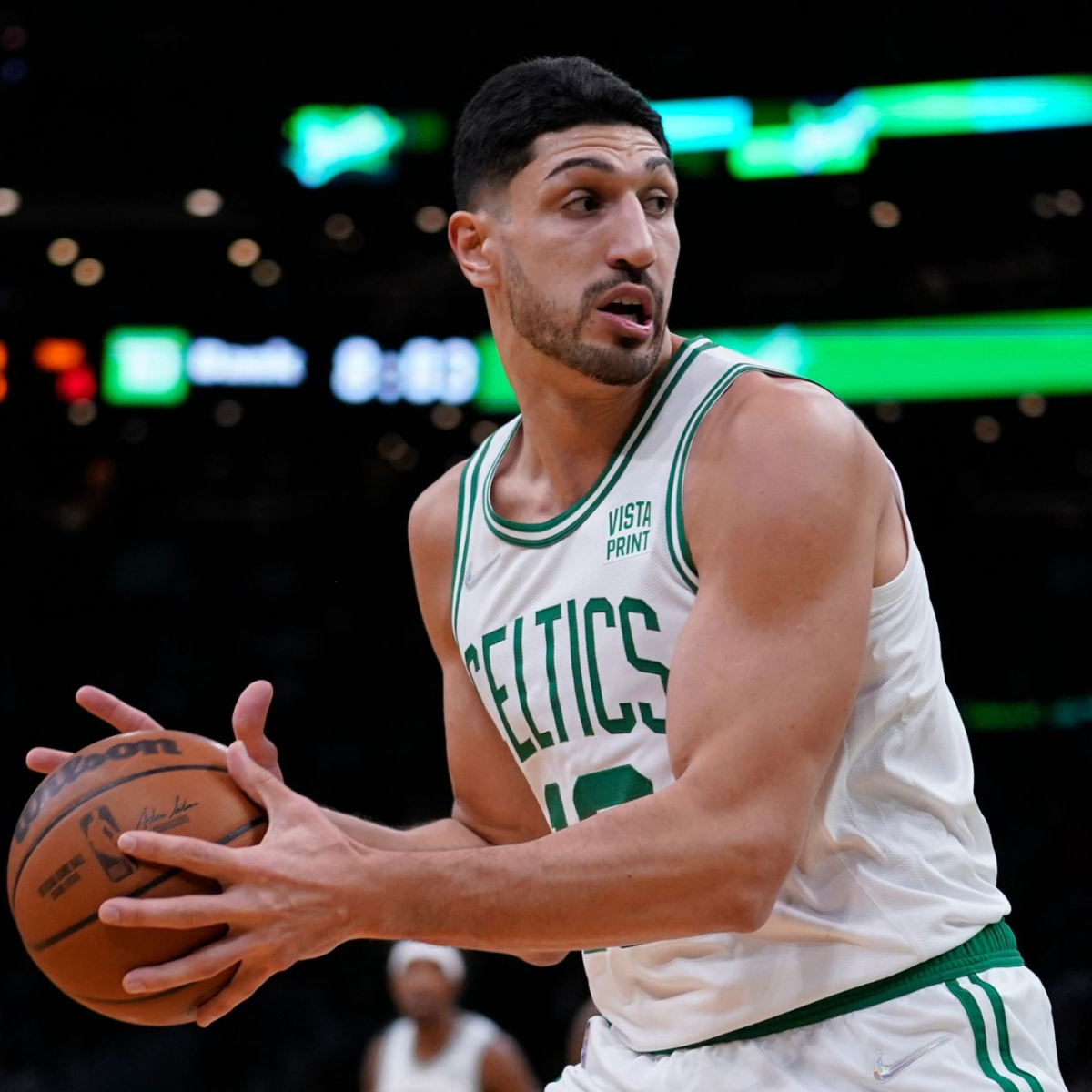
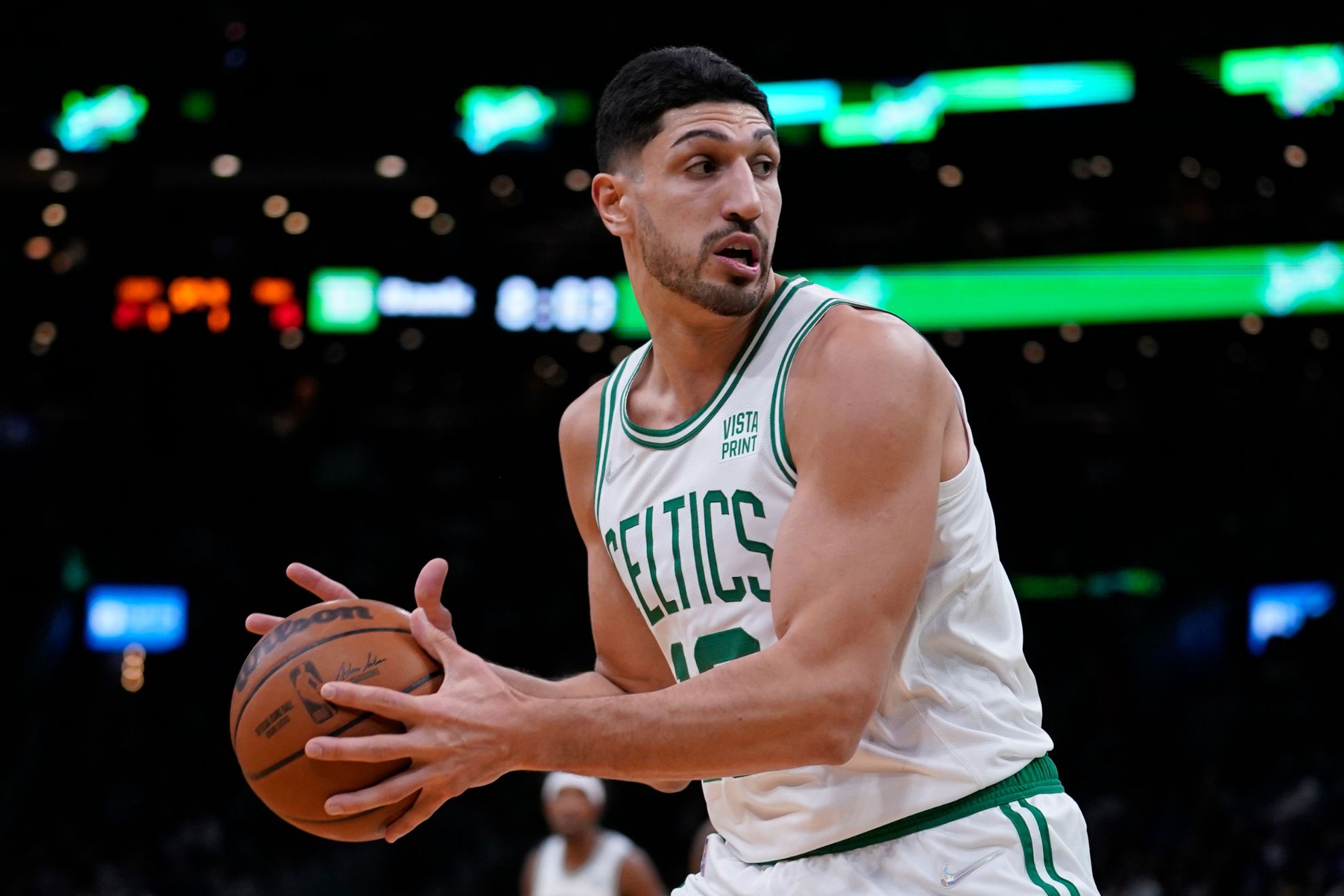
Enes Kanter encourages NBA players to enter the 2027 WNBA draft to secure better salaries
The former NBA center says the massive pay gap could motivate more players to test the league's eligibility rules
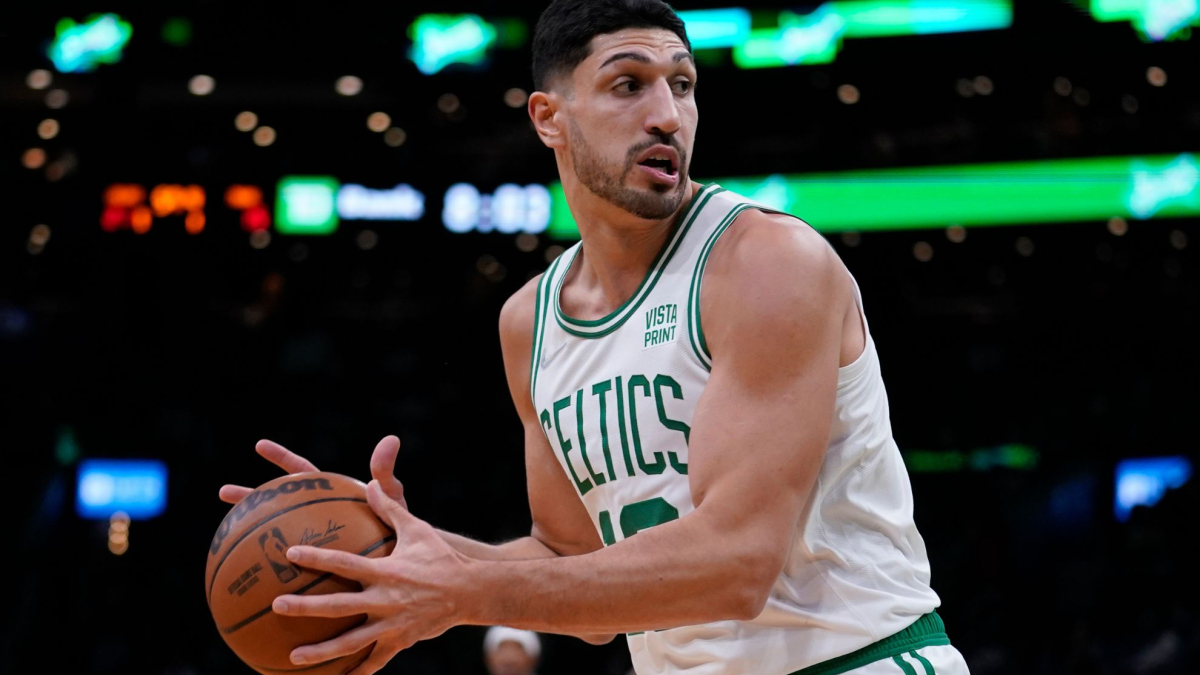
Former NBA center Enes Kanter Freedom is escalating his challenge to the WNBA by claiming that more male basketball players could declare for the 2027 WNBA Draft if the league doesn't clarify its eligibility rules.
In a video posted Tuesday, Kanter said he'd spoken with eight players who were considering joining his campaign.
According to the former Boston Celtics player, the group includes two former NBA players, three G League players and three European players. None of those players has been publicly identified or independently confirmed Kanter's claim.
Kanter's argument centers heavily on the financial difference between the two leagues.
“Hear me out, the NBA G League pays players $45,000 a year, while the WNBA’s top players earn $1.4 million. Those ‘men’ could earn an extra $1,355,000 a year by just identifying as women. Rules are rules,” said Kanter .
The WNBA's new collective bargaining agreement has dramatically increased compensation. The league says its 2026 maximum salary is $1.4 million, while the average salary is projected to exceed $583,000. The agreement also runs through 2032 and introduces substantial salary growth across the league.
Kanter's campaign puts pressure on WNBA
Kanter first announced his intention to enter the 2027 WNBA Draft earlier this month, arguing that the league's collective bargaining agreement doesn't specifically define biological sex or gender identity beyond stating that women are eligible. Former NBA player Royce White subsequently made a similar declaration.
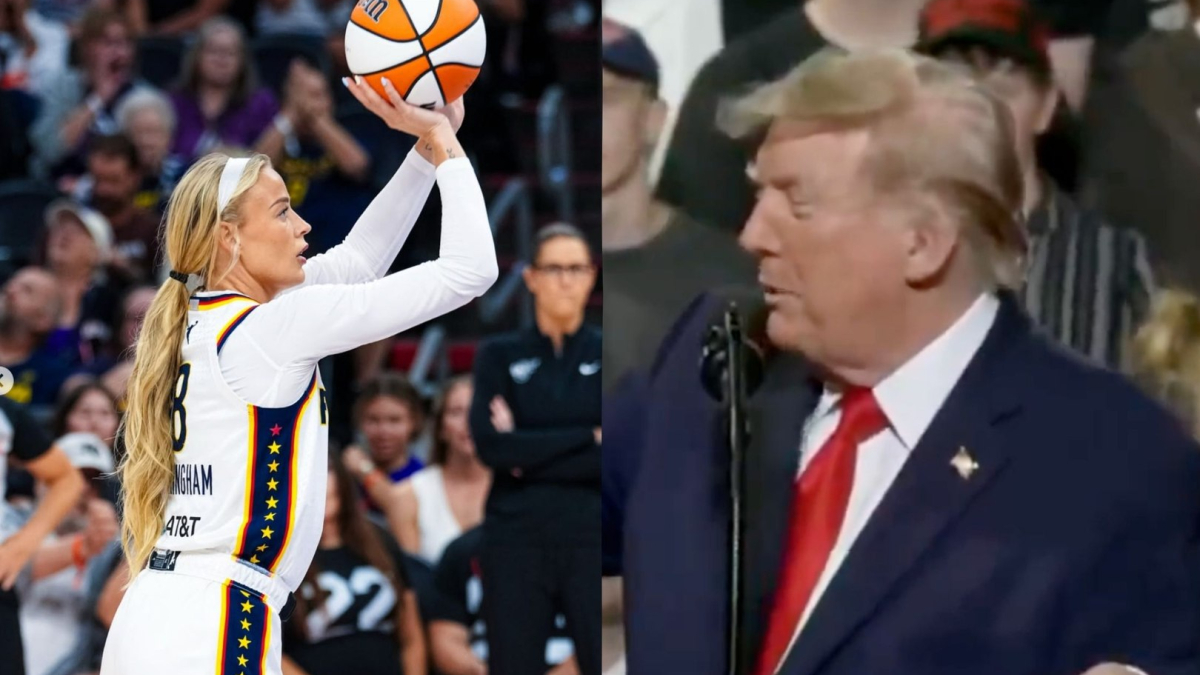
The controversy gained momentum after Indiana Fever guard Sophie Cunningham publicly discussed transgender participation in women's sports. Her comments triggered a wider debate among players, supporters and critics.
The WNBA has since pushed back against the campaign. Its anti-hate task force said there are currently no immediate eligibility issues involving transgender athletes and condemned what it described as “bad-faith” attempts to demean or marginalize others.
The league also said discussions about the subject would continue with the players' association.
Kanter's latest comments appear designed to increase pressure on the league by suggesting that his challenge could become larger than a two-player protest. His claim that eight additional players are considering the move, however, remains unverified, and he hasn't named the individuals involved.
The former NBA big man has also framed the dispute as more than a question of eligibility. By highlighting the enormous difference between G League and WNBA compensation, he's attempting to present the proposed declarations as a financial opportunity as well as a political statement.
Whether any other players ultimately follow Kanter and White remains uncertain. The WNBA could also revise or clarify its eligibility standards before the 2027 draft, potentially changing the circumstances surrounding the campaign.
Kanter's recruiting pitch has added another layer to an already contentious debate. What began with questions surrounding transgender participation in women's basketball has expanded into a broader confrontation over league rules and how those policies should be interpreted.