'Joe Rogan Sphere' blamed for intensifying Sophie Cunningham controversy in debate over transgender WNBA players
The league remains under pressure as commentators clash over eligibility, free speech and the wider political climate
The debate over transgender athletes in women’s sports has become one of the loudest issues surrounding the WNBA , and veteran MMA analyst Luke Thomas believes the conversation now extends far beyond basketball.
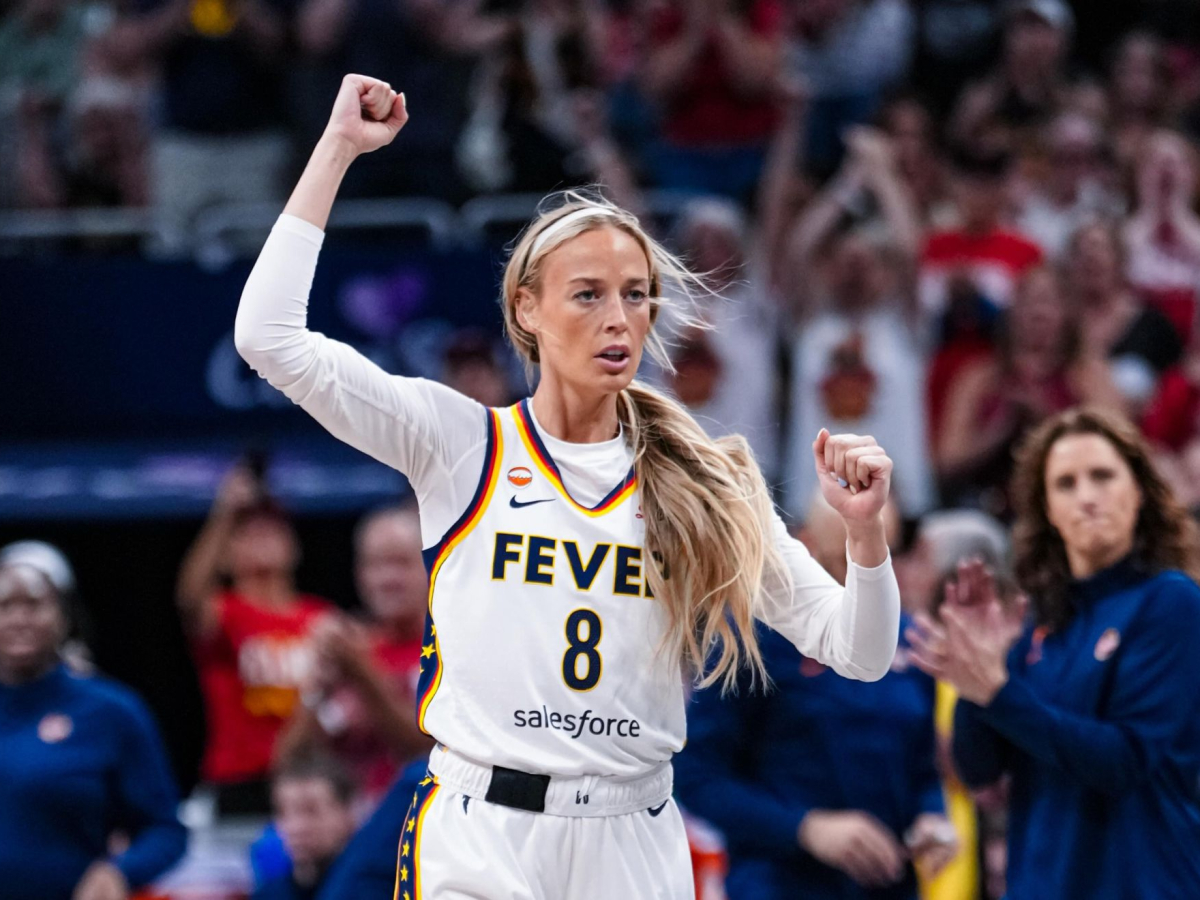
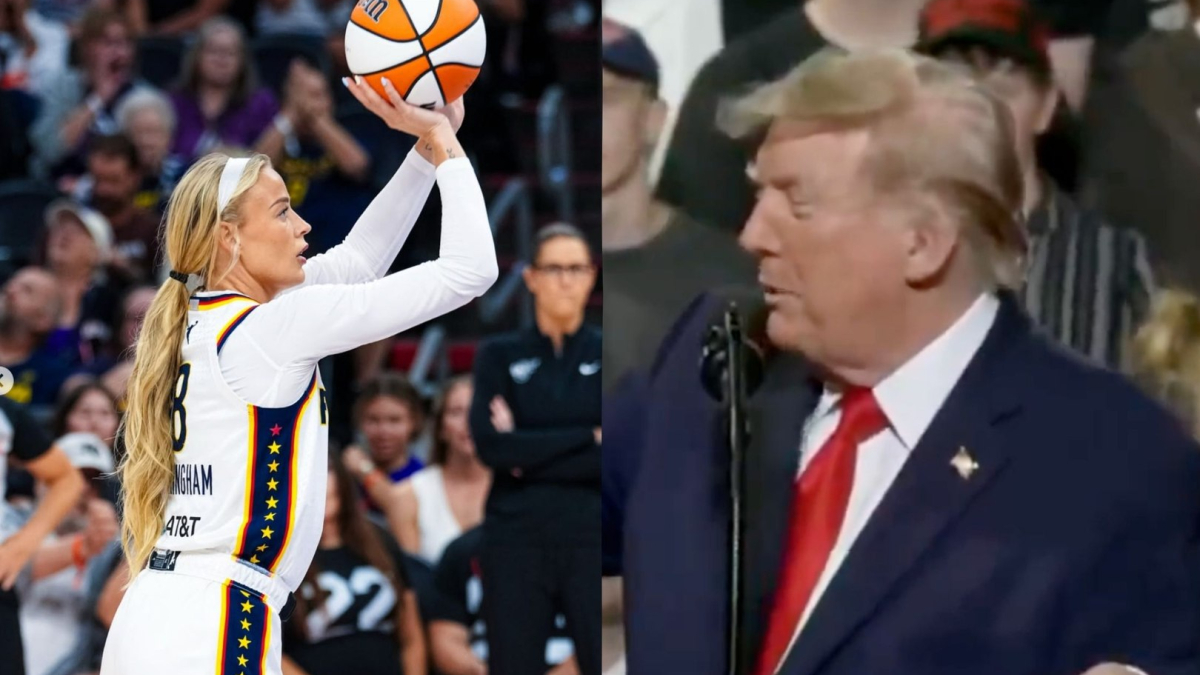
Speaking on his YouTube channel, Thomas addressed the criticism directed at Indiana Fever guard Sophie Cunningham , who has publicly opposed transgender women competing in women’s sports.
He argued that reactions to her comments are being shaped by a much broader political and cultural climate.
“There’s an inherent contradiction though, that I think needs to be addressed a little bit,” Thomas said. “I don’t know if you’re asking why is Sophie getting a lot of pushback? Again, partly, it’s a culture war issue.”
His argument wasn't that Cunningham ’s comments themselves amounted to an attack on transgender people. Instead, Thomas said the issue has become tangled with a wider media ecosystem in which transgender issues are frequently discussed in combative terms.
Luke Thomas points to the ‘Rogan sphere’
Thomas referenced what comedian Marc Maron has described as the “Rogan sphere,” a loose network of commentators and personalities associated with or influenced by Joe Rogan ’s podcasting orbit.
“People are very, very sensitive right now to what it means to be speaking out against people who are, whose ability to have a public life at all is, frankly, being under assault,” Thomas said.
He added: “There’s this larger climate of, like, you know, Marc Maron was talking about this related to the Rogan sphere, where all these guys make a career on, you know, going after trans folks, not just trans athletes, but trans folks.”
Rogan has repeatedly argued that biological sex should determine eligibility in women’s sports and has called for the WNBA to use chromosomes as a defining standard.
“If you want to play in the WNBA, you have to have XX,” Rogan said on his podcast.
That position has drawn attention partly because there are currently no transgender women playing in the WNBA.
Cunningham remains at center of controversy
The debate accelerated after Cunningham addressed the subject in an ESPN interview.
“I think that I am here to extend love,” she said. “But I also think with that love is truth, being honest. And I want to protect young girls in a locker room, or young girls in sport who shouldn’t have to go against biological men.”
She later added: “I said what I said. I think it’s kind of common sense.”
Her remarks have since become part of a much larger dispute involving rallies outside Fever games, criticism of teammate Caitlin Clark ’s more neutral stance and publicity campaigns from former NBA players including Enes Kanter Freedom and Royce White .
Sportscaster Chris Williamson argued that the league should have acted against Cunningham , writing that “her conduct has objectively been detrimental to the league.”
The WNBA hasn't disciplined her. Instead, the league later issued a broader statement condemning “hate, abuse, and demonization” while saying it would continue difficult conversations without being used as a political pawn.
What began as one player’s opinion has therefore become something much larger, a clash over sports eligibility, free expression and the cultural environment surrounding transgender issues.