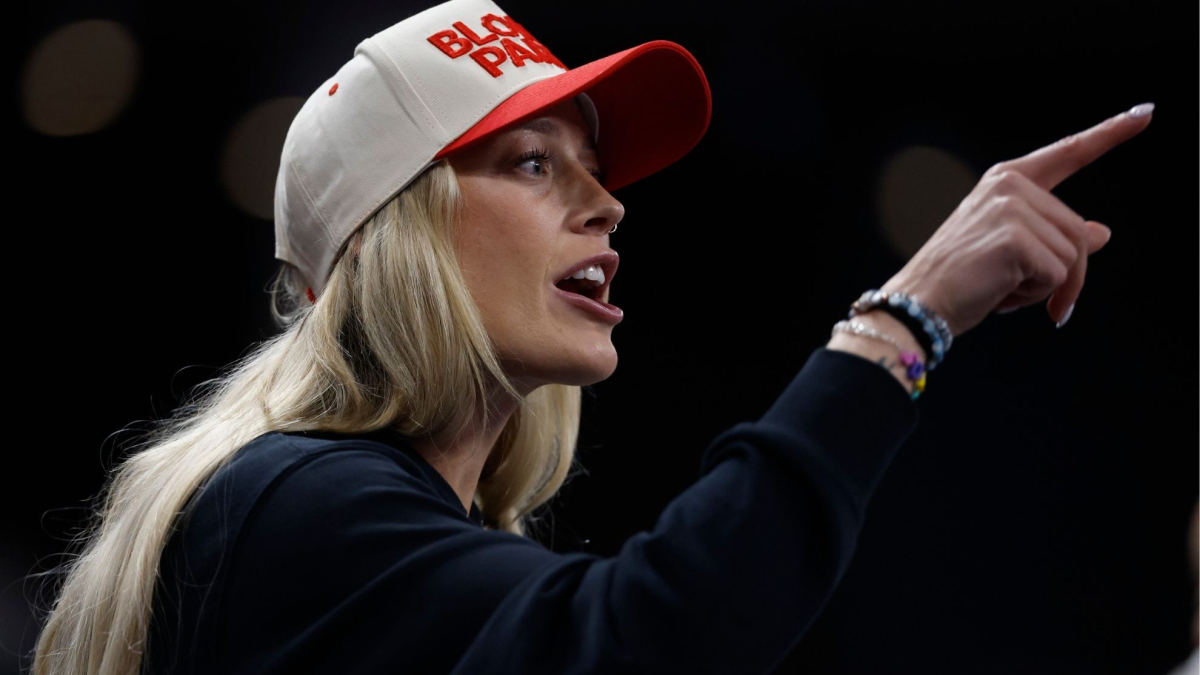
Sophie Cunningham calls some coaches "soft" and opens another controversial debate
The Indiana Fever guard has questioned the way modern basketball coaches approach player development
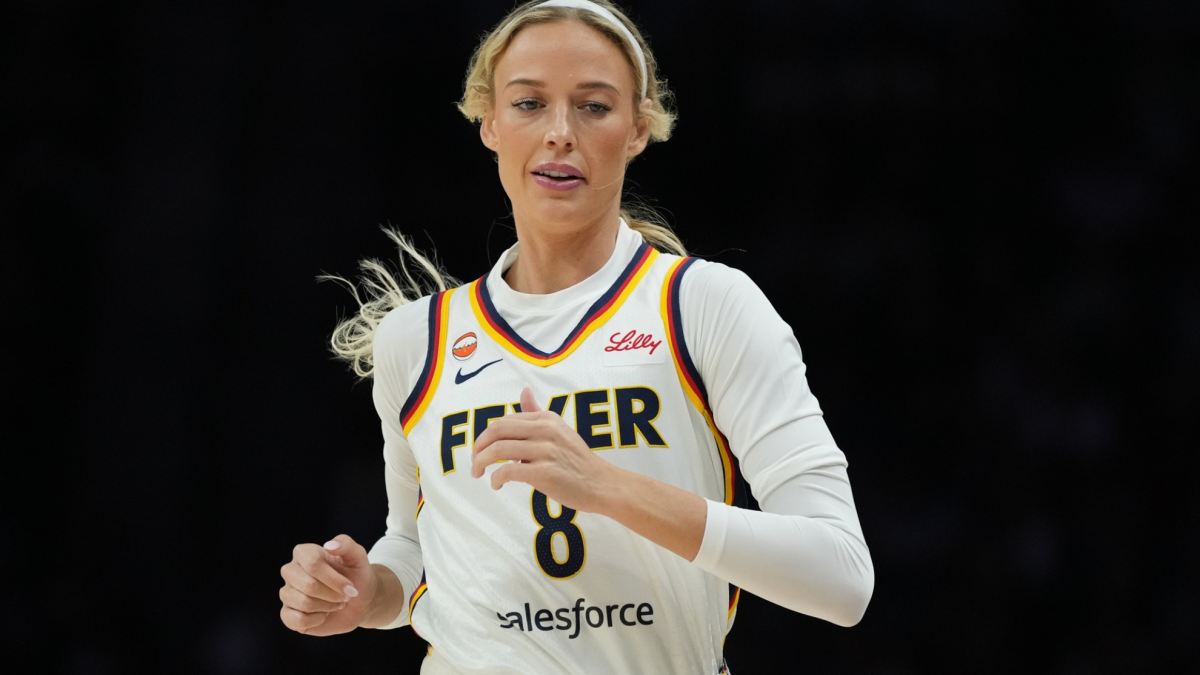
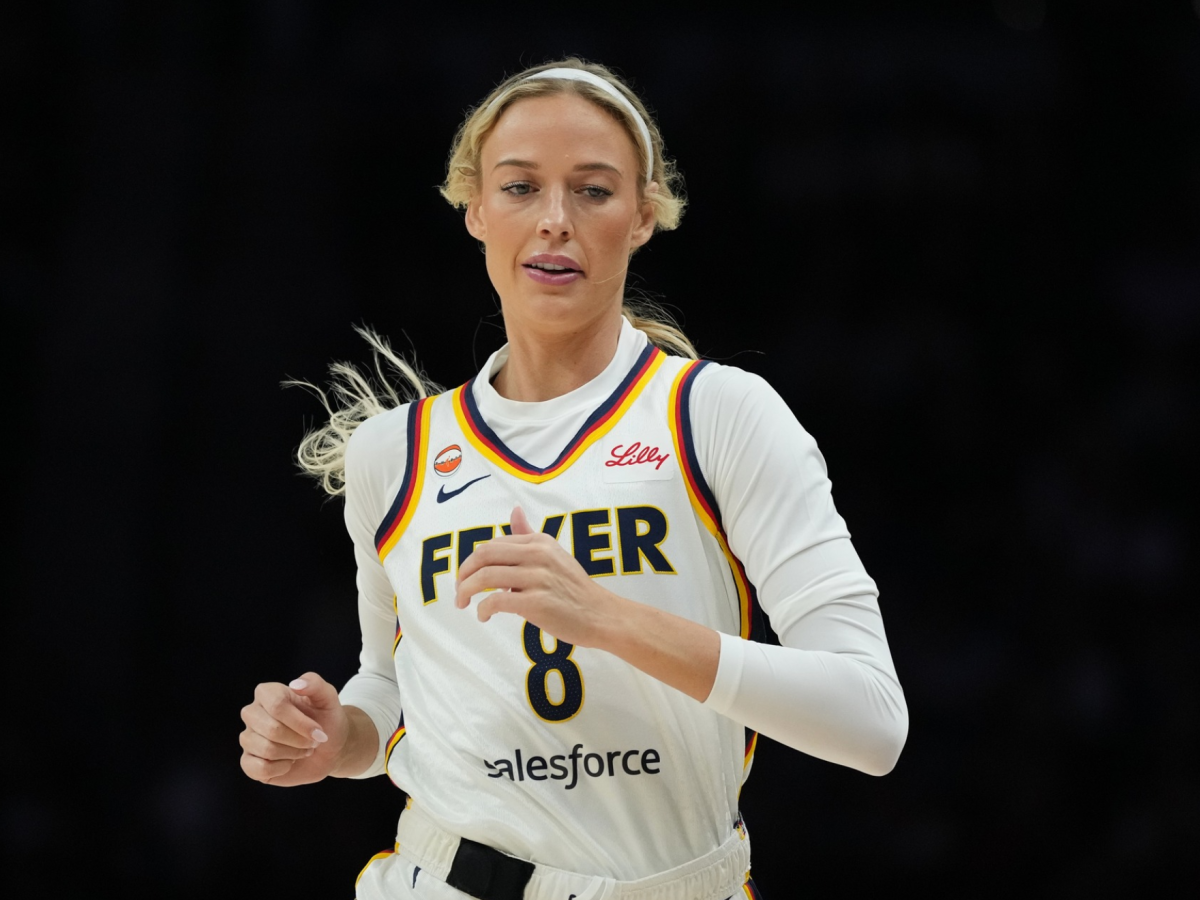
S ophie Cunningham has sparked another debate about the culture surrounding women's basketball after suggesting that some coaches have become too reluctant to challenge their players.
The Indiana Fever guard made her feelings clear during an episode of her podcast, No Hesitation, alongside NBA trainer Drew Hanlen .
Their discussion focused on whether modern coaching methods are helping athletes reach their full potential or making it harder for them to develop the mental toughness required to succeed.
Cunningham's message was straightforward: she wants coaches to demand more from their players rather than worrying excessively about how criticism might be received.
“Bring back hard coaching,” she said, arguing that the most successful athletes often benefit from coaches who are willing to challenge them when standards begin to slip.
She explained that her own development was shaped by people who recognised her abilities but refused to allow her to become complacent: “That is why all of us pros are where we are, because we had coaches who truly cared about us and loved us and saw our full potential. But with that, they didn’t let us slip. If we weren’t going hard enough, or we weren’t doing that, they were on our a–.
“You can’t always listen to their tone. You have to listen to the message. I do think that coaches are too soft on athletes nowadays. Maybe it’s the parents, maybe it’s the athletes who can’t take it, but then y’all shouldn’t be in the sport because if your coach is on you, that means they see something in you.”
Her comments came after Hanlen discussed his experiences working with female basketball players and suggested that they were not always pushed as aggressively as their male counterparts.
Drew Hanlen believes female players deserve the same demanding approach
Hanlen , who has worked with NBA stars including Jayson Tatum, Bradley Beal and Tyrese Haliburton , believes the coaching industry sometimes underestimates what female athletes can handle.
He recalled working with elite women who were surprised by the intensity of his training sessions: “I used to work with all these top women, and they are like, ‘I have never been pushed this hard.'”
Hanlen explained that his philosophy does not change depending on an athlete's gender.
“You’re still a hooper. I don’t care if you’re a guy or a girl. I’m going to train you to my fullest capabilities,” he said.
He believes some coaches are overly concerned that female athletes might struggle emotionally or physically with demanding instruction. In his view, that approach can prevent players from discovering how much they are capable of achieving.
Hanlen's experience gives the discussion another dimension. After playing college basketball at Belmont, he established Pure Sweat Basketball and developed a reputation for working with professional players and promising young talents.
Cunningham's argument is therefore not simply about being shouted at during practice. Both believe criticism should have a purpose: improving performance, developing confidence and holding players responsible for their decisions.
Caitlin Clark provides an example of accountability
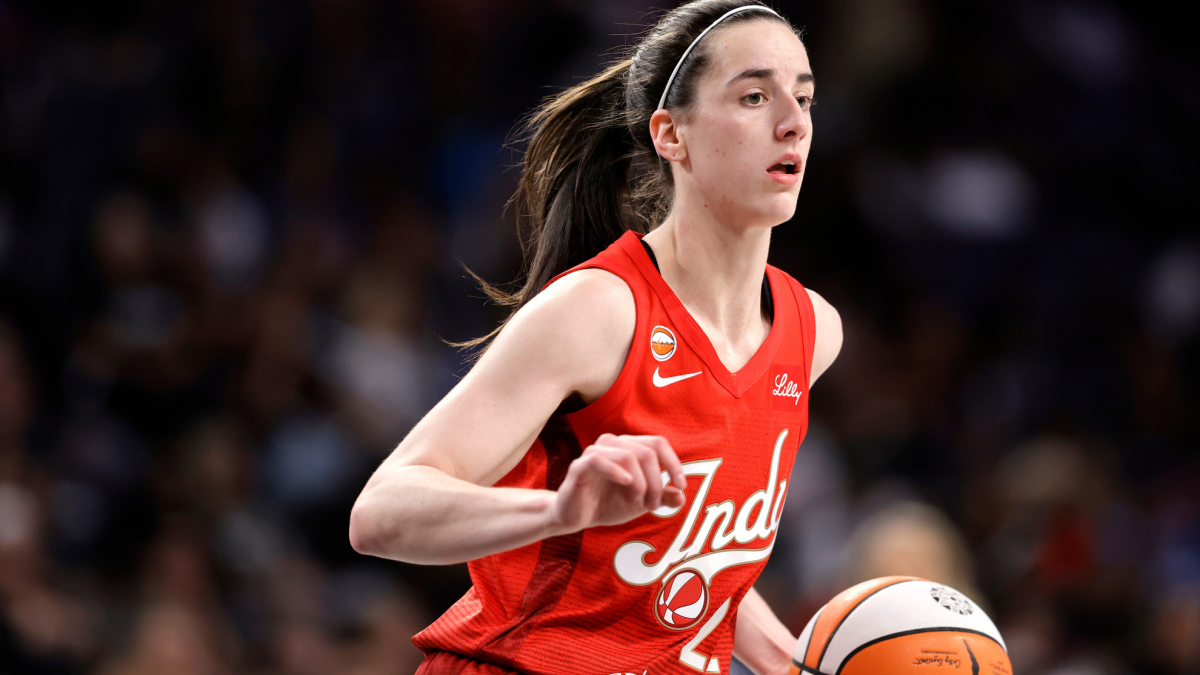
Caitlin Clark 's development offers an interesting example of how demanding coaching can influence a young player's career.
During her high school years, coach Kristin Meyer occasionally benched Clark when she showed frustration towards referees or displayed body language that Meyer believed could negatively affect the team.
Meyer understood Clark's talent but wanted her to recognise that individual reactions could have consequences for the entire group.
The lessons were not always comfortable, but they were intended to prepare Clark for the expectations of higher-level basketball.
Cunningham is currently an unrestricted free agent after Indiana's 2026 playoff elimination, leaving questions about where she will play next season. Her comments also arrive during a wider discussion about how the WNBA continues to develop its players and compete at the highest level.
There is, however, an important distinction between demanding coaching and disrespectful treatment. Holding athletes accountable does not mean humiliating them or ignoring their wellbeing.
Ultimately, Cunningham's argument is that genuine support sometimes requires difficult conversations. Coaches should recognise potential, communicate high expectations and challenge players to improve, rather than avoiding criticism altogether. Whether everyone agrees with her assessment, the debate she has raised is unlikely to disappear.