Sophie Cunningham enters the WNBA anthem controversy and explains why she remains on the court
The Indiana Fever player spoke about the decision by some teams to leave before the national anthem and explained why she chooses to stay.
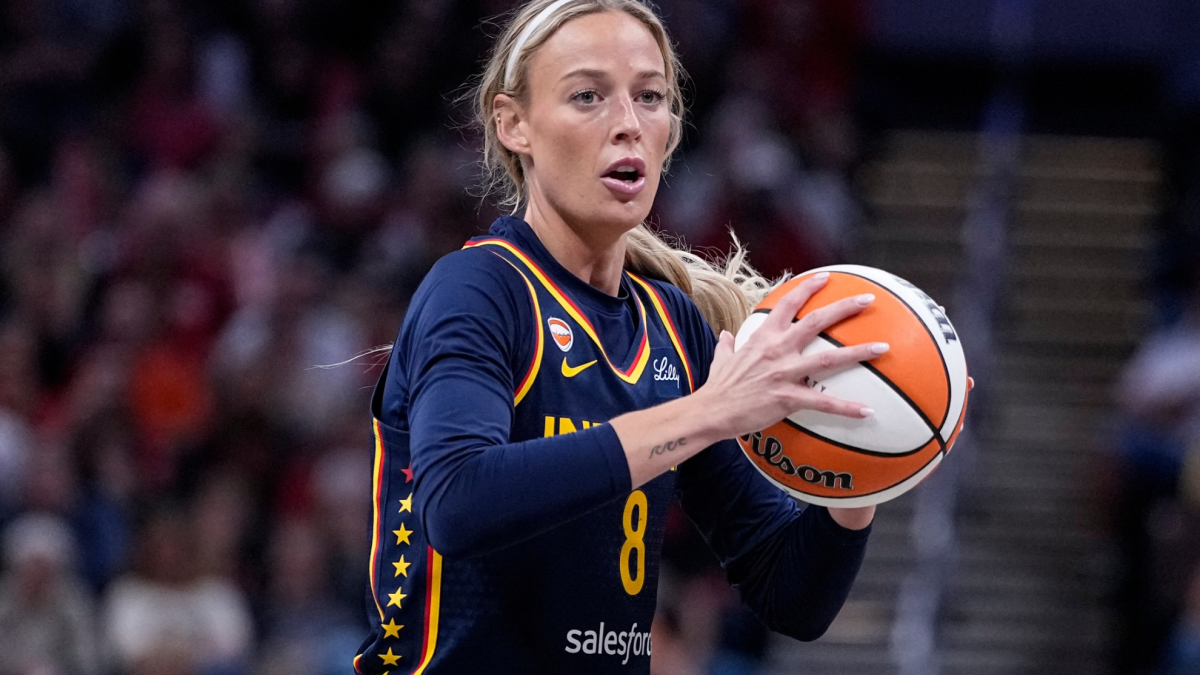
Sophie Cunningham spoke openly about one of the issues that occasionally sparks debate around the WNBA. During her appearance on the podcast This Past Weekend, hosted by Theo Von, the Indiana Fever player explained why she chooses to remain on the court during the United States national anthem.
The topic came up when Von asked her about the decision by some players or teams to leave the court before the anthem begins to be performed. Cunningham explained that this practice is not new and took the opportunity to clarify why she prefers to stay.
Cunningham explains what the anthem means to her
The guard linked her decision to her family history and the respect she feels for those who have served in the Armed Forces.
Cunningham said that she has family members who have served in the military and highlighted the sacrifices that, from her perspective, military personnel and veterans make to protect the freedoms enjoyed by American citizens.
“Personally, I am grateful and support the people who serve. We have family members who have served, and they do things that are unimaginable to us so that we can be here living our dreams and having the freedoms that we have”
The player also made it clear that her decision is personal and that she does not intend for her teammates to necessarily share her stance.
I am going to show my support and my affection. That is my stance. That does not mean that everyone has to think the same way, or that it is right or wrong. I am very proud of where I come from, and I am proud to be a U.S. citizen.
A personal decision, not a criticism of her teammates
The conversation once again brought to the forefront a question that has accompanied the WNBA over the last few years: the way some players express their positions on social and political issues, including during the national anthem.
Cunningham, however, avoided framing her decision as a criticism of those who act differently.
The Indiana player made her position clear without presenting her choice as the only correct way to approach the moment before the games.