The Indiana Fever's general manager sends a message to the WNBA about Caitlin Clark that might not go over well
Amber Cox has urged the WNBA to recognize Caitlin Clark's influence after another disappointing playoff exit for Indiana
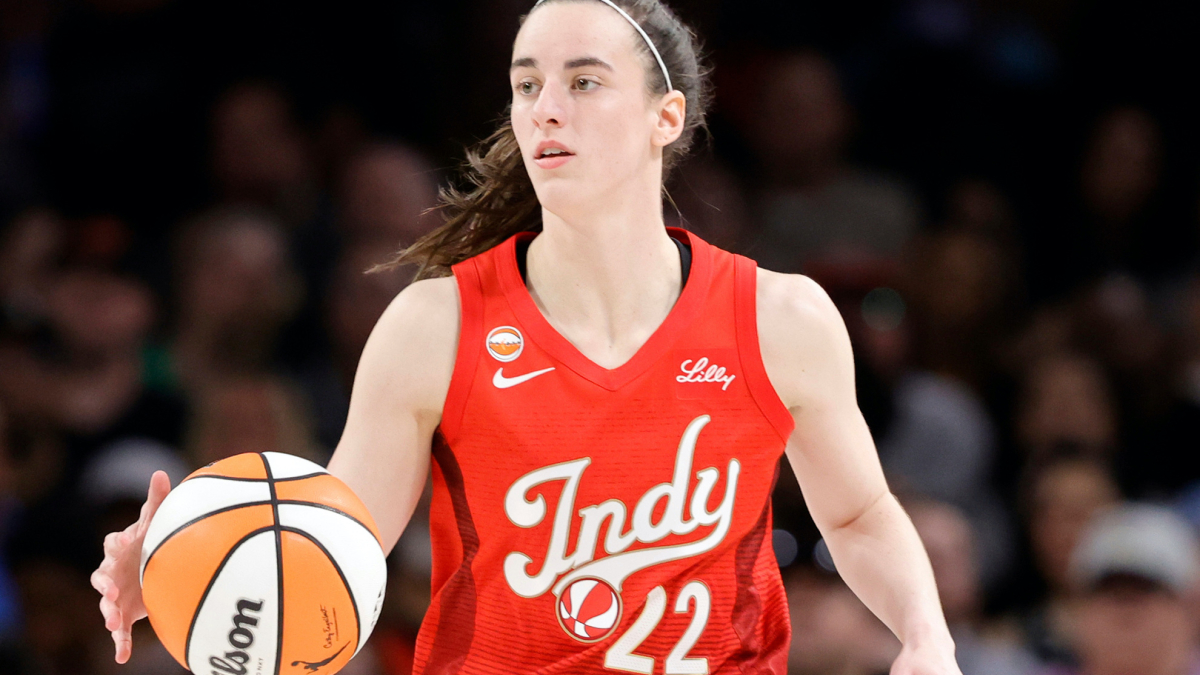
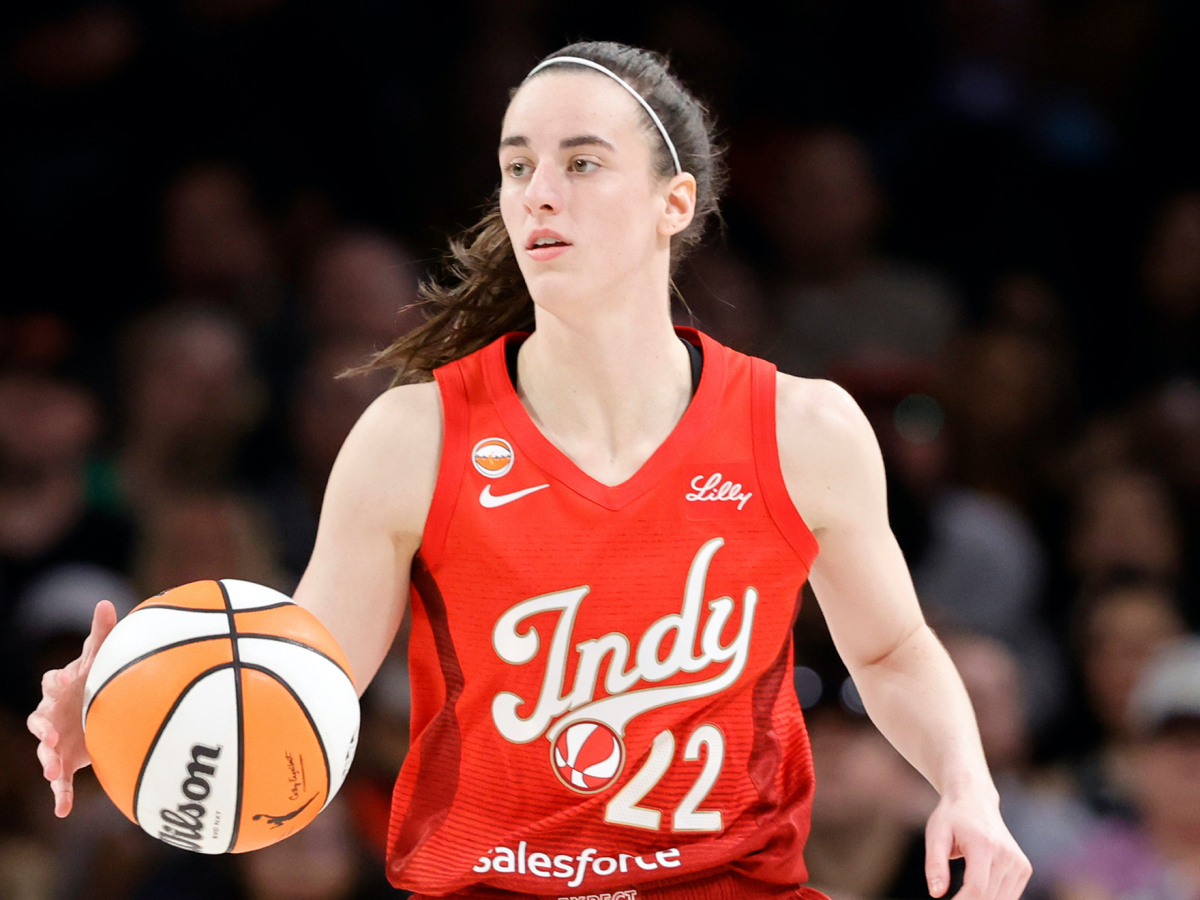
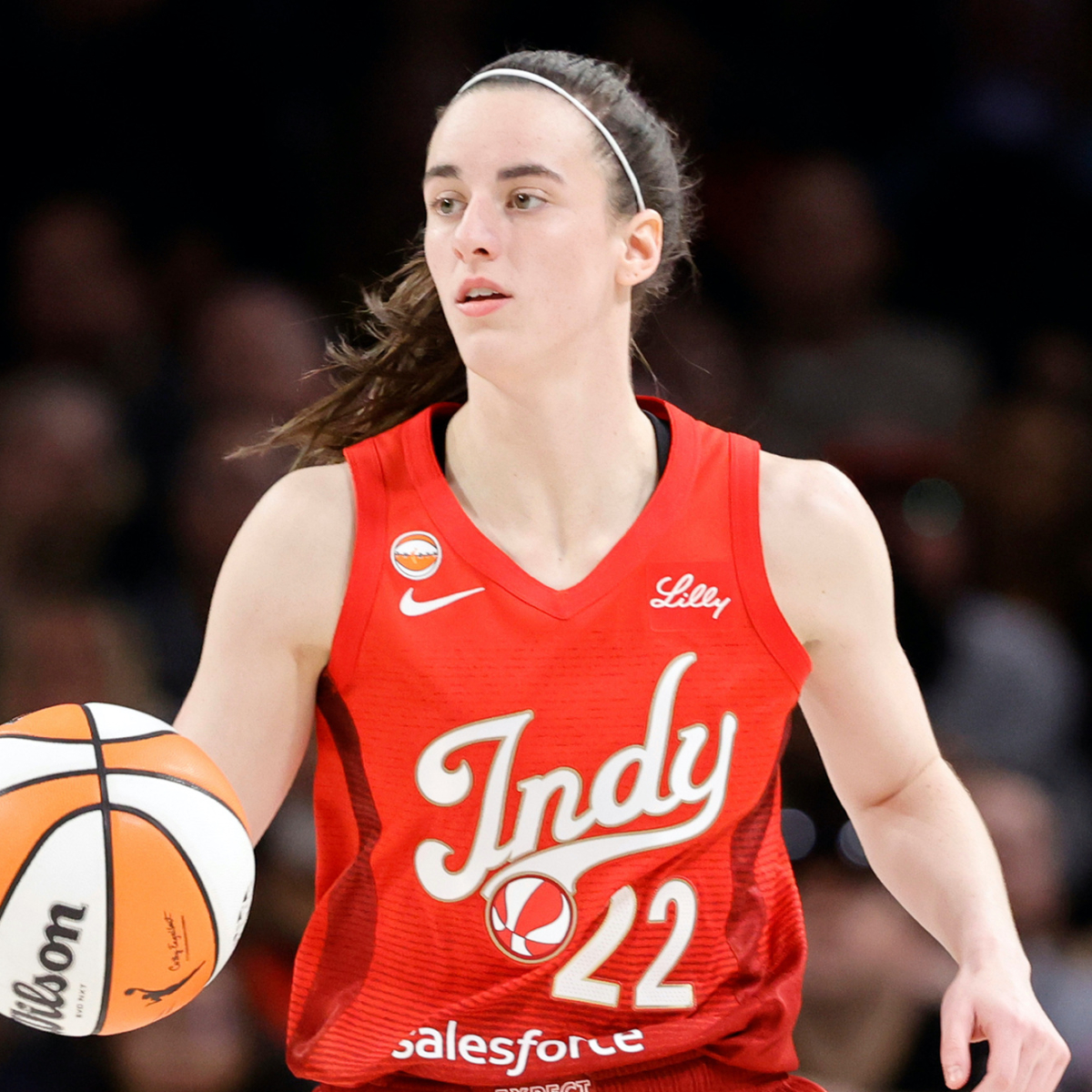
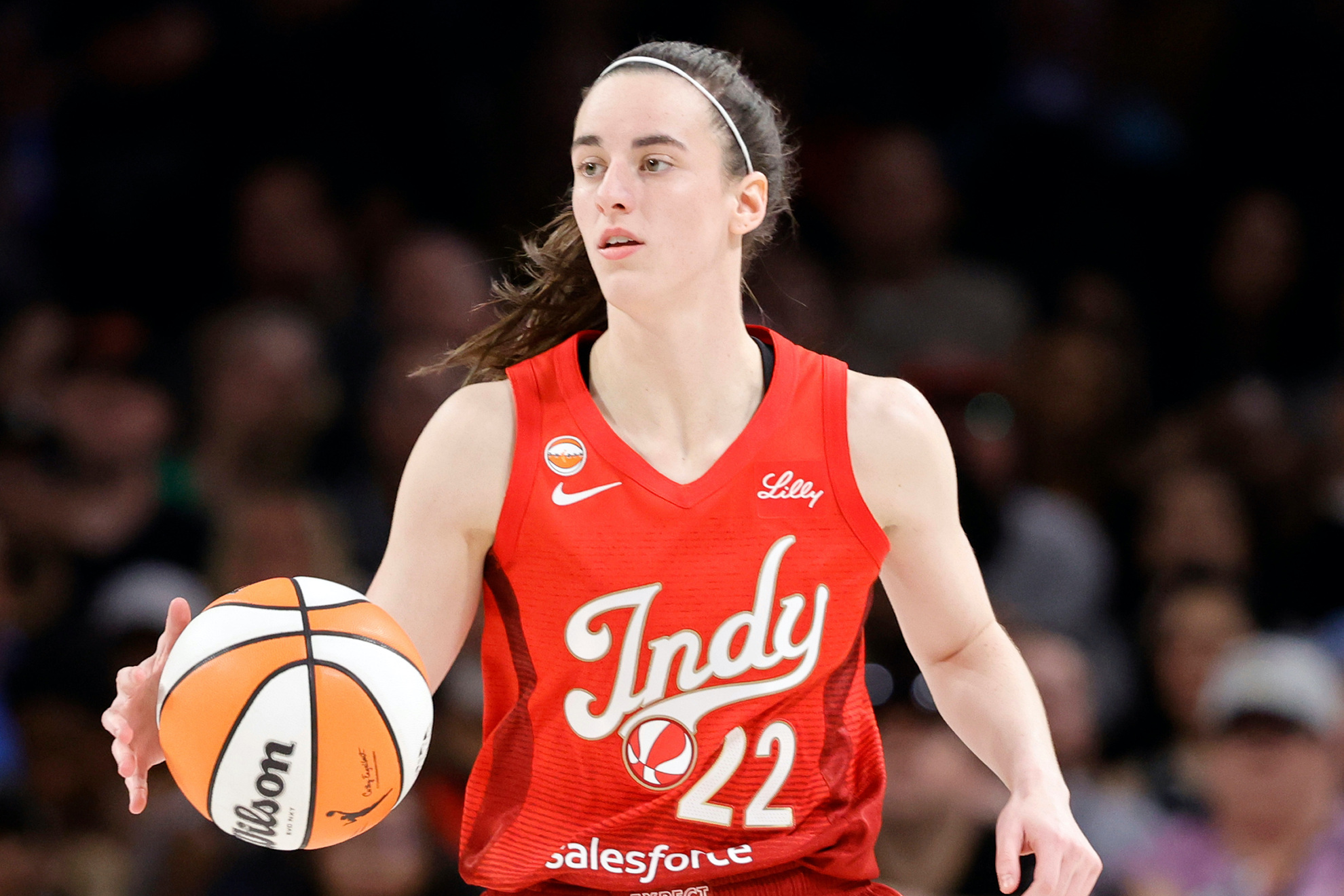
The Indiana Fever 's 2026 season ended earlier than they would have wanted, but general manager Amber Cox does not believe that should overshadow what Caitlin Clark has done for the franchise and the WNBA .
Following Indiana's first-round playoff elimination by the Las Vegas Aces , Cox delivered an emphatic assessment of Clark's importance to the league.
Her message was unmistakable: the WNBA has benefited enormously from Clark's arrival, and Cox believes that contribution should be acknowledged more openly.
“What she has meant to our team, what she has meant to the league and what she’s meant to women’s basketball. She remains the tipping point,” Cox said of Clark on Saturday.
“You look at the ratings and you look at the full buildings, you know that started in 2024 when she came into the league. And that’s because of Caitlin Clark .”
That is a particularly notable statement from an executive because Clark's impact has frequently been debated alongside the performances of the league's other stars.
Cox was careful to make clear that recognizing Clark does not mean diminishing what came before her: “That does not take anything away from anybody who’s come before her or still playing or has worked in the league. … The build was slow, and then Caitlin Clark arrived and the floodgates opened.”
There is substantial evidence behind the broader point. The WNBA experienced a significant attendance increase during Clark's rookie season in 2024. League-wide attendance reached 2.35 million, its highest total in 22 years, while the average crowd rose 48% from the previous season.
Indiana's home attendance also established a new franchise record, with the Fever drawing 340,715 fans.
The growth has continued beyond Clark's first season. According to data cited by Front Office Sports, the WNBA drew a record 3.79 million fans across 330 games in 2026, averaging 11,474 per game. Fever games were also the most-watched across the league's broadcast partners.
Those numbers provide context for why Cox is so forceful in her praise.
Clark's influence is clear, but Indiana still needs results
The difficulty for the Fever is that commercial growth and basketball success are not the same thing.
Indiana has now failed to reach the semifinals in two consecutive seasons after making the final four in 2025. The Fever went 28-16 during the 2026 regular season, but the No. 6 seed was eliminated by Las Vegas in three games.
The deciding contest ended 94-83, with A'ja Wilson producing 36 points and 10 rebounds for the Aces. Clark finished with 18 points, four assists, two rebounds, two steals and four blocks.
That result inevitably shifts attention toward what Indiana needs to change.
Clark herself had an excellent comeback campaign after appearing in only 13 games during an injury-hit 2025 season. She averaged 22.3 points and 8.3 assists in 2026 while shooting 44.6% from the field and 36.1% from three-point range. She also earned Comeback Player of the Year recognition.
Cox was particularly complimentary of Clark's development, saying she had taken another step as a mid-range scorer and finisher while also improving defensively. The Fever's challenge is now turning that individual production into deeper playoff runs.
Cox's comments also arrive as Indiana enters an important offseason. Kelsey Mitchell , who averaged 24.7 points during the regular season and set a WNBA record with 1,086 points, is an unrestricted free agent.
The franchise also has roster decisions to make around Clark , Aliyah Boston and the rest of its core.
That makes the GM's comments about Clark particularly relevant.
“Obviously, the WNBA is incredibly fortunate. Everybody has benefited thanks to her, and so we all need to say thank you more often,” Cox added.
The statement is unlikely to be universally welcomed, particularly by those who believe the league's growth should be attributed to decades of work by players, executives and fans rather than one individual.
Cox anticipated that criticism, however, by explicitly acknowledging the contribution of those who came before Clark . Her argument is instead about acceleration.
The WNBA had already been growing before 2024, but Clark's arrival coincided with a dramatic increase in attention, attendance and television audiences. That makes her role in the league's current commercial landscape difficult to dismiss.
Still, the Fever cannot afford to make the conversation exclusively about those numbers.
Clark's presence has helped put Indiana at the center of the WNBA, but the franchise's ultimate objective remains winning.
The Aces have now eliminated the Fever in consecutive postseasons, and Indiana will need to address its roster and defensive shortcomings if it wants Clark's next playoff appearance to last longer. Cox's message, therefore, serves two purposes.
It is a defense of the franchise player and an acknowledgment of what Clark has done for the league. But it is also a reminder to the WNBA that the attention surrounding its biggest young star has tangible value.
Whether everyone agrees with Cox's wording or not, the numbers make one part of her argument difficult to ignore. Caitlin Clark has changed the scale of attention surrounding the WNBA.
Now the Fever have to make sure that increased attention is accompanied by increased success on the court.