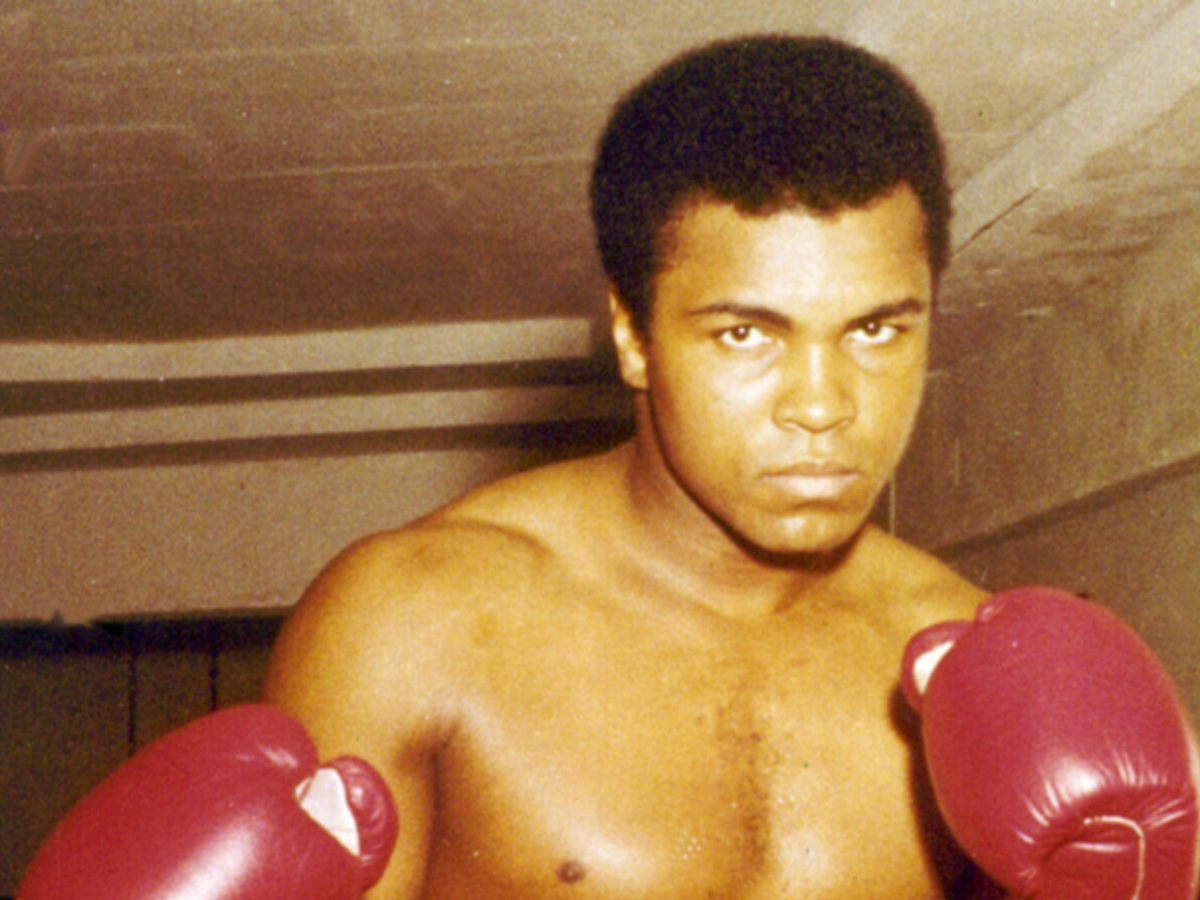
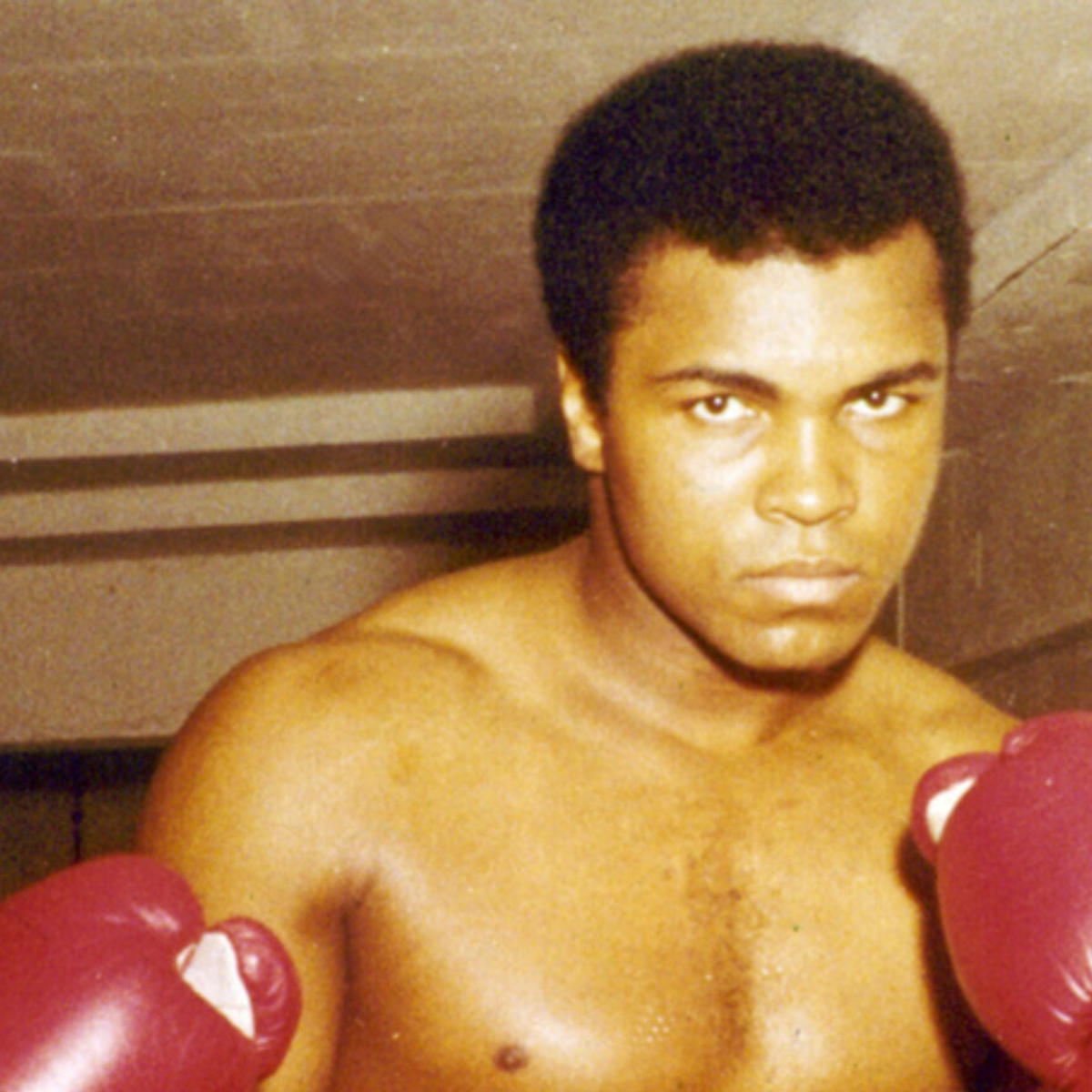
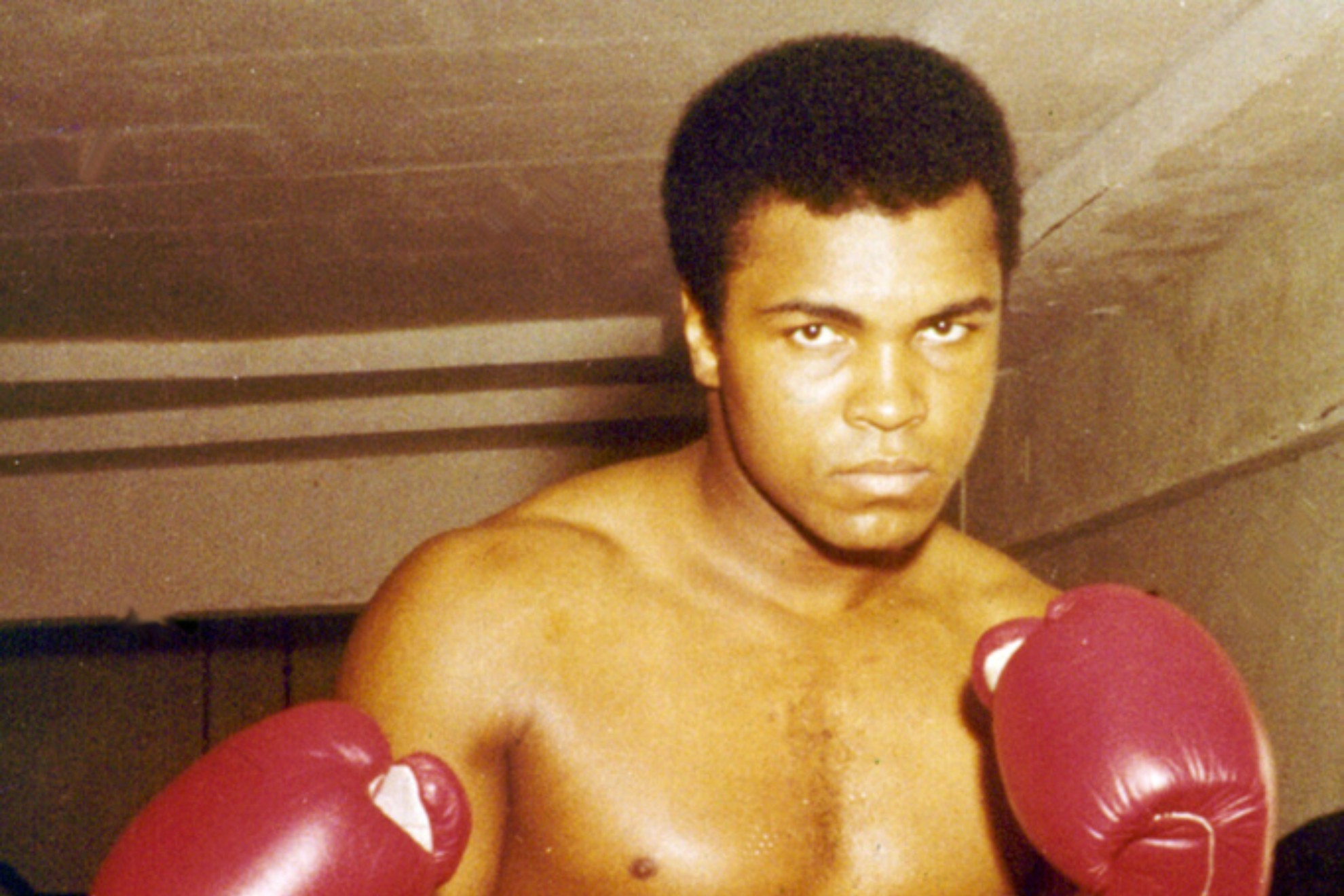
Muhammad Ali, boxer: "It's not bragging if you can back it up"
Muhammad Ali's commitment to social change teaches us that standing up for justice can lead to personal sacrifice, highlighting the ongoing fight against inequality in today's world.
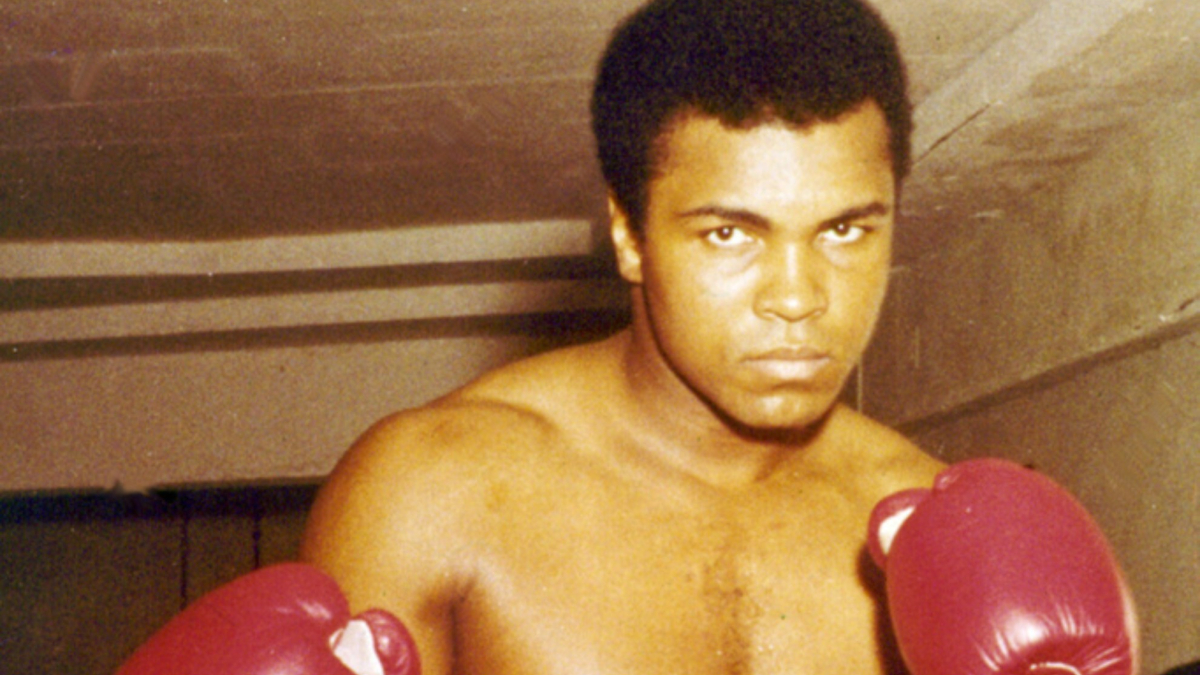
The struggle to find direction in life often leaves individuals feeling lost and frustrated. Muhammad Ali's perspective offers a compelling reflection on this universal human difficulty, as he emphasizes that confidence and self-assurance are essential to overcoming insecurity. He suggests that true validation comes from within, rather than from the opinions of others, pointing out the importance of embracing one's achievements without false modesty.
This notion resonates deeply with those grappling with the anxiety of making mistakes and the fear of failure. By advocating for self-acceptance and resilience, Ali highlights the journey of transformation and growth, encouraging individuals to embrace their unique paths and the lessons drawn from their experiences.
It's not bragging if you can back it up.
To understand the feeling of being lost in life, the thought of Muhammad Ali offers a particularly compelling perspective. His emphasis on the importance of purpose and direction highlights that finding one's true calling is essential to overcoming feelings of confusion and uncertainty. Through his activism and unwavering pursuit of social justice, Ali demonstrated how a clear sense of purpose can provide the necessary motivation to navigate life's complex challenges.
The Power of Words and Actions: Muhammad Ali's Legacy
Muhammad Ali, born Cassius Marcellus Clay Jr. on January 17, 1942, was not only an extraordinary boxer but also a profound activist whose influence transcended the boundaries of sports. Regarded as one of the greatest heavyweight boxers in history, Ali's remarkable achievements in the ring, including winning the heavyweight title three times and an Olympic gold medal, positioned him as a figure of authority in both athletics and activism. His stance against the Vietnam War, which he refused to participate in due to his religious beliefs, sparked critical national and international dialogue on issues like race, religion, and civic duty, solidifying his legacy as a champion for social justice and equality.
Ali's thinking was deeply rooted in themes of activism and identity, often integrating his personal belief system with his public persona. His relationship with the Nation of Islam served as a catalyst for both his transformation and his role in the civil rights movement. Ali's unique boxing style, characterized by agility and footwork, not only revolutionized the sport but also served as a metaphor for fighting against societal norms. Similar to authors like Malcolm X, who inspired him to embrace his cultural identity, Ali's work as a social activist led many athletes to consider their roles in advocating for equality and justice. His philosophy echoed through the words of leaders who fought vehemently for civil rights, intertwining sports with larger societal narratives.
One of Ali's most resonant quotes, "It's not bragging if you can back it up," encapsulates his confidence and the moral underpinnings of his activism. This phrase reflects his belief that true self-assuredness comes from the ability to demonstrate one's values and beliefs through action. Ali wasn't merely a fighter in the boxing ring; he embodied a resilient spirit of activism and civil rights that stood against the tide of societal expectations. Ultimately, this quote serves as a reminder of the importance of integrity and the pursuit of justice, both in the arena of sports and in everyday life.
In our daily lives in the 21st century, Ali's words remind us of the societal pressures to conform and the need for courage to stand up for our beliefs. As people navigate issues of identity, race, and social justice, Ali's unwavering commitment to his principles offers a blueprint for modern activism. The importance of living authentically while advocating for change resonates deeply in contemporary movements, whether they focus on racial equality, environmental justice, or mental health. Ali’s legacy continues to inspire individuals to find their voice, encouraging them to act boldly and challenge the status quo while staying true to their values.