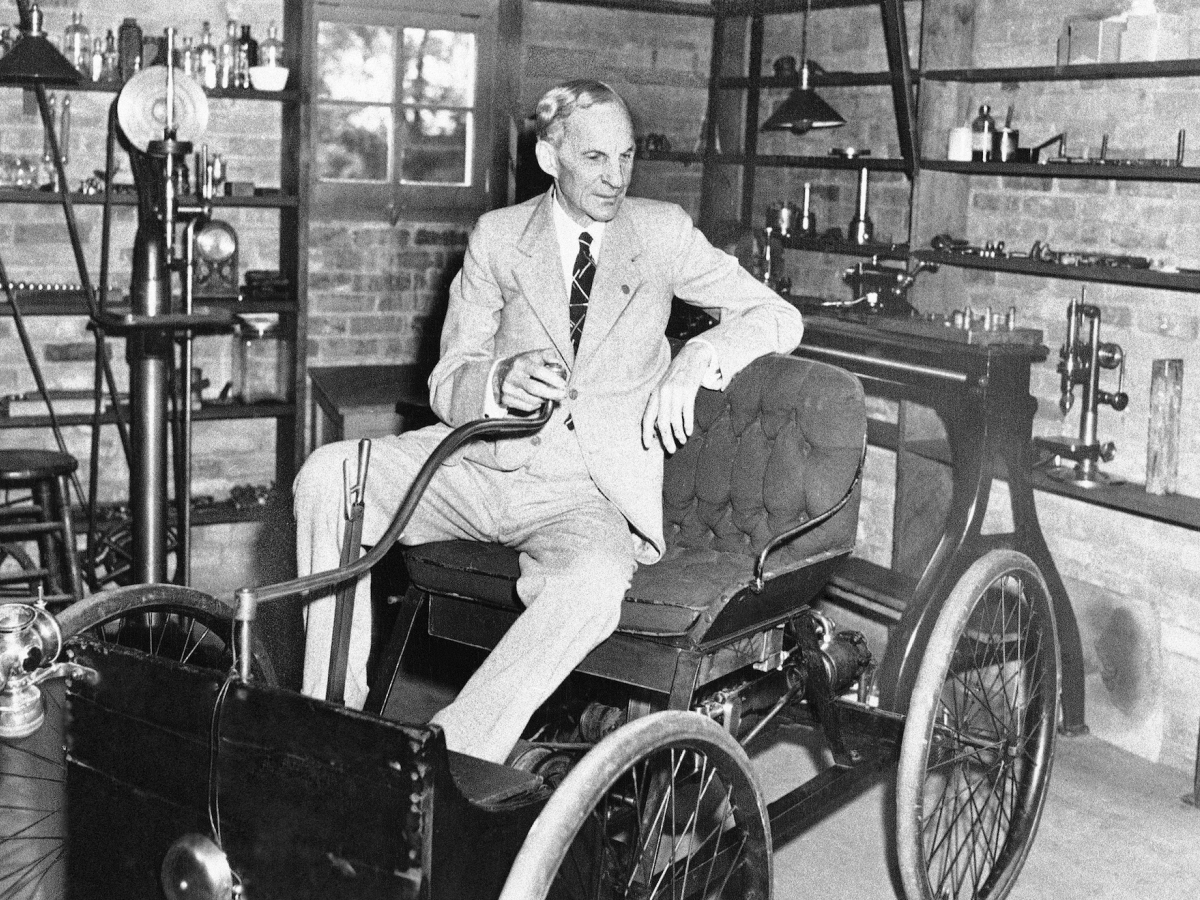
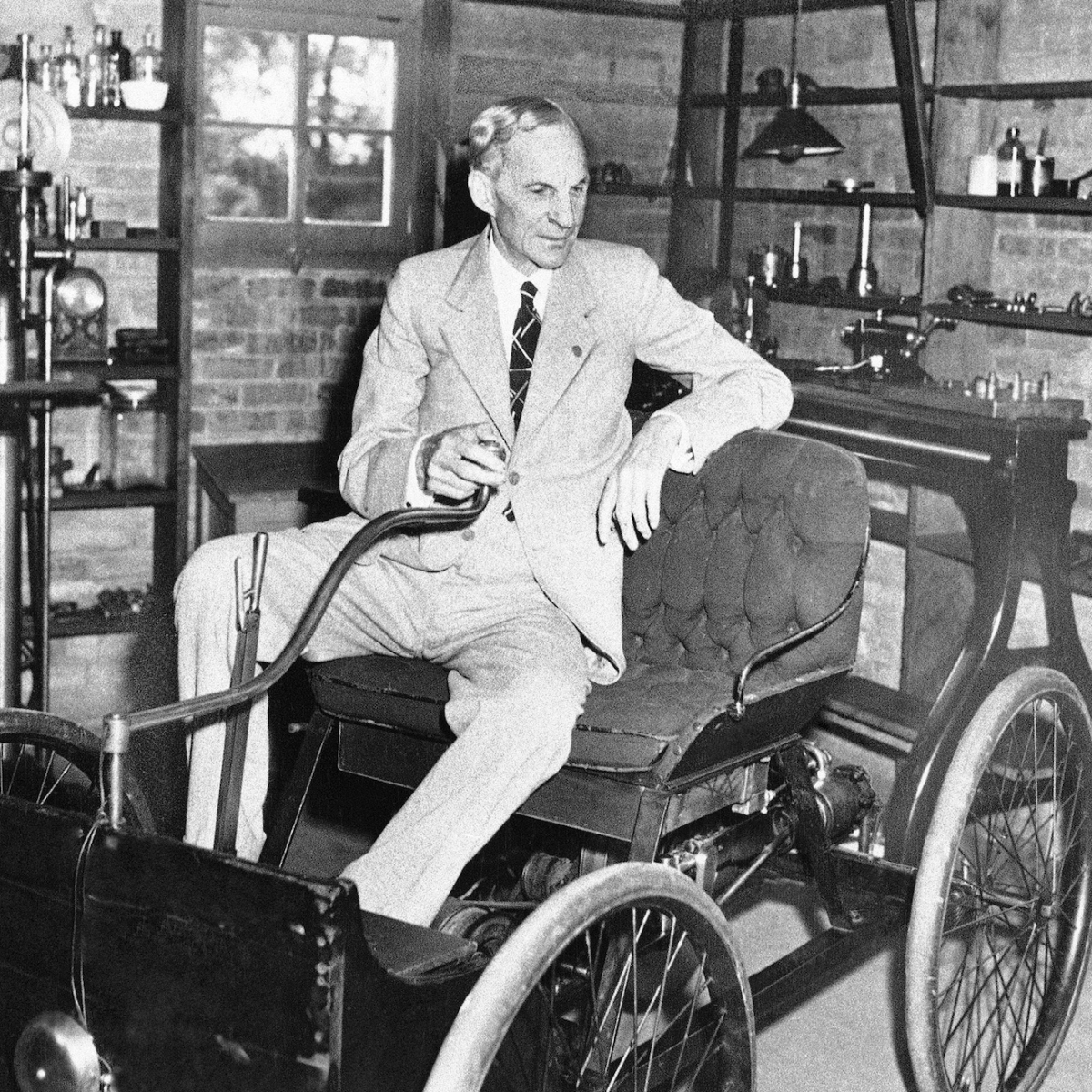
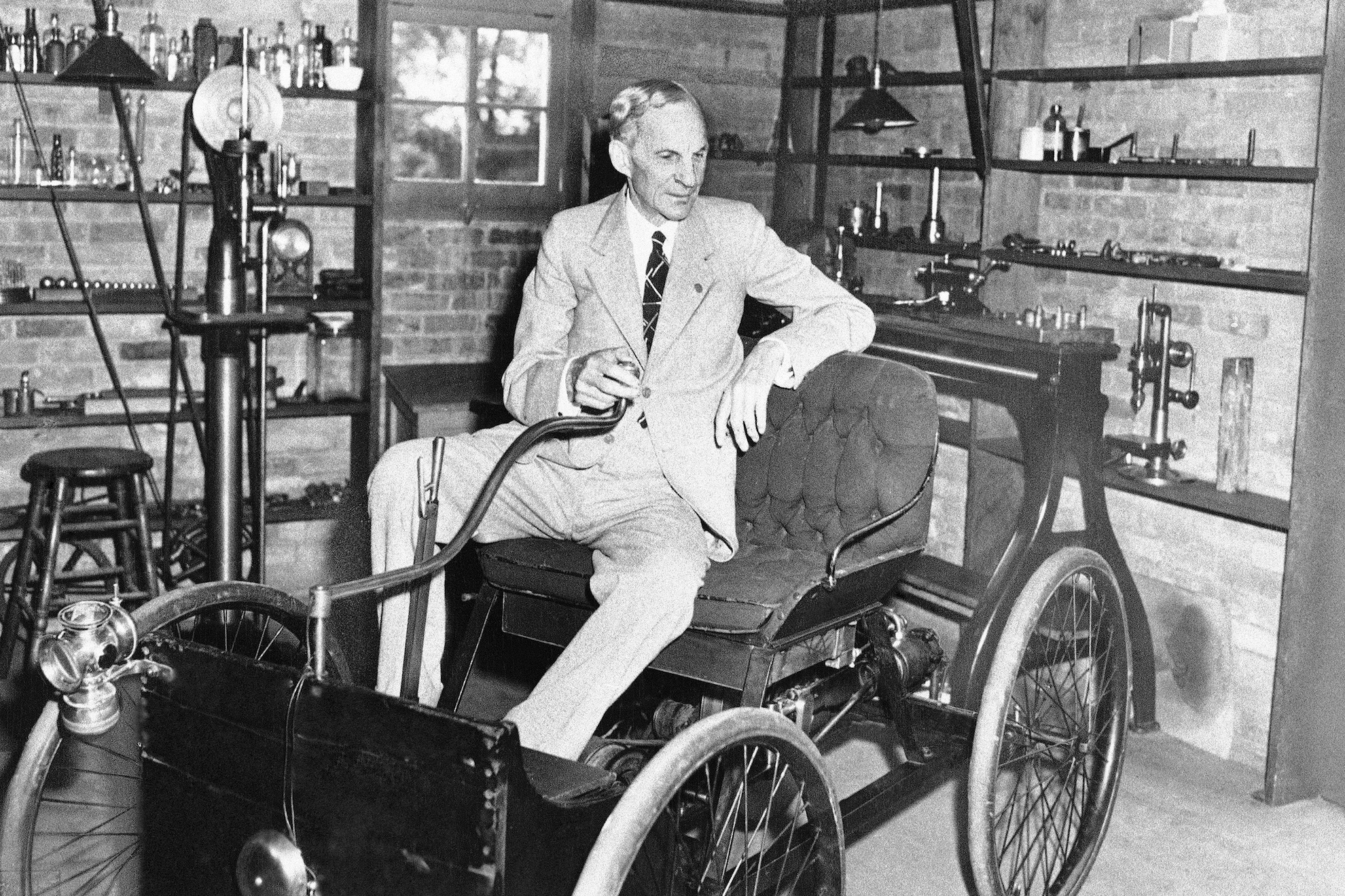
Henry Ford, American industrialist and business magnate: "You can't build a reputation on what you are going to do"
Ford believed promises mean little until they are backed up by consistent action
There is always another plan to talk about. A business will be launched once the timing is right. A difficult project will begin next month. A career change is coming soon.
Someone will finally follow through on the promise they have been making for weeks. Then there is the much harder part: actually doing it.
“You can’t build a reputation on what you are going to do,” Henry Ford once said. The line is short, but it exposes a gap that appears everywhere from business and sport to careers and personal relationships.
Intentions can sound impressive, yet they provide almost no evidence of what somebody can actually deliver. Reputation starts forming when promises are replaced by results.
People remember what happened
Planning has an obvious purpose. Almost every significant achievement begins with an idea, a target and some understanding of how to reach it.
The mistake is treating preparation as though it carries the same weight as execution.
A company can announce an ambitious product, but customers ultimately judge what reaches the market. An employee can promise improvement, but colleagues notice whether deadlines are actually met.
An athlete can talk about becoming fitter or more disciplined, but performance eventually provides the answer. That is what gives Ford’s observation its staying power.
Reputation is built from evidence accumulated over time. Each completed commitment adds something to it, while repeated promises without action gradually weaken it.
Words can introduce an expectation. Actions decide whether anyone believes the next one.
Reliability usually built in small moments
The strongest reputations are rarely created by one spectacular achievement.
They're more often constructed through ordinary consistency, such as arriving prepared, doing what was agreed, admitting mistakes and correcting them without needing to be chased.
That can feel less exciting than talking about a huge ambition, but it is far more persuasive.
Someone who repeatedly delivers eventually needs fewer explanations because their record begins speaking on their behalf.
The opposite is also true. Continually promising that things will be different can eventually make even sincere intentions difficult for others to trust.
Ford ’s quote therefore carries a lesson about patience as much as productivity.
Changing your reputation starts with behavior
The principle can also be encouraging for anyone trying to recover from a poor reputation.
People don't have to remain defined permanently by previous failures, but convincing others that change has happened usually requires more than saying so.
The most powerful response is sustained evidence. Do the work. Keep the commitment. Repeat the behavior long enough that the old perception no longer fits what people are seeing.
Recognition may not arrive immediately, and that can be frustrating. Reputation often changes more slowly than behavior. That doesn't make the effort pointless.
Ford ’s message is ultimately about closing the distance between intention and action. Ambition can point toward the person someone hopes to become, but reputation belongs to the person their actions have already revealed.