The SUV That Could Change the Way America Drives
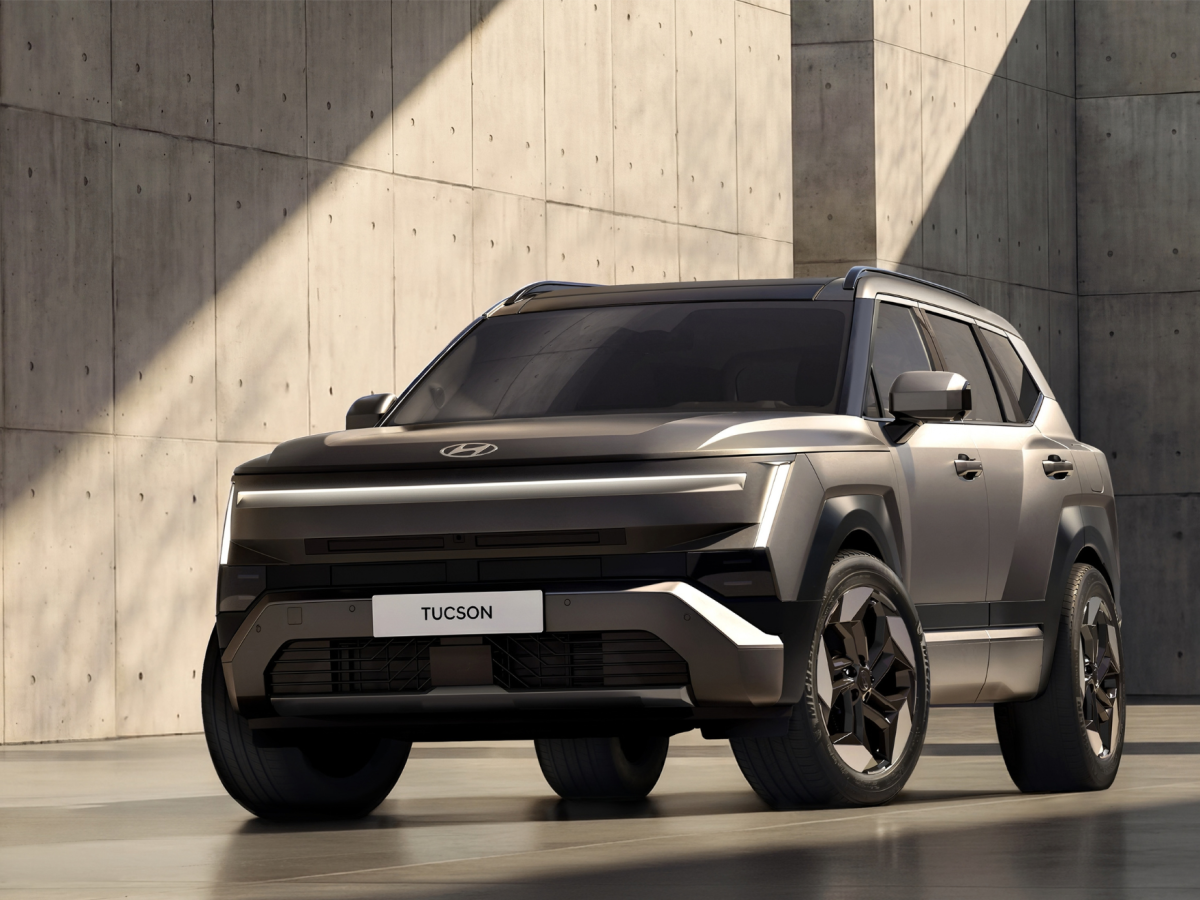
Hyundai just gave one of its most important SUVs a major makeover. I got my first look at the all-new Tucson in New York, and it is clear this is more than a styling update. The new generation is larger, more muscular and significantly more focused on technology, while Hyundai is also pushing the Tucson further into hybrid efficiency and weekend adventure.
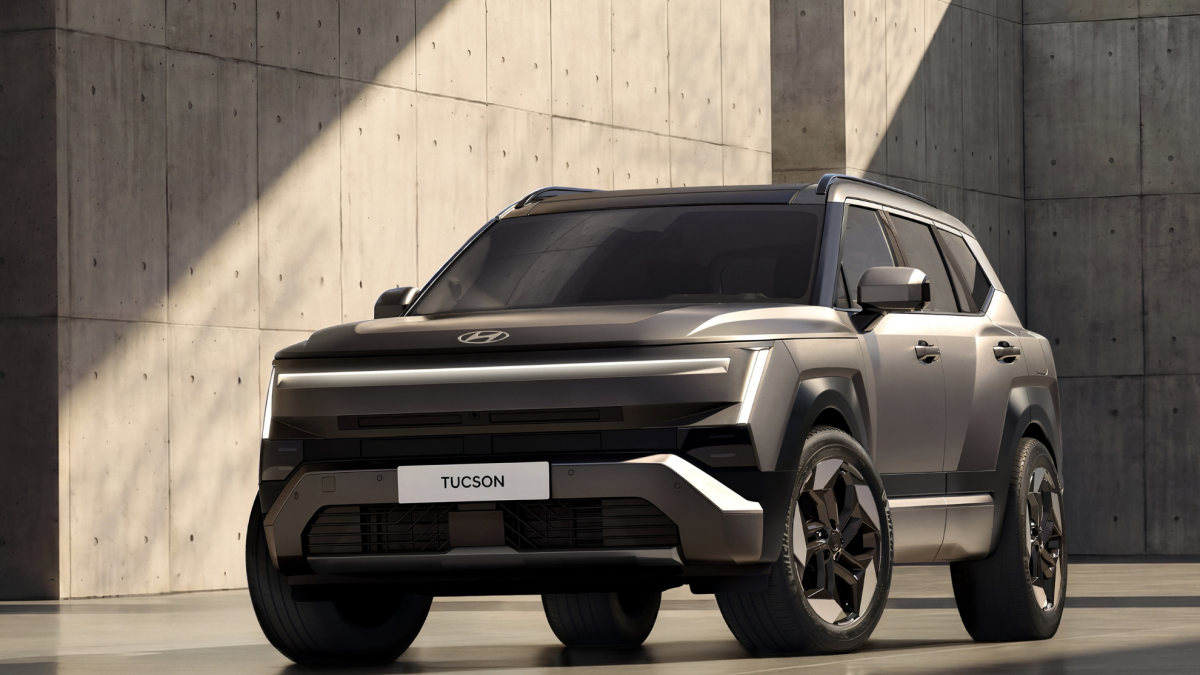
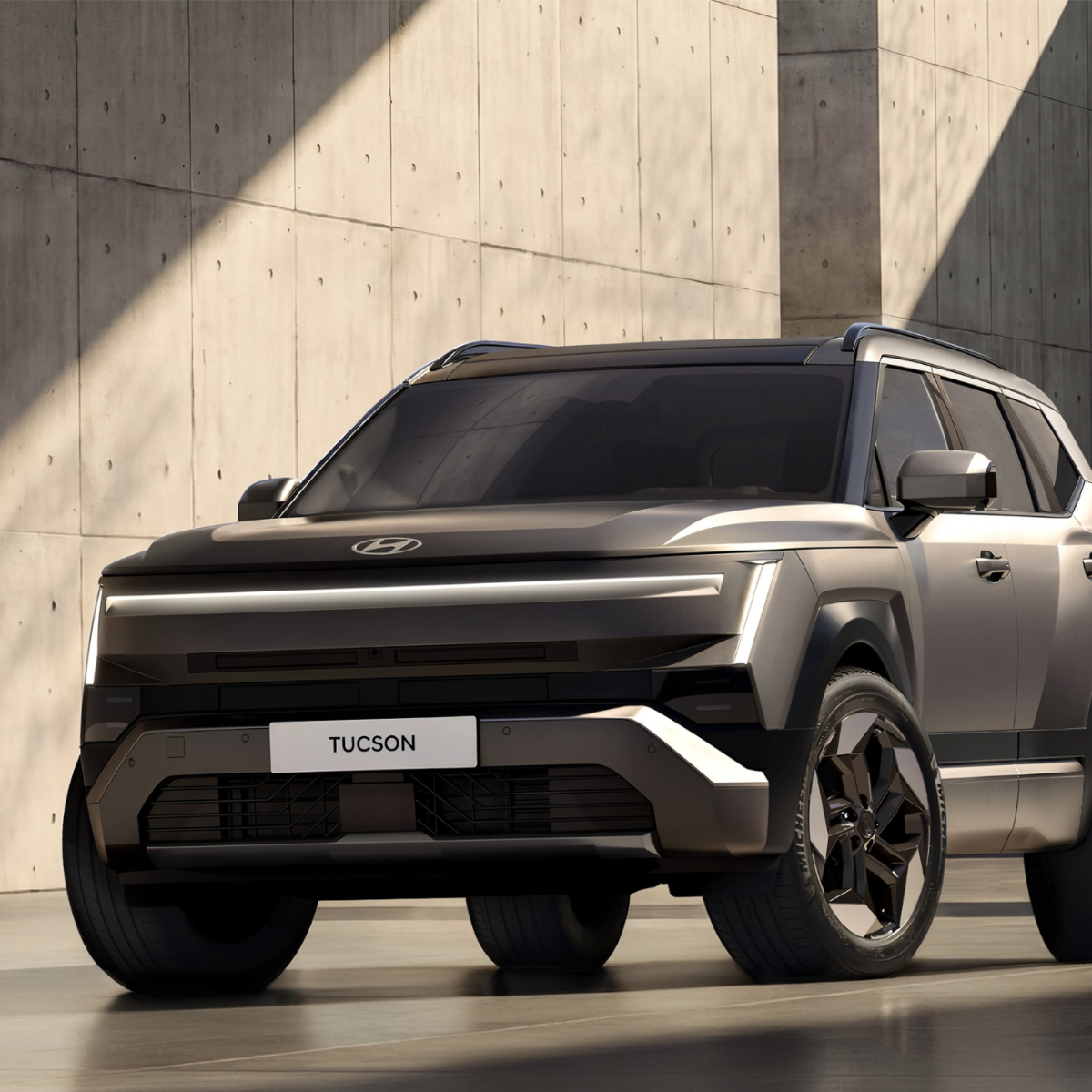
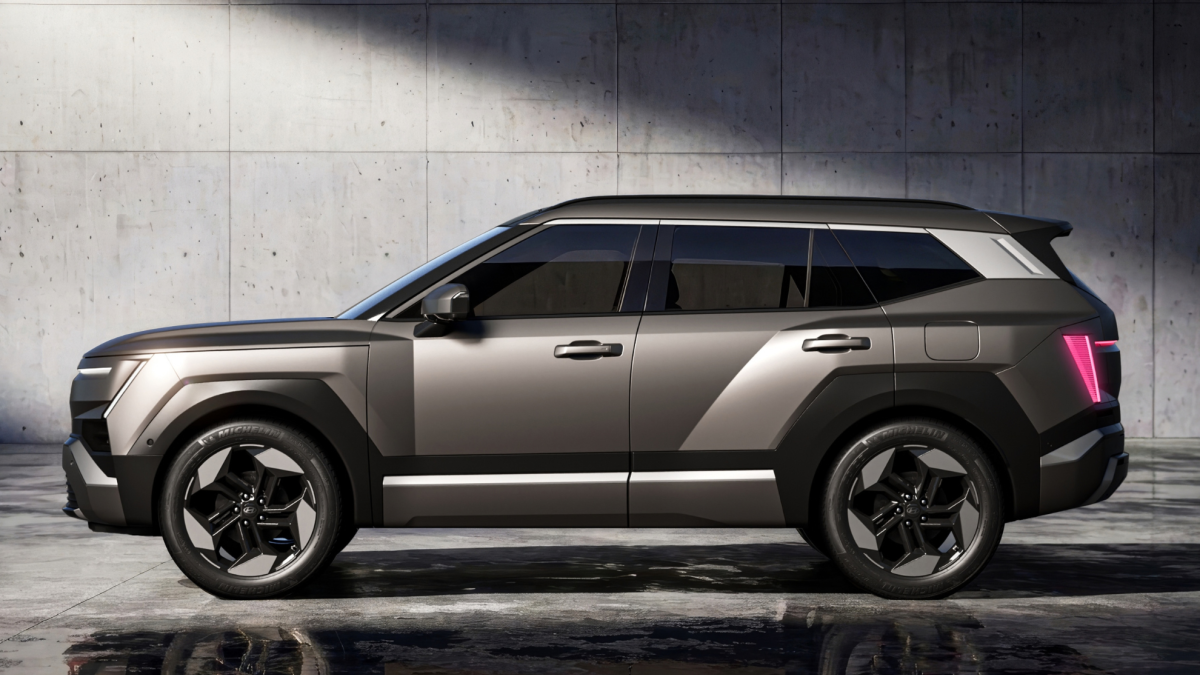
The global debut took place against the Manhattan skyline, an appropriate setting for a vehicle Hyundai describes as its “Boldest SUV.” The Tucson adopts the brand’s new “Art of Steel” design philosophy, with pronounced fenders, cleaner body surfaces and a wider stance that gives it a more substantial presence on the road.
The numbers confirm that this is a bigger SUV. The long-wheelbase version stretches 4,700 mm, or about 185 inches, making it 60 mm longer than the outgoing model. It is also 40 mm wider and 20 mm taller, while the wheelbase grows by 30 mm. Hyundai says those changes translate into additional interior space without losing the versatility that has made the Tucson one of its most important global products.
Since its introduction in 2004, the Tucson has accumulated more than 11.1 million global sales, making it Hyundai’s best-selling SUV worldwide. The United States represents roughly 20 percent of those cumulative sales, and hybrid demand has become particularly important. In 2025, hybrids represented 31 percent of Tucson sales in the U.S.
A hybrid that focuses on efficiency and performance
The new Tucson’s biggest mechanical story is Hyundai’s next-generation hybrid system. The North American hybrid targets up to 42 mpg with front-wheel drive and 17-inch wheels, while producing 233 horsepower. Hyundai quotes a 0-60 mph time of 8.5 seconds.
The idea is not simply to maximize fuel economy. Hyundai says the new system is designed to balance efficiency with driving performance, and the Tucson HEV also introduces E-Traction technology to improve grip and stability when cornering.
There is also a Plug-in Hybrid version in select markets, combining a 1.6-liter turbocharged engine with an electric motor for a total 292 PS and an estimated 81 kilometers, or about 50 miles, of electric range. A 7.2-kW onboard charger allows charging at home or public stations.
For buyers who prefer a conventional gasoline powertrain, the new Tucson will also offer a 1.6-liter turbocharged engine producing 184 horsepower in the U.S. specification.
The cabin gets a technology makeover
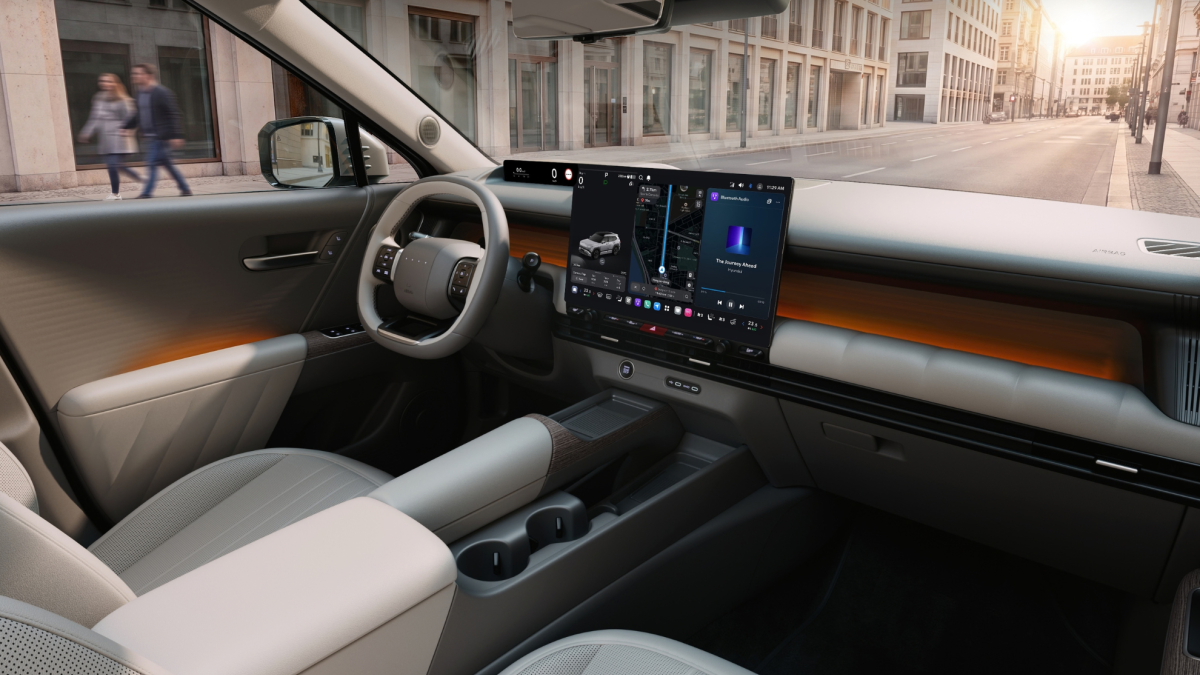
Inside, Hyundai has moved away from the traditional SUV dashboard and created a more open, furniture-inspired cabin. The instrument panel uses a two-layer design, while tactile controls remain below the central display for functions such as climate and audio.
That decision caught my attention because Hyundai is trying to solve one of the biggest problems with increasingly digital interiors: putting everything behind a touchscreen. The new Tucson combines physical controls with larger displays, including a 17-inch or 12.9-inch center screen depending on configuration and a 9.9-inch display positioned above the steering column.
The infotainment system is also new. Pleos Connect is based on Android Automotive OS and is designed to evolve through over-the-air updates. At the center of the experience is Gleo AI, Hyundai’s in-car conversational assistant.
Instead of searching through menus, drivers can use natural language to make requests. Hyundai’s example is asking the system to find a hiking trailhead with parking within 30 minutes . The goal is to make the technology feel more like an assistant and less like another screen to operate.
The cabin also gets practical upgrades, including dual 15-watt wireless charging pads, 100-watt USB-C charging and additional storage. The longer body provides up to 1,064 mm of rear legroom, while cargo capacity reaches 41.7 cubic feet under SAE measurements.
Tucson XRT PRO takes the SUV off the pavement
Hyundai is also expanding the Tucson’s personality with the XRT PRO, a version designed specifically for buyers who want more capability away from the pavement.
The XRT PRO features all-wheel drive, all-terrain tires, increased ground clearance and front recovery hooks. Ground clearance rises to 210 mm, approximately 30 mm more than the standard Tucson.
The biggest technology addition is Smart Terrain Assist, Hyundai’s first system of its kind. It evaluates terrain difficulty, traction and wheel slip and provides the driver with visual guidance. Target Speed Control can also manage acceleration and braking at low speeds on challenging terrain.
There is a Ground View Monitor for better visibility around the vehicle, Memory Reversing Assist that can help with steering while backing through narrow spaces, and Trailer Reverse Assist for easier maneuvering when towing.
For North American HEV models, towing capacity reaches 3,000 pounds, a significant increase over the previous generation.
A more comfortable place to spend time
Hyundai has also put considerable attention into making the Tucson a more comfortable vehicle for everyday use.
The interior incorporates softer surfaces and what Hyundai calls a more “furnished” approach to the cabin. Available features include Ergo Motion Seats with pneumatic lumbar and bolster massage, while a Relaxation Comfort Seat allows the passenger to recline at the touch of a button when the vehicle is parked.
The company has also developed a Multi-Air Mode system that distributes climate-controlled air through multiple vents and the floor rather than directing a strong stream of air directly at occupants.
Safety technology gets a significant upgrade as well. The Tucson can monitor driver eye activity and drowsiness, detect children or pets left inside the vehicle and provide navigation-linked assistance for curves, intersections and other road conditions.
Hyundai sees the Tucson as the beginning of something bigger
For José Muñoz , Hyundai Motor Company’s President and CEO, the new Tucson represents more than another model update. It is part of a much larger product strategy.
“Millions of families around the world count on the Hyundai TUCSON, and this is the best one we have ever built,” Muñoz said. “Its combination of bold design, generous cabin space, seamless infotainment, and available hybrid efficiency sets a new standard for what customers should expect in this segment.”
Muñoz also pointed to Hyundai’s broader product offensive, which calls for more than 100 new and refreshed vehicles globally by 2030, including 58 in North America.
That makes the Tucson an important vehicle to watch. Hyundai is using one of its best-known nameplates to bring together several of the trends defining the next generation of SUVs: hybrid efficiency, larger digital interfaces, conversational AI, increased interior comfort and more capable off-road technology.
The new Tucson will launch first in Korea later this year, with North America, Europe and other global markets following in 2027.