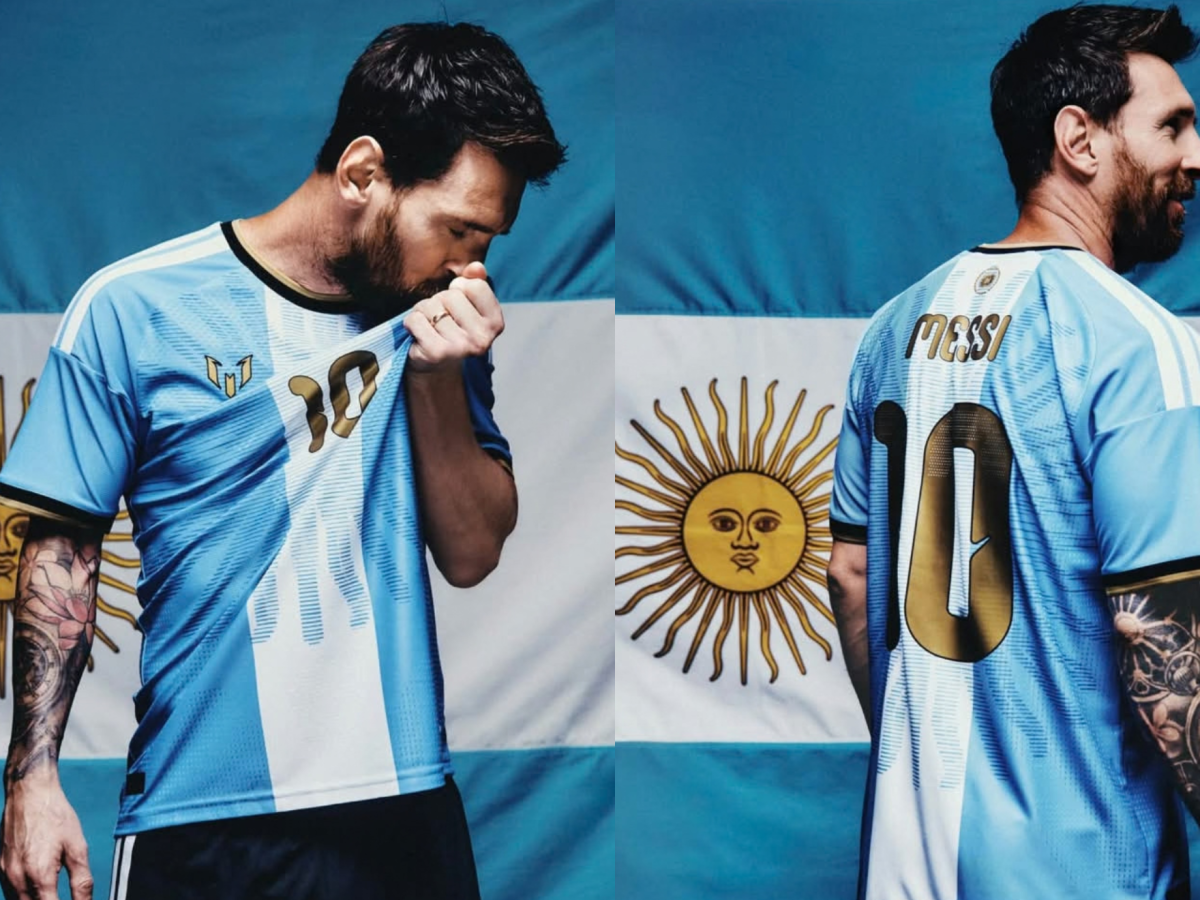
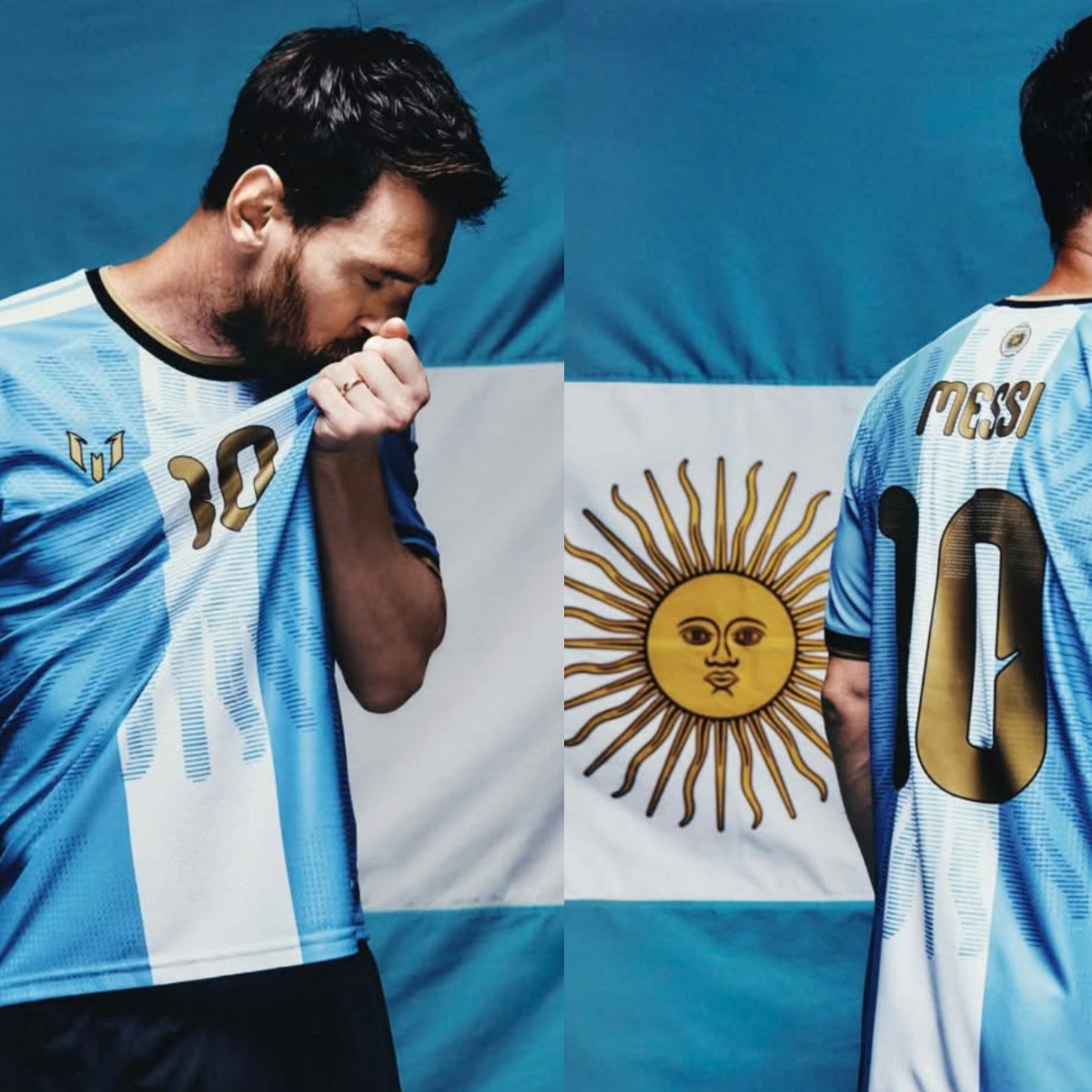
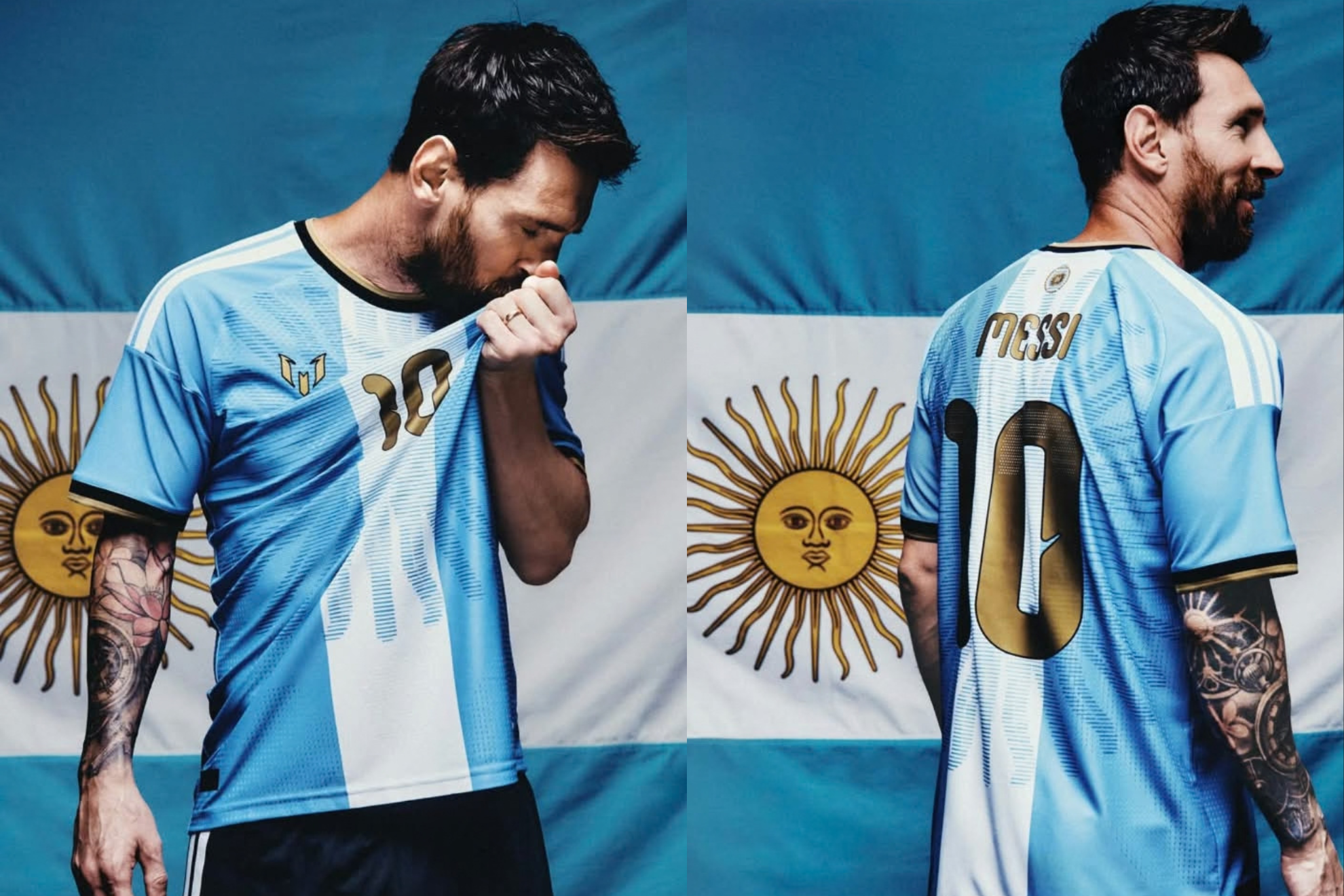
From a red card after 47 seconds to kissing the World Cup: the incredible story of Messi that changed Argentine football forever.
The captain says goodbye this Tuesday against Benin at the Monumental after more than two decades with the Albiceleste. Budapest, Rio, Quito, Wembley, Lusail, and New Jersey were the settings for a story marked by tears, resignations, records, and a glory that took years to arrive.
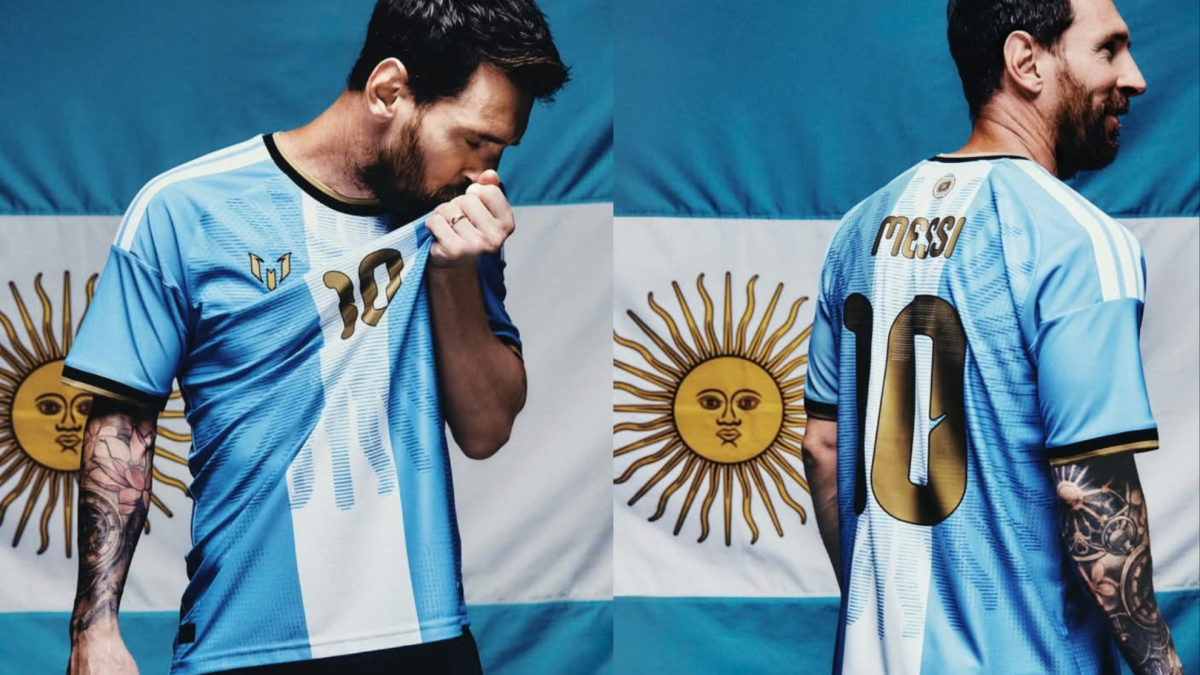
L ionel Messi's first adventure with the Argentina National Team lasted just 47 seconds . The final performance will begin more than 21 years later, in front of a packed Monumental stadium and with a country ready to say goodbye. Between those two images fits practically an entire footballing life: defeats that seemed definitive, a resignation that shocked the world, nights of redemption and, finally, the scene that for years seemed impossible: Messi lifting the World Cup.
This Tuesday, against Benin, the number 10 will put on the albiceleste jersey for the last time. He arrives at his farewell with 207 matches, 125 goals, and 66 assists for the senior national team, according to the official AFA records. His participation in the tribute at the Monumental will bring his total to 208 appearances . An extraordinary figure, although insufficient to explain what happened over those more than two decades.
A beginning no one could have imagined
At 18, Messi had already given an early sign of the footballer he could become by taking part in the 2005 U-20 World Cup. He scored six goals, netted Argentina's two in the final against Nigeria, and finished the tournament with the Golden Boot and the Golden Ball.
On August 17, 2005, just a few weeks after taking part with the Under-20 team, he made his debut for the senior national team against Hungary in Budapest. José Pekerman sent him onto the field in the 63rd minute, Messi received the ball, Vilmos Vanczak grabbed his shirt, and the Argentine responded by trying to break free with his arm. The referee interpreted it as aggression. Red card. 47 seconds had passed . FIFA still remembers that episode as one of the strangest international beginnings of a superstar.
The first great joy would come in Beijing 2008 . In a squad of enormous stature that included Sergio Agüero, Ángel Di María, Javier Mascherano and Juan Román Riquelme, Messi won the Olympic gold medal. There was still a long way to go before carrying those triumphs with the youth teams over to the senior national team, where his relationship with Argentina would go through a much more painful period.
Brazil 2014: the World Cup that almost changed everything
The 2014 World Cup in Brazil was Messi's first great opportunity to touch glory with the senior national team.
He scored four goals in the group stage, including the dramatic strike against Iran and a brace against Nigeria, and in the round of 16 he assisted Ángel Di María for the goal that eliminated Switzerland . Argentina advanced to the final after getting past Belgium and the Netherlands, while Messi established himself as the offensive محور of a team that was returning to a World Cup final after 24 years.
At the Maracanã, Argentina fell 1-0 to Germany due to Mario Götze's goal in extra time, after having had several chances to take the lead.
Messi finished the tournament with four goals, one assist, and the Golden Ball for the best player of the World Cup, but the image that remained was another one: walking just a few centimeters from the Cup before receiving his award.
The blow was even greater two years later. Argentina lost again to Chile in the final of the 2016 Copa América Centenario, Messi missed his penalty in the shootout and, completely devastated, uttered a phrase that seemed to bring the story to a close:
“It’s over for me with the national team”. It was his fourth lost final with Argentina.
But that goodbye barely lasted 66 days. After a conversation in Barcelona with Edgardo Bauza, the new Argentina coach, Messi returned against Uruguay, scored the winning goal and once again took the lead of the Albiceleste. The wildest display would come in October 2017: Argentina were on the ropes in the qualifiers for Russia 2018, they started by losing to Ecuador in Quito and Messi responded with a hat-trick that took the team to the World Cup.
Maracanã: the night when everything changed
It was necessary to wait until July 10, 2021 for one of the heaviest burdens of his career to finally disappear. Argentina defeated Brazil 1-0 at the Maracanã with a goal by Ángel Di María and Messi won his first major title with the senior national team.
The image was different from all the previous ones. This time Messi did not walk alongside someone else’s Cup nor end up sitting alone after a defeat. He fell to his knees on the grass and, within seconds, all his teammates ran toward him. After years of hearing that with Argentina he could not repeat what he had achieved in Barcelona, he had torn down the barrier that seemed impossible. Not only did he manage to embrace his teammates, but he created an unbreakable bond with the entire Argentine people . That triumph ended 28 years without titles for the senior national team and opened the most successful stage of Messi’s career wearing the Argentina shirt.
A year later came the Finalissima against Italy at Wembley. Argentina won 3-0 and confirmed that that Copa América had not been an isolated episode. Lionel Scaloni's team had found an identity, and Messi, surrounded by a generation that had grown up admiring him, seemed to finally play freed from the burden he had carried for much of his career.
Qatar: the kiss that changed the whole story
And then Qatar 2022 arrived.
Argentina started by losing unexpectedly to Saudi Arabia and once again found itself staring into the abyss.
In the next group-stage match , Messi scored against Mexico, the team reacted and began a run that ended up becoming one of the most extraordinary stories in World Cup history.
Messi scored in the round of 16 against Australia, in the quarterfinals against the Netherlands, in the semifinals against Croatia, and twice against France in the final.
Argentina survived the 3-3 draw and won on penalties in what is considered one of the best finals in World Cup history.
At 35 years old, in his fifth World Cup, the captain finally lifted the trophy he had pursued throughout his entire life . He finished with seven goals and was named the tournament’s best player.
The photograph of Messi kissing the World Cup was much more than just another celebration . It abruptly put an end to all those debates about his relationship with Argentina: the Maracanã in 2014, the finals against Chile, the 2016 retirement, and the years in which every defeat became a judgment on his figure.
At the 2024 Copa América, Argentina were crowned champions once again after defeating Colombia in Miami. Messi had to leave that final injured and in tears, a gesture that was among the most amateurish in football but that showed how deeply the sport reached his very core.
Lautaro Martínez appeared in extra time to give the captain another continental title.
The last World Cup still had one more madness in store
At 39 years old, Messi decided to play in the 2026 World Cup and once again defied all logic.
He scored eight goals, won the Silver Boot, and led Argentina to another final. In the semifinals he did not score against England, but he provided both assists in the 2-1 comeback: Enzo Fernández equalized in the 85th minute and Lautaro Martínez scored the qualifying goal in the 90+2.
Spain prevented the perfect ending. Ferran Torres scored in the 106th minute of extra time and La Roja defeated Argentina 1-0 in New Jersey. Messi ended his sixth World Cup with 21 goals in 34 World Cup matches and another final played. Weeks later, he announced his international retirement.
But one scene was still missing.
It couldn’t end in New Jersey. He couldn’t do it far from home. That’s why Argentina and the AFA organized this final match against Benin at the Monumental under a phrase that sums up better than any statistic what will happen this Tuesday: “The night no one wants to end.”
More than two decades after that long-haired boy who walked off in tears after receiving a red card 47 seconds into his debut, Messi will once again walk onto a field wearing the Argentina shirt. This time there will be no other World Cup to chase, no other revenge to await, nor another final left unfinished.
All that will remain is to say goodbye and keep enjoying the greatest footballer of all time.