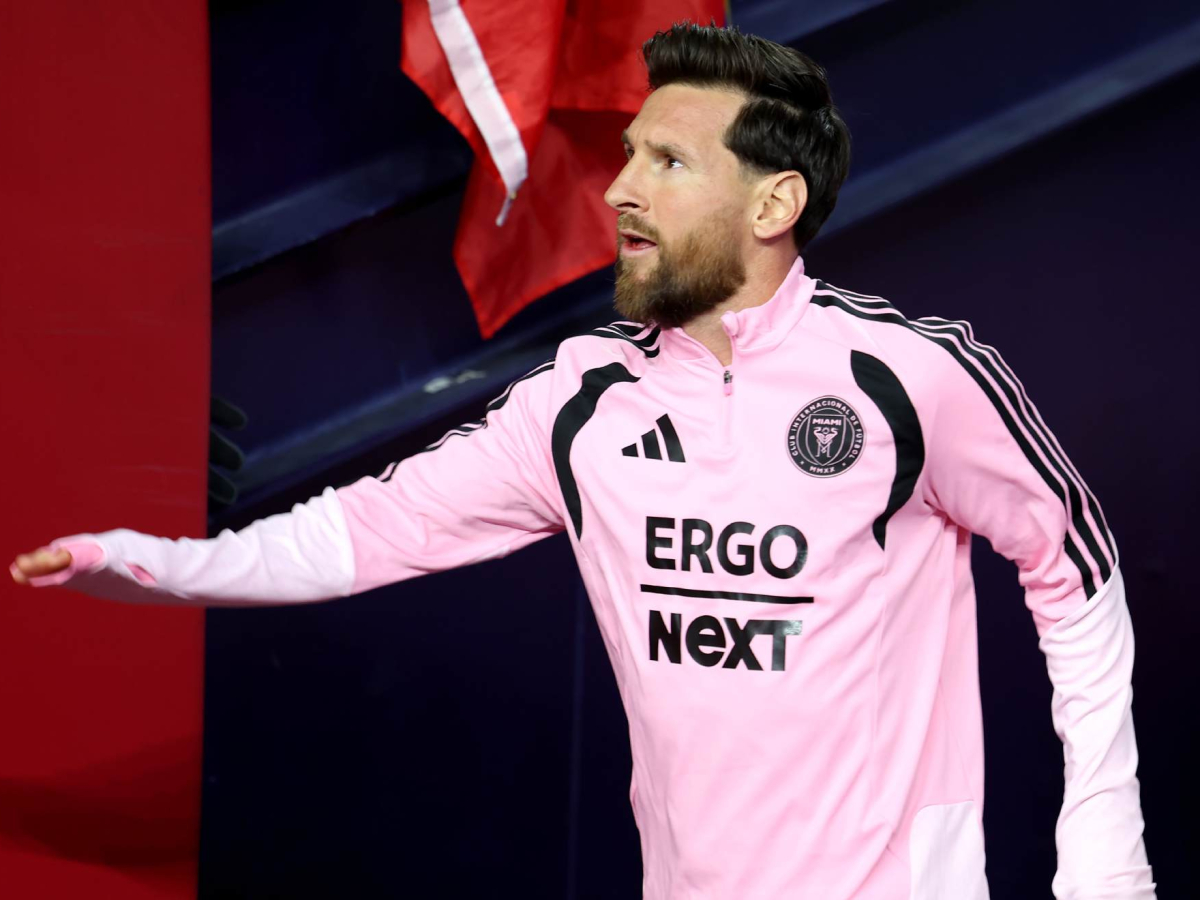
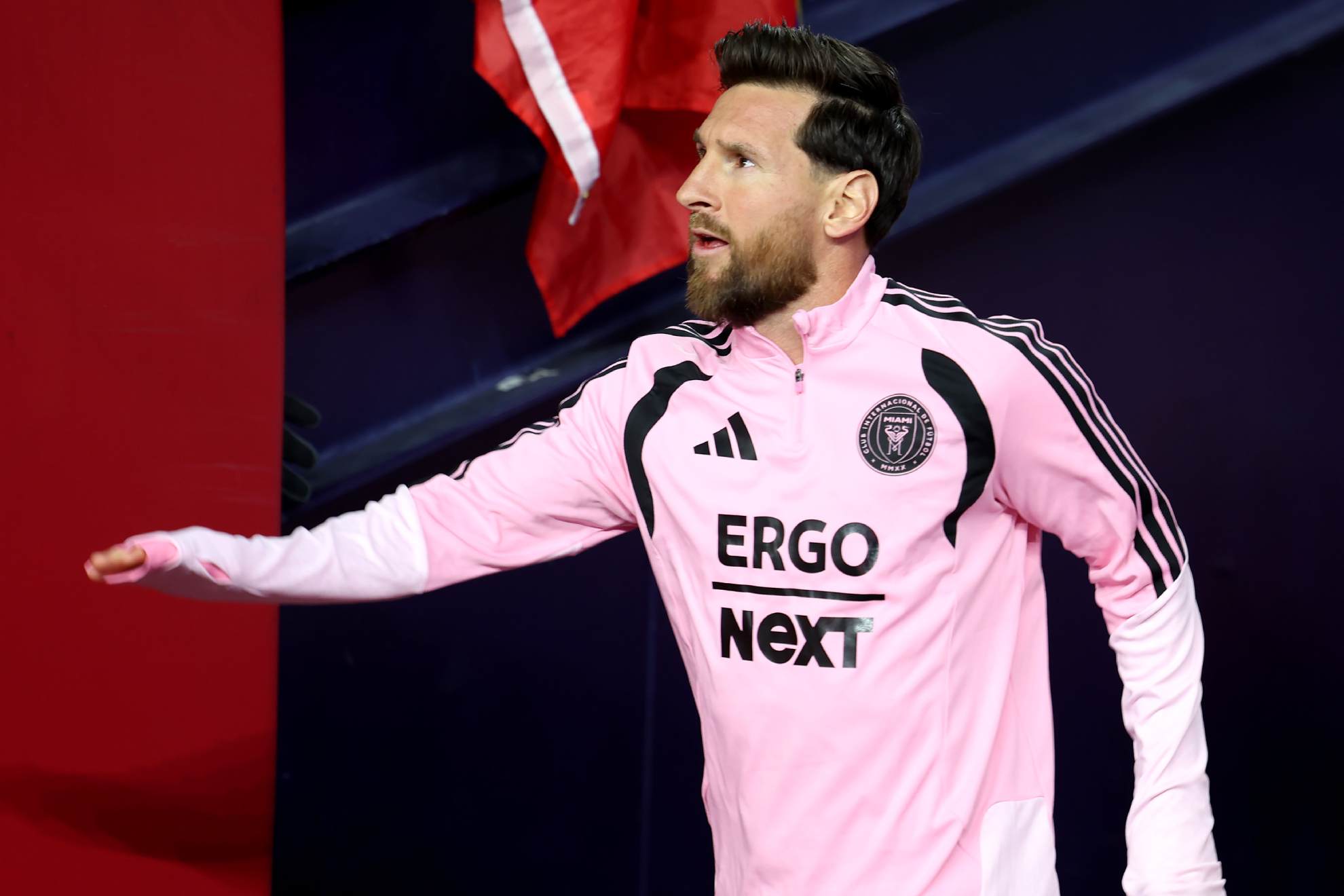
Why did Messi stop running at 24? the report that studies the evolution of the Argentine footballer
The longevity of the Argentine star in the world elite is not the result of chance, but of a profound tactical metamorphosis
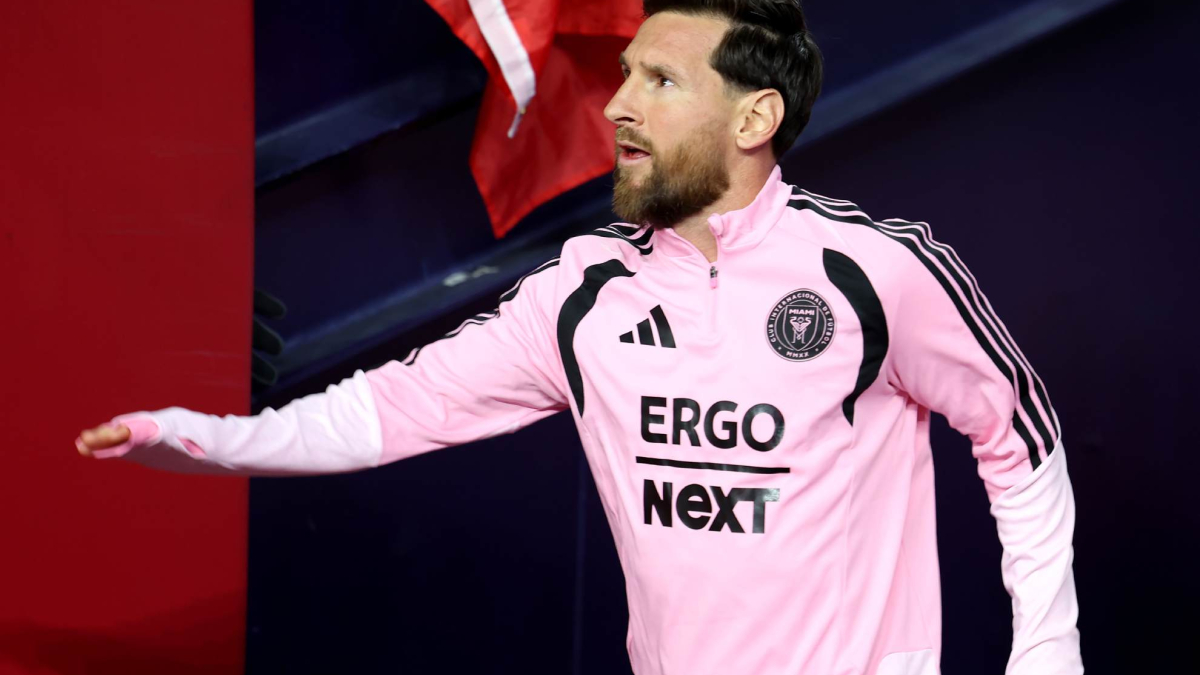
The longevity of Lionel Messi in professional soccer continues to defy any historical precedent . While the vast majority of players suffer a noticeable physical decline after turning thirty , the Argentine captain has managed to remain at the top of the world game thanks to constant adaptation. Far from relying exclusively on the explosive speed that characterized him in his youth, the forward built a career based on tactical intelligence and on the meticulous optimization of his physical efforts .
An in-depth analysis produced by Spanish content creator and analyst Pedro Sáez has brought the keys to this transformation to the table. According to this detailed study, the Rosario native changed his role on the field as many as five times over the course of twenty years of his professional career . Each of these changes not only responded to the needs of his respective teams, but also to an intuitive strategy to conserve energy and delegate the physical wear and tear to his teammates.
The turning point in this evolution was, curiously, when the player had barely passed the first years of his twenties. From that moment on, the way the forward understood the game changed radically : he went from being an electric, unstoppable winger to becoming a cerebral strategist who walks the pitch to read the spaces before anyone else . The different stages under the guidance of emblematic coaches ultimately shaped a collective structure designed exclusively to shield him from the demands of defensive tracking back.
From the burst on the wing to Frank Rijkaard's ingenuity
In his early flashes wearing the Barcelona shirt under Frank Rijkaard's technical direction, Messi's version was that of a pure right winger, characterized by dazzling acceleration and an innate ability to cover dozens of meters leaving opponents behind along the way. The Dutch strategist was one of the first to notice that demanding constant effort from the young talent in winning back the ball would take away freshness from his main virtue : creating an imbalance in the final third of the pitch.
At that time, the blaugrana side revolved around established figures such as Ronaldinho and Samuel Eto"o , which allowed the Argentine to develop without the absolute pressure of leading the team . The right wing functioned as his natural habitat, an open space where he could receive with an advantage and exploit his one-on-one ability without the need to make major horizontal movements in his own half .
The revolution of the "false nine" with Pep Guardiola
The deepest and most decisive transformation in the career of the Albiceleste captain took place in 2009 with Pep Guardiola’s arrival on the Catalan bench. The Catalan coach understood that confining Messi to the wing limited his overall impact, so he decided to reposition him in the center of the attack under the historic role of “false nine” . This move not only revolutionized the tactical board of world football, but also marked the beginning of his conscious energy saving .
By breaking away from a fixed reference point in the opposing area, the Rosario-born player began to drop back to link up with the midfielders, creating constant doubt in the rival center-backs: step out to press him or hold the defensive line . With Xavi Hernández and Iniesta maintaining possession, Messi found the ideal context to start walking the pitch, observe the opponent's weaknesses, and choose with surgical precision the exact moment to accelerate.
The tactical shielding of "MSN" and Luis Enrique's era
With Luis Enrique's arrival on the bench starting in 2014, Barcelona's attacking machinery was transformed by the legendary forward line made up of Neymar, Luis Suárez, and Messi himself . In this period, the fundamental adjustment to prolong the Argentine's prime fell on the tactical effort of midfielders such as the Croatian Ivan Rakitić, who took on the responsibility of providing systematic cover on the right flank .
This structure allowed the Argentine forward to completely shed his pressing and defensive tracking duties. His role became that of a complete orchestrator: he dropped deep to organize the play, threaded decisive passes, and got into the box with his energy intact thanks to his teammates making up for the dirty work in winning back possession.
Ernesto Valverde's management and the art of walking the pitch
The arrival of Ernesto Valverde in 2017 consolidated a new phase in the star's footballing maturity, underscored by the need to reorganize the team after Neymar's departure. The coach implemented a compact system that exempted the Rosario native from any hint of pressing during the opponent's buildup , turning him into a free attacking midfielder with full authority to manage his time and regulate the rhythm of matches.
It was during this period that the image of the "walking Messi" began to spark various public debates, being wrongly interpreted as a lack of interest when in fact it was an advanced exercise in spatial reading . The player used moments off the ball to scan the opponent's defensive weaknesses, identifying spaces invisible to everyone else and appearing in lethal fashion only when the play required it.
The climax with Lionel Scaloni and the definitive crowning
The final cycle of this metamorphosis found its fullest expression in the Argentina National Team under the tactical leadership of Lionel Scaloni . The Albiceleste coaching staff understood that collective success depended on building an invisible ecosystem of physical sacrifice around their captain . Players like Rodrigo De Paul, Enzo Fernández, and Alexis Mac Allister became the engines responsible for running, pressing, and winning back what the No. 10 was no longer willing to wear himself out doing.
This collective architecture allowed the forward to shine with a light of his own at the 2022 Qatar World Cup and maintain his competitive relevance in the years that followed . The team functioned like a precise support machine that enhanced his tactical intelligence, demonstrating that knowing how to walk the pitch at the right time is, in fact, the most refined way to dominate the modern game.