Messi vs. Cristiano Ronaldo career endings are very different for the two GOATs
Their contrasting situations also reflect the evolution of their playing styles
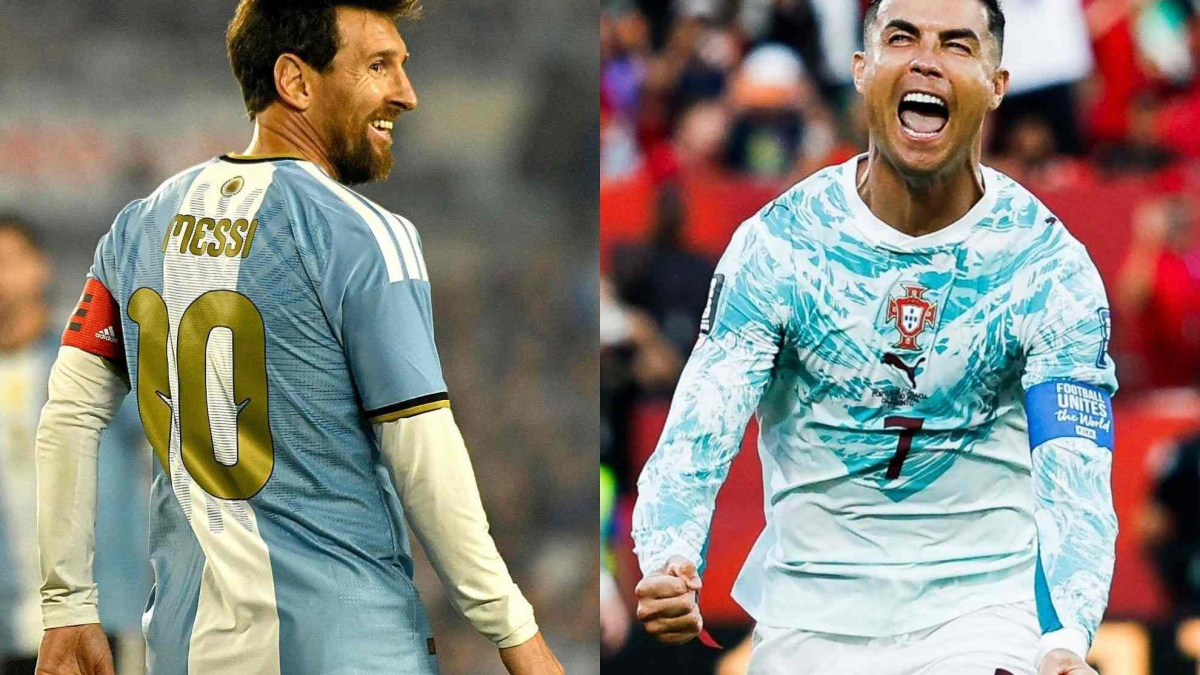
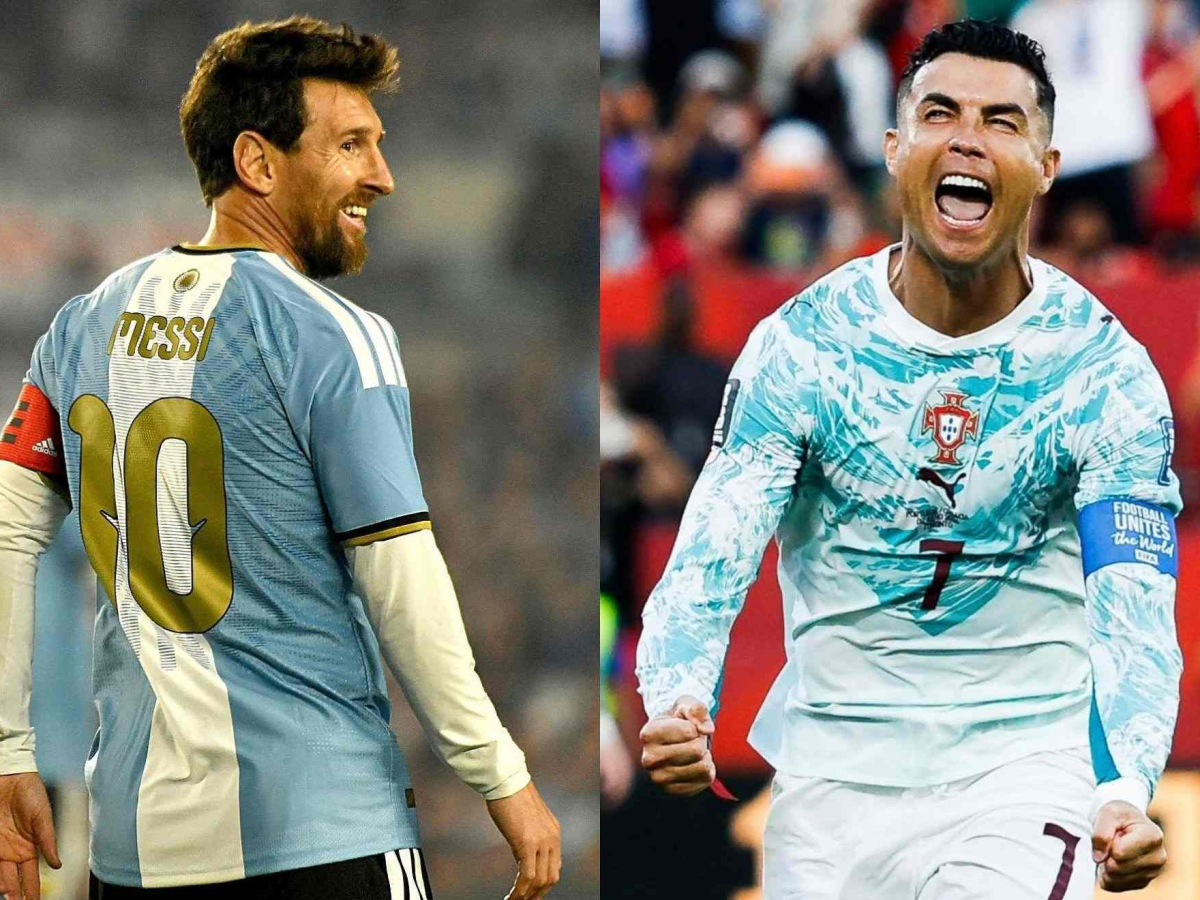
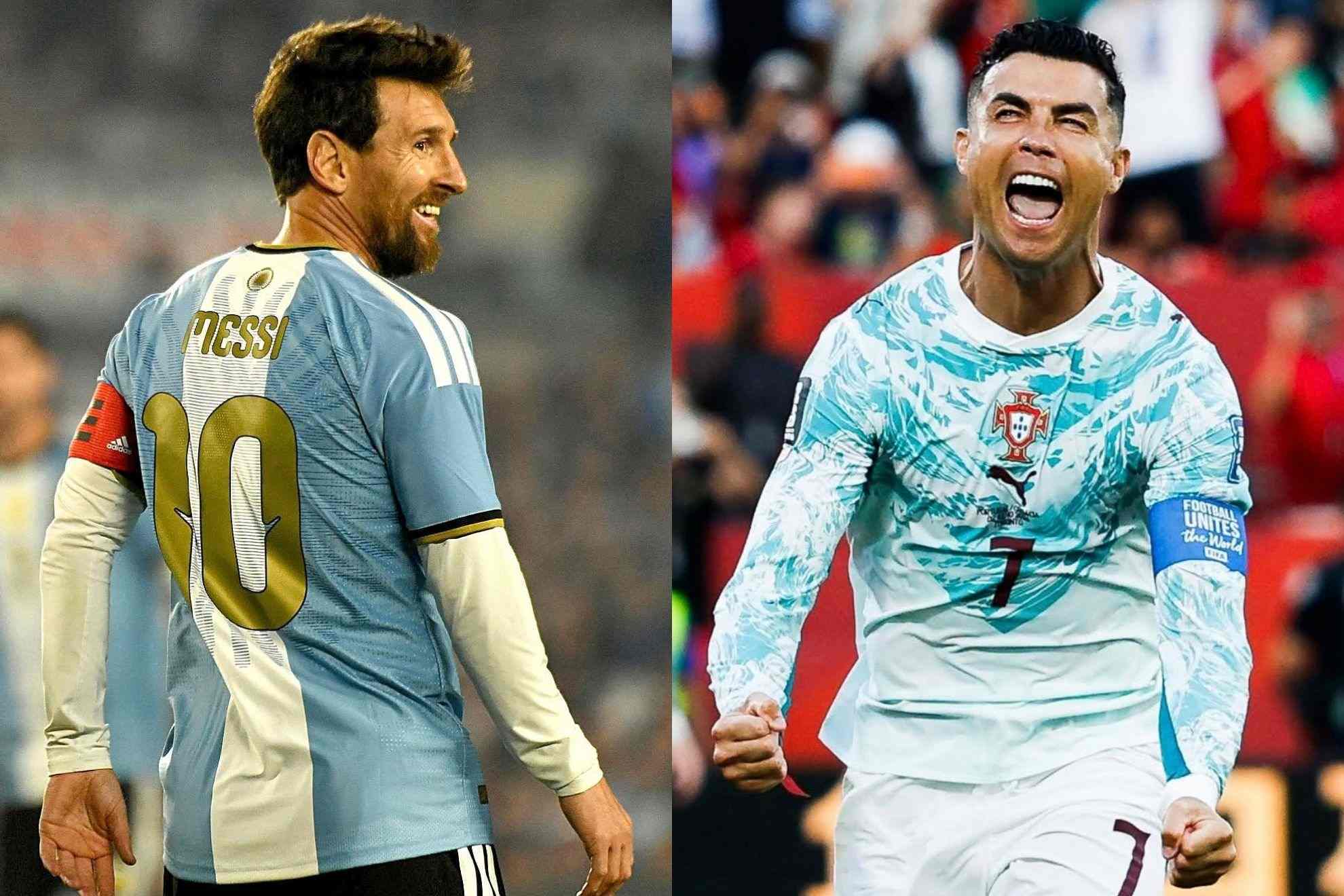
L ionel Messi and Cristiano Ronaldo have been inseparable in football's greatest debate for over two decades. They have collected Ballon d'Or trophies, shattered scoring records and built legacies that transformed the sport. Now, as both superstars approach the end of their international careers, their final chapters are unfolding in strikingly different ways.
Messi has been celebrated by Argentina supporters who once questioned whether he could deliver the country's greatest prize. Cristiano Ronaldo, meanwhile, faces difficult questions about his place in Portugal's future and how his national-team career should conclude. The contrast is about more than trophies or statistics. It reflects two different relationships with their national teams, two different paths through the final stages of their careers and two different challenges in saying goodbye.
Fo r Messi, the story is increasingly about gratitude and legacy. For Ronaldo, it is about navigating the transition from indispensable superstar to an aging legend whose role must evolve.
Messi gets the farewell he dreamed of
On October 6, Messi received a remarkable tribute at Buenos Aires' Monumental Stadium, where approximately 85,000 supporters gathered to celebrate Argentina's captain after his 208th international appearance.
The occasion featured fireworks, a drone show and an emotional atmosphere befitting a player who helped restore Argentina to the summit of international football. Messi capped the night with a goal from the penalty spot in Argentina's 3-0 victory over Benin , giving supporters another moment to celebrate one of the most influential players in the country's history.
The tribute represented a remarkable transformation in Messi's relationship with Argentina. For years, the forward carried the burden of comparison with Diego Maradona and endured criticism for failing to reproduce his club success with the national team. A rgentina's defeats in major finals, including the 2014 World Cup and three Copa América finals during Messi's early international career , intensified the scrutiny.
In 2016, after another Copa América final defeat, Messi briefly announced his retirement from international football. At the time, the decision reflected the frustration of a player who had repeatedly come close to glory without completing the final step. He eventually returned, and everything changed.
Messi led Argentina to the 2021 Copa América title , ending the country's 28-year wait for a major senior men's international trophy. He then delivered the defining achievement of his career at the 2022 World Cup in Qatar, scoring seven goals and captaining Argentina to its first world championship since 1986.
Another Copa América triumph in 2024 reinforced Argentina's status as a dominant international force during his final years. The player once accused of failing to deliver for his country became the central figure in one of its greatest footballing eras. The relationship that began with skepticism evolved into something approaching unconditional affection.
That history explains why Messi's farewell feels different. Argentina supporters are not simply celebrating an extraordinary player. They are celebrating a captain who helped them experience the success they had spent generations waiting for.
Ronaldo faces a more complicated goodbye
Ronaldo's legacy with Portugal is equally significant, but the circumstances surrounding the end of his international career are considerably more complicated. At 41, the forward remains Portugal's record holder for international appearances and goals. He also helped transform the country's footballing identity, leading the national team to its first major men's international trophy at Euro 2016 and contributing to its UEFA Nations League triumphs in 2019 and 2025.
Those achievements are permanent parts of Portuguese football history. Yet Ronaldo's current situation has raised questions about how Portugal should manage the final stage of his career. His role has become a subject of debate as the national team attempts to balance respect for its greatest player with the need to prepare for the future.
The tension became particularly visible after Ronaldo was reportedly left on the bench during Portugal's victory over Norway in the 2026-27 Nations League. His subsequent departure from the training camp and a pointed public message concerning commitments he said had not been honored added another layer of uncertainty to the situation.
The details of the dispute and the circumstances surrounding his departure are important. Without independently established evidence clarifying every aspect of the disagreement, it would be premature to conclude that Ronaldo's relationship with Portugal has reached an irreversible breaking point.
Nevertheless, the episode illustrates the difficulty of managing a superstar whose influence extends far beyond the pitch. For much of his career, Ronaldo's presence in the starting lineup was virtually unquestioned. His goals, athleticism and extraordinary competitive drive made him the focal point of Portugal's attack. Now, the national team faces a different calculation: how much can he contribute, and what role best serves the team?
Why Messi and Ronaldo have aged differently
Their contrasting situations also reflect the evolution of their playing styles. For much of his career, Ronaldo built his game around explosive acceleration, aerial dominance, powerful finishing and the ability to turn physical advantages into goals. His relentless conditioning helped him remain productive long after many of his contemporaries had declined.
But the demands of his position have changed as he has aged. A forward who once threatened defenses from almost anywhere on the pitch increasingly depends on intelligent positioning, service and opportunities inside the penalty area. That does not erase his scoring ability. It changes the conditions under which he can be most effective.
Messi has also experienced the inevitable physical limitations of aging, but his game has long relied on qualities that translate beyond speed and athleticism. His vision, close control, passing range and ability to manipulate defensive positioning allow him to influence matches even when he is not constantly accelerating past opponents.
The contrast was evident during the 2022 World Cup. Messi remained Argentina's central creative force throughout the tournament and scored twice in the final against France . Ronaldo , meanwhile, lost his starting place during Portugal's knockout-stage matches, although he continued to feature as the team advanced to the quarterfinals.
Those circumstances did not settle the debate over which player is greater. They did, however, reveal how differently their teams were using them as their careers entered a new phase. Messi's Argentina had developed a system that maximized his creativity while surrounding him with players capable of sharing defensive and attacking responsibilities.
Portugal , meanwhile, had to reconsider how to accommodate Ronaldo when he could no longer be expected to perform every function he once did. The difference is not simply that one player adapted better than the other. It is also a reflection of team construction, coaching decisions and the changing demands of international football.