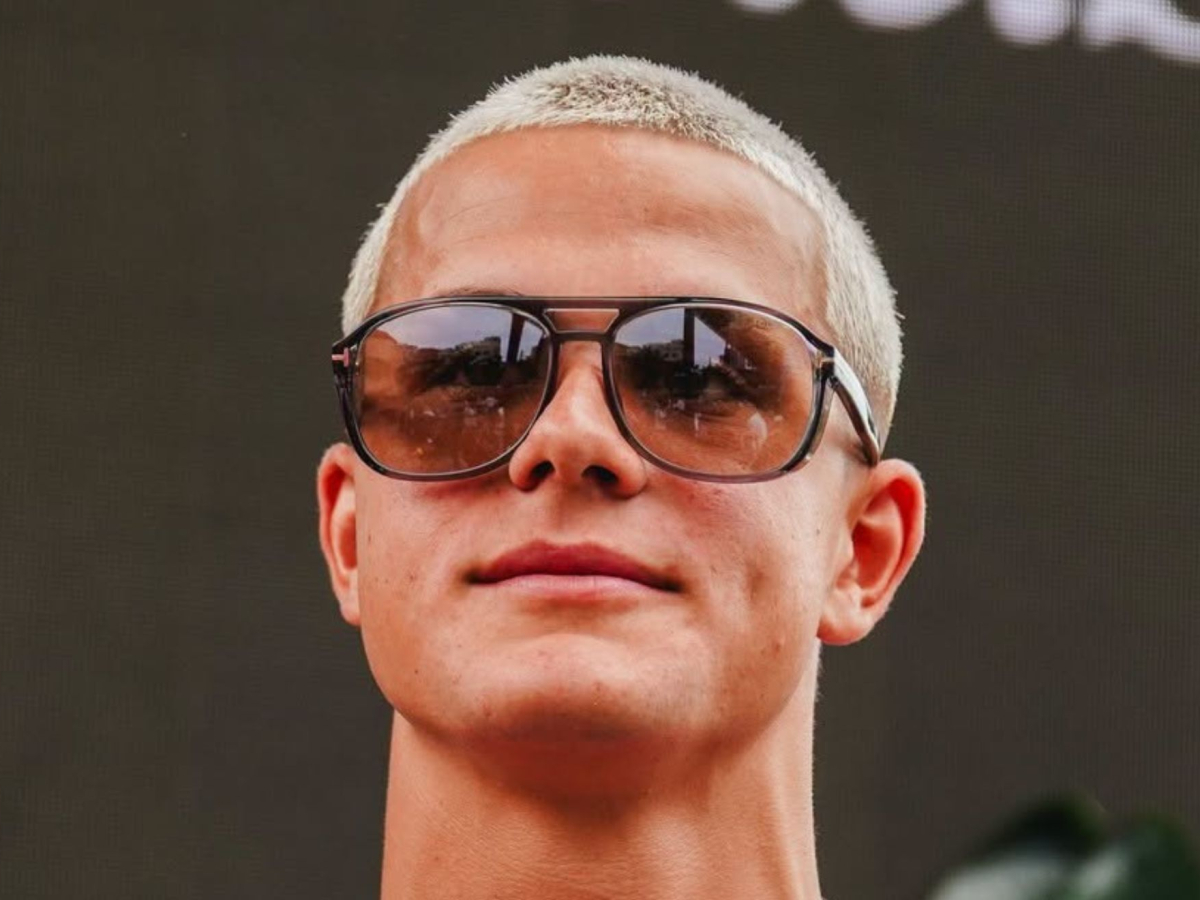
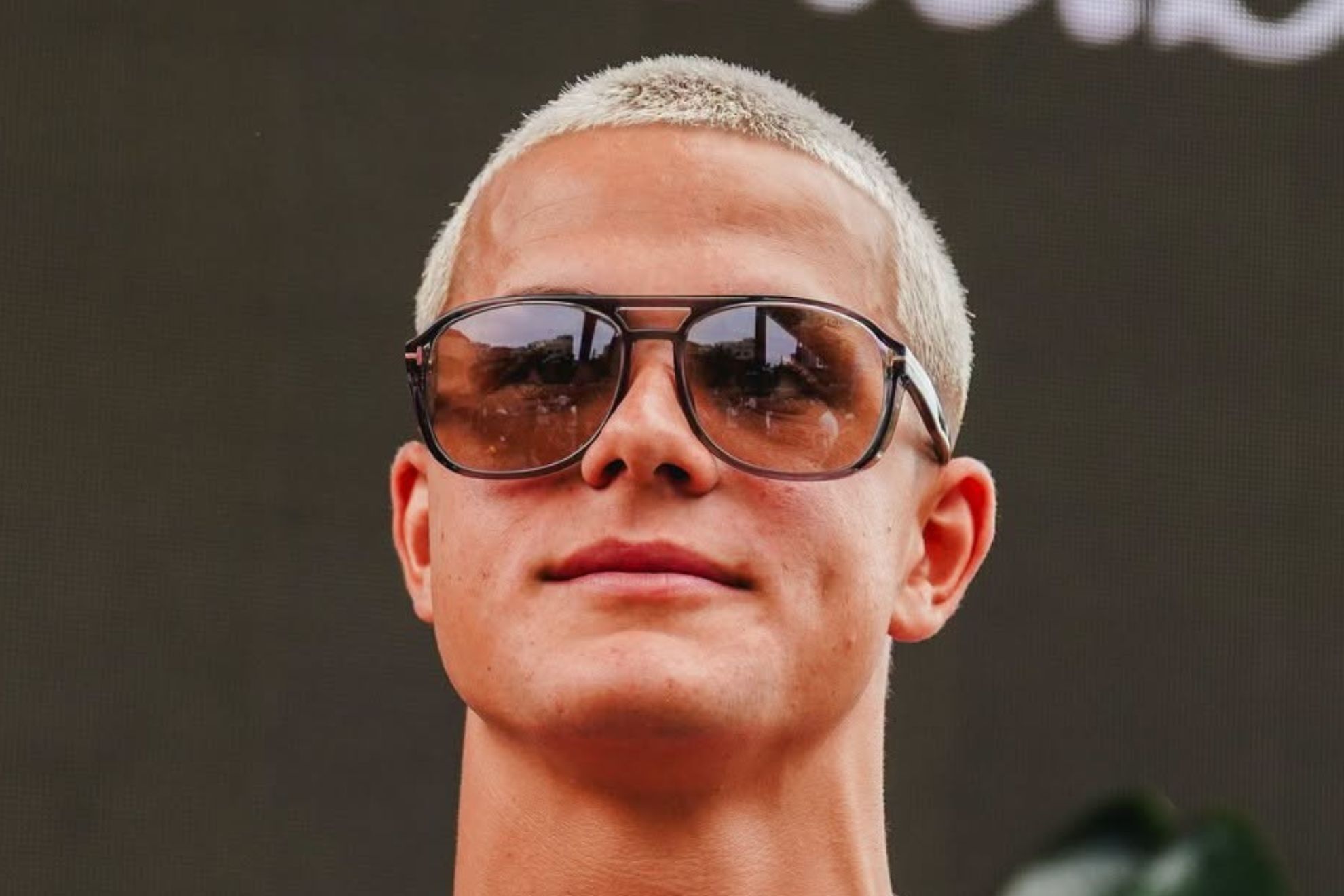
Can Cavan Sullivan be the next Christian Pulisic and change the USMNT’s future?
His ability to operate between lines gives him a different profile from America's Team current captain
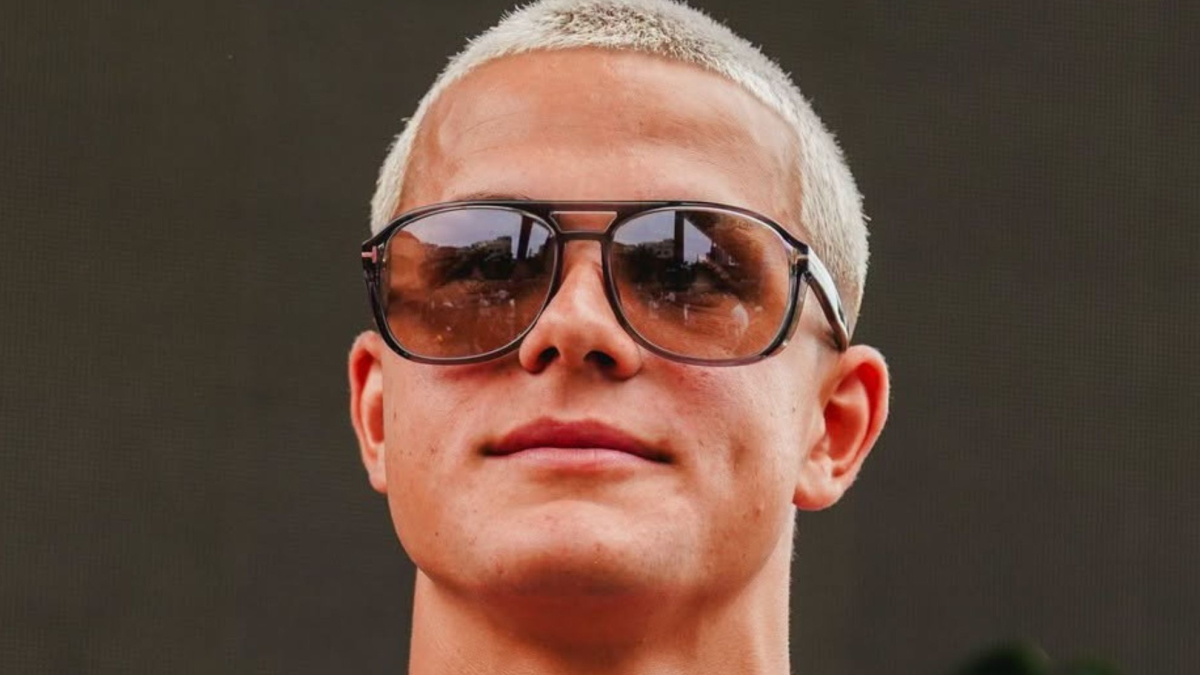
The comparison with Christian Pulisic is inevitable, but the more interesting question is whether Cavan Sullivan can eventually become something even more important for the U.S. men's national team: the player who helps take the program from promising to genuinely elite. At just 16 years old, Sullivan is already forcing that conversation.
The Philadelphia Union midfielder has gone from being one of the most hyped prospects in American soccer to becoming a legitimate difference-maker at the professional level. His latest statement came Saturday, when he scored a spectacular game-winning goal in Philadelphia's 3-1 victory over the New York Red Bulls. The goal was his second in as many matches and continued a remarkable run of form.
Sullivan now has 10 MLS goal contributions this season — three goals and seven assists — tying Freddy Adu's record for the most by a player aged 16 or younger in a single MLS season. He has also contributed to a goal in four consecutive MLS matches, matching a streak previously achieved by Ricardo Pepi and Diego Fagúndez before turning 18. The larger question is whether Sullivan can eventually become the successor to Pulisic as the face and attacking catalyst of the USMNT.
The Pulisic comparison is unavoidable
Pulisic remains the benchmark for American attacking players. The Hershey, Pennsylvania, native became a star at Borussia Dortmund as a teenager before establishing himself at Chelsea and AC Milan . For the U.S., he has been the player most capable of producing something from nothing, whether through his dribbling, acceleration, creativity or ability to arrive in dangerous scoring positions.
Sullivan possesses some of those same qualities, particularly his confidence in one-on-one situations. Philadelphia's interim coach Ryan Richter has repeatedly emphasized that freedom. "The goal that he scored, it is what he is capable of doing," Richter said after the victory over New York . "It is in these one-versus-one situations that he is different. And we want to give him the freedom to express himself."
That freedom has become increasingly visible as Sullivan's role has expanded. He isn't simply receiving minutes because Philadelphia wants to develop a promising teenager. He is influencing matches. MLS currently lists Sullivan as a midfielder , and his ability to operate between lines gives him a different profile from Pulisic . That distinction could ultimately be important for the USMNT.
Could Sullivan actually take America's team to another level?
That is where expectations have to be tempered. Sullivan is still 16. There will be setbacks. There will be periods when opponents figure out how to defend him. There will be pressure that comes with his enormous reputation. Most importantly, his development will depend on how he handles the transition from being a teenage phenomenon to becoming a professional expected to perform every week.
But the early evidence is difficult to ignore. Sullivan has already made history in MLS. Earlier this year, he became the eighth-youngest goalscorer in league history and the second-youngest player to record a goal and an assist in the same MLS match.
He has also made an impact beyond MLS. In the Concacaf Champions Cup, Sullivan produced four goal contributions in one match against Defence Force FC, becoming the youngest scorer for an MLS club in the competition's history. And perhaps most encouragingly, he appears increasingly comfortable playing against established professionals. That matters for the USMNT.
The United States' disappointing 2026 World Cup exit has accelerated the conversation about the next generation. MLS itself has identified Sullivan as the No. 1 name on many American prospect lists as the program begins looking toward 2030. By the time that tournament arrives, Sullivan will be 20 and Pulisic will be 31.
That doesn't necessarily mean Sullivan replaces Pulisic . In fact, the ideal scenario for American soccer could be considerably better. The biggest mistake would be assuming that the emergence of Jake automatically means the end of Pulisic's importance. If Sullivan continues progressing, the United States could eventually have two elite attacking players rather than one successor replacing another.