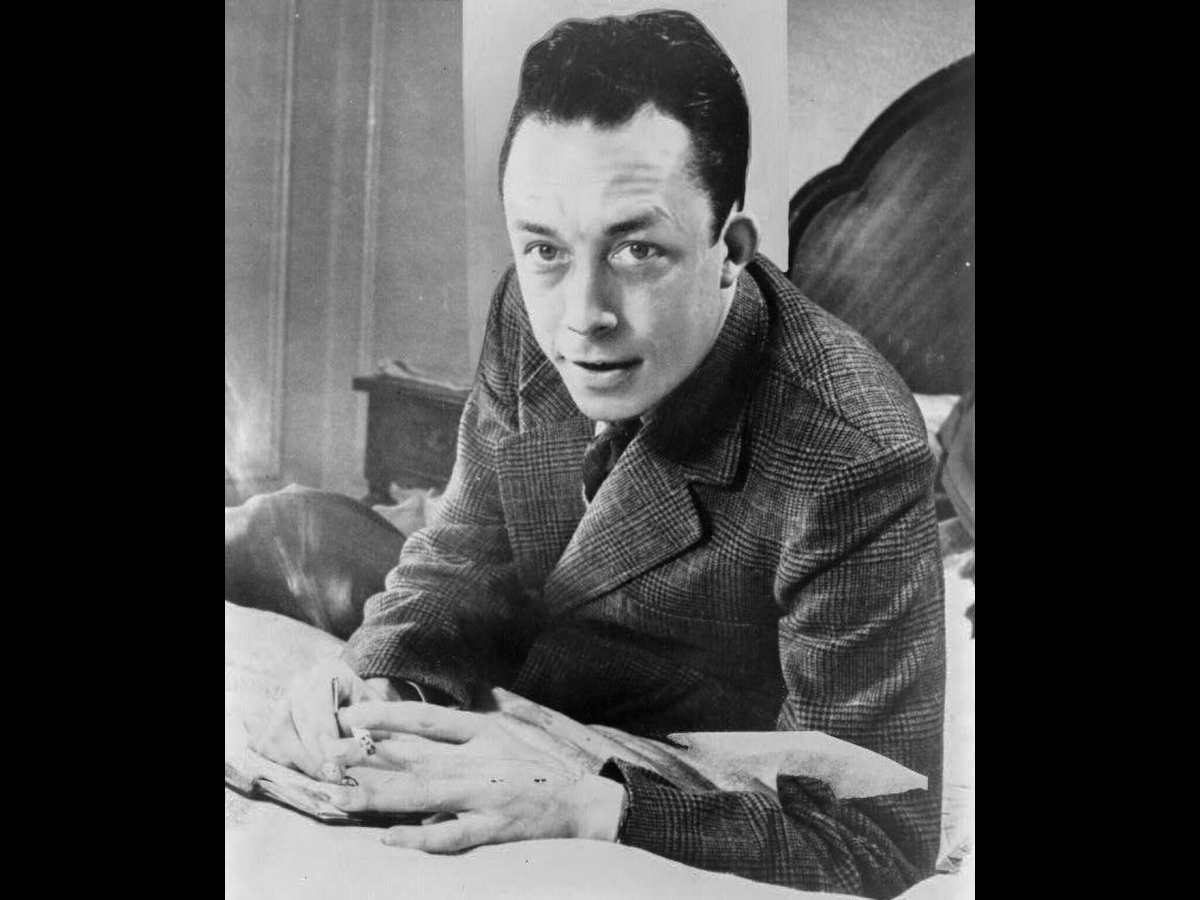
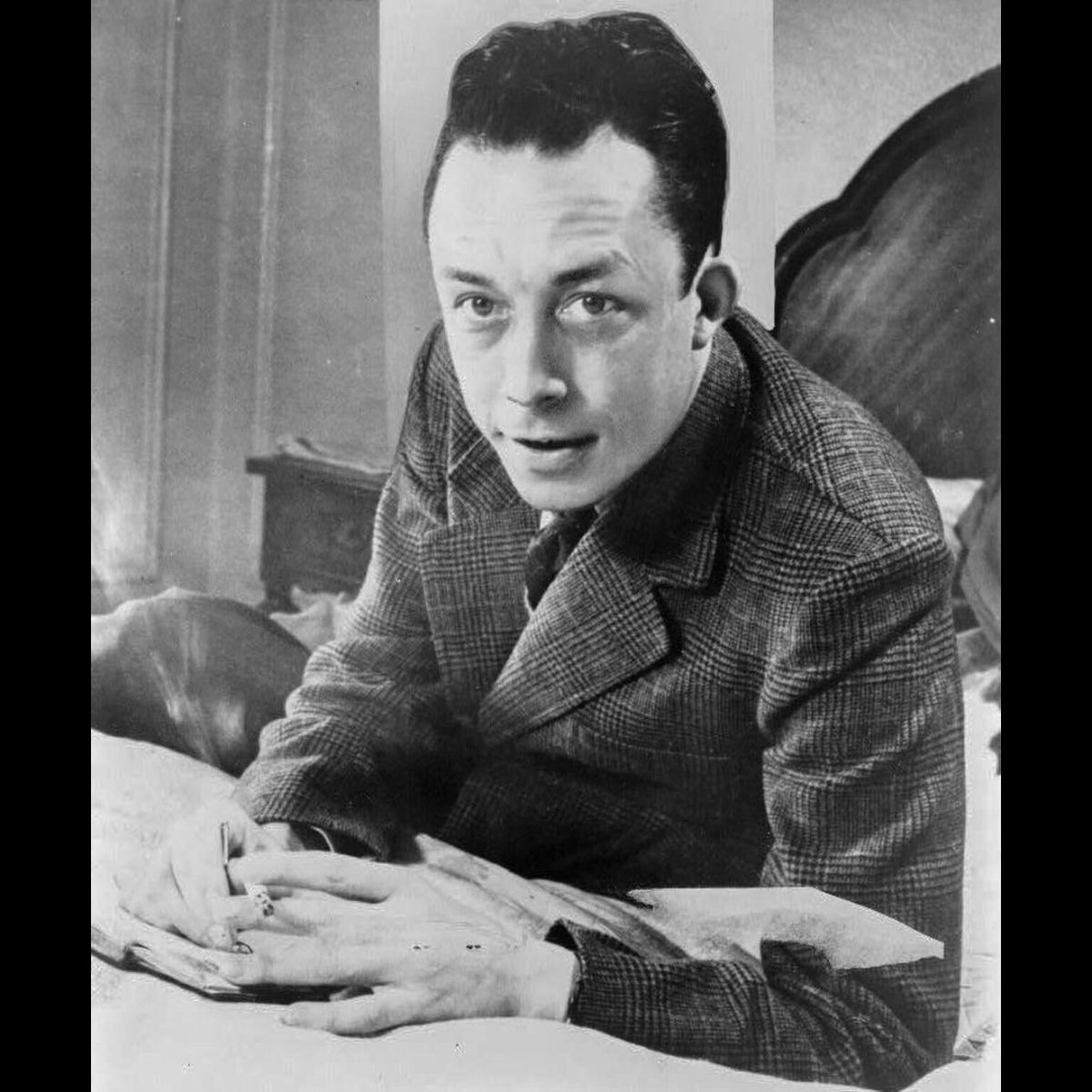
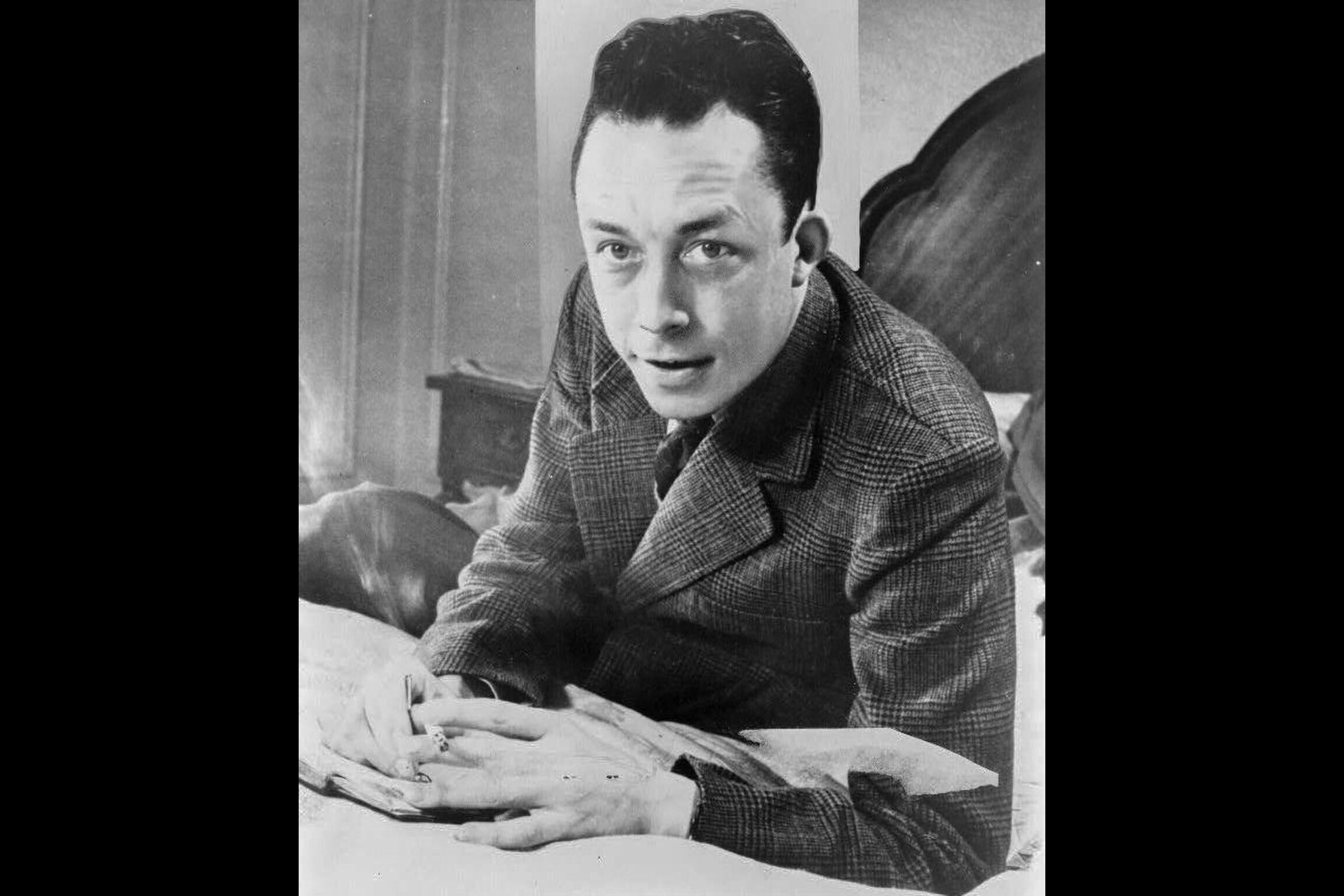
Albert Camus, philosopher and writer: "In the depth of winter, I finally learned that within me there lay an invincible summer"
Camus was known for his opposition to European colonialism and fascism
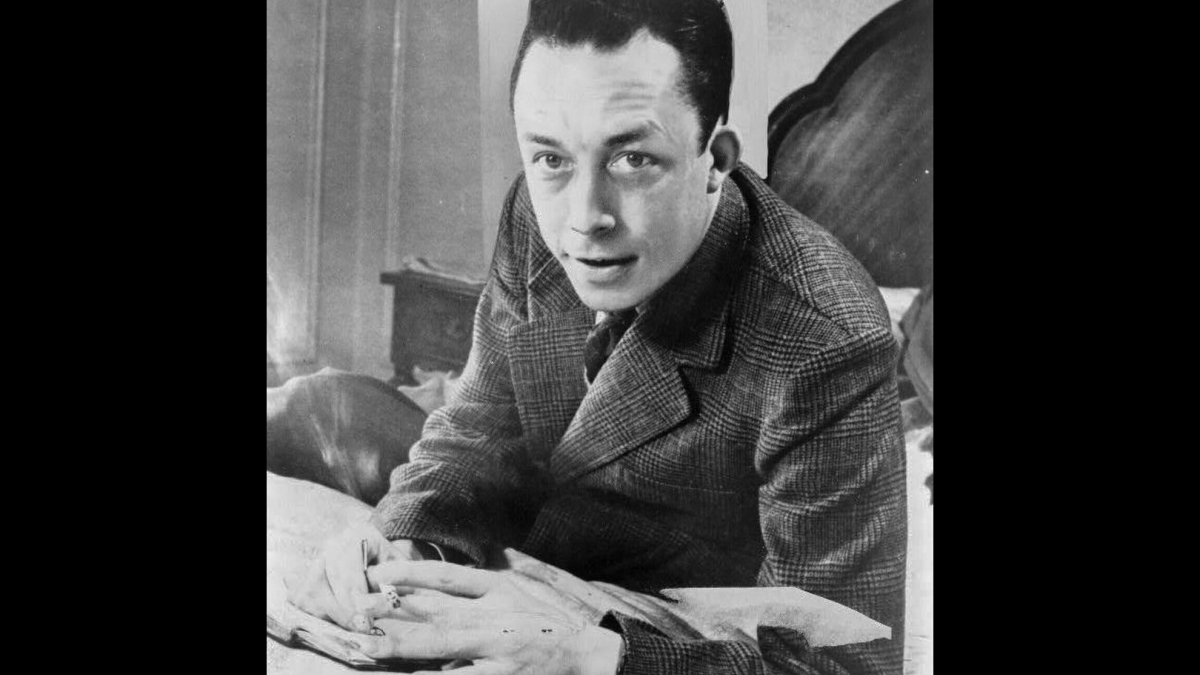
A lbert Camus understood that life could be marked by suffering, uncertainty and loss, yet he refused to believe these experiences had to extinguish the human spirit through his famous words about an “invincible summer”, which remain a powerful reflection on resilience and inner strength.
Winter represents the periods of life when everything feels bleak: grief, disappointment, loneliness or the uncertainty of what comes next. Summer, by contrast, evokes warmth, vitality and renewal.
Camus places these opposing images together to suggest that hope can survive even when external circumstances offer little reason for optimism whilst the word “invincible” is particularly important.
Camus does not promise that suffering will disappear or that every problem will have a happy ending. Instead, the quote points towards an inner resilience that can remain intact through adversity.
Even when life becomes difficult, a person may retain the capacity to find meaning, show compassion and begin again.
This is not simply a message about positive thinking. It is an invitation to recognize that pain and hope can coexist, and that moments of darkness do not necessarily define an entire life.
How Camus' life shaped his philosophy
Born in French Algeria on November 7, 1913, Camus grew up in a working-class family with limited material resources before things got even harder when his father died during World War I .
Camus was just an infant, leaving his mother to help raise the family in difficult circumstances but despite these challenges, an encouraging teacher recognized his ability and helped him secure a scholarship to continue his education.
Camus later studied philosophy at the University of Algiers, but tuberculosis interrupted his ambitions, forcing him to reconsider his future. He nevertheless pursued writing, journalism and theatre, developing ideas about human dignity, suffering and the responsibility people have towards one another.
And during World War II , he joined the French Resistance and worked for the underground newspaper Combat , giving him experiences that only strengthened his opposition to authoritarianism and his conviction that people should resist injustice without surrendering their humanity.
Although his philosophical outlook became associated with absurdism, which explores the conflict between humanity's search for meaning and a world that does not provide clear answers, Camus argued that the absence of an obvious, universal purpose did not mean life was worthless.
People could still choose solidarity, courage and compassion and he continued to spread this message through writing novels, including The Stranger and The Plague as his writing continues to challenge readers to confront life's difficulties honestly while refusing to abandon human dignity.
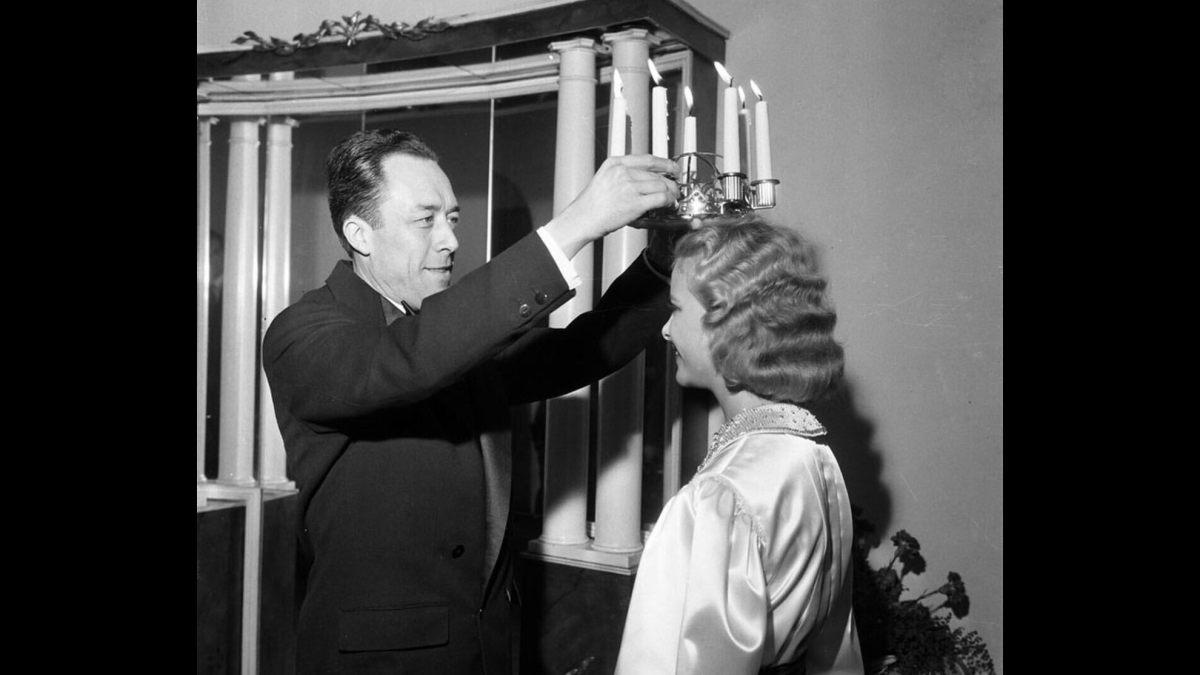
Camus received the Nobel Prize in Literature , becoming one of the youngest recipients in the award's history, for his writing in opposition of totalitarian regimes before his own life ended abruptly in January 1960, when he died in a car crash in France at the age of 46.
Some theorize he was killed by the Soviet Union ’s KGB , but this remains unconfirmed. Regardless, his message of an “invincible summer” is ultimately not a guarantee that suffering will end - it is a reminder that difficult seasons can pass without destroying everything valuable within us.