Arthur Conan Doyle, writer: “The weak man becomes strong when he has nothing, because only then can he feel the madness of despair”
The creator of Sherlock Holmes left a powerful reflection on fear, despair, and the unexpected strength that can arise when a person feels they have lost everything.
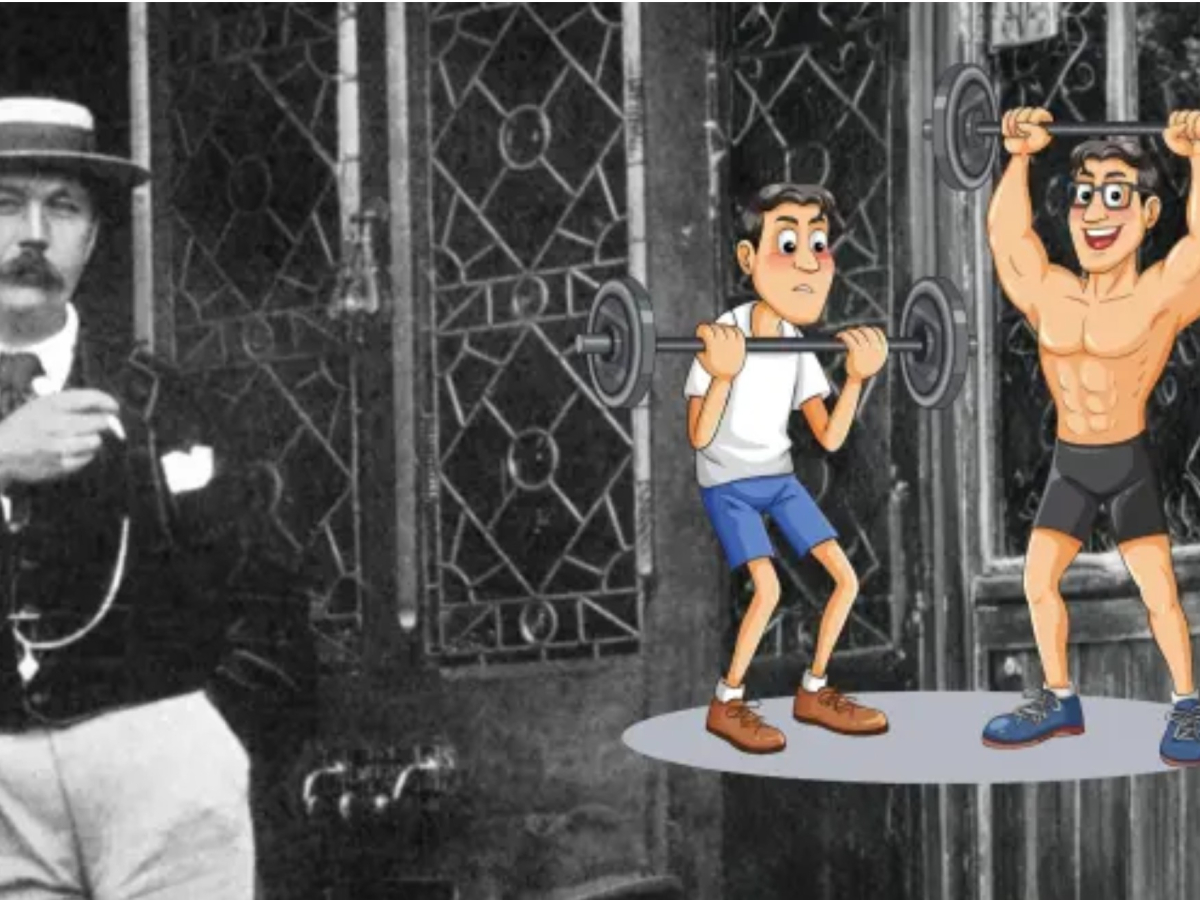
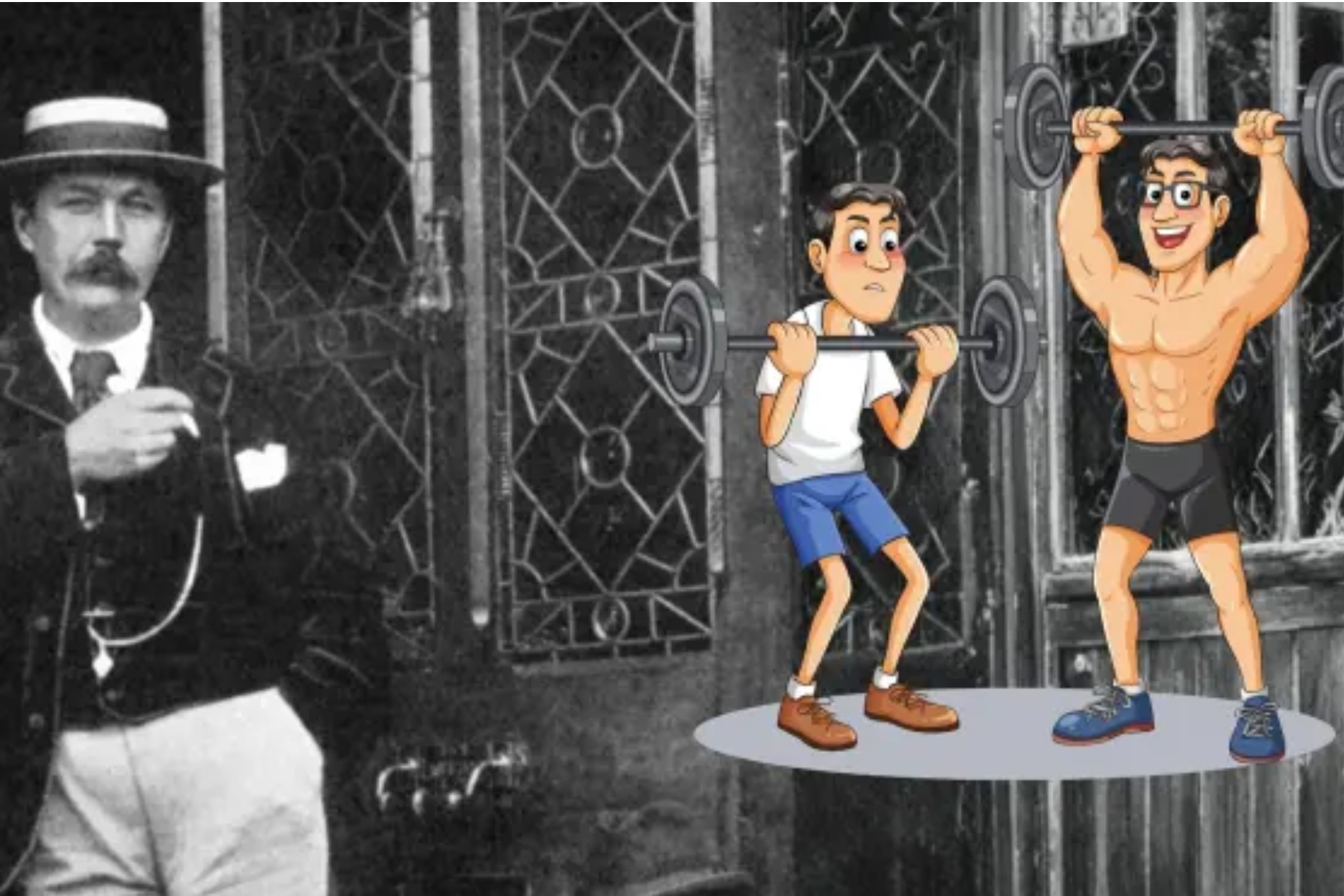
There are moments when fear is no longer enough to stop a person, especially when they feel they have nothing left to lose. That disturbing idea was captured by Arthur Conan Doyle , the Scottish writer who created Sherlock Holmes , in his novel The White Company, published in 1891. There appears a reflection that continues to arouse interest: “The weak man becomes strong when he has nothing, because only then can he feel the madness of despair.”
Far from being a motivational phrase about overcoming obstacles, Conan Doyle 's words describe a much more complex transformation. The author suggests that someone seemingly incapable of facing danger may react unpredictably when what they fear losing disappears. An idea that runs through literature, but also connects with human situations marked by uncertainty, loss, and survival.
What does Arthur Conan Doyle's phrase about weakness and desperation mean?
Arthur Conan Doyle's reflection starts from a contradiction: a person considered weak can find unexpected strength precisely when going through their most vulnerable moment.
Fear usually functions as a protection mechanism . It forces us to calculate risks, avoid dangers, and think about the consequences of our decisions.
But what happens when someone believes they have already lost everything important?
According to the idea expressed in the novel, that feeling can radically alter their behavior.
Desperation does not necessarily produce courage, but it can lead to taking risks that once seemed impossible.
That is why the writer uses an expression as intense as “the madness of despair”, moving away from any interpretation that presents suffering as a virtue.
In which Arthur Conan Doyle book does the phrase about having nothing to lose appear?
The quote belongs to The White Company , a historical novel published in 1891 and set in 14th-century Europe .
Unlike the detective adventures of Sherlock Holmes , this work transports the reader to a setting of medieval wars, journeys, and confrontations.
Their characters must survive in a world where decisions can determine their fate.
Author: Arthur Conan Doyle.
Original title: The White Company.
Genre: historical adventure novel.
Setting: 14th-century medieval Europe.
Theme of the phrase: fear, loss, and despair.
The context makes it possible to understand why the reflection has a darker meaning than a simple invitation to be strong.
Who was Arthur Conan Doyle and why does his legacy go beyond Sherlock Holmes?
Arthur Conan Doyle was born on May 22, 1859, in Edinburgh, Scotland, and studied Medicine before establishing himself as a writer.
His most famous character, Sherlock Holmes , first appeared in A Study in Scarlet , published in 1887.
However, his career also included historical novels, science fiction stories, and adventure tales such as The Lost World , starring Professor Challenger .
Conan Doyle died in 1930, at the age of 71, leaving behind a literary work far broader than the investigations of the detective of Baker Street.
His reflection on desperation remains relevant because it poses a deeply human question: how far can someone go when they believe they have nothing left to lose?