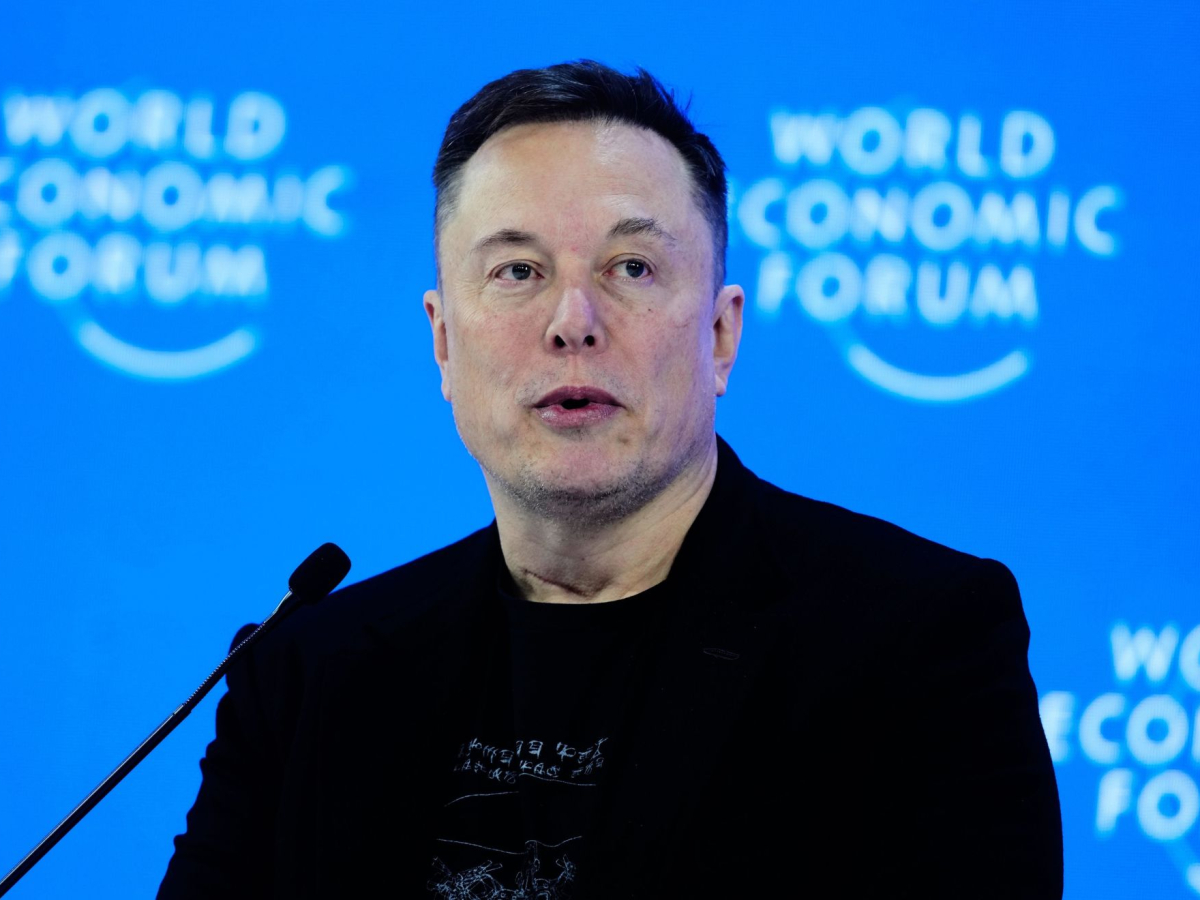
Elon Musk: "I take the position that I'm always to some degree wrong, and the aspiration is to be less wrong"
Elon Musk has built a career around ambitious bets, but one of his most revealing comments is surprisingly simple: accept that you are wrong and keep working to improve
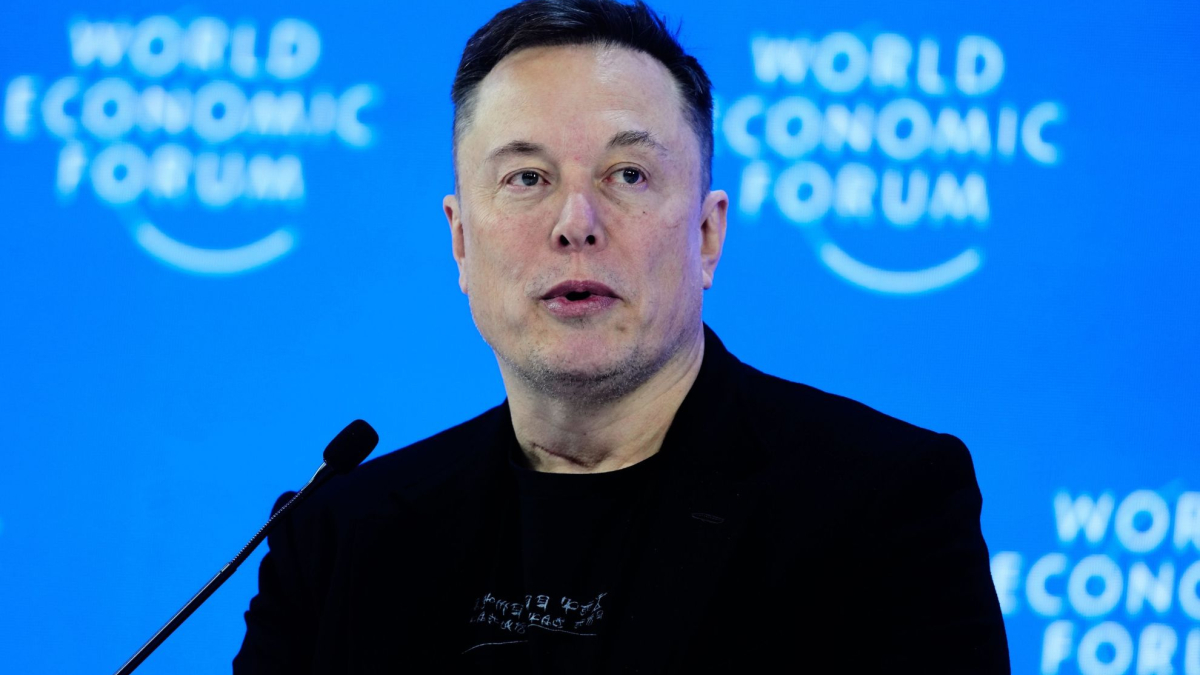
E lon Musk has never been short of confidence. From electric vehicles and reusable rockets to artificial intelligence and social media, the billionaire entrepreneur has repeatedly pursued projects that once appeared unrealistic to many observers.
Yet one of Musk's most frequently cited comments offers a different perspective on how he approaches difficult decisions.
“I take the position that I'm always to some degree wrong, and the aspiration is to be less wrong.”
The quote, listed among Musk's most popular statements on Goodreads, captures a philosophy that he has discussed in interviews over the years.
Rather than treating being right as the objective, Musk has argued that entrepreneurs should constantly challenge their assumptions and use new information to move closer to the truth.
That idea is particularly relevant given the scale of the companies Musk has built and led. He has been a central figure at Tesla, SpaceX and X while also building his artificial-intelligence business, xAI.
Forbes currently lists him as the world's wealthiest person, with his fortune boosted significantly by SpaceX's 2026 public offering.
Musk's approach is closely connected to his interest in physics and first-principles thinking. Instead of starting with conventional assumptions, he has often argued that complicated problems should be broken down into fundamental truths before solutions are developed.
In one interview, Musk explained that constantly trying to become "less wrong" was a way of testing ideas against reality.
He acknowledged that the approach could be uncomfortable because it requires people to put their egos aside, but argued that it was useful when searching for the truth.
Why being "less wrong" became central to Musk's philosophy
The concept also helps explain the trial-and-error nature of Musk's business career.
SpaceX experienced multiple failed Falcon 1 launches before eventually reaching orbit, while Tesla spent years facing doubts about whether electric vehicles could become a mass-market business.
Musk has repeatedly embraced the idea that ambitious projects require repeated attempts and adjustments rather than an expectation of getting everything right immediately.
In a 2016 interview with the BBC, Musk said he initially believed Tesla and SpaceX had only about a 10% chance of succeeding. He described himself as someone who is "always to some degree wrong" and said the objective was to become less wrong over time.
That mindset does not mean Musk believes every idea deserves to survive criticism. In fact, his comments about feedback suggest almost the opposite.
He has previously argued that entrepreneurs should actively seek criticism, particularly from people willing to point out mistakes rather than simply reinforce existing beliefs.
The philosophy becomes especially interesting when viewed against Musk's current position.
His companies now operate in industries with enormous consequences. SpaceX has become a major force in the commercial space industry, Tesla remains one of the world's best-known electric-vehicle manufacturers, and xAI has placed Musk directly in the rapidly developing artificial-intelligence race.
Forbes reported that SpaceX became publicly traded in 2026 at a valuation approaching $2 trillion, while Musk retained a major stake.
At the same time, Musk's public profile has become increasingly controversial. A new documentary by filmmaker Alex Gibney premiered at the Venice Film Festival in September 2026 and examines Musk's business empire, political influence and public persona. Musk declined to participate and has criticized the project.
That contrast makes his "less wrong" philosophy particularly noteworthy. Musk's public image often centers on certainty, bold predictions and aggressive deadlines. But the quote itself argues for something more cautious: recognize that your assumptions can fail, learn from the evidence and adjust.
It is a philosophy that applies far beyond entrepreneurship.
In business, being "less wrong" can mean changing a strategy after customers reject it. In engineering, it can mean modifying a design after a test fails.
In investing, it can mean abandoning an assumption when the data changes. And in everyday life, it can mean being willing to admit that another person has information you overlooked.
Musk has certainly made predictions and decisions that have generated controversy, and acknowledging that no individual is consistently correct does not automatically validate every choice he has made.