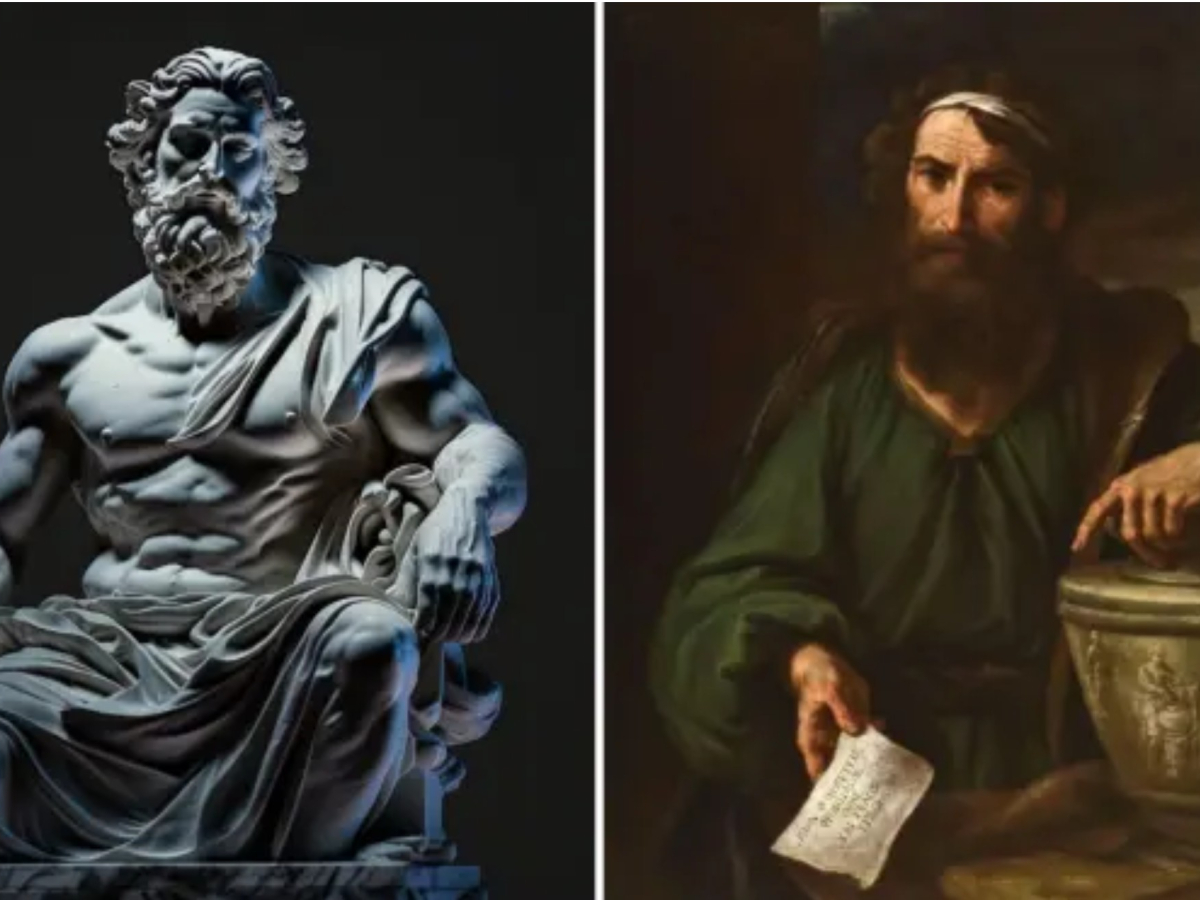
Epicurus, philosopher: “It is not what we have, but what we enjoy that constitutes our abundance”
Epicurus explained abundance through enjoyment and tranquility. Learn what the philosopher said about happiness, pleasure, and wealth
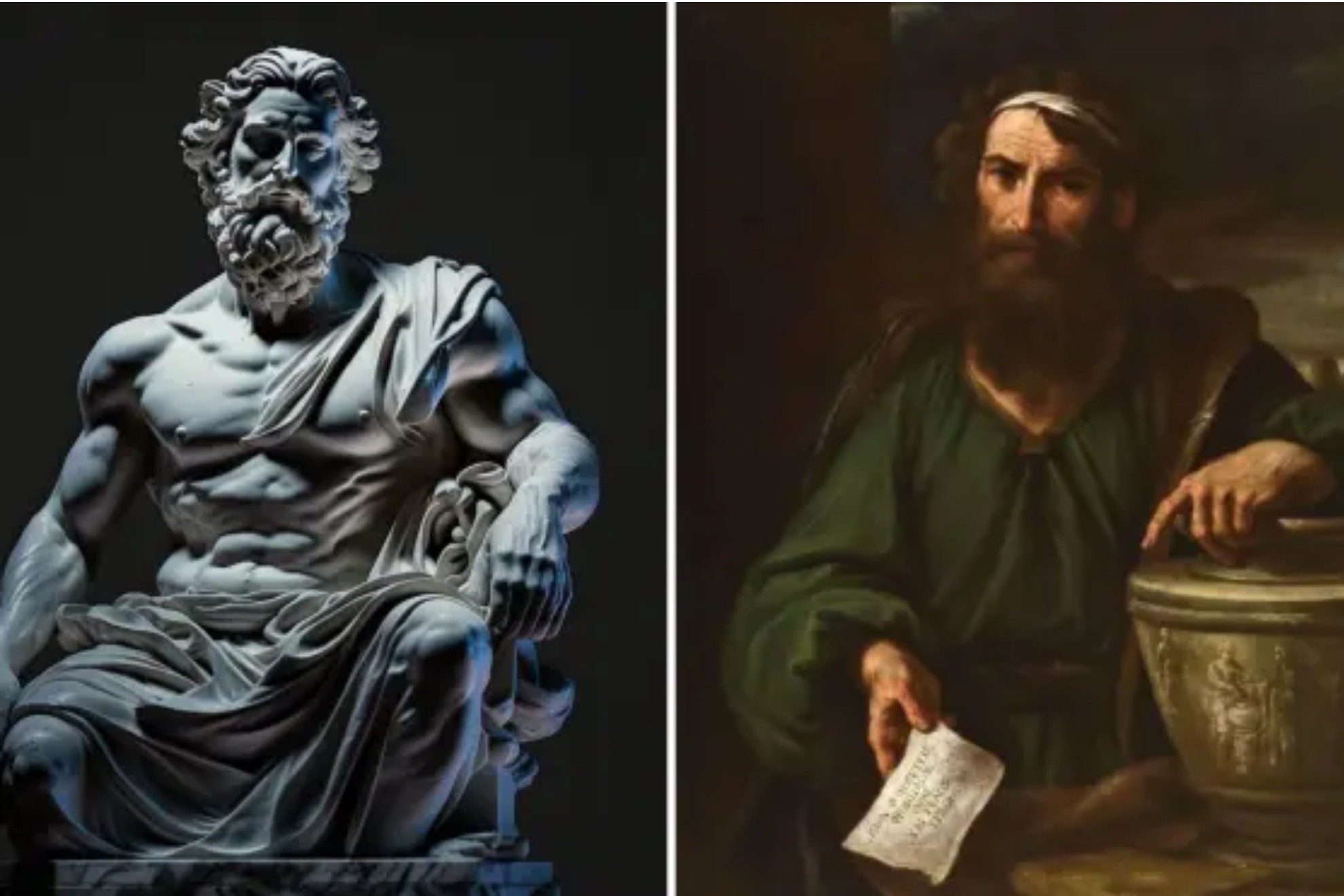
At a time when having more is often confused with living better, an idea formulated more than two thousand years ago retains a curious relevance. Epicurus, a Greek philosopher born on Samos , proposed that true wealth did not depend on accumulating possessions, but on learning to enjoy what is already part of our lives.
His proposal was far removed from the image of excess and luxury that is sometimes associated with Epicureanism . For the philosopher, a fulfilling life could be built on simple pleasures, bonds of friendship, and inner tranquility. From this comes one of his best-known reflections on abundance.
What does Epicurus say about abundance?
The phrase “ It is not what we have, but what we enjoy that constitutes our abundance ” sums up an important part of Epicurus ’ thought: happiness does not necessarily depend on increasing possessions, but on knowing how to value what one has.
El filósofo considered that the goal of life was to attain pleasure, but understood in a way very different from constant consumption. For him, it was mainly about achieving ataraxia, that is, tranquility or the absence of disturbance, and aponia, related to the absence of physical pain. His philosophy proposed a simple and self-sufficient life. Among its key principles were:
Reduce unnecessary desires.
Enjoy everyday pleasures.
Translate to the English language the following text indicated from "Text to translate:". This text is provided between double or single quotation marks. The translated text that you will write next must not be enclosed in quotation marks, although it may contain quotation marks within it if the original text had them, and you must preserve them as they appear. I do not want you to write anything else; only write the translated text in English without quotation marks. Likewise, the text may contain quotation marks भीतर it if the original text had them, and you must preserve them as they appear.
Translate into the English language the following text indicated from "Text to translate:". This text is provided between double or single quotation marks. The translated text that you write next must not be enclosed in quotation marks, although it may contain quotation marks within it if the original text had them, and you must preserve them exactly as they appear. I do not want you to write anything else; only write the text translated into English without quotation marks. Likewise, the text may be
Avoid the suffering caused by excessive ambitions.
This vision was also present in The Garden , the school founded by Epicurus in Athens around 306 BC. There, philosophy was part of everyday life and friendship occupied a fundamental place.
What is Epicurus' most famous quote?
Although Epicurus left numerous reflections on pleasure, happiness, death, and self-sufficiency, one of the phrases that has become most widespread is precisely: “ It is not what we have, but what we enjoy that constitutes our abundance ”
Another of his famous ideas points out that “ pleasure is the beginning and the end of a happy life ,” always understood within his proposal of moderation and balance.
He also stated that “ the most important fruit of self-sufficiency is freedom ,” a phrase that directly connects with his defense of a life less dependent on artificial needs.
More than two thousand years later, these ideas continue to appear in conversations about happiness, consumption, and well-being. Epicurus's proposal points to a simple yet timely question: if abundance also depends on our ability to enjoy, perhaps having more is not the only way to feel that we have enough.