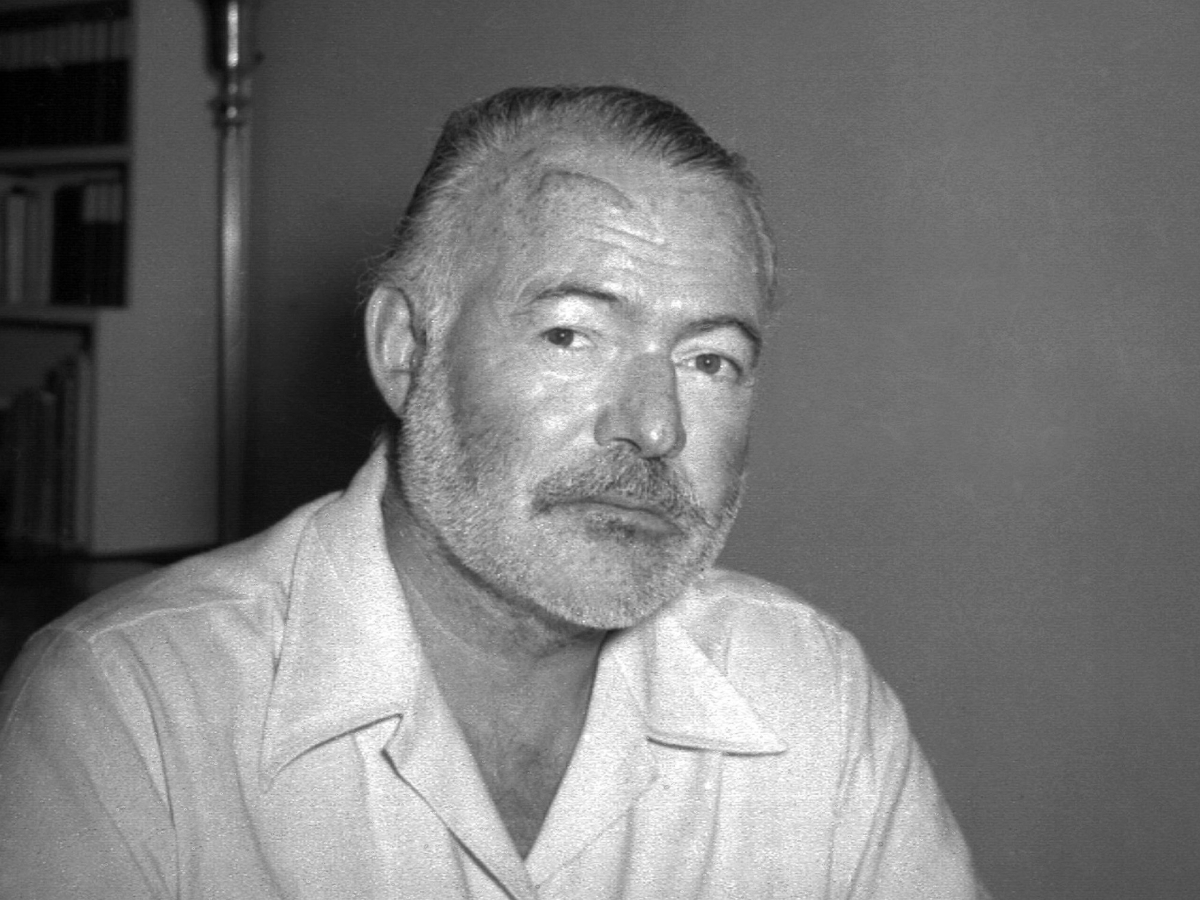
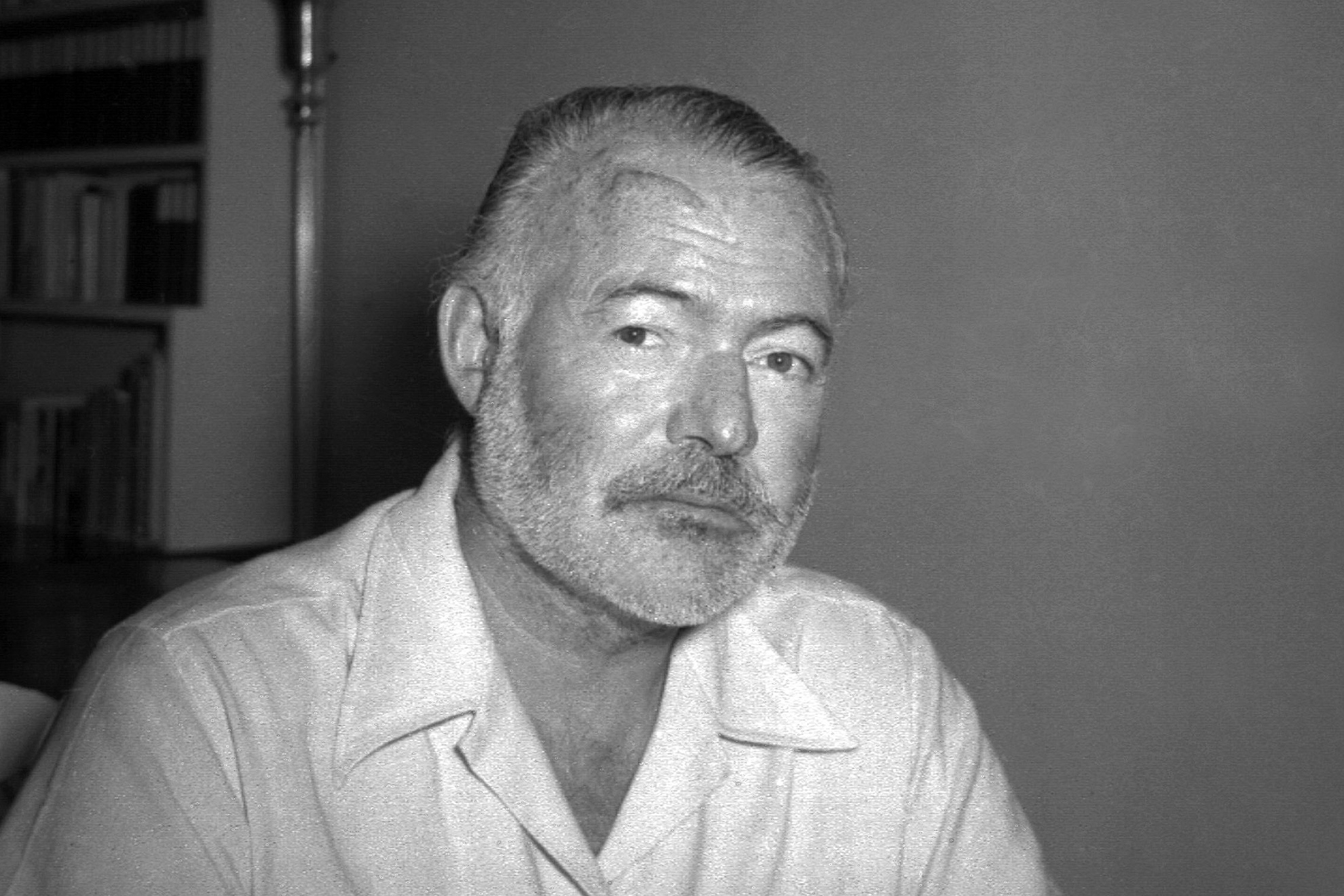
Ernest Hemingway, American novelist: "If something is wrong, fix it if you can. But train yourself not to worry. Worry never fixes anything"
The American novelist’s message draws a sharp line between taking action and wasting energy on what cannot be controlled
Some problems need fixing. Others cannot be fixed immediately, no matter how long someone thinks about them.
That tension sits at the center of a quote widely attributed to Ernest Hemingway : “If something is wrong, fix it if you can. But train yourself not to worry. Worry never fixes anything.”
The line is striking because it doesn't dismiss concern or suggest that people should simply ignore difficult circumstances. Hemingway ’s advice begins with responsibility and to identify what is wrong and take action when action is available.
Only then comes the more demanding part. Once every practical step has been taken, continuing to replay the problem doesn't create another solution. It can feel like preparation, but worry often becomes an endless rehearsal of outcomes that may never happen.
Hemingway message is about action
The distinction between concern and worry matters. Concern can prompt someone to prepare for an examination, deal with a financial problem, have an uncomfortable conversation or work harder before an important competition. In each case, the emotion leads toward something concrete.
Worry becomes different when there is nothing useful left to do. That helps explain the phrase “train yourself.” Letting go of unnecessary worry rarely happens automatically. It can take practice to recognize when careful thinking has crossed into repeatedly imagining the same problem without changing anything.
The lesson isn't to stop caring about consequences. It's to ask a more useful question of what can I actually do next? If there is an answer, act on it. If there is not, worrying harder will not manufacture one.
Why the quote still connects with modern life
The principle feels particularly relevant in a world where people can spend almost unlimited time monitoring problems, comparing themselves with others and anticipating what might happen next.
Athletes can prepare for competition but cannot control every bounce, call or opponent. Professionals can make strong decisions without knowing how every colleague or customer will respond.
Students can study thoroughly without controlling exactly what appears on a test. There is effort on one side and uncertainty on the other. Hemingway’s quote offers a way to separate them.
His writing repeatedly returned to people confronting pressure, loss, uncertainty and circumstances beyond their control. Whatever the setting, the question was often less about whether hardship existed and more about how someone chose to meet it.
That is why the final sentence carries so much weight: “Worry never fixes anything.” It's not a promise that everything will work out. It's a reminder that anxiety and action are not the same thing.
Fix what is within reach. Prepare as well as possible. Make the decision that needs to be made. Then recognize when there is nothing more to solve.