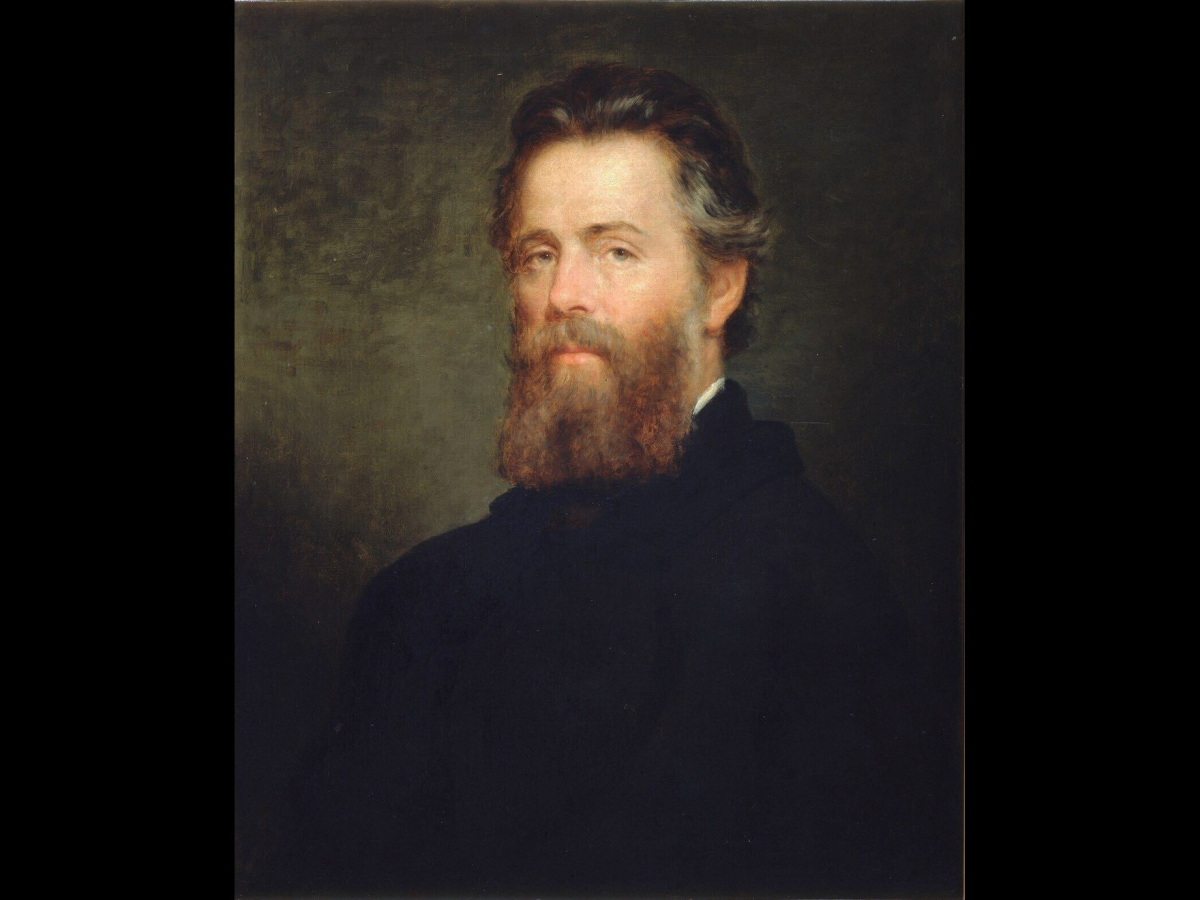
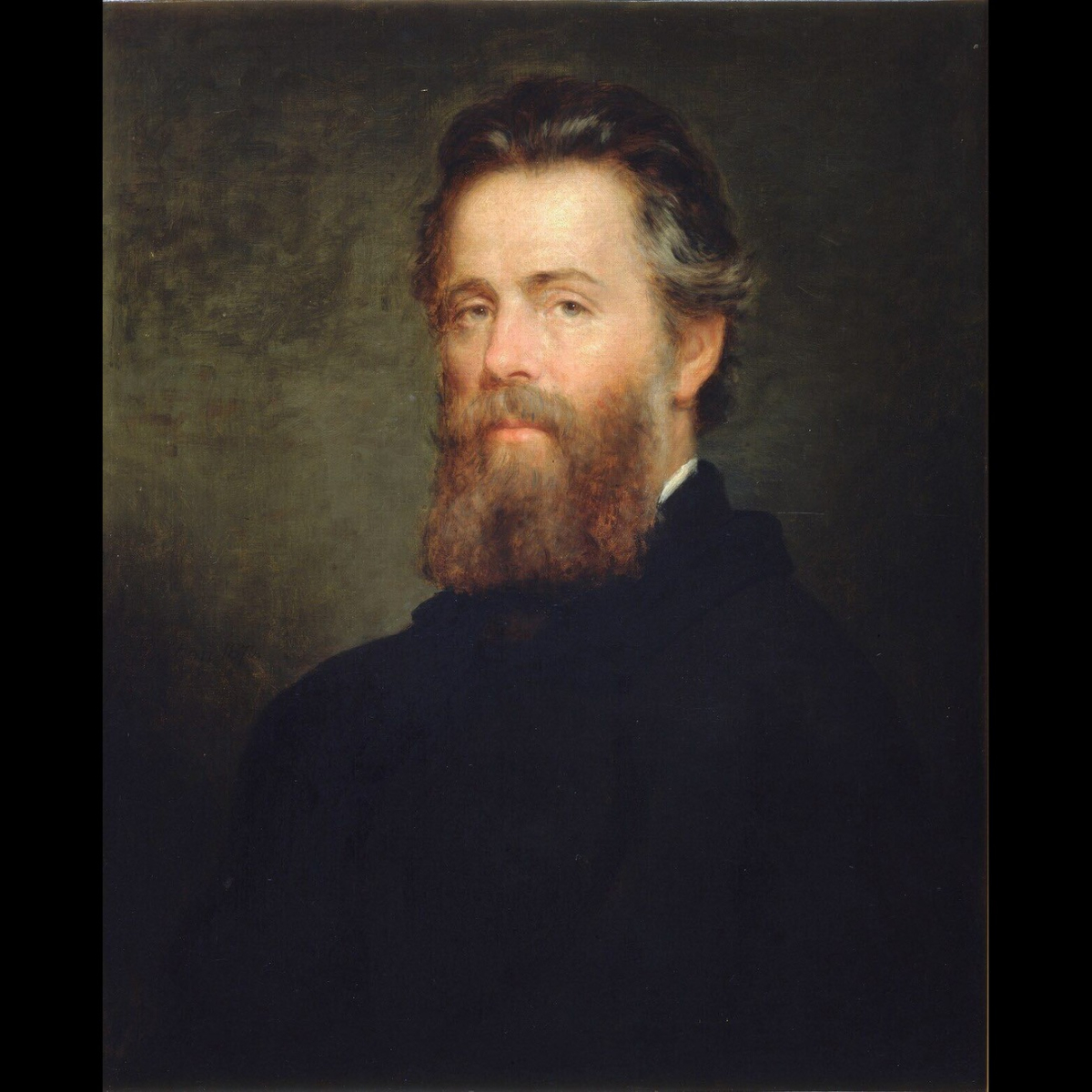
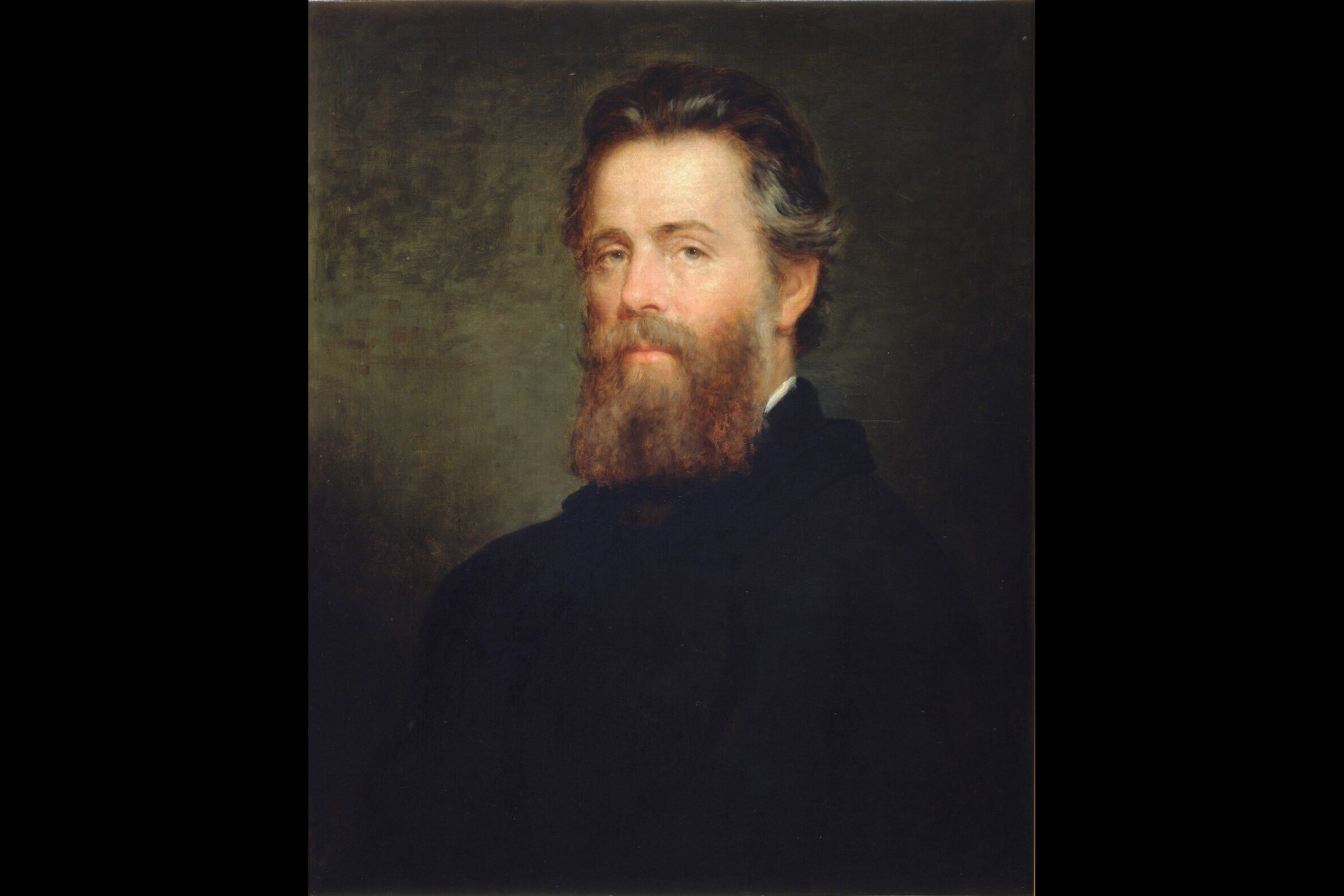
Herman Melville, American writer: "It is better to fail in originality than to succeed in imitation"
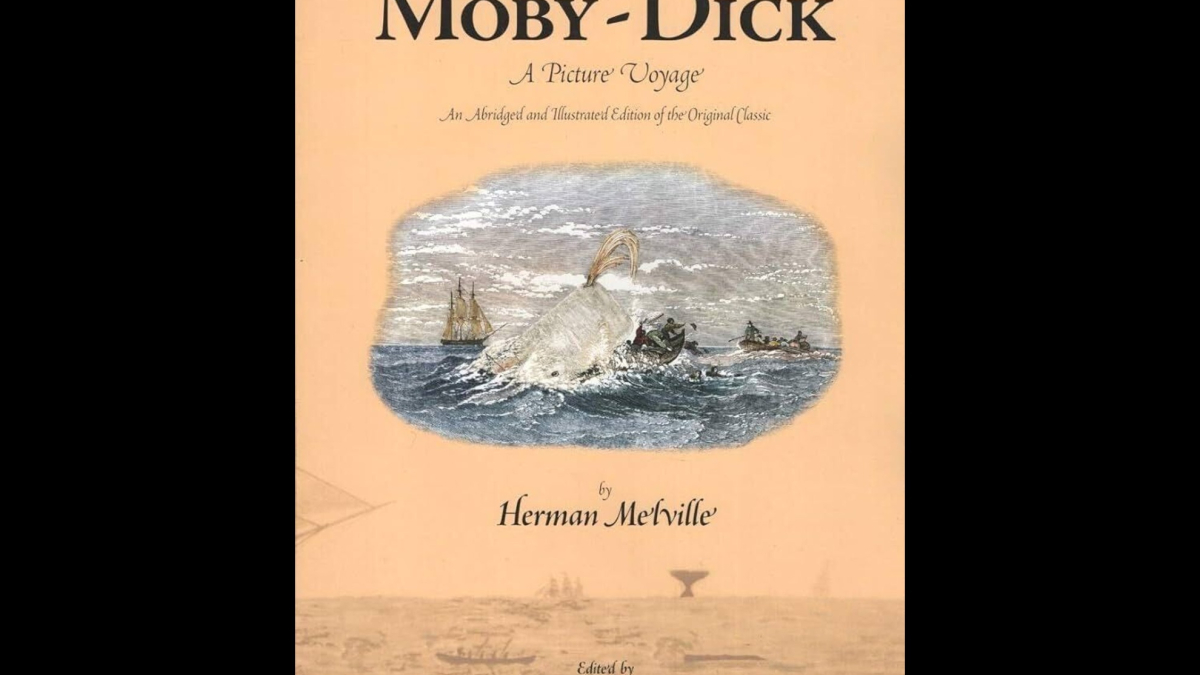
Melville is best known for creating the classic, Moby Dick
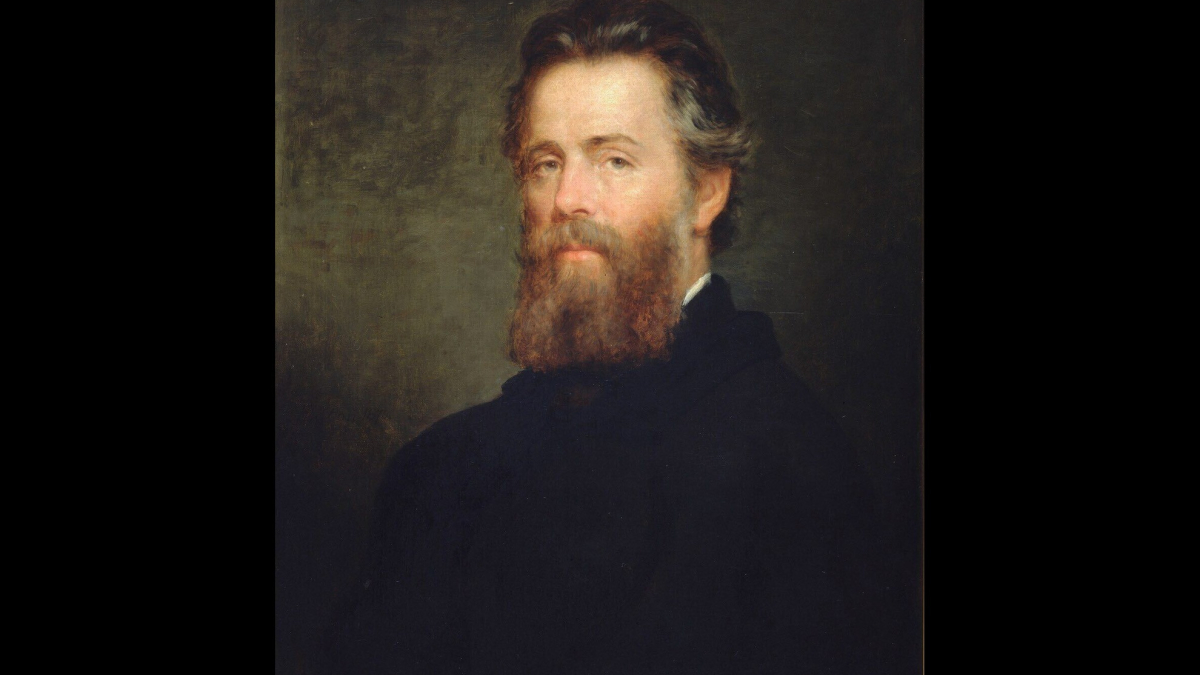
H erman Melville , the novelist whose Moby-Dick became one of the most celebrated works in American literature, explored the value of independent thought and creative ambition throughout his career. Born in New York City on August 1, 1819, Melville experienced financial hardship after his father's death in 1832. He went to sea in 1839, later joining the whaling ship Acushnet before leaving it in the Marquesas Islands, experiences that would influence his early fiction.
His first novel, Typee , published in 1846, drew on his Pacific adventures and achieved considerable success. Its sequel, Omoo , followed in 1847, helping establish his reputation as a writer of maritime adventure. However, Melville gradually pursued more ambitious literary and philosophical questions and created Moby-Dick , which tells the story of sailor Ishmael and Captain Ahab 's obsessive pursuit of the white whale that took the captain's leg. "It is better to fail in originality than to succeed in imitation," is perfectly captured in Moby Dick , which offers reflections on morality, fate, social divisions and humanity's struggle to understand existence and shows Melville 's willingness to experiment with narrative style distinguished the book from conventional adventure fiction. Its message nevertheless resonates with the challenges he faced while developing a literary style that departed from popular expectations.
How Moby Dick proves Melville’s philosophy
When Moby-Dick appeared, it received mixed reviews and failed commercially whilst Melville 's subsequent novel, Pierre : or, The Ambiguities , also struggled to find an audience, leaving him unable to sustain his growing family through literary earnings alone. As public interest in his fiction declined, Melville moved to New York City in 1863 and eventually worked as a customs inspector as he increasingly concentrated on poetry, publishing Battle-Pieces and Aspects of the War in 1866 and the ambitious Clarel in 1876. And his later years brought personal tragedies, including the deaths of his sons Malcolm in 1867 and Stanwix in 1886 as he retired from his customs position that year and continued writing poetry. Melville did not live to witness his transformation into a literary icon, but it did not deter his passion for the quill. He died as his reputation began recovering around the centenary of his birth in 1919, when readers reconsidered the depth, of his work. Today, Moby-Dick is widely regarded as one of the defining American novels and is admired for its exploration of obsession, human limitations and the search for meaning. Its recognition illustrates how original work can outlast the tastes and judgments of its own era.