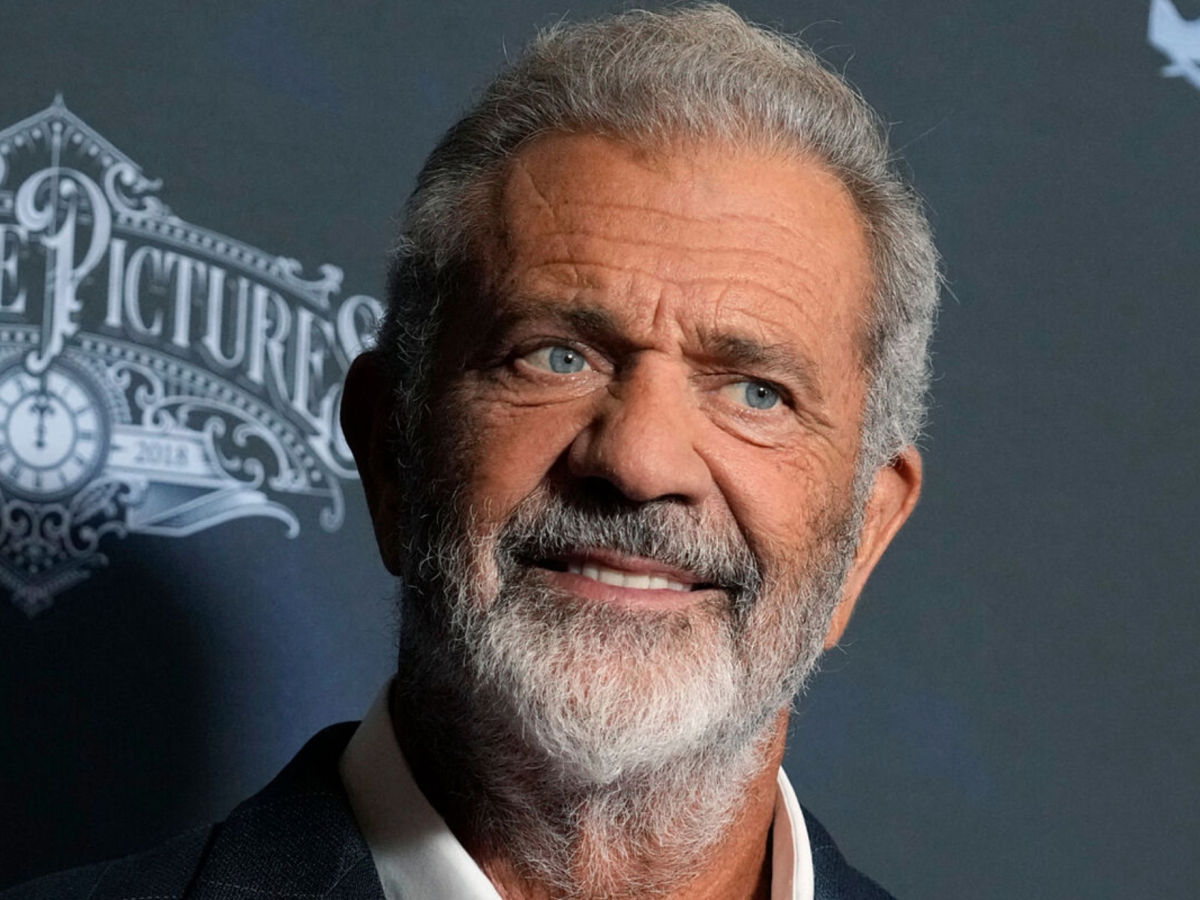
In 2005, Mel Gibson bought a paradise island for 15 million dollars despite opposition from the descendants of a tribe: he built a private bowling alley
The actor acquired Mago Island, in Fiji, and turned part of this Pacific enclave into an exclusive retreat.
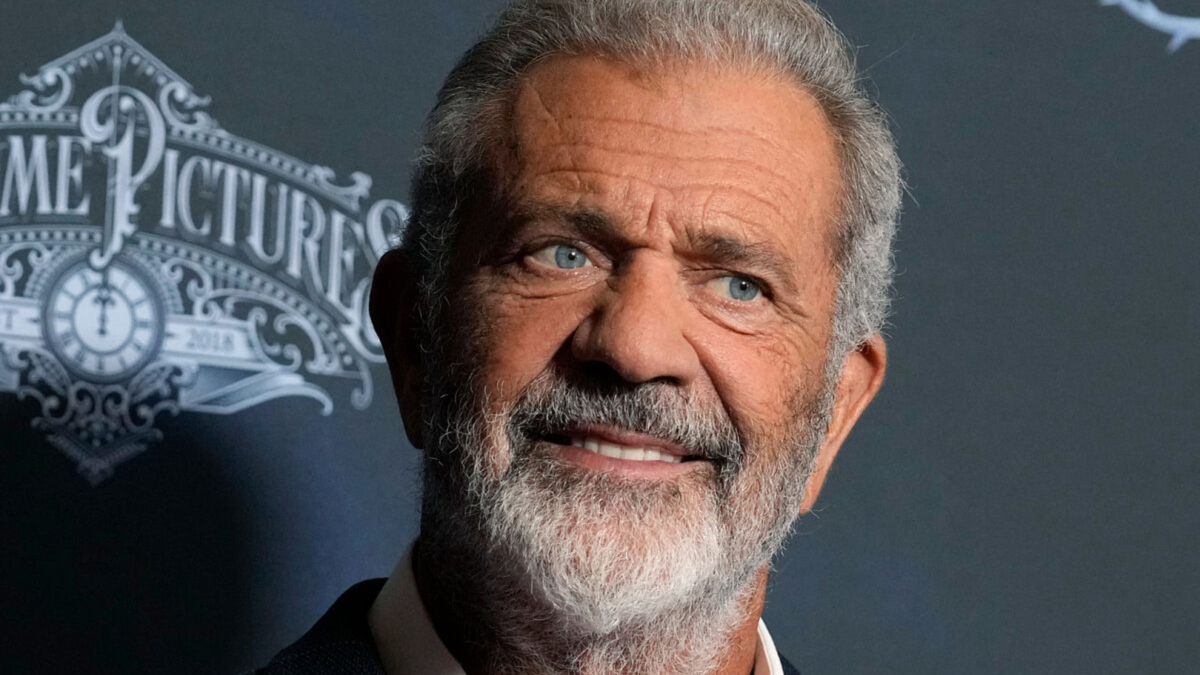
M el Gibson took the concept of luxury and privacy to another level when he decided to buy an island in the middle of the Pacific Ocean. In 2005, the American actor acquired Mago, a territory of about 2,160 hectares located in the Fiji archipelago, for approximately 15 million dollars . His intention was to have a place isolated from the world, surrounded by nature and far from media attention. However, the acquisition was not without controversy, as the descendants of the island’s former inhabitants opposed the deal and claimed their historical rights over the territory.
The island stands out for its white-sand beaches, crystal-clear waters, and tropical vegetation. Before passing into the hands of the star of Braveheart, the property belonged to a Japanese company. The sale received authorization from the Fijian authorities, but it reignited a conflict dating back to the 19th century, when the ancestors of a local community were expelled from those lands . Their descendants believed that the sale ignored their historical ties to Mago and questioned whether the territory could be transferred without taking their claims into account.
A private bowling alley transported by ship to Mel Gibson's paradise
Far from slowing down his plans, the controversy did not prevent the actor from beginning to adapt the island to his preferences . One of the most striking decisions was to install a private eight-lane bowling alley, whose equipment had to be transported by boat to the property. In 2006, several media outlets reported on the operation , which reflected the level of exclusivity Gibson intended to achieve in his private refuge.
Meanwhile, the descendants of the ancient inhabitants maintained their claims. Some representatives of the community argued that their ancestors had been dispossessed of their lands and explored possible legal avenues to challenge the sale. The dispute highlighted the clash between the interests of private owners and the historical claims of the communities tied to the territory.
Fijian authorities maintained that the transaction had been carried out in accordance with the established legal procedures . For his part, Gibson expressed his interest in preserving the island's natural environment, although the construction of leisure facilities for private use fueled the debate over the future of this enclave.