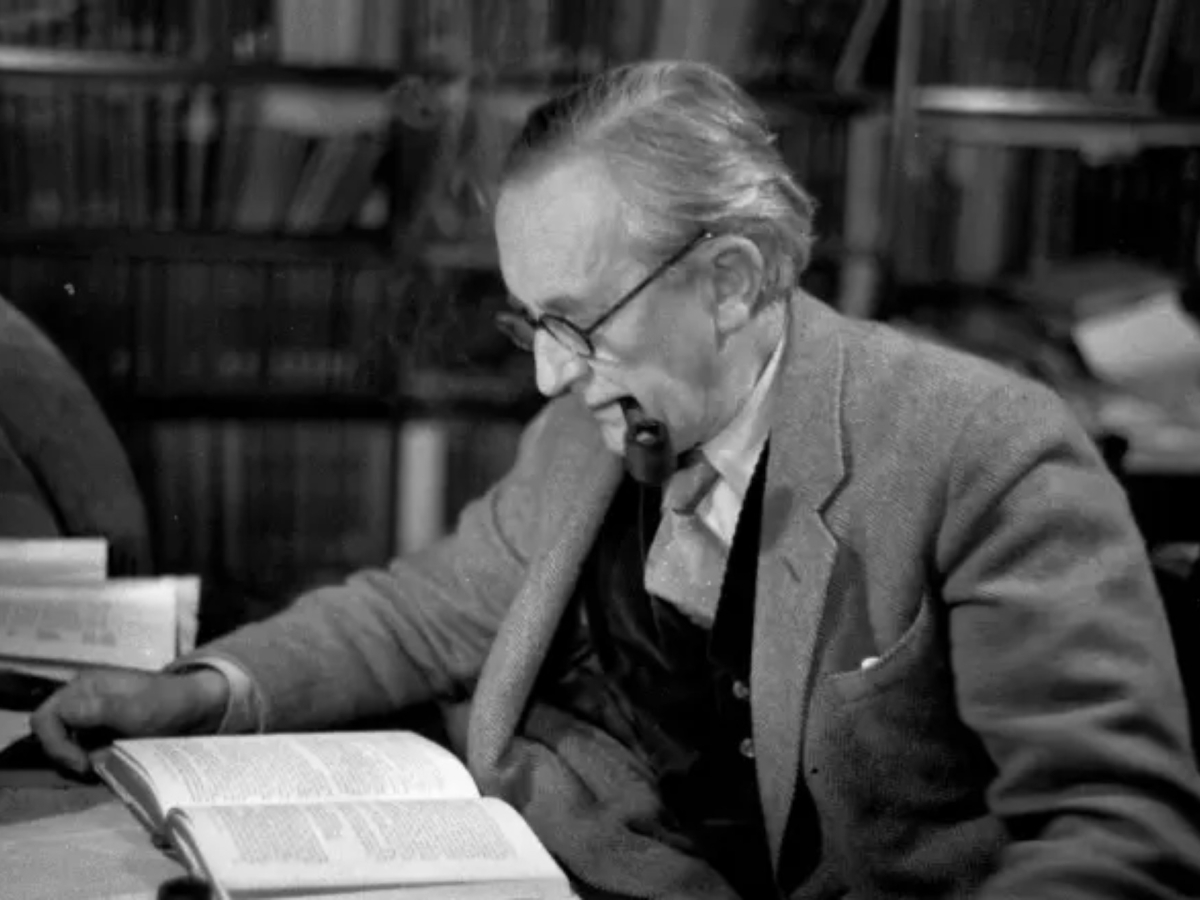
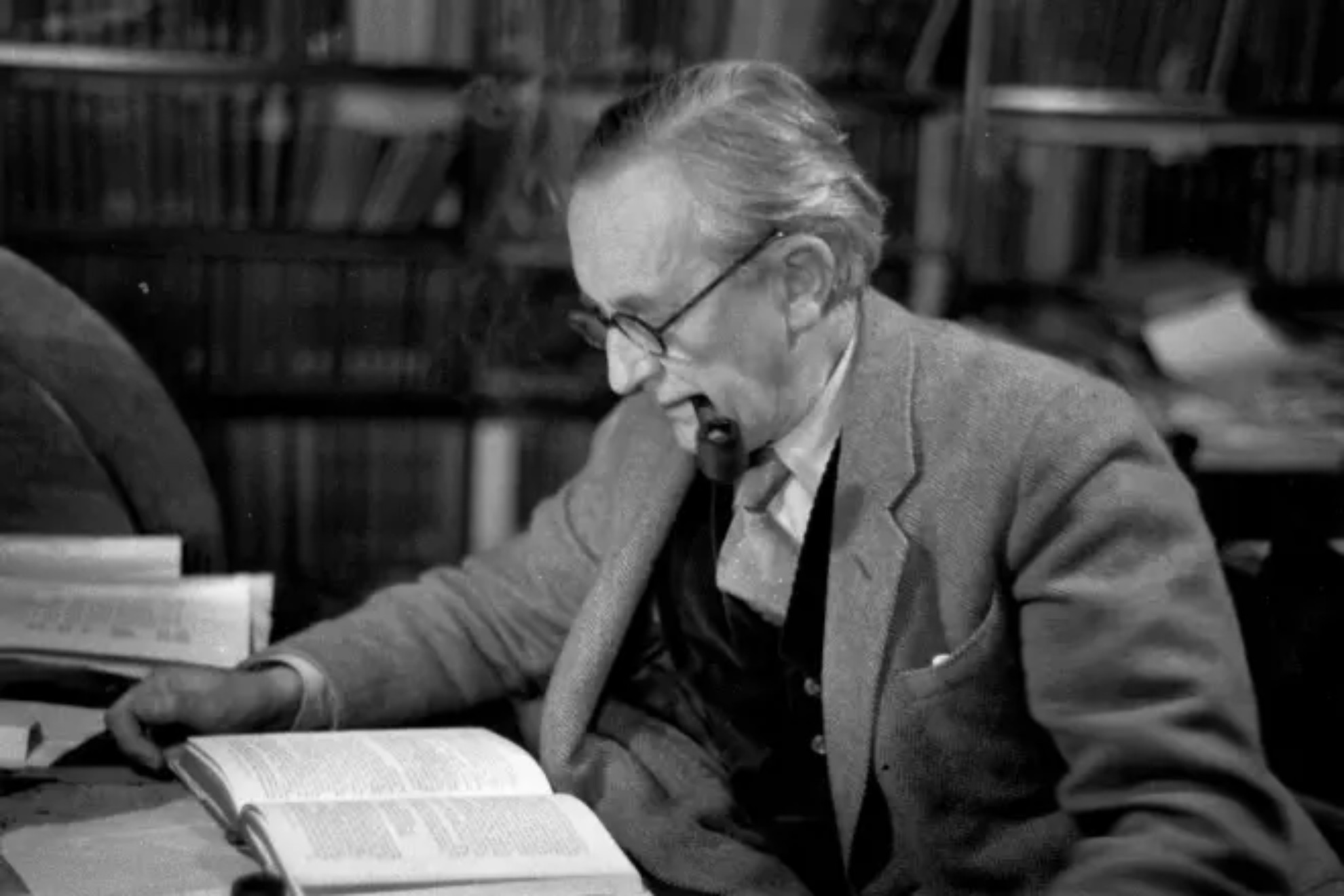
'J.R.R. Tolkien, writer: "There is always more in you than one expects!"'
The search for a deeper meaning in modern life can guide us toward resilience, especially in the face of contemporary disorientation, through J.R.R. Tolkien's reflection on his legendarium.
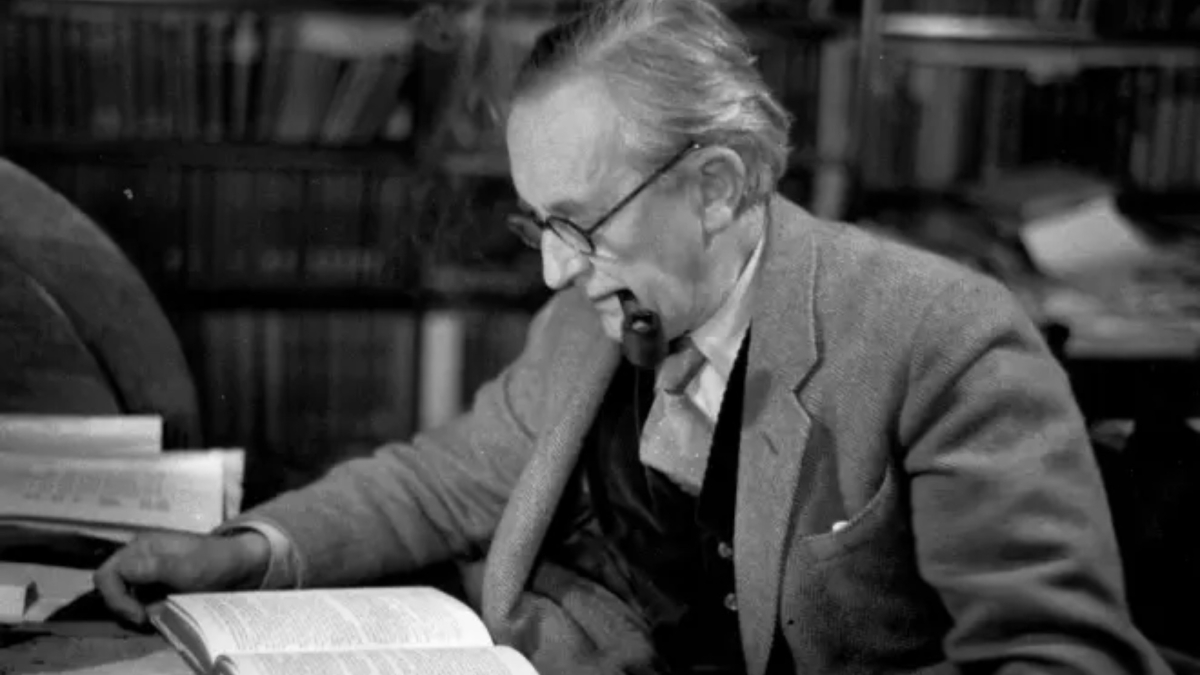
J.R.R. Tolkien, author of "The Hobbit," confronts human issues that resonate today , such as the search for meaning in a hyperconnected world. His phrase: “There is always more in you than one expects!” invites reflection on the direction of our lives, a dilemma heightened by the pressure of individualism and constant social comparison . This is relevant today, as many feel lost in the whirlwind of consumerism and hyperproductivity.
In addition, the fear of making mistakes and dependence on others' opinions are central themes in his work . Tolkien shows characters struggling against external influences, which becomes a mirror of our society, even more vulnerable to uncertainty and the speed of daily life. These internal struggles lead us to question our own decisions and the search for belonging in an increasingly divided world.
To understand the search for a deeper meaning in life, the thought of J.R.R. Tolkien offers a particularly interesting perspective . His reflection on the influence of religion in his work suggests that his deep Catholic devotion is reflected in his stories, guiding the characters on their journey toward meaning in a world full of challenges and choices. This analysis not only connects with the contemporary human experience of searching for purpose, but also highlights the intrinsic relationship between narrative and the exploration of existence that Tolkien so masterfully employed in his legendarium.
There is always more in you than one expects!
The essence of J.R.R. Tolkien and his inspiring message
'John Ronald Reuel Tolkien, known as J.R.R. Tolkien, was a renowned British writer and philologist, author of emblematic works such as "The Hobbit" and "The Lord of the Rings." Born in 1892 in South Africa and educated in England, his personal experiences, including his orphanhood and his experience in the First World War, shaped his perspective on life and literature . His deep Catholic faith also had a significant impact on his stories, where good and evil, struggle and hope intertwine. Through his work, Tolkien established himself as an authority in the high fantasy genre, leaving an indelible mark on contemporary literature.'
Tolkien's thought is situated within a cultural and intellectual context that transcends mere adventure narratives. His legendarium, a vast universe of mythology and invented languages, establishes a search for meaning and belonging in a world that often seems chaotic and devoid of direction. In this sense, his work can be related to that of other authors such as C.S. Lewis, whose friendship and collaboration in the literary group "Inklings" fostered an exchange of ideas about fantasy and morality. He is also influenced by earlier writers such as William Morris, who laid the foundations of fantasy literature that Tolkien would later redefine and expand.