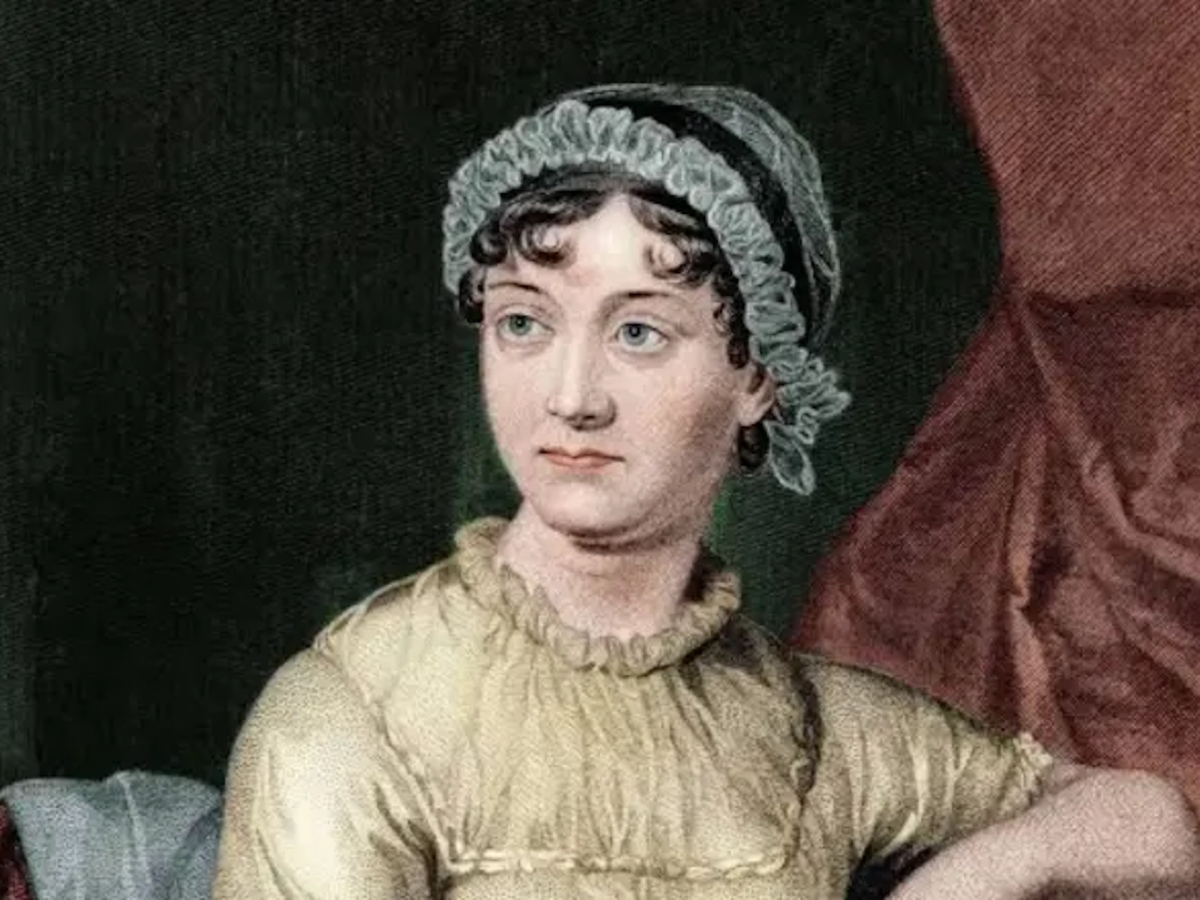
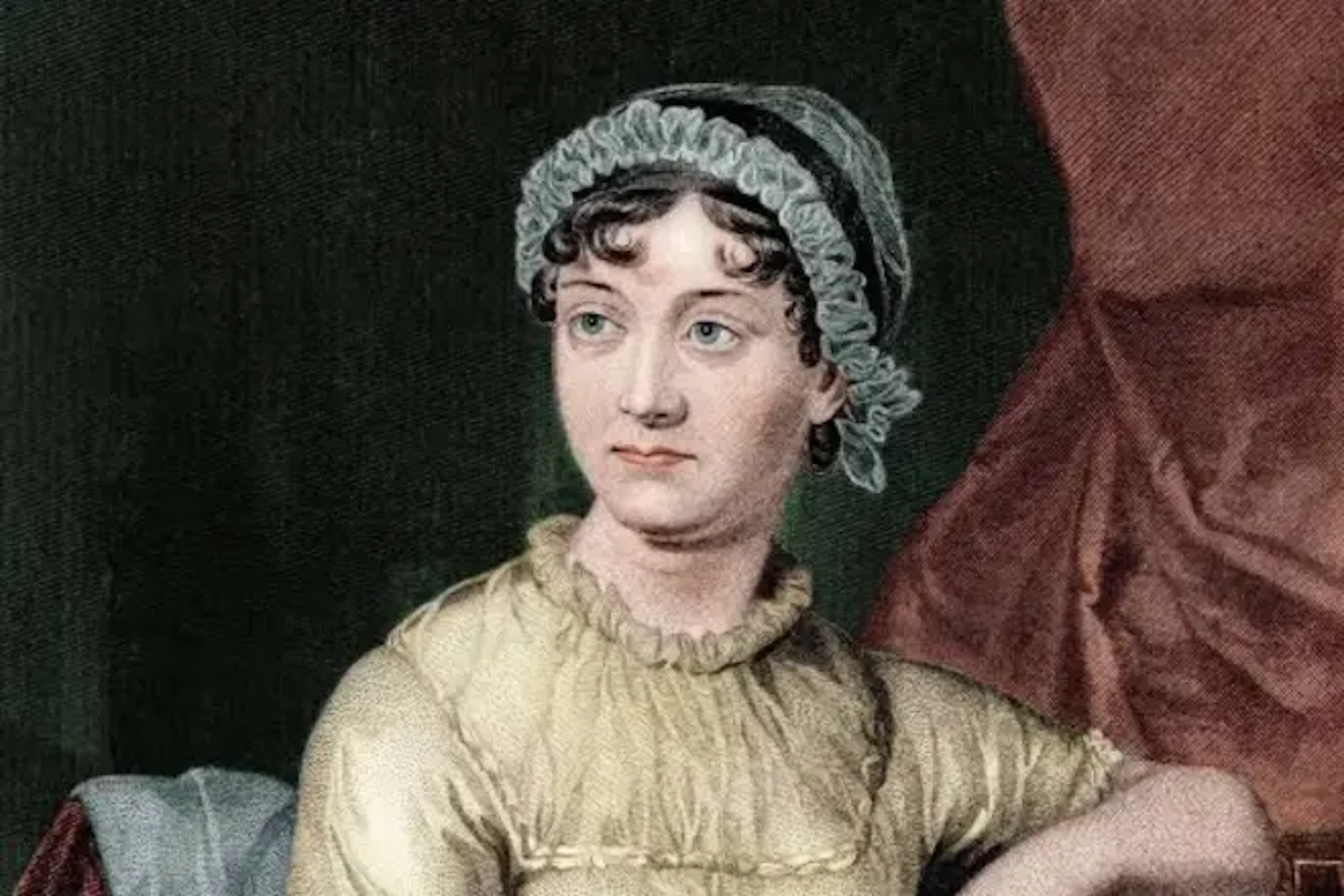
Jane Austen, writer: "There are very few people who have enough heart to fall in love without having been encouraged"'
The social pressure to marry can exert an overwhelming burden, but Jane Austen's critical approach to marriage reveals that true love and independence are key to a fulfilling life
In the work "Pride and Prejudice" , Jane Austen addresses the unsettling feeling that our lives lack direction through her characters in search of purpose in romantic relationships . The author highlights how the lack of incentive to fall genuinely in love can lead us to an empty existence, trapped in the constant search for love and approval. This dilemma is highly recognizable and resonates with the reader in their own search for happiness and meaning.
Furthermore, Austen reveals the pressure individuals feel to meet social expectations, which intensifies the frustration and fear of making mistakes in crucial decisions . Through the experience of her characters, the complexities of relationships and the norms that dictate behavior are explored, allowing readers to reflect on their own lives and choices.
To understand the social pressure to get married , the thought of Jane Austen offers a particularly interesting perspective. Her reflection on marriage and human relationships suggests that Austen's work focuses on the marriage of her protagonists, reflecting the social expectations of her time .
There are very few with enough heart to fall in love without having been encouraged
The context of Jane Austen's ideas and her reflections on love
Jane Austen (1775-1817) was an influential British novelist of the Georgian era, known for her sharp social criticism and her irony in portraying the customs of her time . She was born in Steventon, Hampshire, into a rural gentry family, which allowed her to closely observe the social and family dynamics of her era. Her work has transcended generations, covering themes such as marriage, women's education, and social criticism. Her most notable novels, such as "Pride and Prejudice," have left a lasting mark on literature, reflecting her talent for creating complex characters and situations that explore human aspirations and frustrations.
Austen's ideas are situated in a critical context toward the social expectations of her time, especially regarding marriage and female education. Her characters face pressures that lead them to question the value of marriage as mere social convenience as opposed to the genuine pursuit of love and compatibility. At the same time, her ironic style becomes a valuable tool for highlighting the hypocrisies of human relationships and the limitations imposed on women. Her influence extends to other contemporary and later authors, such as Mary Wollstonecraft, who also advocated for women's rights, but from a more explicitly feminist perspective.