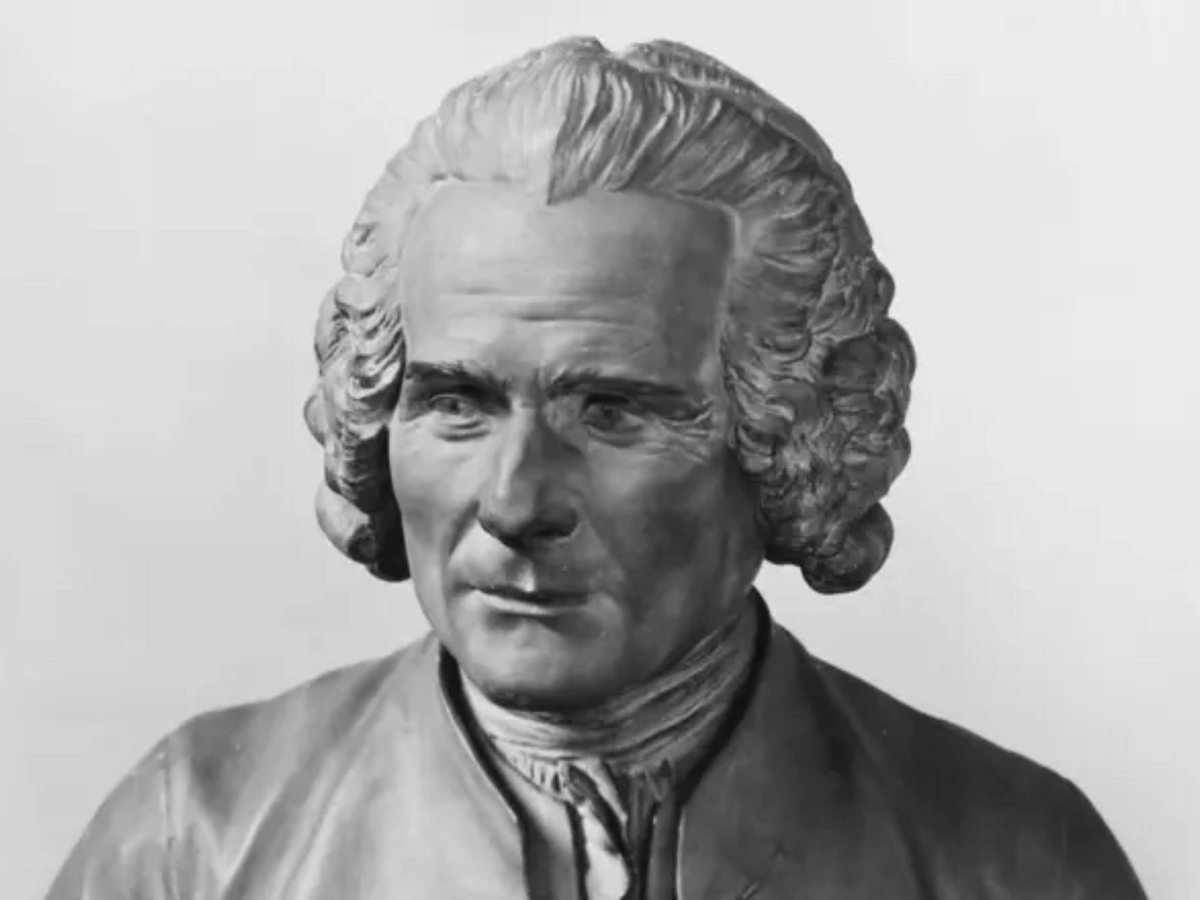
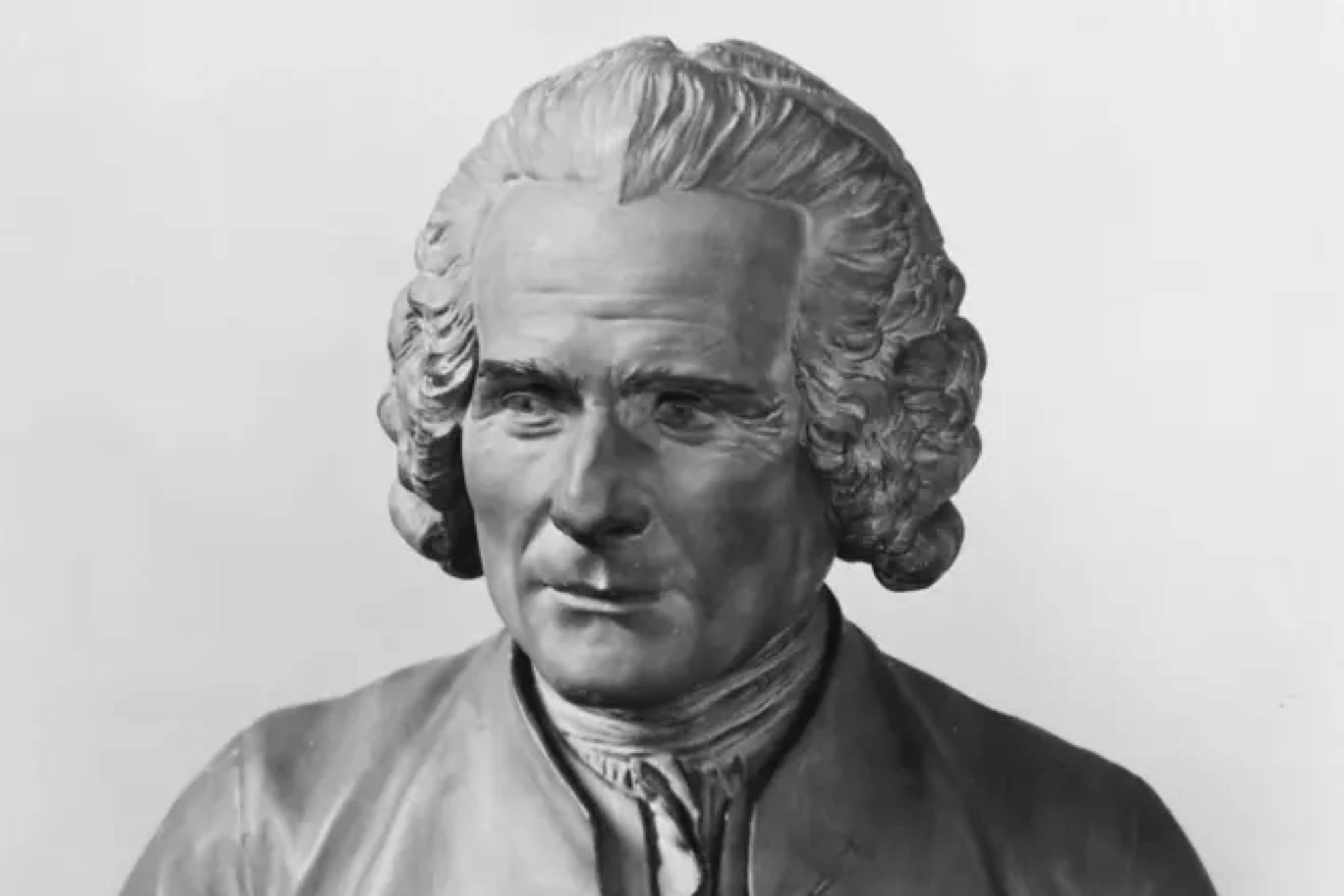
Jean-Jacques Rousseau, philosopher: "Walking on foot is the best way to travel"
Rousseau's critique of private property reveals the root of social inequality, a theme that resonates today as it questions justice and fairness in our societies.
The constant search for direction and meaning in life is a universal human struggle. Many feel trapped in routine, longing for happiness but unable to attain it. This desire for others' approval can lead to a paralyzing fear of making mistakes, generating loneliness and frustration, elements that shape our interpersonal relationships. Rousseau, in "The Confessions" , suggests that the act of walking reflects one of the most authentic means of exploring the world and oneself. This metaphor invites reflection on the importance of the personal journey toward self-understanding and genuine happiness.
The parallelism between walking and life resonates with those who face fear of the future and the inability to enjoy the present . With each step, the possibility of discovery emerges, not only of external landscapes, but of the inner essence as well. This struggle is the root of many deep human emotions, where direction and personal fulfillment become goals to be attained, highlighting the need to find an authentic path amid the confusion of the contemporary social environment.
Walking on foot is the best way to travel
The original goodness of man and the social contract in the work of Jean-Jacques Rousseau
Jean-Jacques Rousseau (1712-1778) was a Swiss polymath, philosopher, educator, and writer whose work left a significant impact on modern political and social thought . Born in Geneva, the context of his life was marked by the pursuit of freedom and truth, which was reflected in his criticism of social conventions and his exploration of human nature. Rousseau is known for his theories on the original goodness of man and the social contract, ideas that not only transformed philosophy, but also laid the foundations of modern democracy.
In his work, Rousseau argues that the human being is inherently good , but that society corrupts him, a perspective that contrasts with the thought of other philosophers such as Hobbes and Locke. This view challenges the inequalities forged by private property, which he considers the root of social conflicts. He also proposes that a legitimate government must be based on the general will of the people, which resonates with current democratic principles. Throughout his life, his ideas influenced movements such as the French Revolution and continue to be relevant in debates on social justice and progressive education.