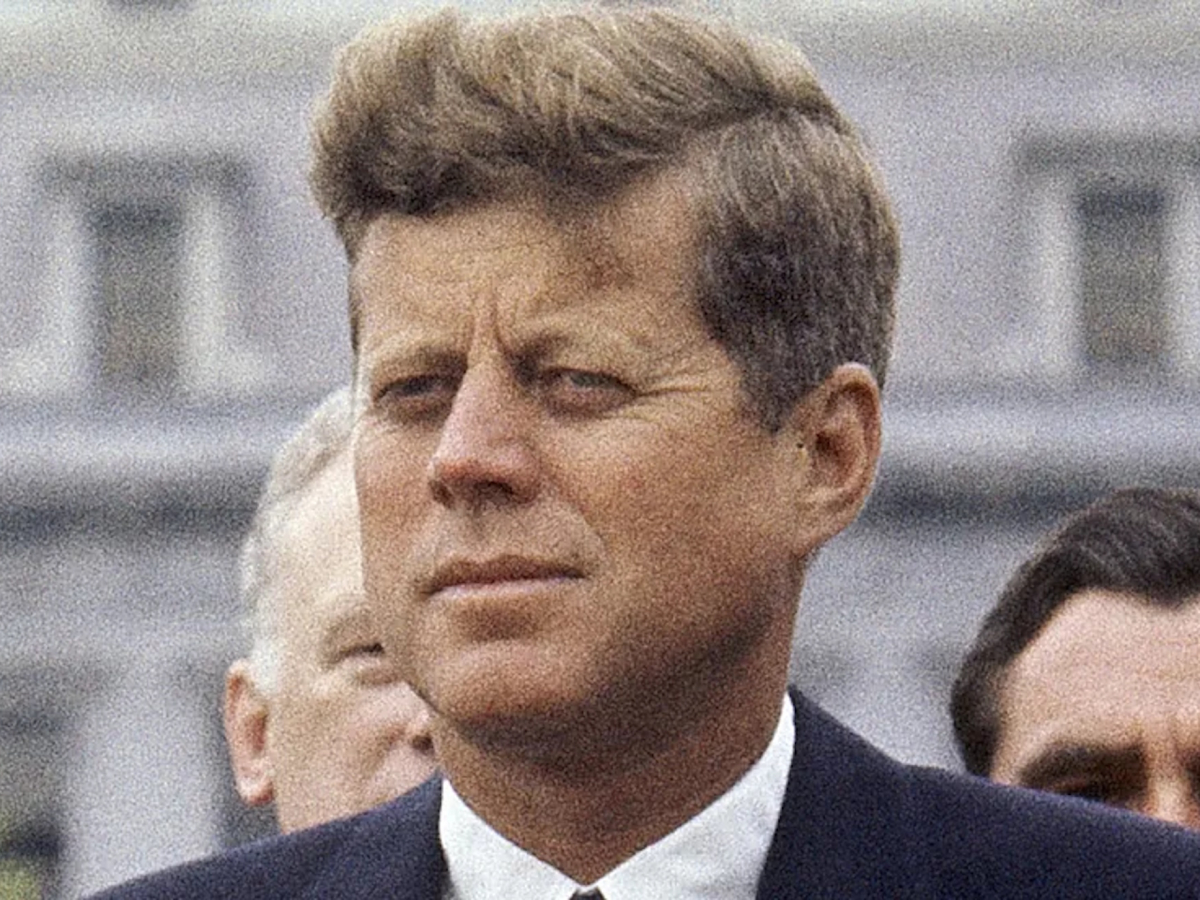
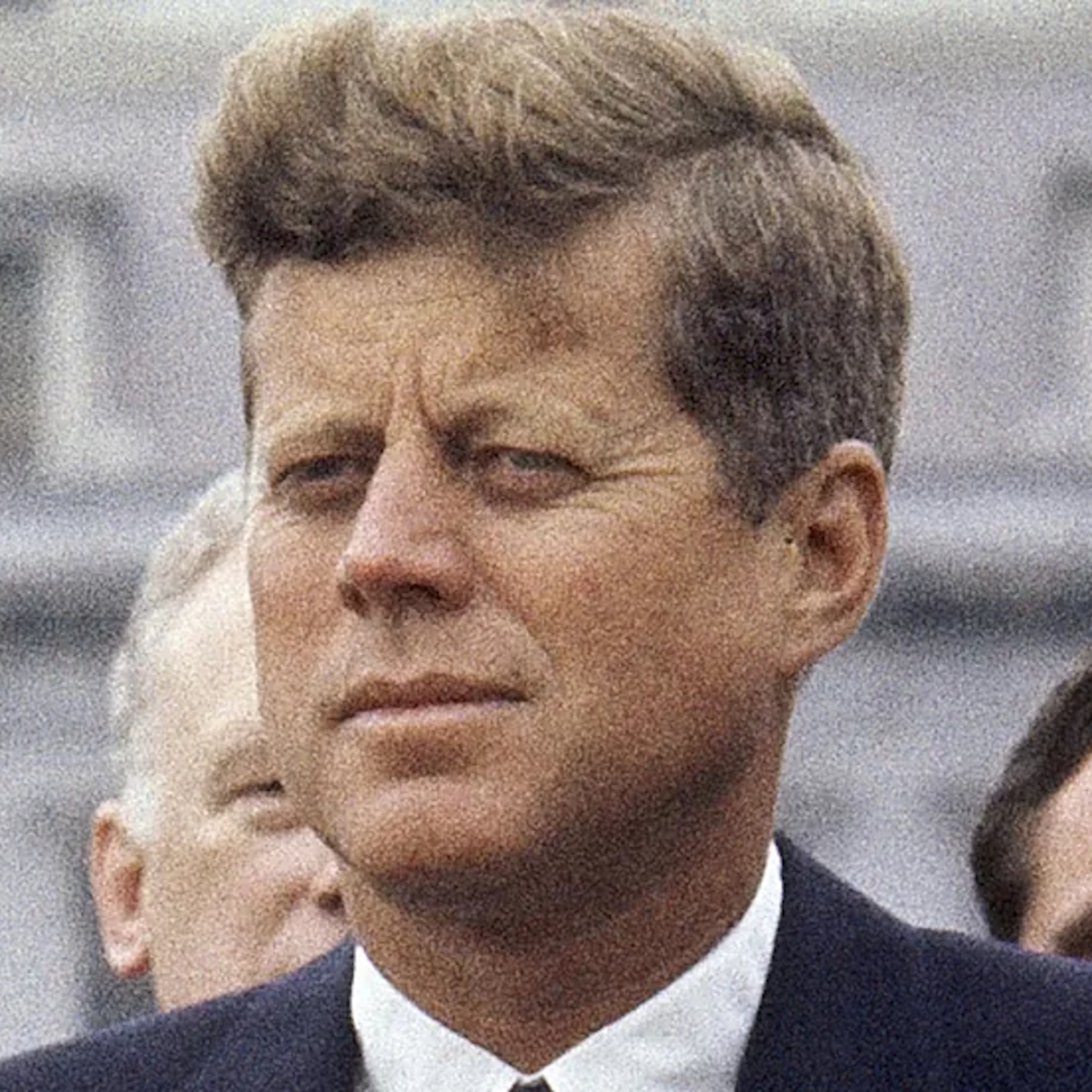
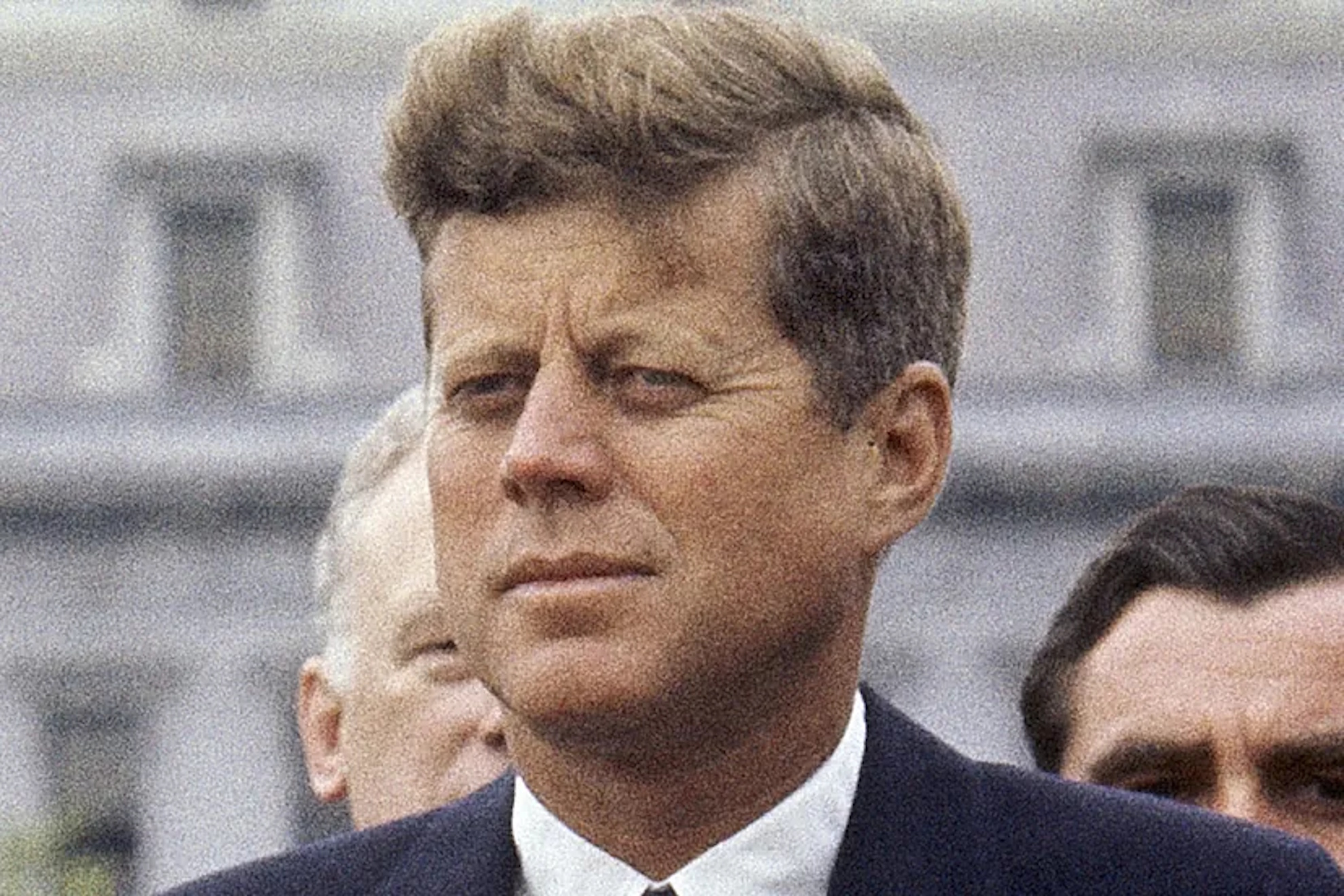
John F. Kennedy, U.S. President: "Too often we enjoy the comfort of opinion without the discomfort of thought”
The 35th President of the United States built his legacy around challenging conventional thinking in the Cold War
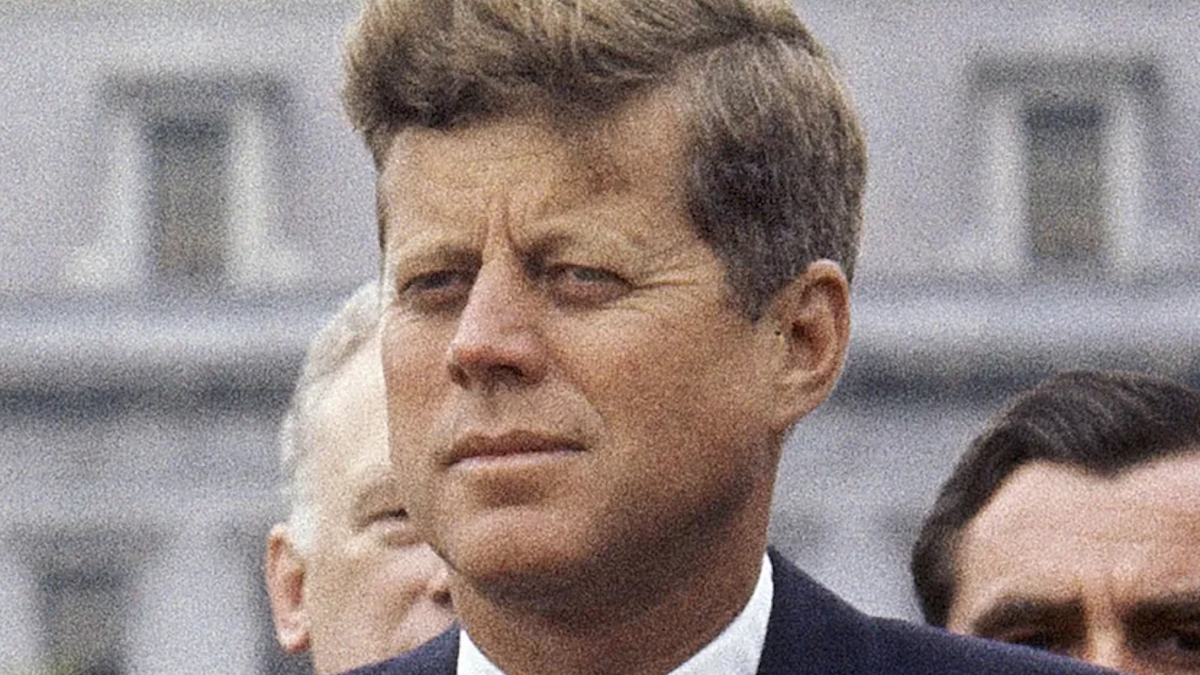
John F. Kennedy remains one of the most influential and recognizable leaders in American history and as the 35th President of the United States , he brought a sense of youthful ambition to the White House , becoming a symbol of political optimism during one of the most turbulent periods of the Cold War . Although his presidency lasted less than three years, Kennedy confronted nuclear confrontation, racial inequality and the growing competition between the United States and Soviet Union .
His leadership during the Cuban Missile Crisis , commitment to the space race and growing support for civil rights helped establish a legacy that continues to shape discussions about American leadership. And one of his most thought-provoking observations offers an insight into the principles that defined his public life as Kennedy once said, "Too often we enjoy the comfort of opinion without the discomfort of thought." The quotation challenges people to look beyond their existing beliefs and question whether their opinions are supported by genuine consideration as it suggests that forming an opinion is easy, particularly when it reinforces what someone already believes. However, it is thinking critically requires effort, openness and a willingness to confront uncomfortable possibilities and his political career demonstrated the importance of that distinction, particularly when decisions carried consequences far beyond his own administration. Born on May 29, 1917, in Brookline, Massachusetts , Kennedy grew up in a prominent political family as his father, Joseph P. Kennedy Sr. , was a wealthy businessman and diplomat, while his mother, Rose Kennedy , raised nine children. After graduating from Harvard University in 1940, Kennedy published Why England Slept , examining Britain 's lack of preparation for the S econd World War and his own experiences in Europe during the war helped shape his outlook as the Allies overcame Nazi Germany .
Kennedy's presidency put his willingness to think differently to the test
Serving in the US Navy , Kennedy commanded the patrol torpedo boat PT-109 , which was struck by a Japanese destroyer in August 1943 but despite sustaining injuries, he helped rescue members of his crew, earning the Navy and Marine Corps Medal . After entering politics in 1946, Kennedy served in the House of Representatives before winning a Senate seat in 1952 and his national profile continued growing, particularly after Profiles in Courage won the Pulitzer Prize for Biography in 1957. His election victory over Richard Nixon in 1960 made him the youngest person ever elected president at 43 and his inaugural address at the Capitol Building famously captured his belief in public responsibility. However, he quickly discovered that leadership required more than inspiring speeches. His administration suffered an embarrassing setback with the failed Bay of Pigs invasion in 1961, when Cuban exiles attempted to overthrow Fidel Castro 's government with American backing and the following year brought an even greater challenge. When surveillance discovered the USSR ’s nuclear missiles in Cuba , Kennedy faced pressure to respond decisively without triggering a war as he ultimately ordered a naval quarantine and pursued negotiations with Soviet leader Nikita Khrushchev , eventually securing an agreement to remove the weapons. His handling of the Cuban Missile Crisis demonstrated the value of considering alternatives rather than allowing immediate pressure to dictate decision and it also contributed to improved communication between Washington and Moscow and the 1963 Partial Nuclear Test Ban Treaty . Kennedy 's willingness to reconsider his administration's approach to foreign policy and international diplomacy avoided one of the tensest periods in all human history, a time when one wrong move could have results in the death of everyone alive – but his ambition did not stop there. He committed the United States to landing a man on the Moon before the end of the 1960s, challenging the country to pursue an objective that seemed extraordinary at the time and in 1969, NASA realized the dream as Neil Armstrong set foot on the Earth ’s satellite. On November 22, 1963, Kennedy was assassinated during a presidential motorcade in Dallas but more than six decades later, his legacy remains defined by his leadership during moments of extraordinary danger.