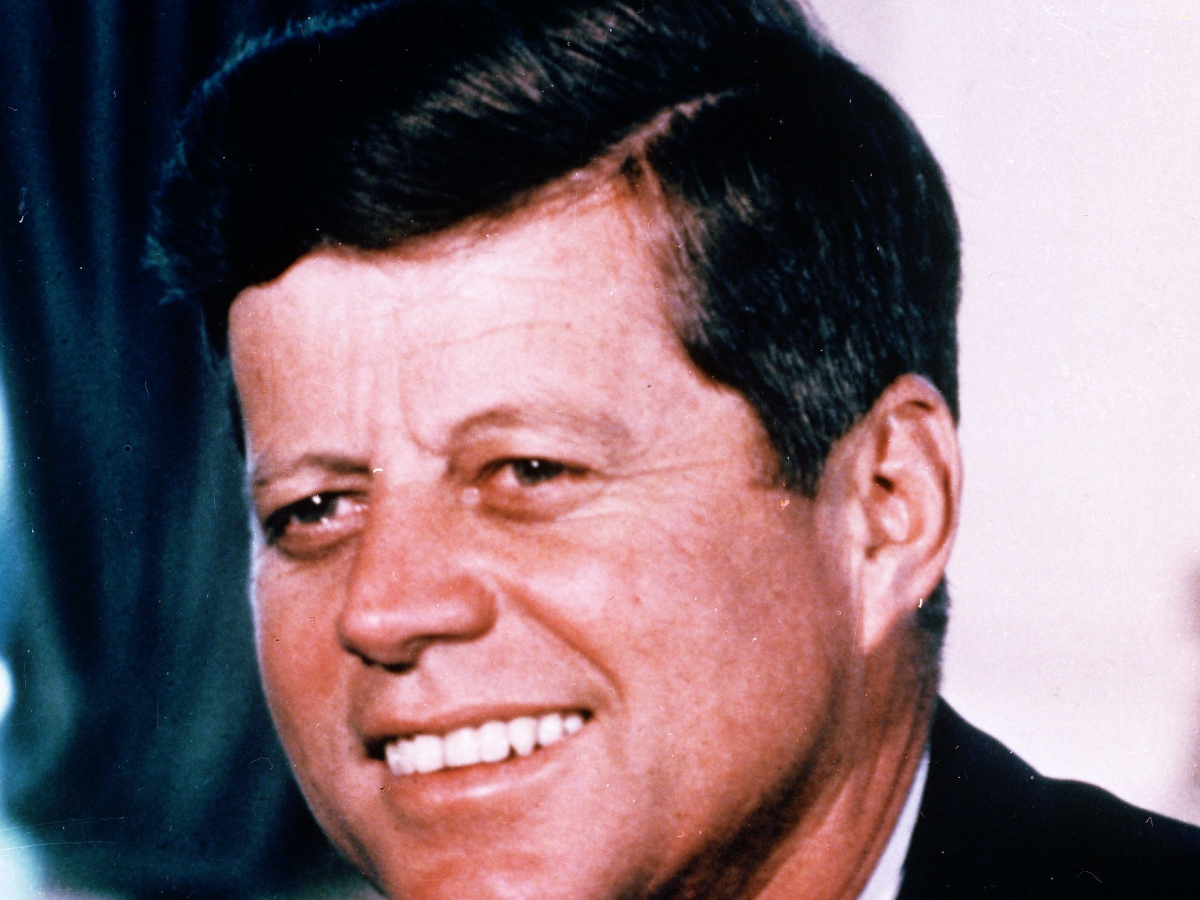
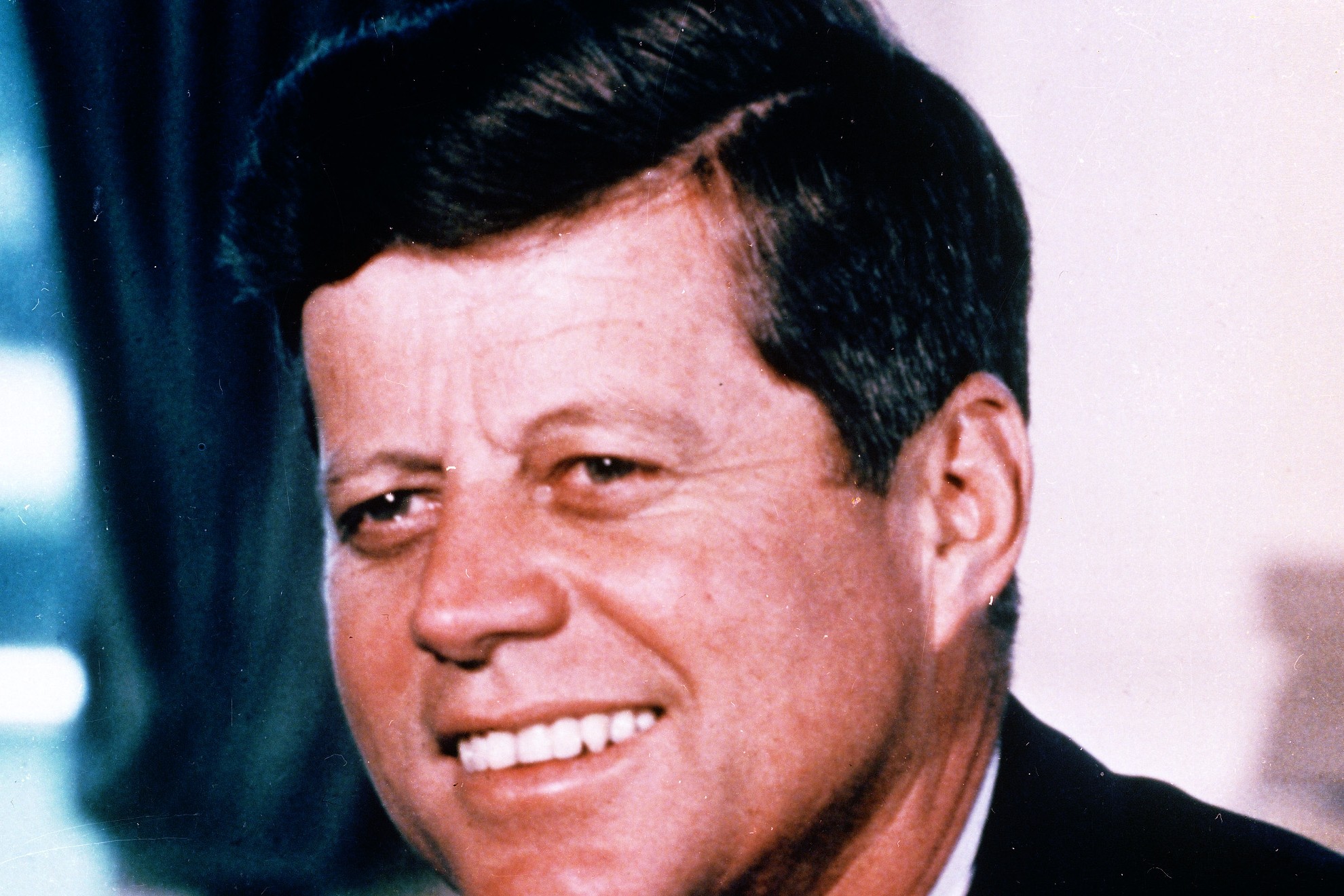
John Fitzgerald Kennedy, politician: "Efforts and courage are not enough without purpose and direction"
John F. Kennedy’s call for civic duty highlights the power of service in overcoming contemporary apathy, reminding us that true fulfillment often comes from engaging with our communities.
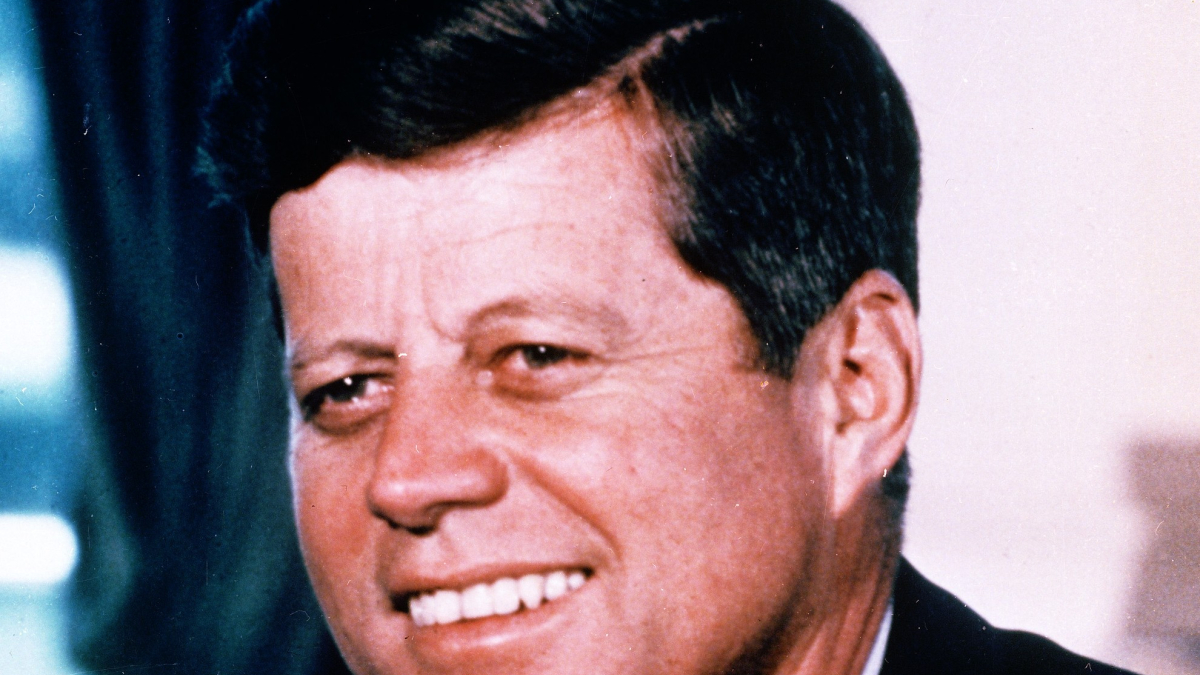
John Fitzgerald Kennedy, often celebrated for his pioneering vision, once stated, “Efforts and courage are not enough without purpose and direction.” This notion resonates profoundly in today's fast-paced world, where individuals frequently experience feelings of being lost in life due to the overwhelming speed of day-to-day activities and hyperconnectivity. The increasing pressure to achieve in a consumptive society leads many to question their purpose, contributing to a widespread sense of uncertainty and lack of motivation.
Moreover, Kennedy's advocacy for civic engagement and community service is particularly relevant in an era marked by individualism and social comparison. The pervasive impacts of social media have exacerbated public apathy toward civic participation, igniting a critical need for collective action and reinvigoration of one's civic duties. As we navigate the complexities of contemporary dilemmas, Kennedy's legacy compels us to seek purpose and actively engage in the societies we inhabit.
Efforts and courage are not enough without purpose and direction.
To understand the problem of feeling lost in life, the thought of John Fitzgerald Kennedy offers a particularly insightful perspective. His emphasis on purpose and civic duty highlights the necessity of engaging with one's community to find personal meaning. JFK believed that contributing to the nation not only fulfills individual lives but also strengthens societal ties, reminding us that a sense of belonging can emerge from commitment to the greater good.
John Fitzgerald Kennedy: Civic Engagement and the Pursuit of Purpose
John Fitzgerald Kennedy, known as JFK, served as the 35th President of the United States from 1961 until his assassination in 1963. Born on May 29, 1917, in Brookline, Massachusetts, Kennedy became a prominent figure during the Cold War, navigating critical challenges such as the Cuban Missile Crisis and advocating for civil rights. As the youngest individual ever elected to the presidency at age 43, he was a symbol of youthful ambition and progressive ideals, leaving a lasting impact on American society and politics through his dynamic leadership and vision for the nation.
Intellectually, Kennedy's thoughts were rooted in the ideals of civic engagement, social justice, and technological advancement. His "New Frontier" policy sought to inspire Americans to contribute to their nation, reflecting concepts similar to those of contemporary leaders like Lyndon B. Johnson, who built upon Kennedy's civil rights agenda. Additionally, the pressures of the Cold War shaped his focus on global cooperation and diplomacy, echoing the philosophies of other influential figures of the era, including Martin Luther King Jr., who represented the fight for civil rights and social equity. Kennedy's legacy intertwines with these movements, as he emphasized the importance of collective action and moral responsibility in the face of societal challenges.
One notable quote from Kennedy is, "Efforts and courage are not enough without purpose and direction." This phrase encapsulates the essence of his beliefs regarding civic engagement and the human experience. In a world often filled with apathy and cynicism, Kennedy stressed the necessity of having a clear mission and moral compass in order to achieve meaningful progress. His dedication to civic duty is evident in his founding of the Peace Corps and his commitment to civil rights, showcasing a profound understanding of the need for individuals to actively participate in the betterment of society.
In the context of the 21st century, Kennedy’s message resonates deeply in our daily lives. Many individuals often feel lost or disengaged, grappling with questions of purpose and identity amidst the complexities of modern society. By embracing the principle of service to others, as advocated by Kennedy, individuals can find satisfaction and fulfillment while contributing to their communities. Engaging in civic participation, whether through local volunteerism or political activism, reflects the ongoing relevance of his ideas and highlights the potential for every person to make a difference in this interconnected world.