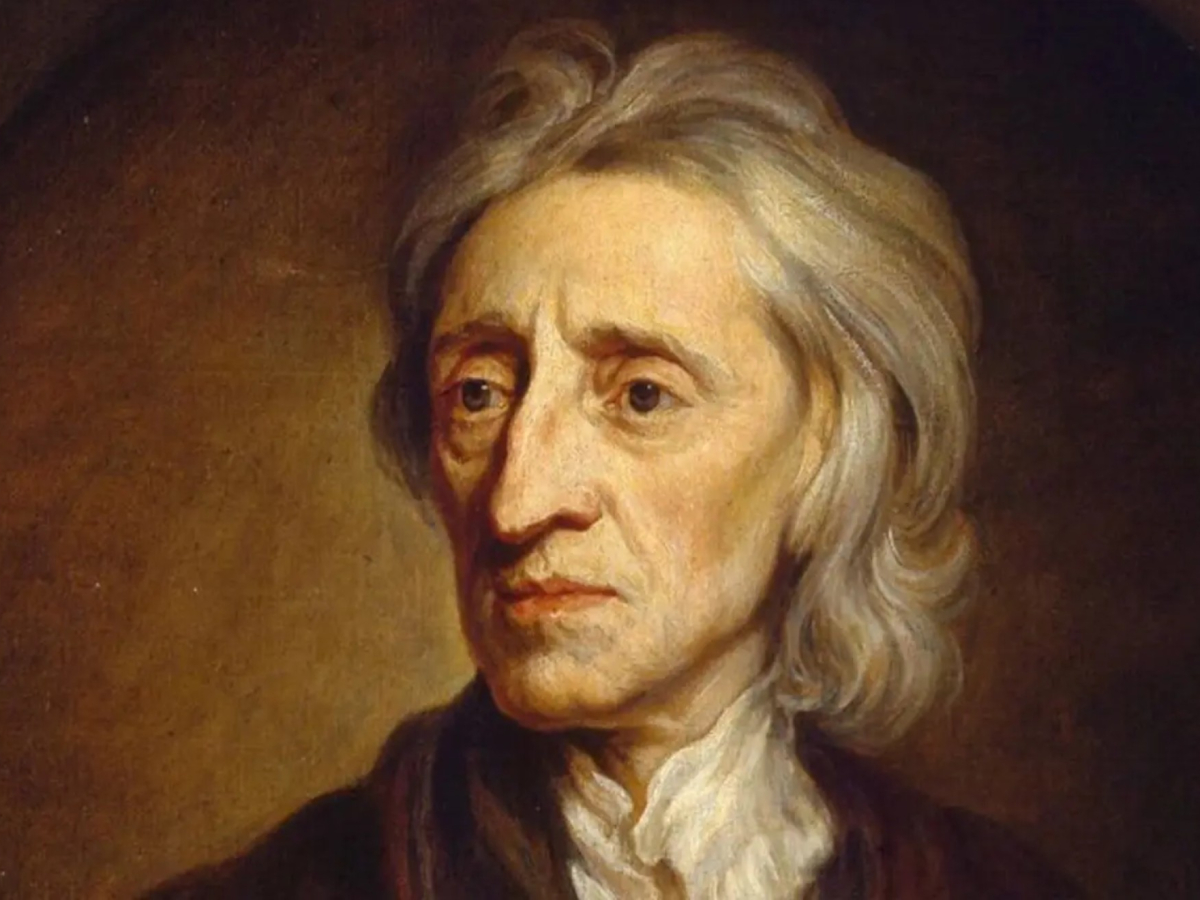
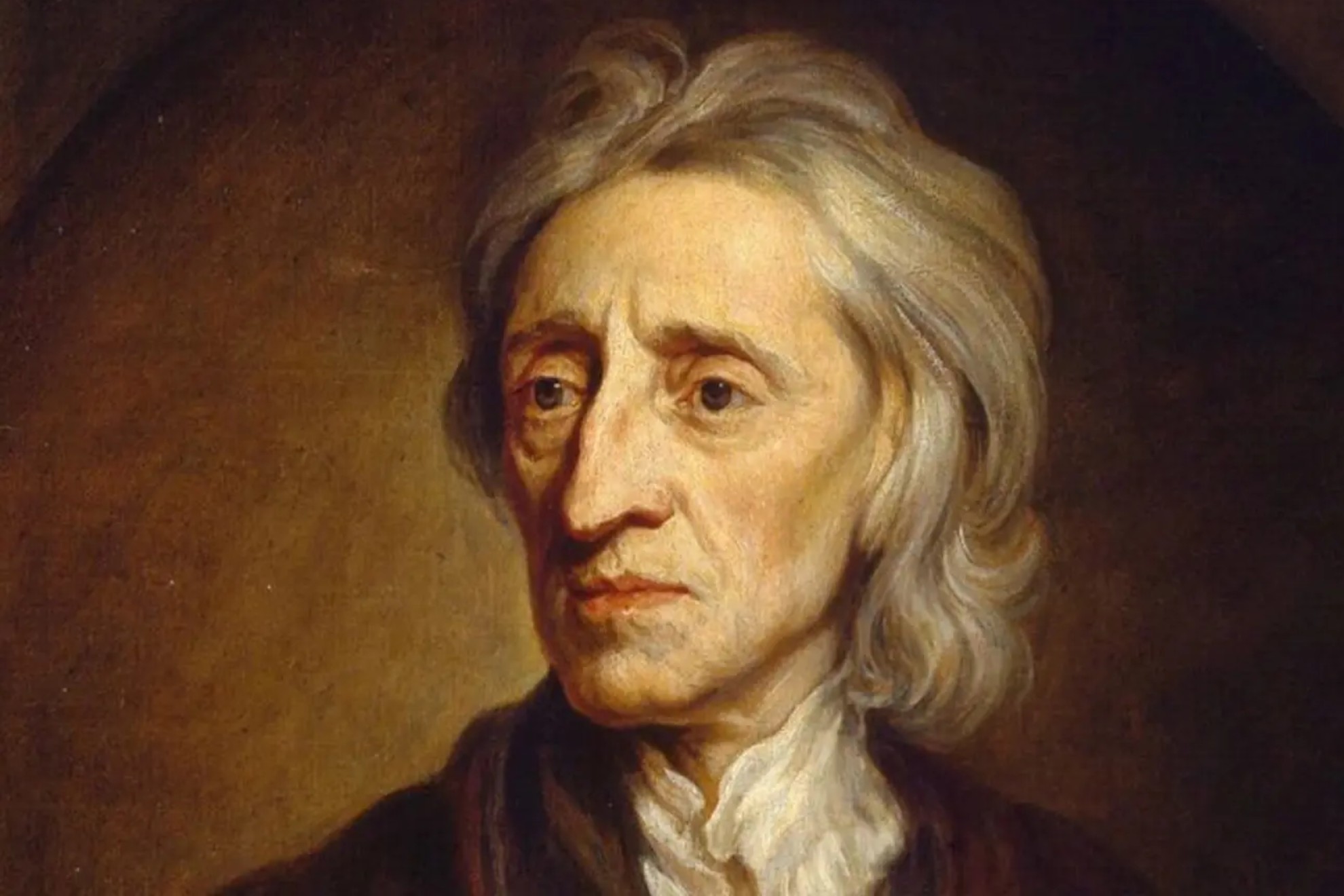
John Locke, philosopher: “Although the earth belongs to all men, each one has a property to which no one has a right”
The English thinker located the origin of all property in the body itself
More than three centuries after it was written, the phrase by John Locke once again resonates in the midst of the debate over access to housing. With purchase prices and rents rising faster than wages, many young people are unable to move out on their own, even though the Spanish Constitution recognizes in Article 47 the right to decent housing. Defenders of private property cite Locke to protect what has been obtained through effort; his critics recall that the philosopher himself placed limits on accumulation when it leaves others without enough.
The phrase comes from the ‘Second Treatise of Government’ , published in 1689 , and opens the fifth chapter, devoted to property. In its full version, Locke argues that, although the earth and all inferior creatures are common to all men , each one owns his own person , and no one has any right to it except himself. That final nuance is the key : the first property of the human being is his body .
Locke's philosophy: work as the origin of property
From that idea the philosopher draws a decisive consequence. If each person owns themselves , they also own the work of their hands . When someone gathers acorns or cultivates a field, they mix their effort with what nature offered to everyone and turn it into something of their own, without needing anyone's permission.
Locke did not defend unlimited appropriation. He set two conditions : no one should take more than they can actually make use of before it spoils, and there must always be enough left, and of equal quality, for others.
Few pages have had such influence. Its defense of life, liberty, and property inspired the United States Declaration of Independence and became one of the pillars of liberalism. It has also received criticism, because its reasoning served to justify the occupation of indigenous lands in America, considered empty because they were not cultivated in the European manner.
John Locke: Physician, exile, and father of liberalism
John Locke was born in 1632 in Wrington , in the English county of Somerset, the son of a Puritan lawyer. He studied at the University of Oxford , where he studied Medicine , a discipline that opened the doors to the household of Lord Ashley, the future Earl of Shaftesbury, for whom he served as physician and adviser.
His protector’s fall from grace forced him to go into exile in the Netherlands in 1683 . He returned to England after the Glorious Revolution of 1688 and then published his great works, among them the ‘Essay Concerning Human Understanding’ and the ‘Letter Concerning Toleration’. He died in 1704 in Essex.