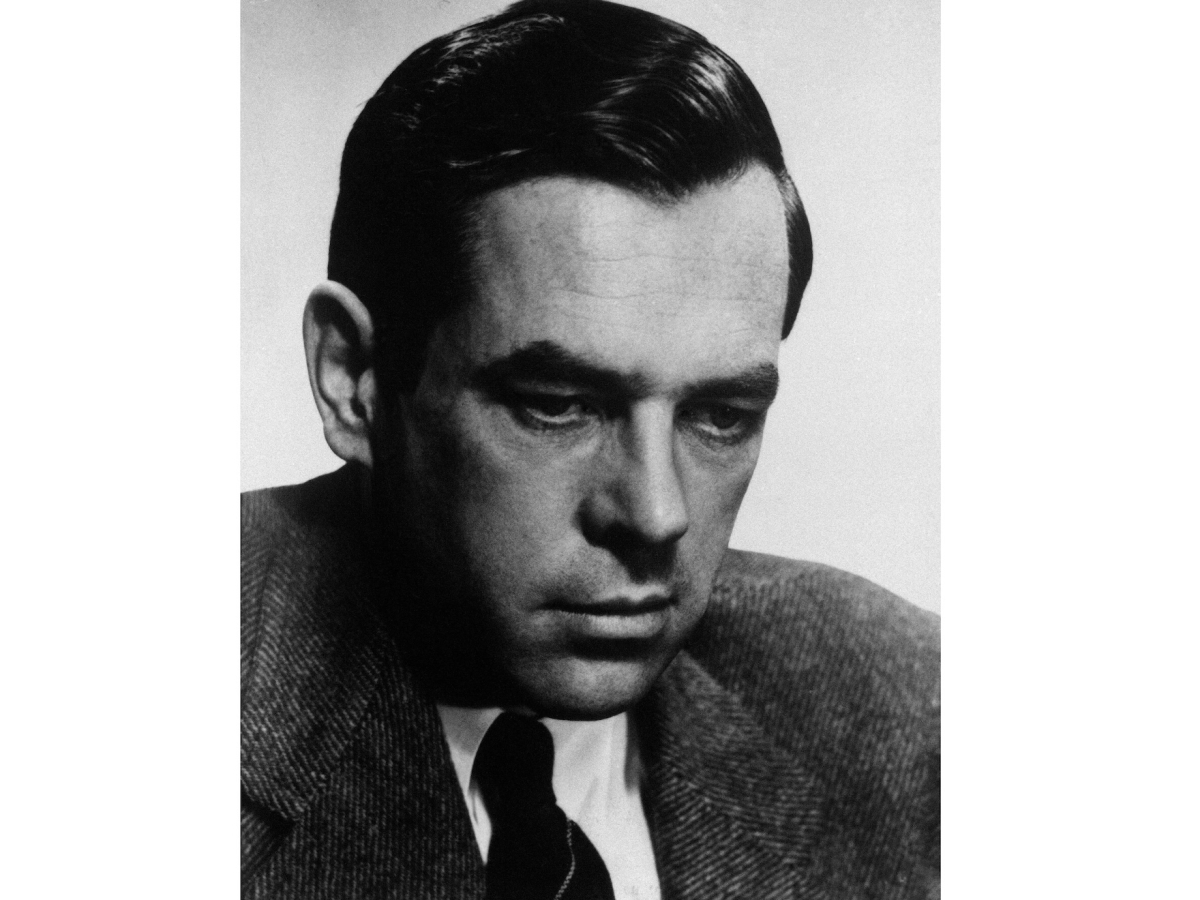
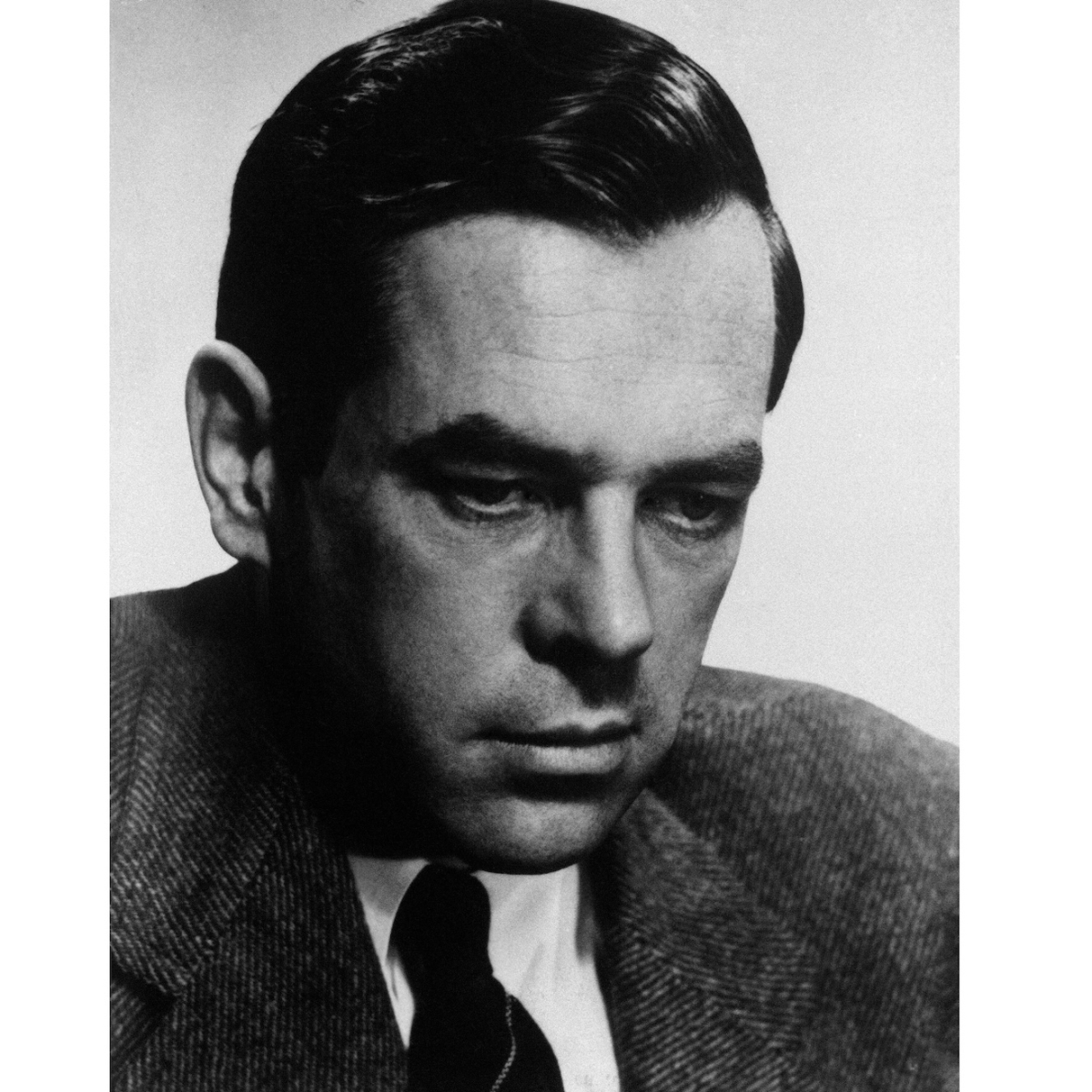
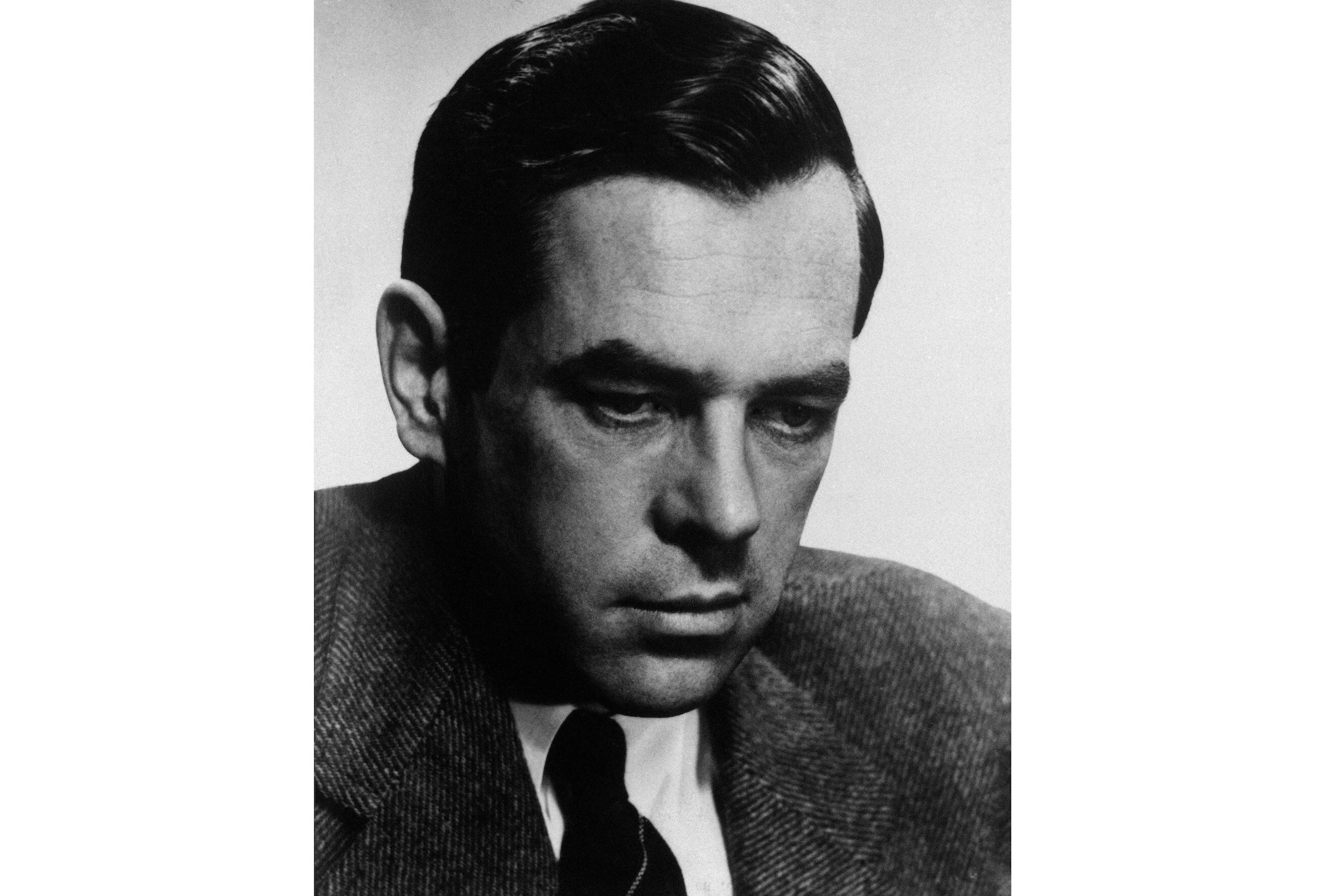
Joseph Campbell, American writer: ”We must be willing to let go of the life we planned so as to have the life that is waiting for us"
A reflection on change and uncertainty offers a different way of understanding disappointment, unexpected opportunities and personal growth
Most people spend years imagining how their lives will unfold, setting goals for their careers, relationships and personal achievements. Yet some of life's most important opportunities emerge precisely when those carefully constructed plans begin to fall apart.
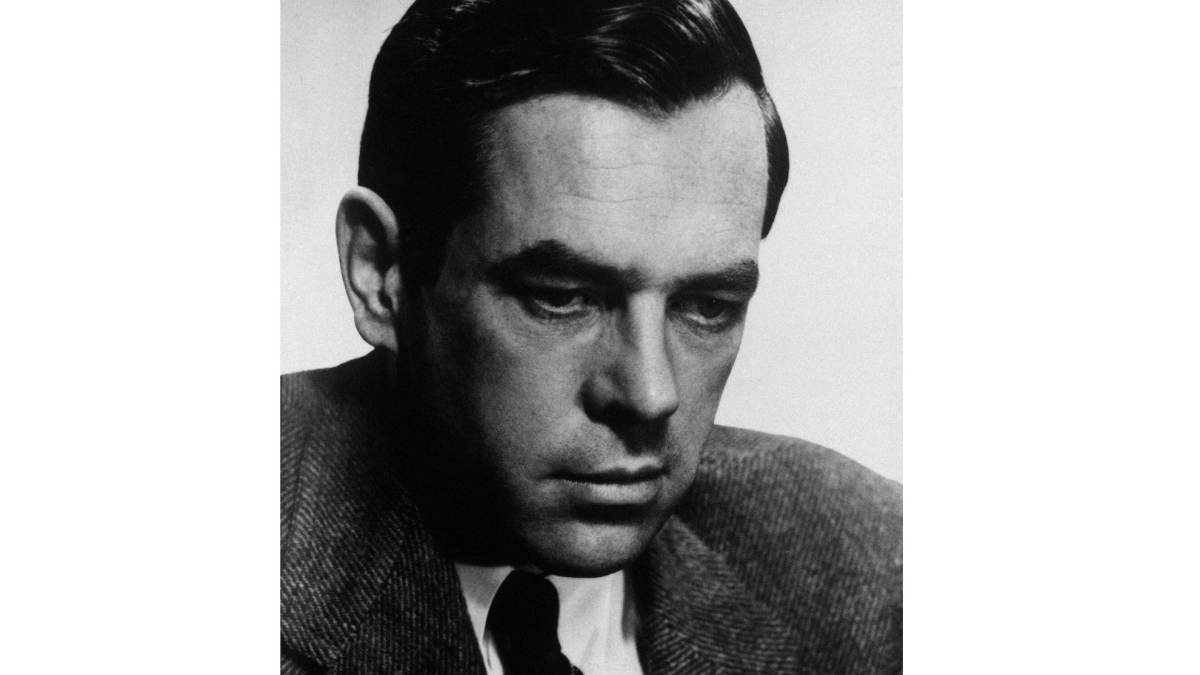
American writer and mythology scholar Joseph Campbell explored this tension between expectation and reality through a philosophy that continues to resonate decades after his death in 1987.
One of his most widely circulated observations captures the challenge of accepting an uncertain future: “We must be willing to let go of the life we planned so as to have the life that is waiting for us.”
The statement suggests that personal fulfillment doesn't always come from following a predetermined path. Sometimes, it requires abandoning expectations that no longer reflect who we are or what we genuinely want.
Campbell 's message is not necessarily an argument against ambition or planning. Instead, it challenges the belief that success must follow a particular sequence of events, encouraging people to recognize possibilities they might otherwise overlook.
What Joseph Campbell's famous quote really means
The central idea behind Campbell 's observation is that change becomes more difficult when individuals measure their present circumstances against an imagined future that may no longer be achievable.
A career setback, the end of a relationship or an unexpected personal responsibility can disrupt years of preparation. Such experiences often produce disappointment because they challenge the identity people have built around their expectations.
Campbell 's philosophy offers a different perspective, suggesting that relinquishing an outdated plan can create space for unexpected growth rather than representing a personal failure.
His thinking was heavily influenced by his study of mythology, particularly the recurring stories in which ordinary individuals encounter unfamiliar challenges and emerge transformed by their experiences.
In his influential 1949 book, The Hero with a Thousand Faces, Campbell examined what became widely known as the hero's journey, a narrative pattern involving departure, adversity and personal transformation.
Although originally developed through the study of traditional stories, the concept also offers a framework for understanding the uncertainty and difficult transitions people encounter in everyday life.
Why Campbell's message remains relevant today
The enduring appeal of Campbell 's words lies in their recognition that uncertainty is an unavoidable part of life, particularly when circumstances develop differently from what people anticipated.
However, accepting change doesn't mean ignoring responsibilities or making impulsive decisions. It can involve reconsidering priorities, adapting long-term goals and acknowledging when an established direction no longer provides satisfaction.
The quotation is commonly circulated using the words "let go," although a version recorded in the 1991 collection A Joseph Campbell Companion: Reflections on the Art of Living uses the phrase "get rid of" instead.
That collection, edited by Diane K. Osbon , brought together reflections she had recorded from Campbell, helping preserve ideas that continued reaching audiences after his death.
Ultimately, Campbell 's message presents personal growth as a process of adjustment rather than strict adherence to expectations.
The life someone eventually finds meaningful may look very different from the one they originally imagined, and recognizing that possibility can be the beginning of an entirely new chapter.