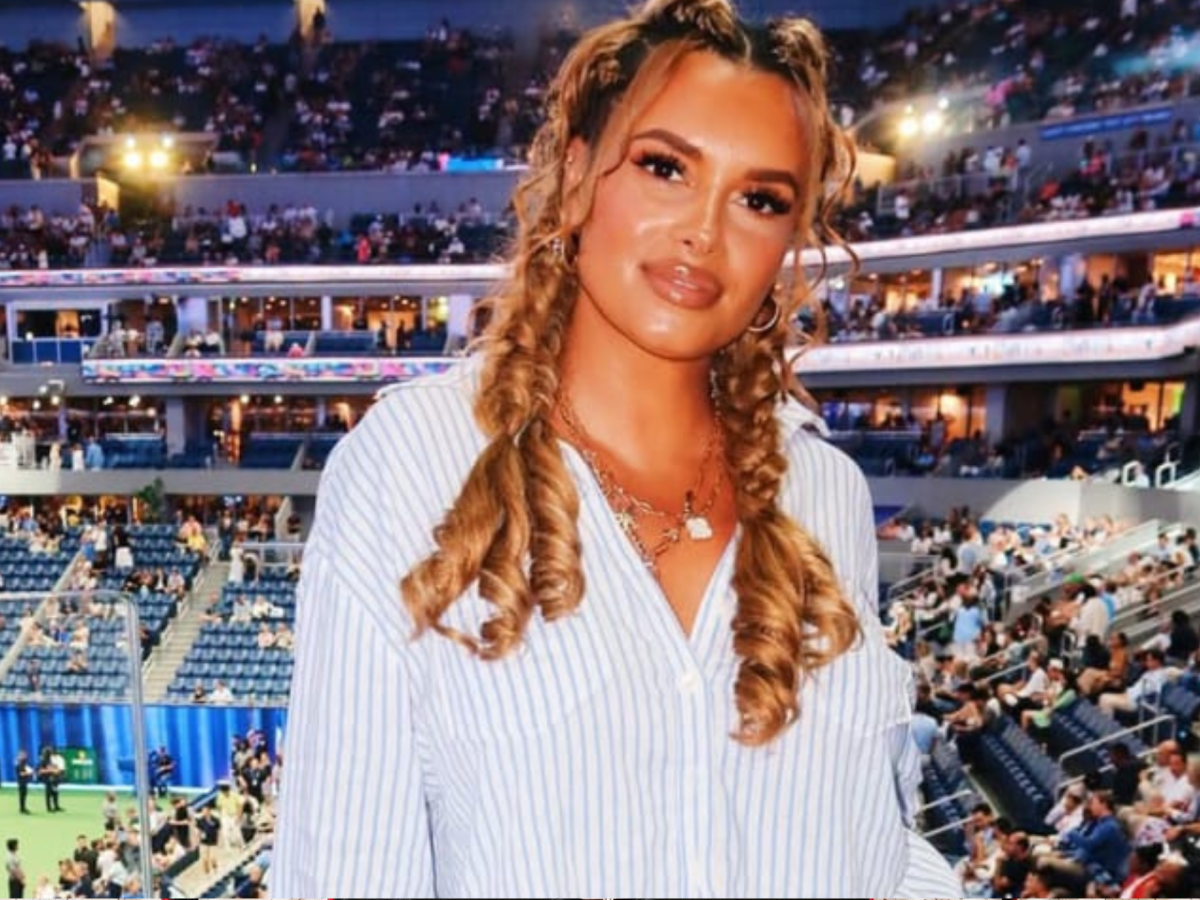
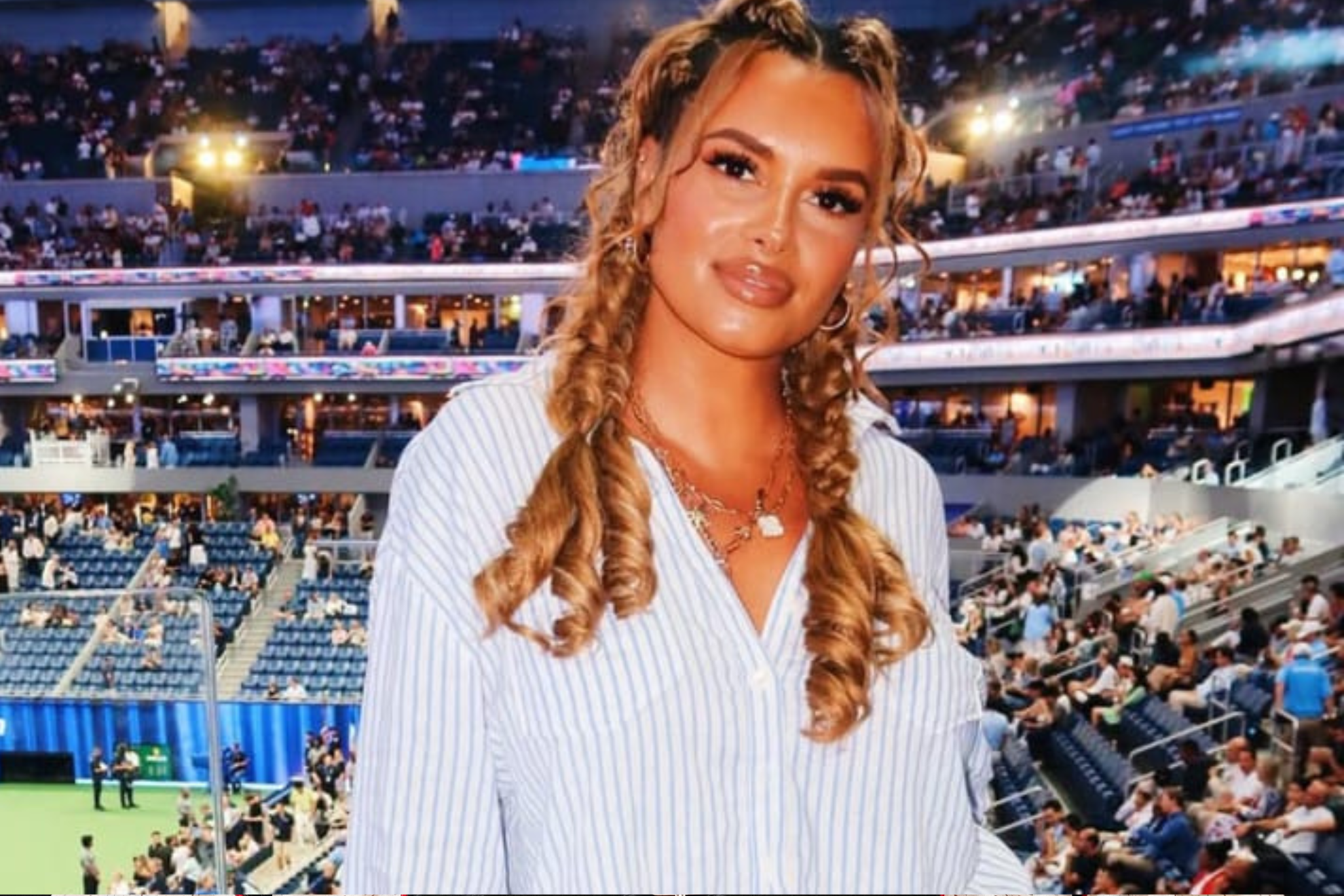
Joy Taylor and her controversial statement about Sydney Sweeney: “What would happen if a Black woman made the same ad?”
The former Fox Sports 1 host and American sports journalist further fueled the controversy over the Novig ad and sparked a debate about race, sexualization, and the representation of women.
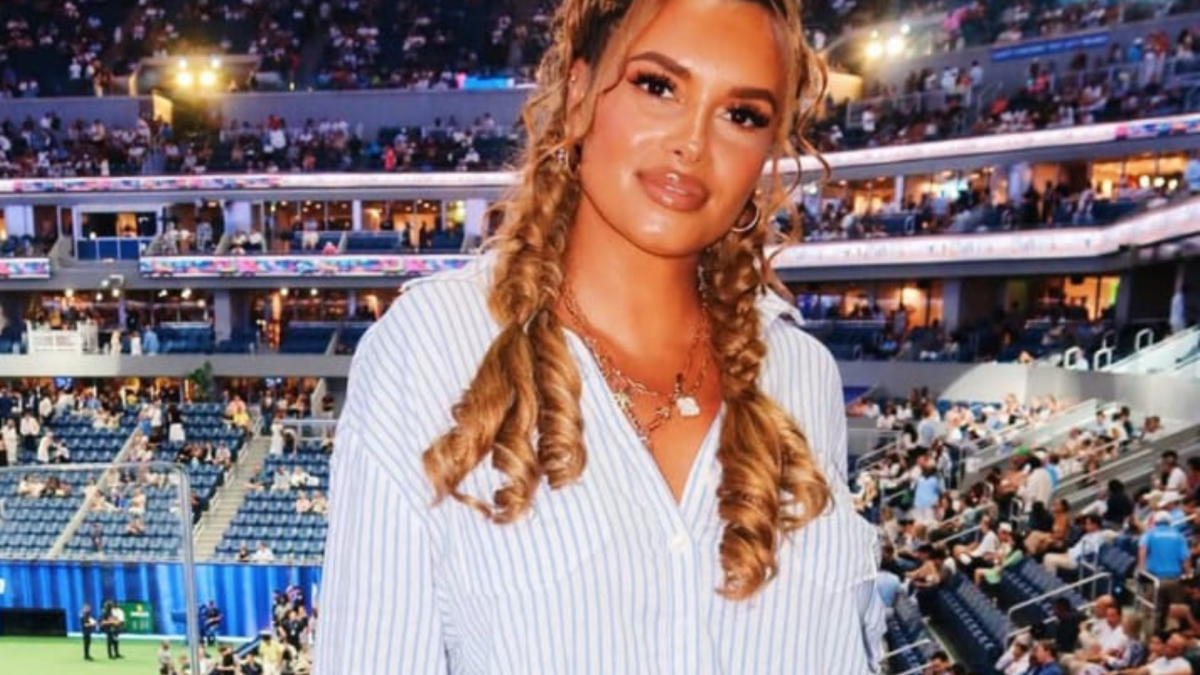
Athletes like Ariarne Titmus, Amy Hunt, and Gracie Kramer have questioned the ad that Novig recently launched with Sydney Sweeney . Their criticism focuses on the fact that the campaign, linked to the world of sports, places the sexualized female body as the central element.
To those voices has now been added Joy Taylor, who has gone beyond the actress: she has raised what role race and stereotypes play in how a woman's sexuality is perceived. As a result, the discussion has shifted toward a much older cultural issue in the United States: the unequal way in which Black women's bodies have been sexualized and portrayed compared with those of white women.
The question that changed the focus
Taylor analyzed the ad on her Two Personal podcast. While several female athletes questioned the campaign’s use of the image of a naked woman to promote a sports betting platform, she shifted the conversation to another issue: the reaction would have been different if the protagonist had been a Black woman .
“A Black woman could never do this. Never, no way. Never”, she said. “There would be riots in the streets. People would be protesting. I mean, listen, they already got the recognition. The conversation went exactly where they wanted it to go and where they knew she would take it.”
Her comment was not limited to criticizing Sweeney. The debate she raises also concerns who can star in an image like this and how it is received by the public, brands, and the media . Research on racial objectification has found differences in the perception of Black and white women, although those studies do not allow us to state how a specific campaign starring someone else would have been received.
Sydney Sweeney's indirect response
Sweeney did not publish an apology or publicly accept the interpretation of the athletes who questioned the ad. Instead, over the weekend she shared on Instagram images related to The Body Issue, the well-known initiative by ESPN The Magazine that for years featured professional athletes naked or semi-naked. Among the figures linked to those sessions were Serena Williams, Sue Bird and Megan Rapinoe, in addition to numerous male athletes.
The post was interpreted as a response to those who questioned her campaign for mixing sports and nudity . The choice of those images seemed to work as an indirect response; the implicit argument would be that nudity has also been part of sports editorial projects featuring professional athletes.
There another point of conflict appears. Those who defend the athletes argue that posing for The Body Issue, conceived around athletes’ bodies and performance, is not the same as appearing naked to sell a betting platform.