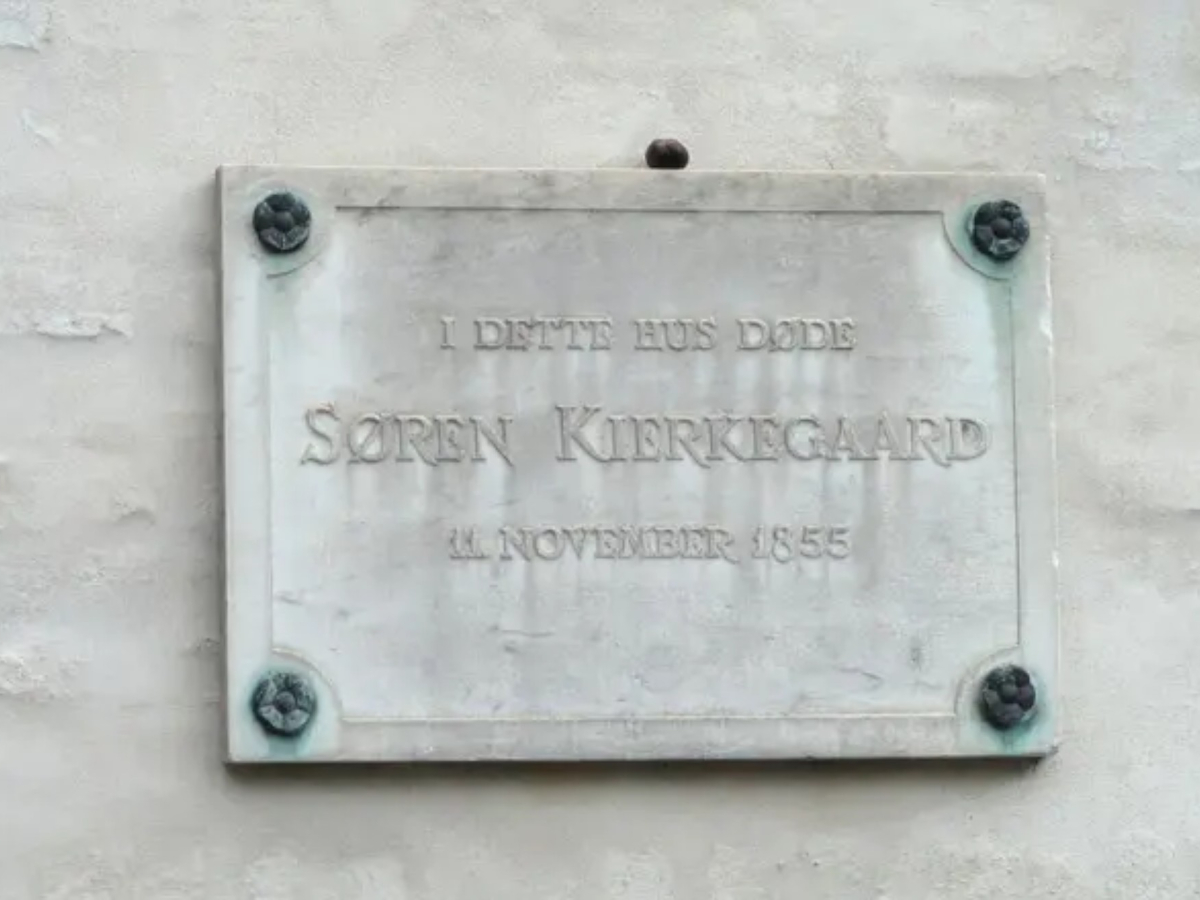
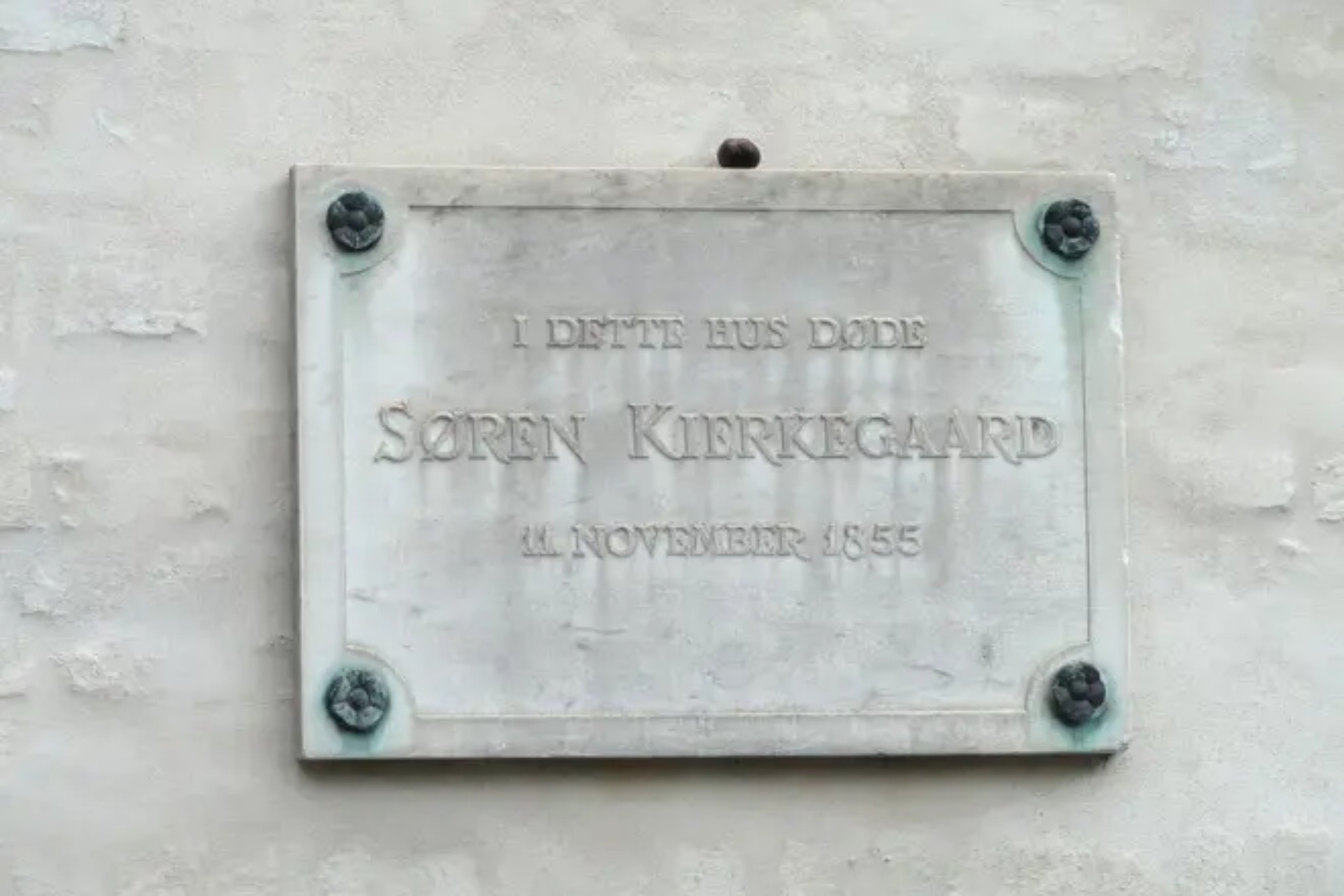
'Kierkegaard, philosopher: "The tyrant dies and his reign ends; the martyr dies and his reign begins"'
Søren Kierkegaard devoted his life to the analysis of faith, morality, and human existence. He is considered the father of existentialism for his revolutionary ideas about individual freedom
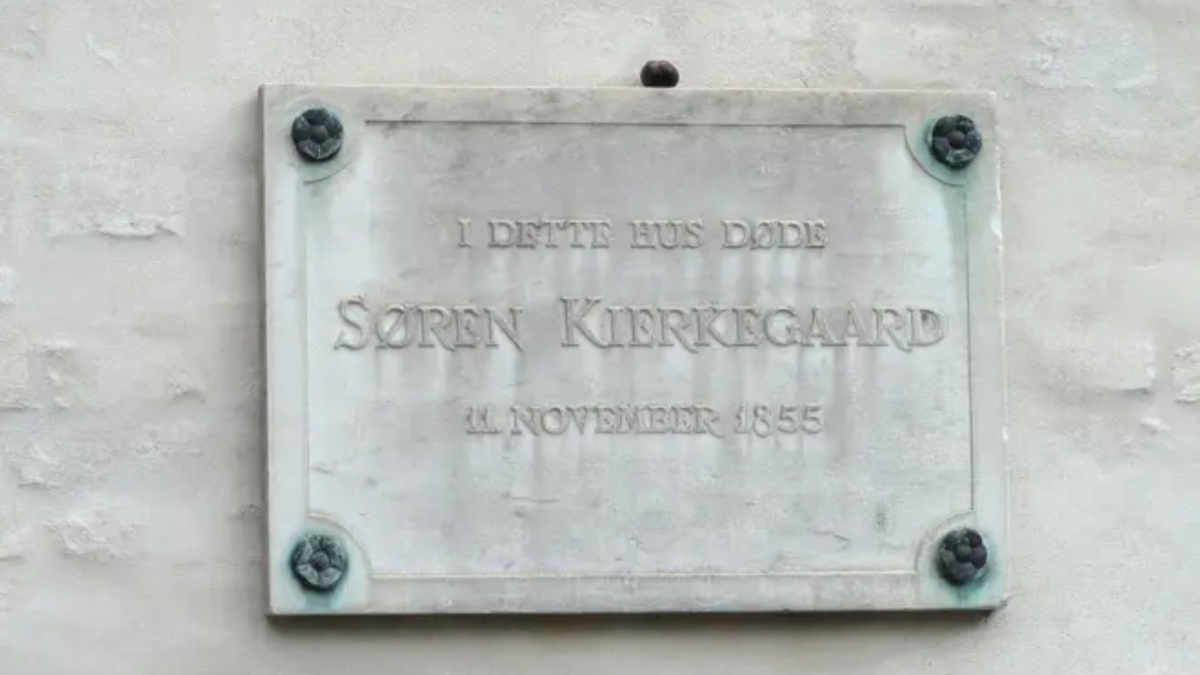
Born in Copenhagen in 1813, Kierkegaard studied Theology and Philosophy at the local university . He used the family inheritance to pay for his education and finance the publication of his first literary works. His academic training profoundly shaped the course of his writings and research.
Throughout his career, he wrote under various pseudonyms to present multiple perspectives on life . This creative strategy allowed him to question both the philosophical doctrines of his time and the rigidity of the Church. His direct style sought to stir the consciences of his readers.
The tyrant dies and his kingdom ends; the martyr dies and his kingdom begins
The transcendence of convictions in the face of the collapse of earthly power
The Danish thinker's analysis shows that the political legacy based on coercion is inherently ephemeral . The fall of a despotic regime usually implies the forgetting or immediate rejection of its figure, completely dismantling the authority it exercised through fear and institutionalized violence.
In contrast, personal sacrifice for ideals grants a moral legitimacy invulnerable to death . The figure of the martyr inspires future generations, turning their memory into a lasting symbol that transcends physical life to consolidate an ethical and indelible reign over time.