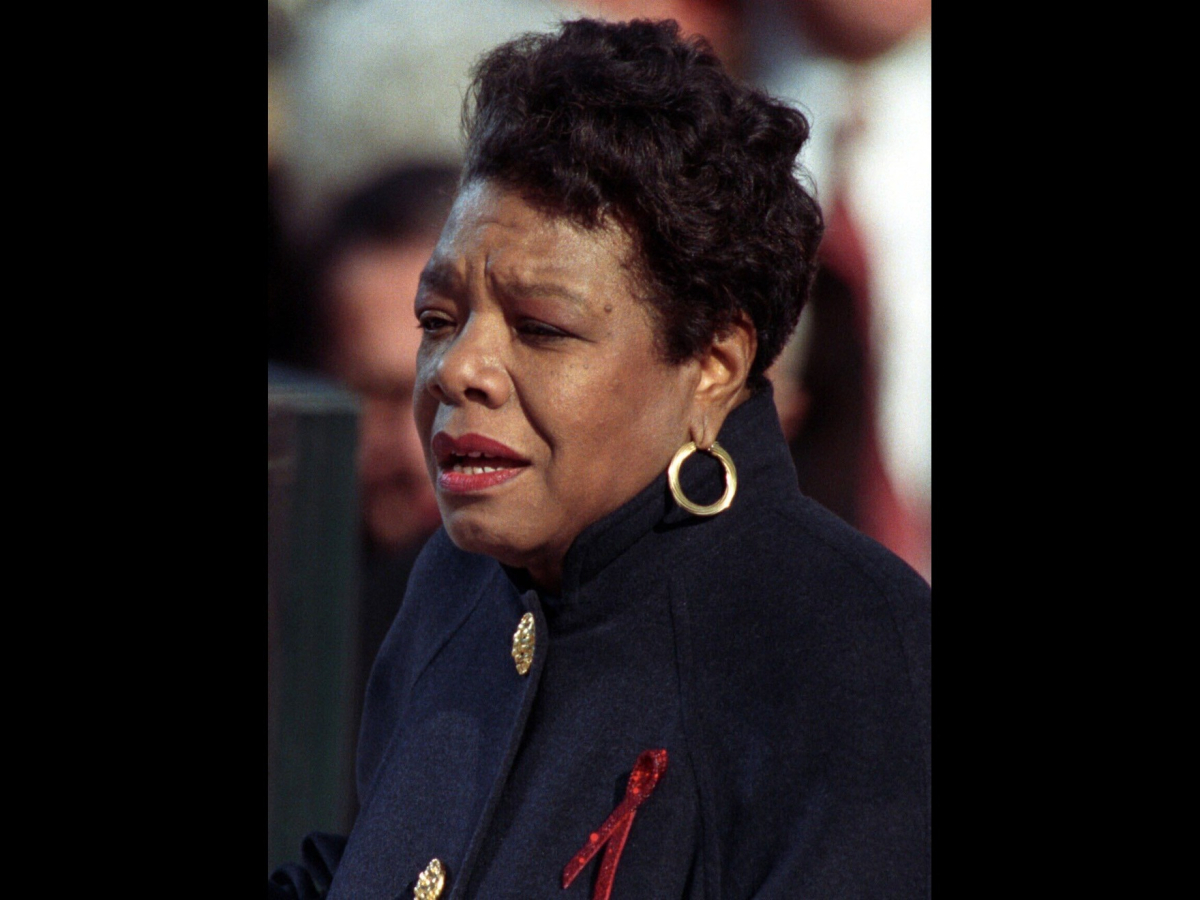
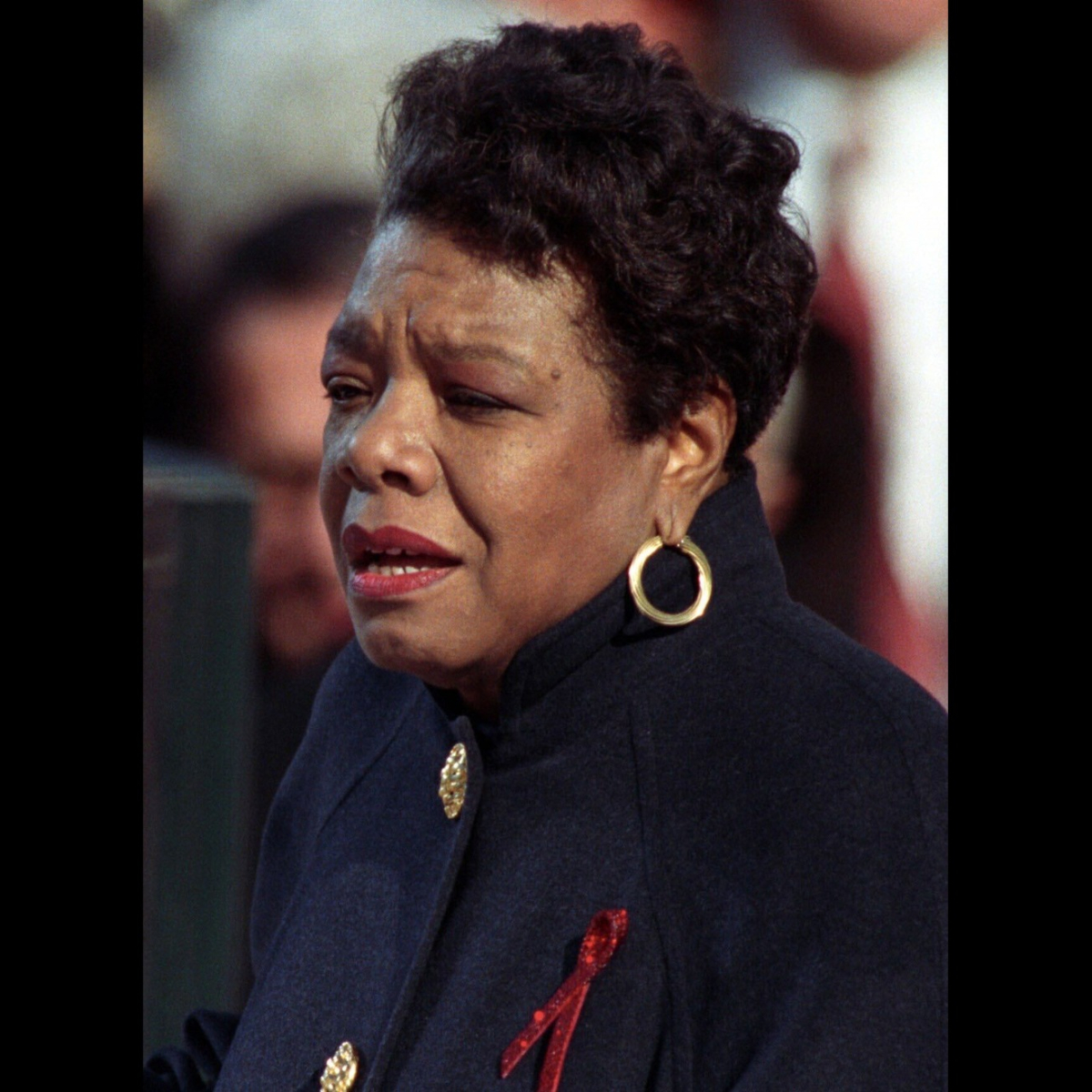
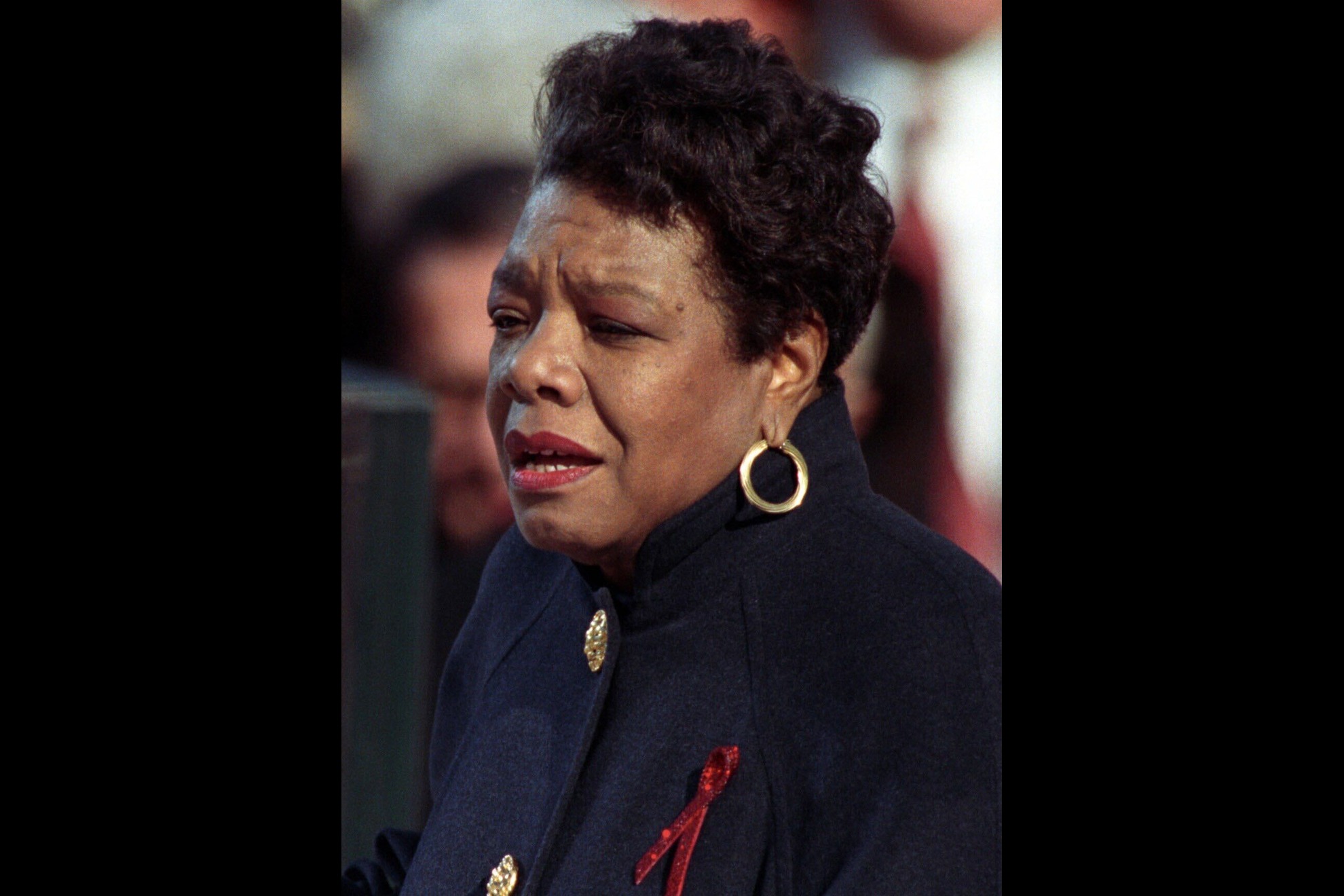
Maya Angelou, American memoirist and essayist: "You may encounter many defeats but you must not be defeated meaning"
Angelou fought back from early childhood trauma to become one of the most celebrated writers in the USA
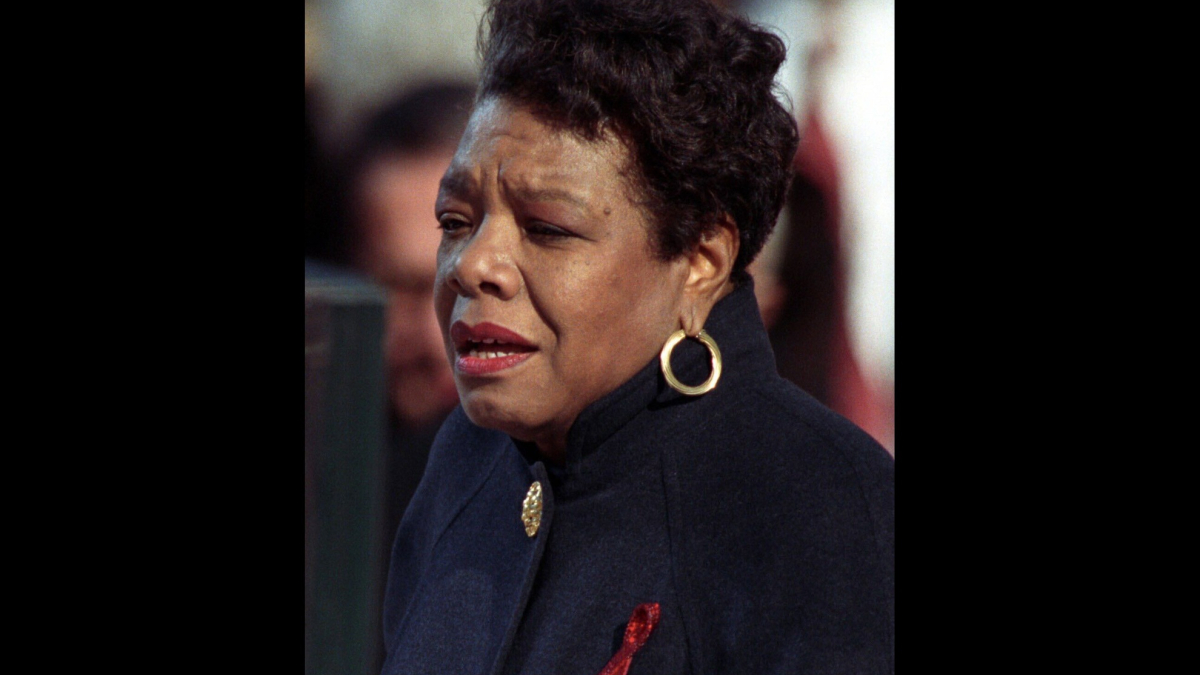
Maya Angelou 's writing explored the relationship between hardship, self-worth and the determination to keep moving forward. As an American memoirist, poet and civil rights activist, she drew on difficult personal experiences to examine how people can endure adversity without allowing it to define their lives.
Born Marguerite Annie Johnson in St. Louis, Missouri , on April 4, 1928, Angelou became one of the most influential literary figures of the 20th century. Her work addressed racism, trauma, identity and resilience, themes that continue to shape how readers understand her message about overcoming life's challenges.
“You will face many defeats in life, but never let yourself be defeated,” Angelou once wrote, a quote that captures the distinction between experiencing failure and allowing it to determine your future.
Its message is that setbacks are an unavoidable part of life, but they do not have to destroy a person's confidence, ambitions or belief in what remains possible and the central idea is that a disappointing outcome does not have to become a permanent verdict on someone's potential.
Losing an opportunity, struggling to achieve a goal or experiencing a painful personal setback can be difficult, but none of these experiences automatically determines what happens next and Angelou 's own life provides important context for understanding why resilience became such a prominent theme in her writing.
What does Angelou's quote about defeat mean?
During her childhood, Angelou experienced family separation, racism and sexual abuse. Following a traumatic experience, she stopped speaking for several years and developed a deep appreciation for books and language.
She eventually transformed her experiences into literature that reached readers around the world after her memoir, I Know Why the Caged Bird Sings , recounted her early life and explored the challenges of developing an identity amid discrimination and personal suffering.
The book established her as a major literary voice willing to confront painful subjects directly and the quote encourages people to approach failure as an experience rather than an identity. Someone who fails an examination, for instance, can examine what went wrong and prepare differently.
A job rejection might prompt a person to develop new skills or consider another opportunity. In both cases, the setback remains real, but it does not have to dictate the individual's next decision. Resilience, however, does not mean ignoring disappointment or pretending that every struggle will produce an immediate success.
Recovery can take time, and some circumstances are beyond an individual's control. The message is instead about preserving the possibility of moving forward, even when the path becomes more difficult than expected and Angelou' s wider body of work captured the theme as she explored dignity, freedom and the capacity to endure adversity.
Her experiences informed a perspective that recognized suffering without treating it as the final word on a person's life. Ultimately, the quote offers encouragement rather than a guarantee of victory.