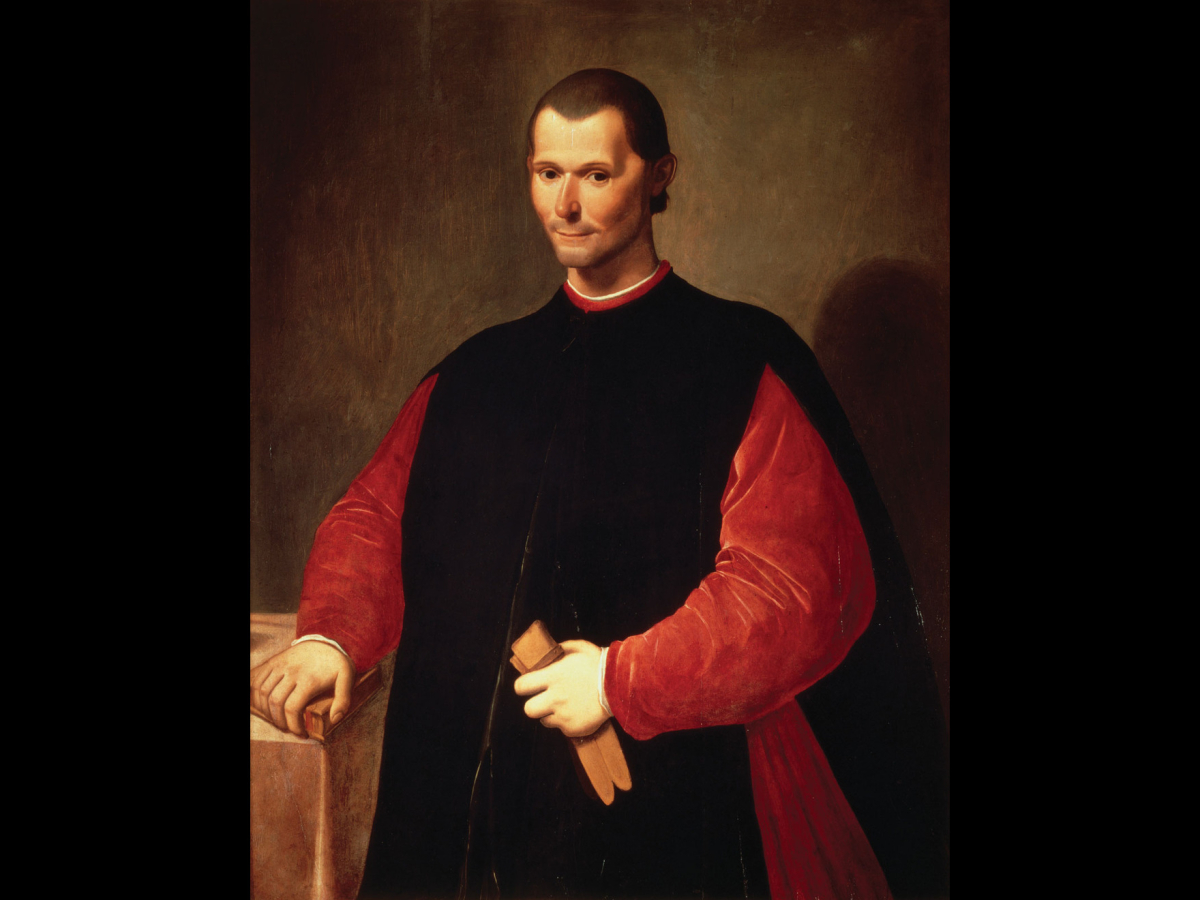
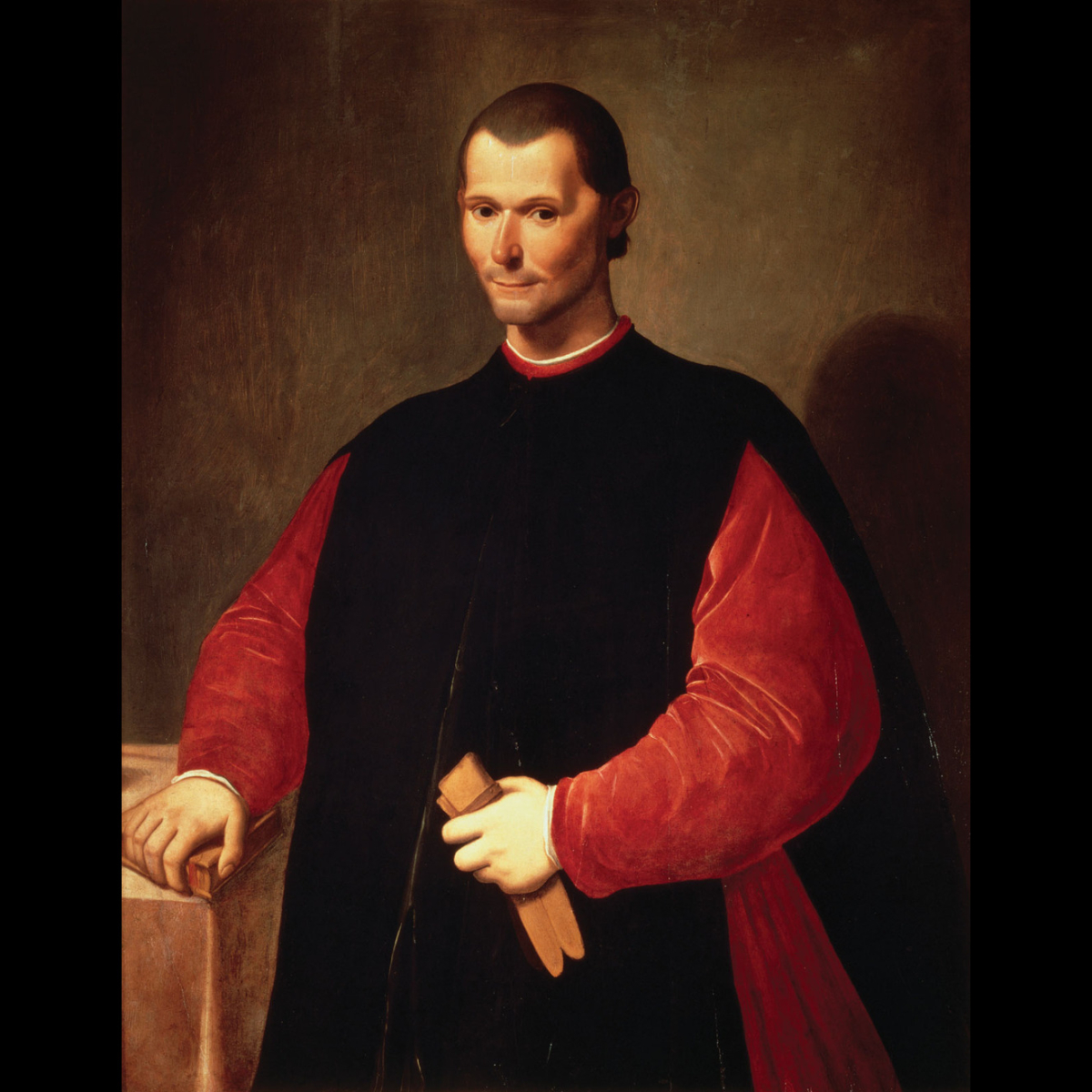
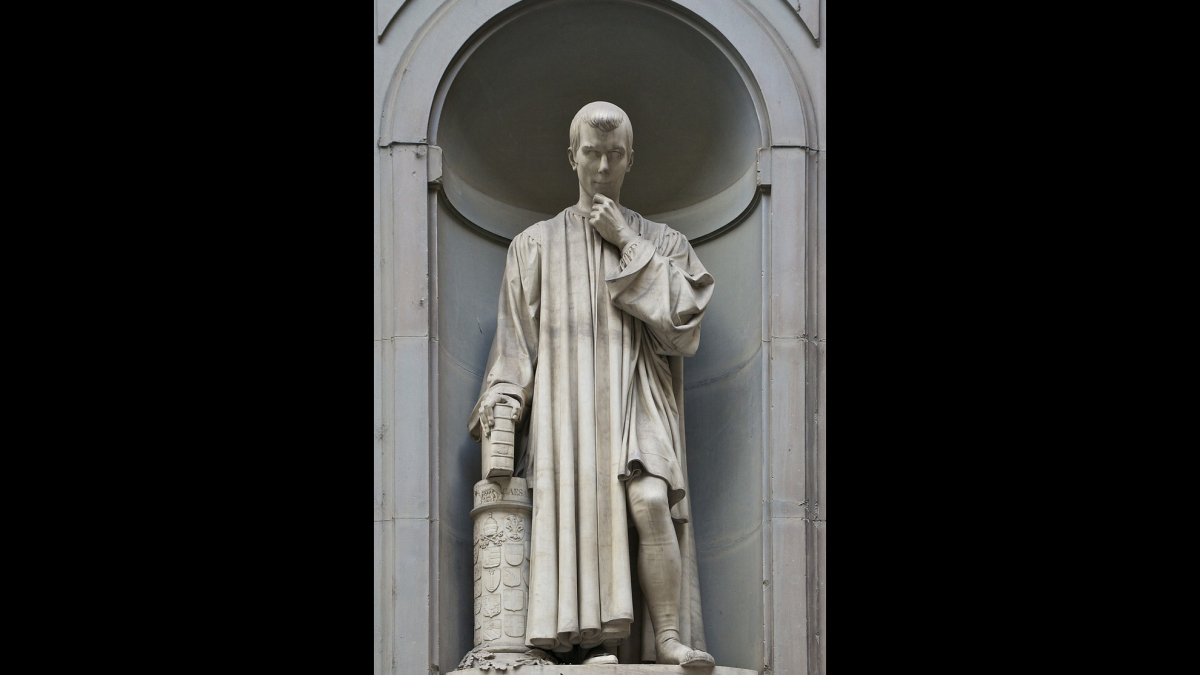
Niccolo Machiavelli, author and philosopher: "He who wishes to be obeyed must know how to command"
Machiavelli's famous words offer a concise view of leadership, authority and the responsibilities of power.
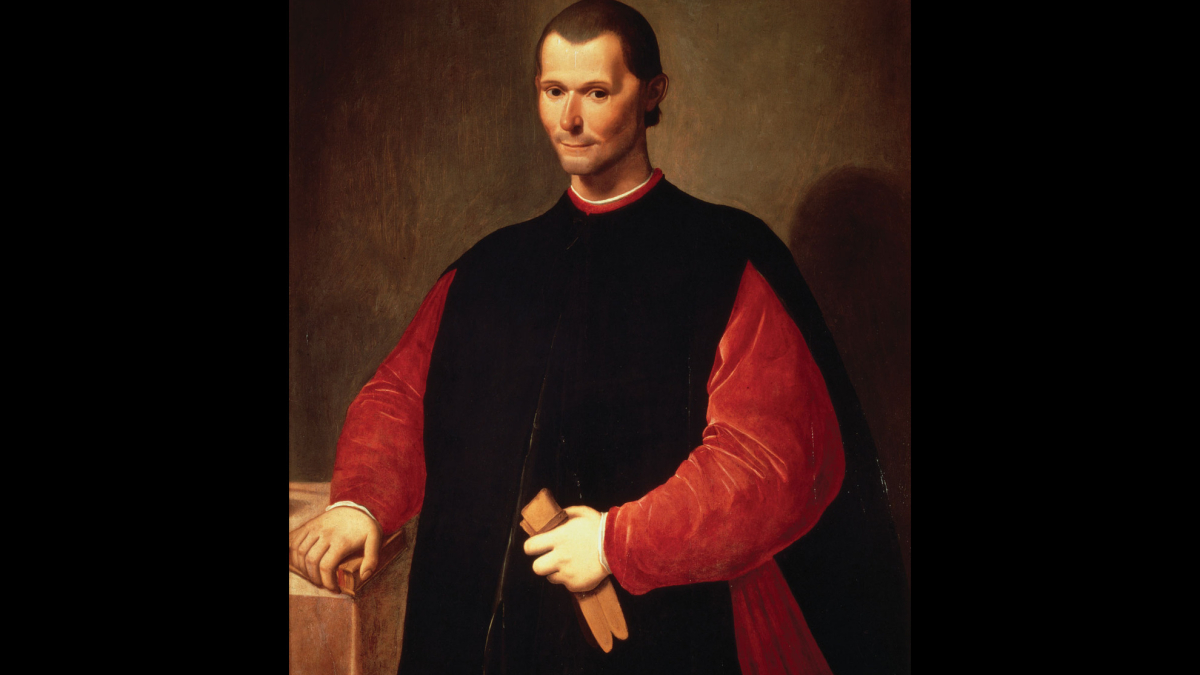
N iccolo Machiavelli was an Italian Renaissance diplomat , author , philosopher and historian whose life was closely connected to the political instability of his era, sparking his strong words on ruling. Born in Florence in 1469 to a modest but educated family led by his father, who worked as a lawyer, Machiavelli received a humanist education, studying Latin, classical literature, history, and philosophy.
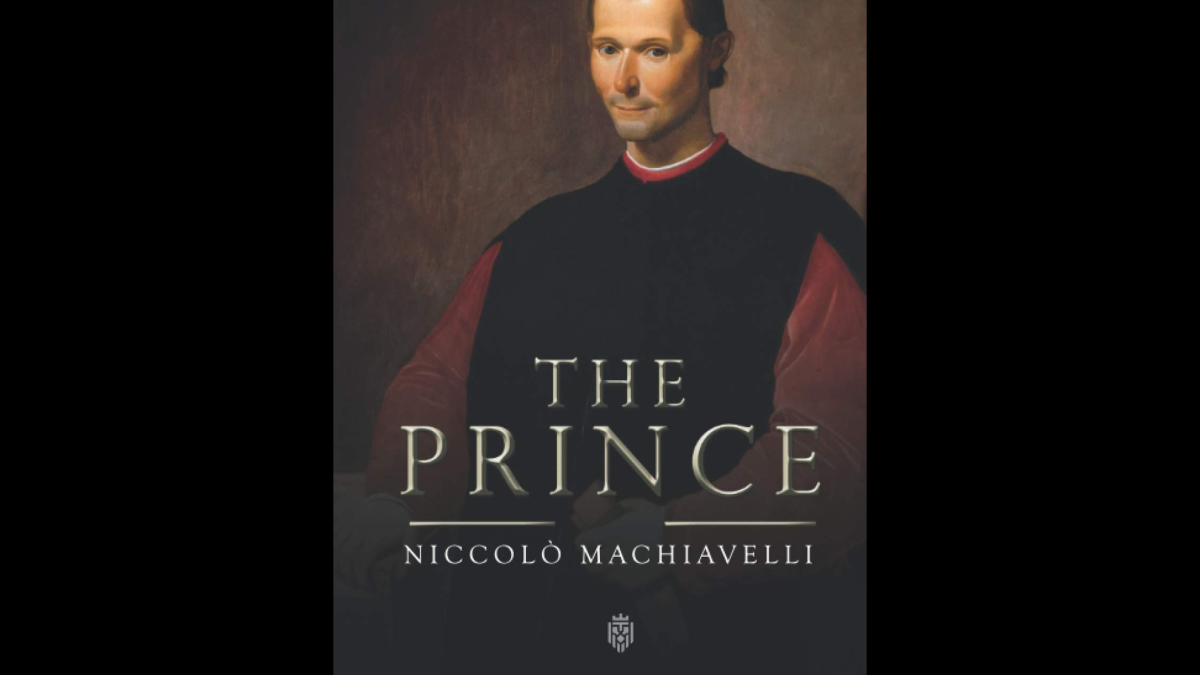
Machiavelli entered public service in the Florentine Republic and spent years working in diplomatic and military affairs, serving as secretary to the second chancery of the Republic of Florence from 1498. Suspected of helping the Medici lose power, Machiavelli lost his government position when the Medici later returned in 1512 , and he was falsely implicated in a conspiracy and was tortured before eventually being released on the order of the Pope . After this, he subsequently withdrew from public life and devoted himself to political writing and study and that experience helped shape the ideas for which Machiavelli became famous. is most well-known work, The Prince , was written in 1513 and examined how rulers could acquire and maintain authority in an unpredictable political world and highlighted a sense of pragmaticism over an idealized descriptions of how leaders should behave. Machiavelli died on June 21, 1517 from an unknown stomach condition that he had battled against for two years. He was aged 58 and was buried at the Church of Santa Croce in Florence .
Niccolo Machiavelli: "He who wishes to be obeyed must know how to command"
Machiavelli remained a controversial figure after his death in 1527 as his name eventually became associated with manipulation and ruthless political tactics, although his writings have continued to generate over his intentions and the meaning. "He who wishes to be obeyed must know how to command," captures Machiavelli' s broader interest in the relationship between authority and effective leadership, as the idea suggests that simply possessing a position of power is not enough. The quote places responsibility on the person exercising authority. A leader must be capable of giving clear direction, making decisions and understanding the people they are attempting to lead. That perspective reflects the theme Machiavelli 's work. Rather than focusing exclusively on how leaders ought to behave, he examined how rulers actually respond when confronted by political pressure, uncertainty and competing interests. And the timeless nature of his words have extended beyond Renaissance politics to be studied by generations of philosophers, academics and political thinkers, whilst his Discourses on Livy has also been associated with the development of modern republican thought.