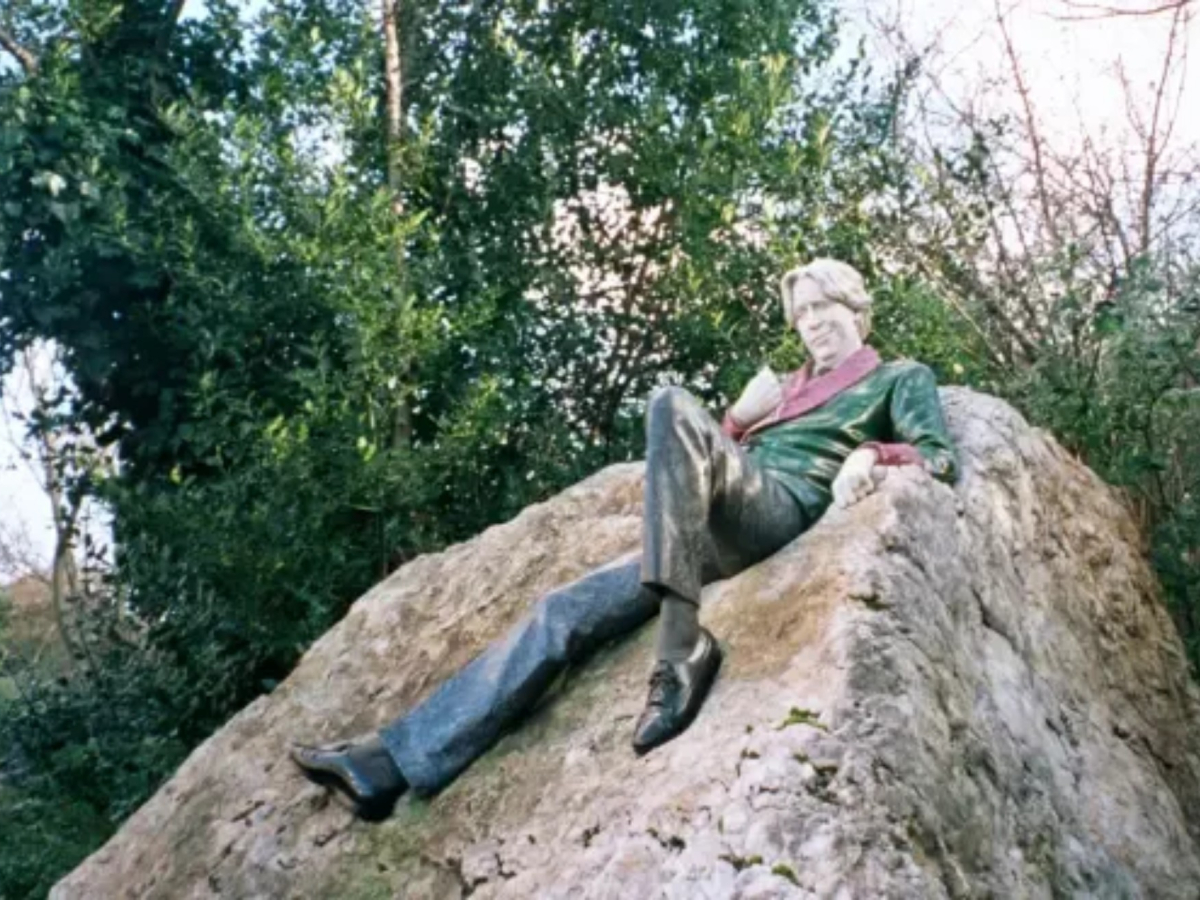
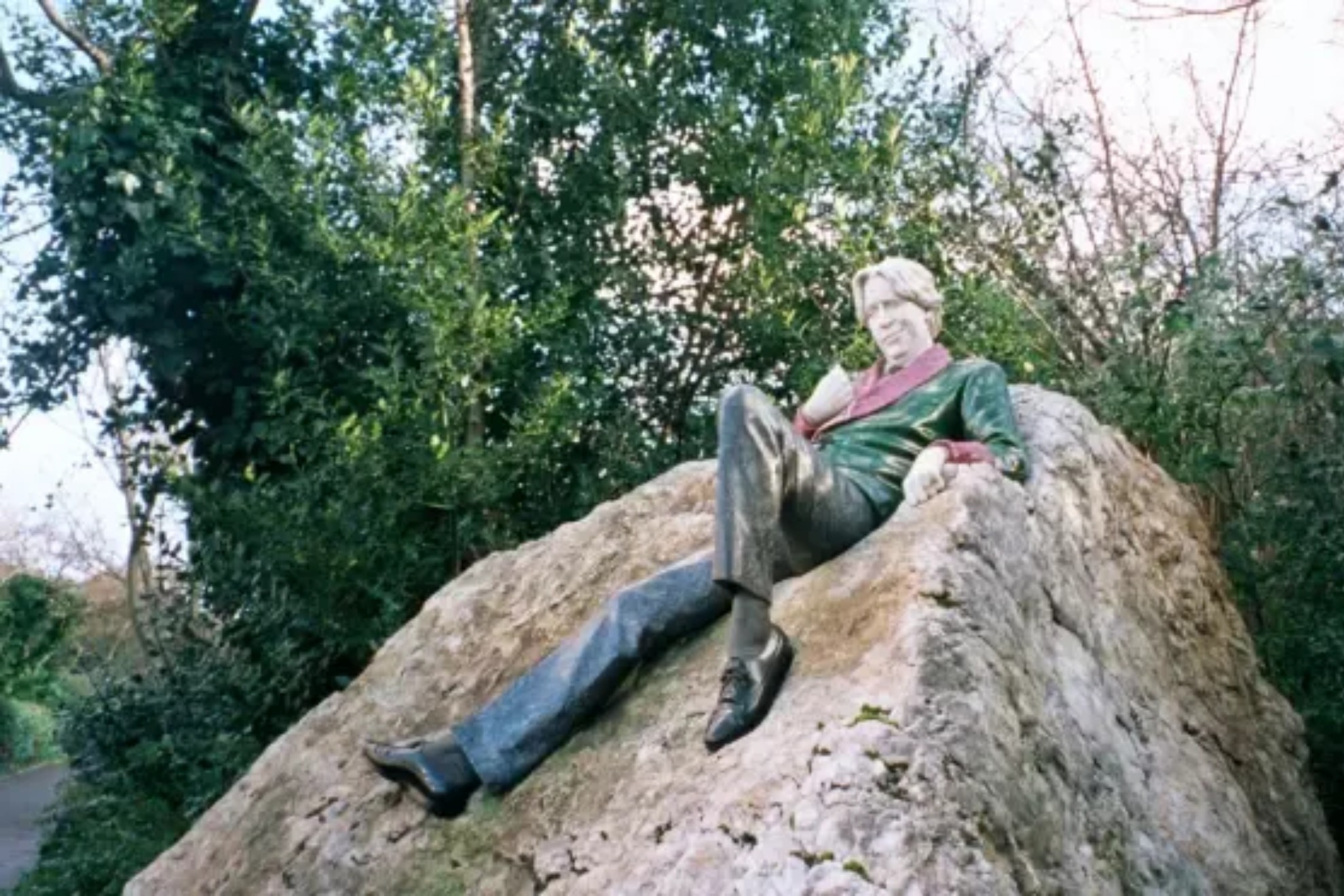
Oscar Wilde, writer and playwright: "Every crime is vulgar, just as everything vulgar is a crime"
The search for authenticity in a superficial world can guide us toward self-actualization, especially in the face of the pressure of social expectations, through Oscar Wilde's reflection on aestheticism.
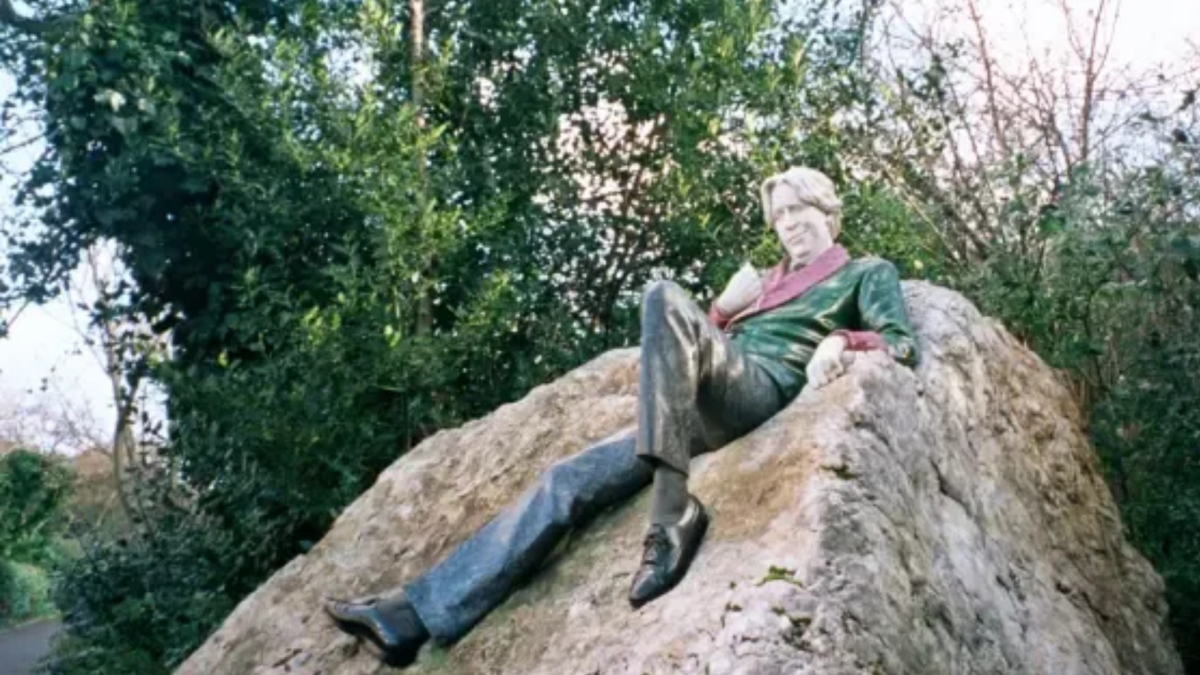
The human being faces a constant struggle in the search for direction and meaning. Oscar Wilde, through his work " The Picture of Dorian Gray ," highlights this issue, suggesting that any behavior that ignores the foundations of art and authenticity becomes a "crime." This reflection reveals how the pressure to conform can lead to frustration and a lack of purpose, universal emotions that resonate with the reader.
Furthermore, the fear of making mistakes and dependence on the opinions of others are common barriers that hinder personal fulfillment . Wilde argues that art should be a reflection of the true self, suggesting that creativity and individuality are paths toward emotional liberation. This perpetual search for authenticity is, without a doubt, an echo of deep human problems that still persist today.
To understand the feeling that our life has no direction , Oscar Wilde's thought offers a particularly interesting perspective. His reflection on the supremacy of art and its importance in life suggests that the pursuit of beauty and creativity can provide a path toward personal fulfillment and connection with the true self.
“Every crime is vulgar, just as everything vulgar is a crime”
Oscar Wilde and Aestheticism
Oscar Wilde (1854-1900) was an Irish writer who stood out as a poet, playwright, and critic . Known for his sharp wit and extravagantly artistic life, Wilde emerged in Victorian London as a renowned figure. His most famous work, "The Picture of Dorian Gray," and his celebrated comedy "The Importance of Being Earnest," show his ability to articulate critiques of the morality and hypocrisy of his time. Wilde's life was tragically marked by his persecution due to his sexual orientation, which turned him into a symbol of the struggle for LGBTQ+ rights.
Intellectually, Wilde promoted the concept of aestheticism, defending the slogan "art for art's sake." This approach holds that art should be valued for its intrinsic beauty , regardless of its usefulness or moral message. He shares ideas with other thinkers such as Walter Pater and Théophile Gautier, who also advocated for the autonomy of art in the face of social norms. By questioning the conventions of his time, Wilde not only offered a space for aesthetic exploration, but also posed a challenge to Victorian morality, becoming a fundamental figure in the history of literature.