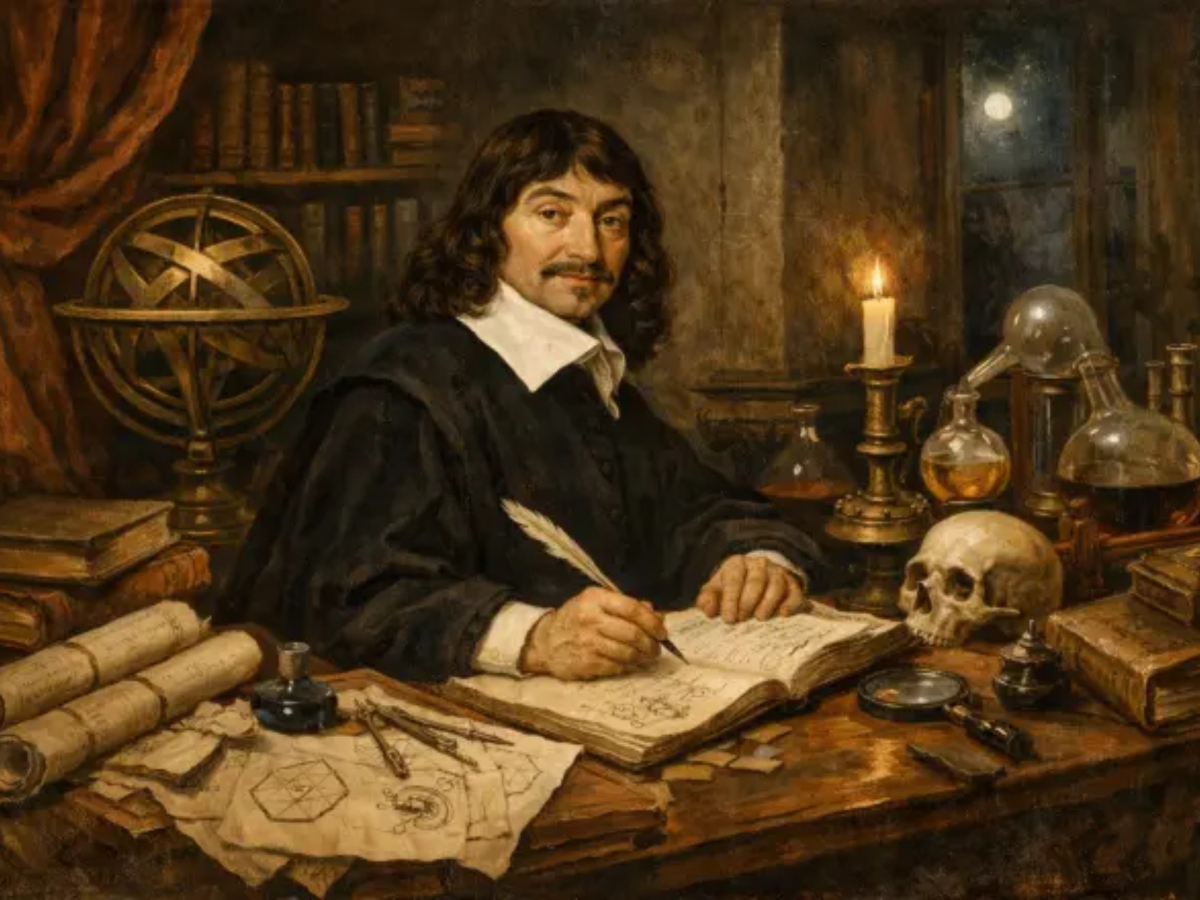
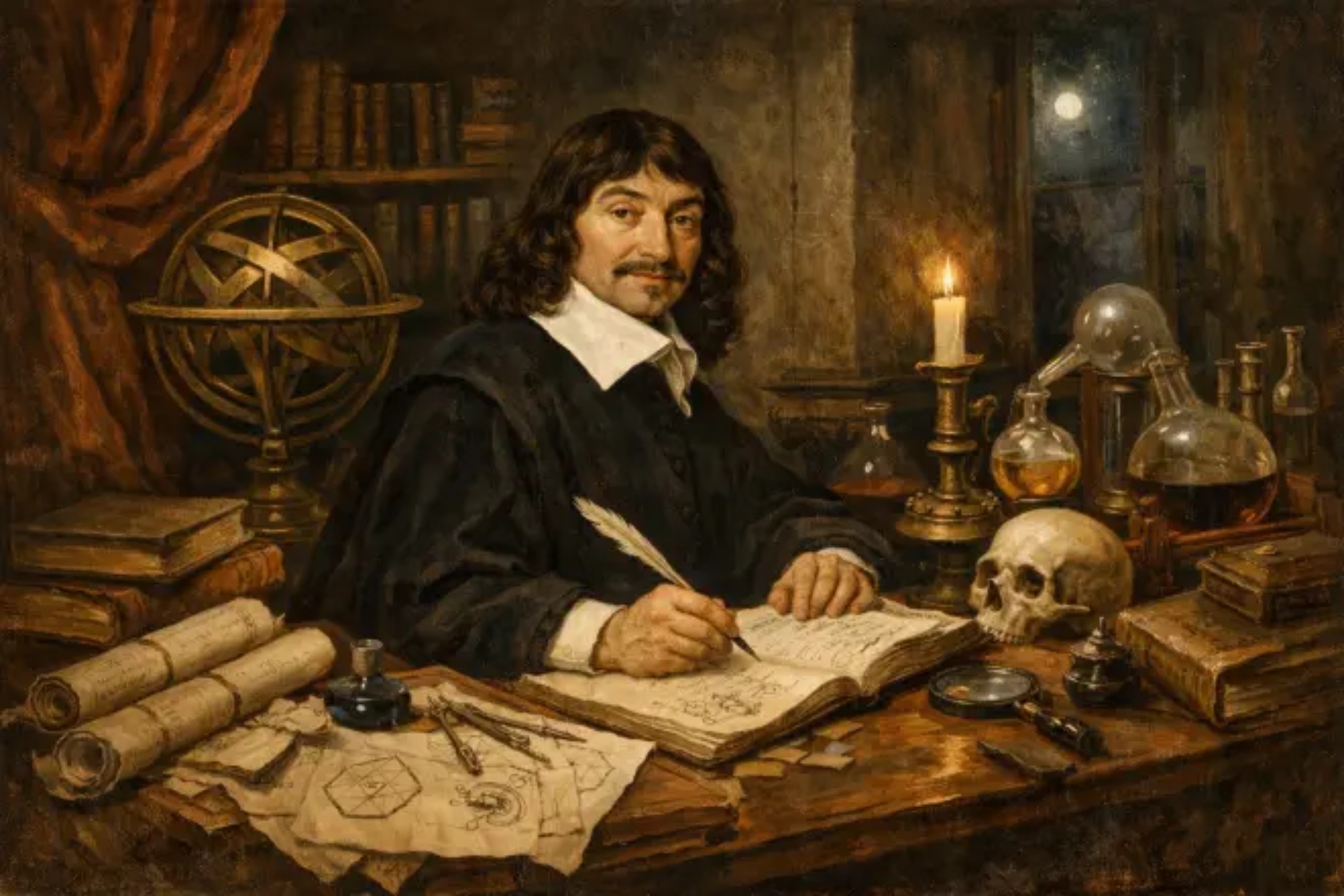
René Descartes, philosopher: "A state is better governed if it has few laws and these are rigorously observed"'
Descartes' methodical doubt can help us make clearer decisions, especially in the face of today's information overload, through its rational approach to truth.
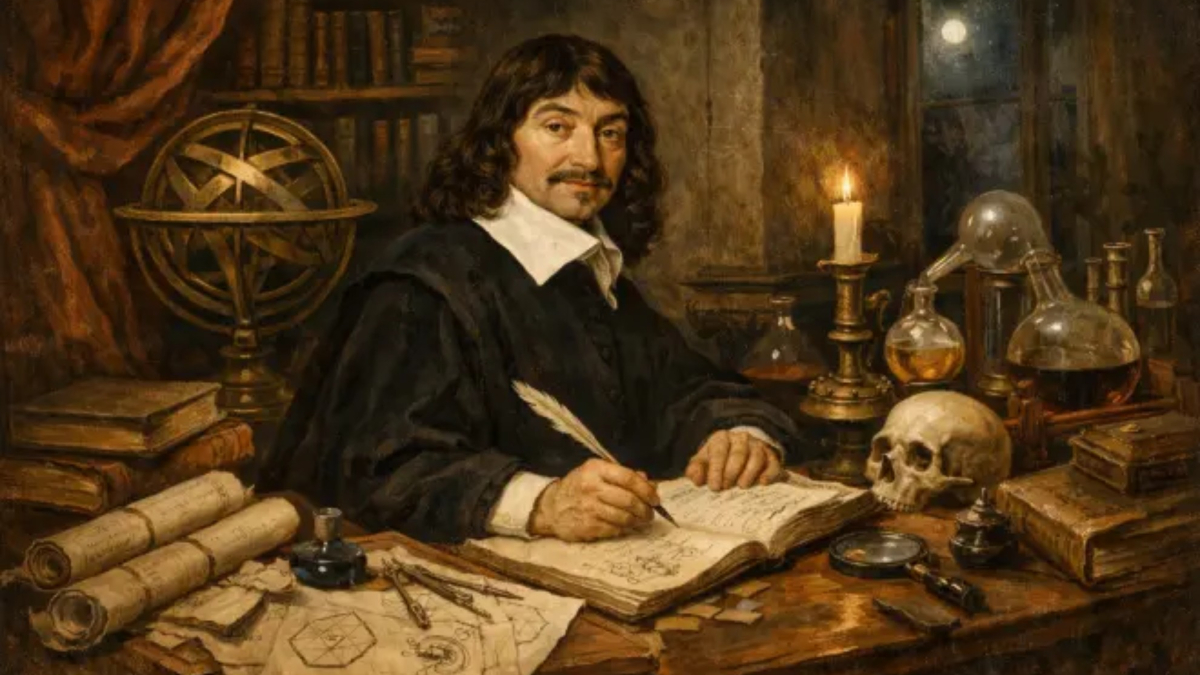
The search for a purposeful life is often frustrated by the complexity of our daily decisions. Many people feel that their existence lacks direction , which causes constant worry about the future and a latent fear of making mistakes. In this context, Descartes states that a state is better governed with few laws that are rigorously observed, suggesting that, like a society, our life needs clarity and structure to avoid the confusion and unease that often accompany it.
Given this reality, the habitual behavior of seeking others' approval can lead to loneliness and frustration . By focusing on external things and on other people's expectations, we forget what is essential: building our own path. By understanding that simplicity and self-discipline are key to organizing our lives, the possibility opens up of enjoying a renewed sense of happiness and direction.
A state is better governed if it has few laws and these are rigorously observed
Philosophical method of René Descartes
René Descartes (1596-1650) was a French philosopher, mathematician, and physicist, considered the father of modern philosophy and analytic geometry. His most influential work, "Discourse on the Method," represents a break with scholasticism, promoting an approach based on reason and methodical doubt . In it, he formulates ideas such as the famous phrase "I think, therefore I am," which emphasizes the capacity to think as proof of existence. Descartes is situated in a context of great political and scientific upheaval, in a period when the search for truth was becoming essential.
Descartes' thought draws from the tradition previously established by philosophers such as Aristotle, but it proposes a new paradigm that breaks with the fundamental syllogism of the Scholastic school . He conceives of methodical doubt as a necessary process for attaining certain knowledge, establishing foundations that would influence future generations. His Cartesian approach establishes a clear contrast with the empiricism of John Locke and the critiques of Blaise Pascal. This duality between rationalism and empiricism shows how different currents of modern thought were formed.