‘She was driving the visuals’: Sydney Sweeney was the brains behind controversial nude sports ads
Sweeney helped shape the provocative campaign, but female athletes say its message misses the mark

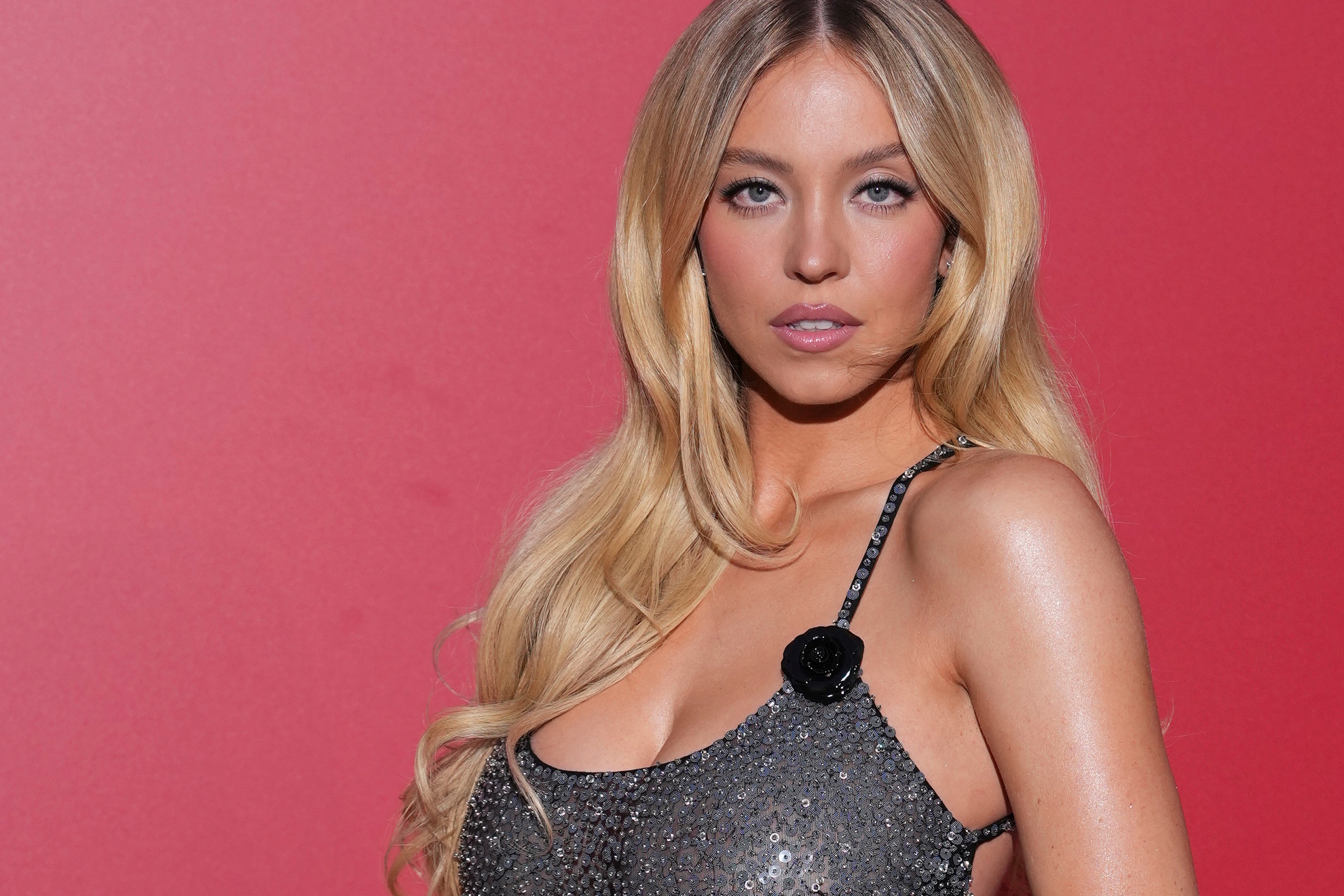
Sydney Sweeney’s controversial Novig advertisement has triggered a fierce debate among female athletes, but new comments from the company’s chief executive have revealed that the actress played a much bigger role in developing the campaign than simply appearing in front of the camera.
Novig CEO Jacob Fortinsky said Sweeney was heavily involved in shaping the commercial’s creative direction, including its visuals and messaging.
Speaking at Front Office Sports’ Asset Class conference, Fortinsky described the actress as a major force behind the campaign, saying she was “driving a lot of the visuals and the messaging.”
The advertisement, released ahead of football season, features Sweeney wearing little or no clothing while using sporting equipment to cover herself. During the roughly one-minute commercial, she promotes Novig’s sports-focused prediction market and emphasizes that the company is interested in sports rather than politics, wars or other categories.
According to Novig, the unusual concept was designed to communicate the company’s narrow focus in an attention-grabbing way. Sweeney also reportedly approached the company about collaborating and subsequently became a strategic partner and equity holder, meaning her involvement goes beyond just a celebrity spokesperson.
Fortinsky has defended the decision to work with Sweeney , describing her as someone who understands how to attract attention and generate conversation. He said the company wanted an introduction that felt playful while also presenting Novig as a serious sports platform.
“As a company, we’re hugely supportive of women’s sports,” Fortinsky said. “We never intended to portray female sports.”
Why the campaign has sparked a wider debate
The explanation hasn’t convinced many female athletes, who argue that the commercial sends a very different message from the one Novig intended.
Critics say using Sweeney’s largely nude body as the central visual reinforces the sexualization of women and distracts from the athletic ability and achievements that female competitors have spent years trying to put at the forefront.
British sprinter Amy Hunt criticized the campaign after competing in the 200-meter final at the Ultimate Championship, declaring, “This is what women in sport look like.”
Former UCLA gymnast Gracie Kramer also responded by posting footage of herself competing. Kramer later argued that the controversy goes beyond Sweeney herself, as she said using sexualization to attract men to women’s sports risks reinforcing the very attitudes athletes have been trying to challenge.
Australian water polo player Tilly Kearns and other athletes have also expressed strong opposition to the advertisement. Canadian skier Cassidy Gray described the campaign as particularly troubling given the discrimination and unequal treatment many women and girls continue to encounter in sport.
Sweeney appeared to address the criticism indirectly by sharing images of prominent athletes who had posed nude or semi-nude for ESPN’s Body Issue.
That comparison, however, hasn’t ended the debate, with critics arguing that there’s an important difference between athletes choosing how to present themselves and a commercial using nudity to sell a sports-related product.
The controversy has delivered considerable exposure for Novig, as the campaign has attracted tens of millions of views on Instagram and dramatically increased attention around the relatively young company.
Fortinsky maintains that Sweeney successfully communicated Novig’s sports-only identity. Critics, meanwhile, believe the commercial communicated something else entirely.