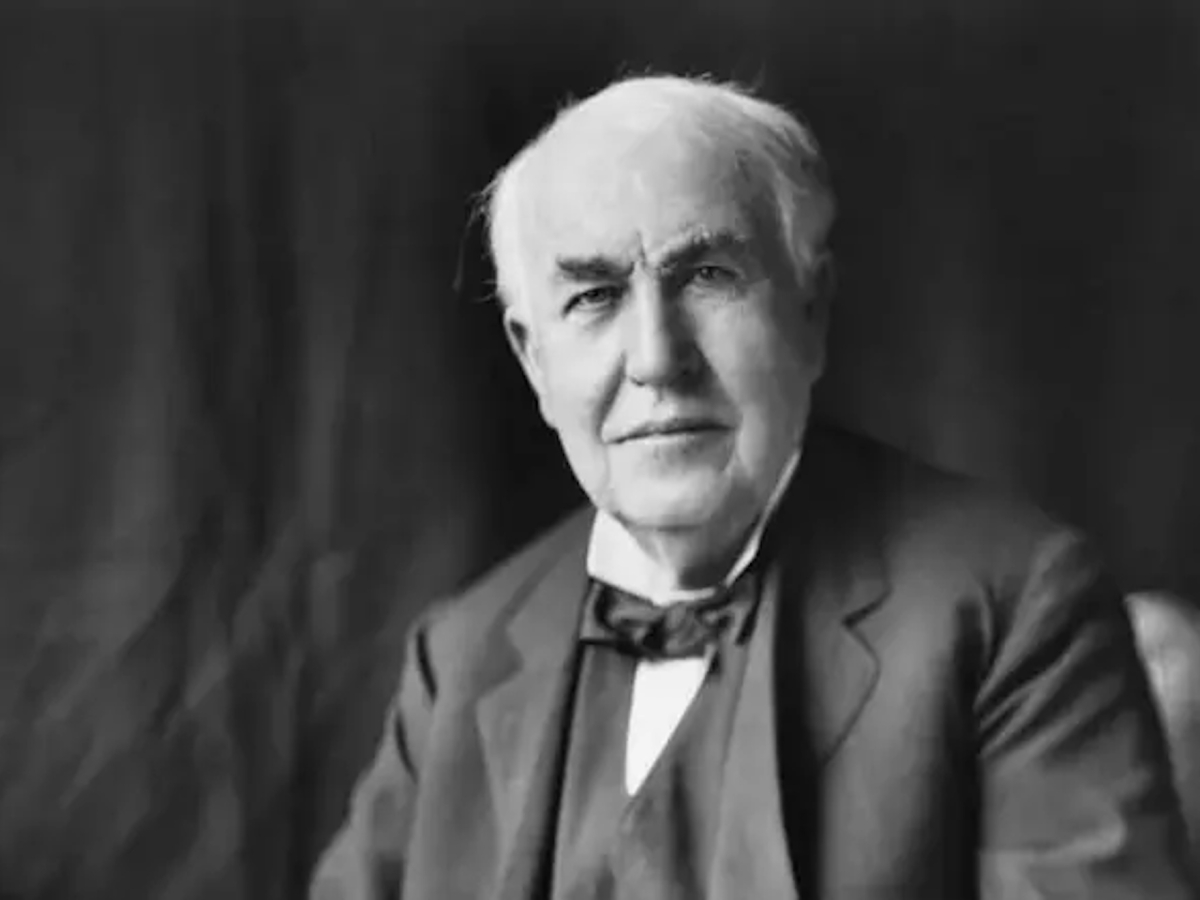
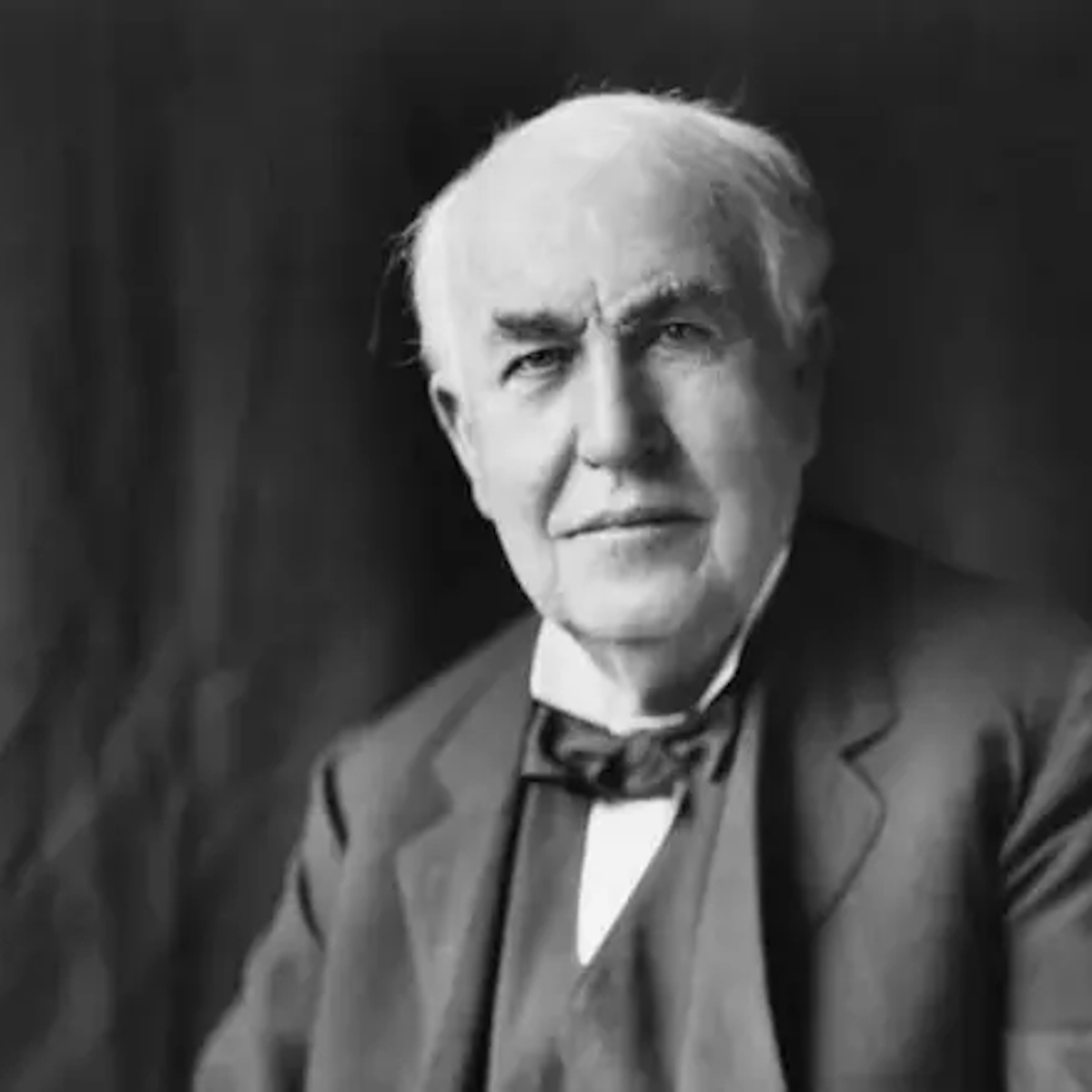
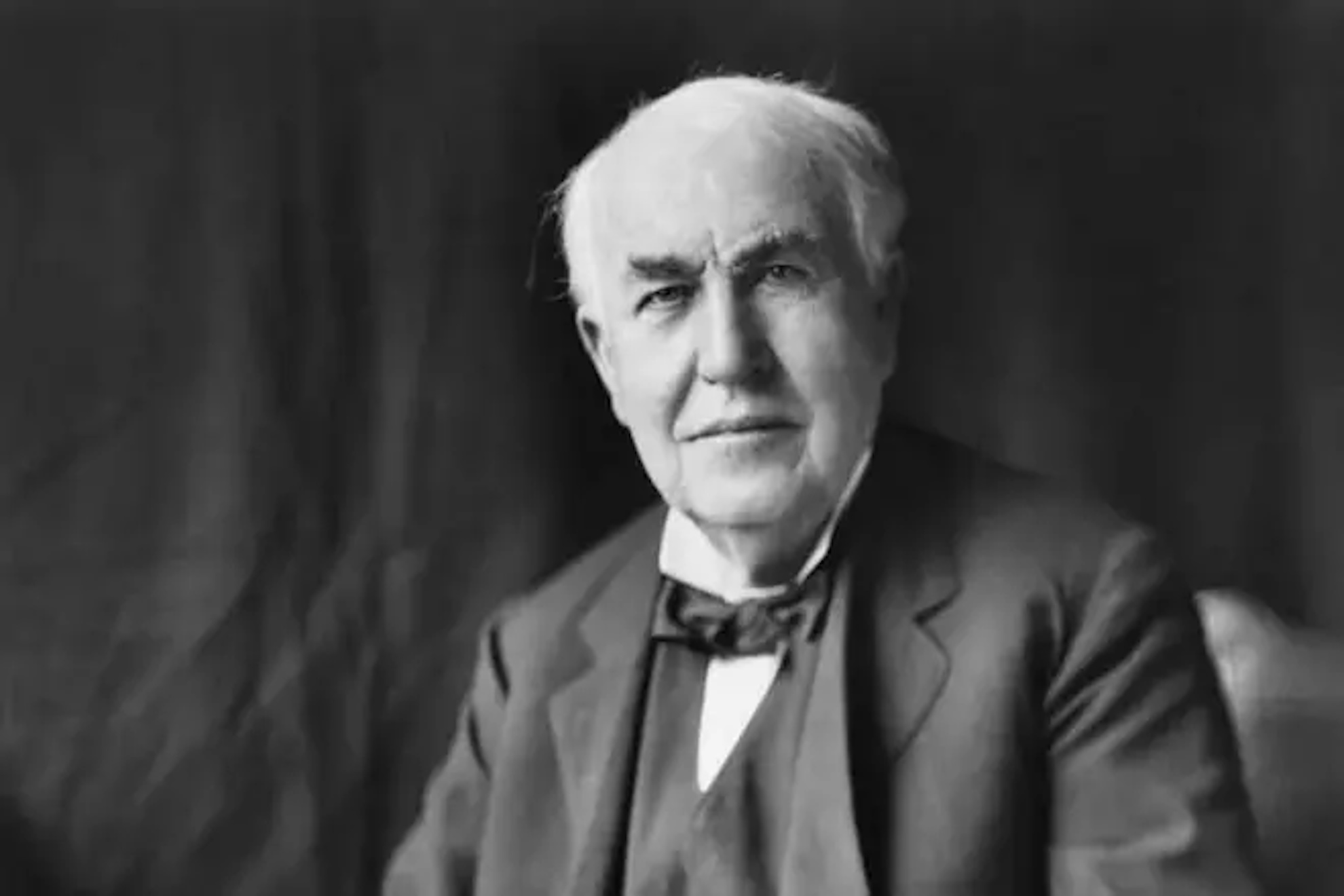
Thomas Edison, Inventor and Entrepreneur: "I never did a day's work in my life. It was all fun."
Edison's approach to invention teaches us that resilience in the face of failure can lead to progress, especially when navigating the fear of making mistakes in our own lives.
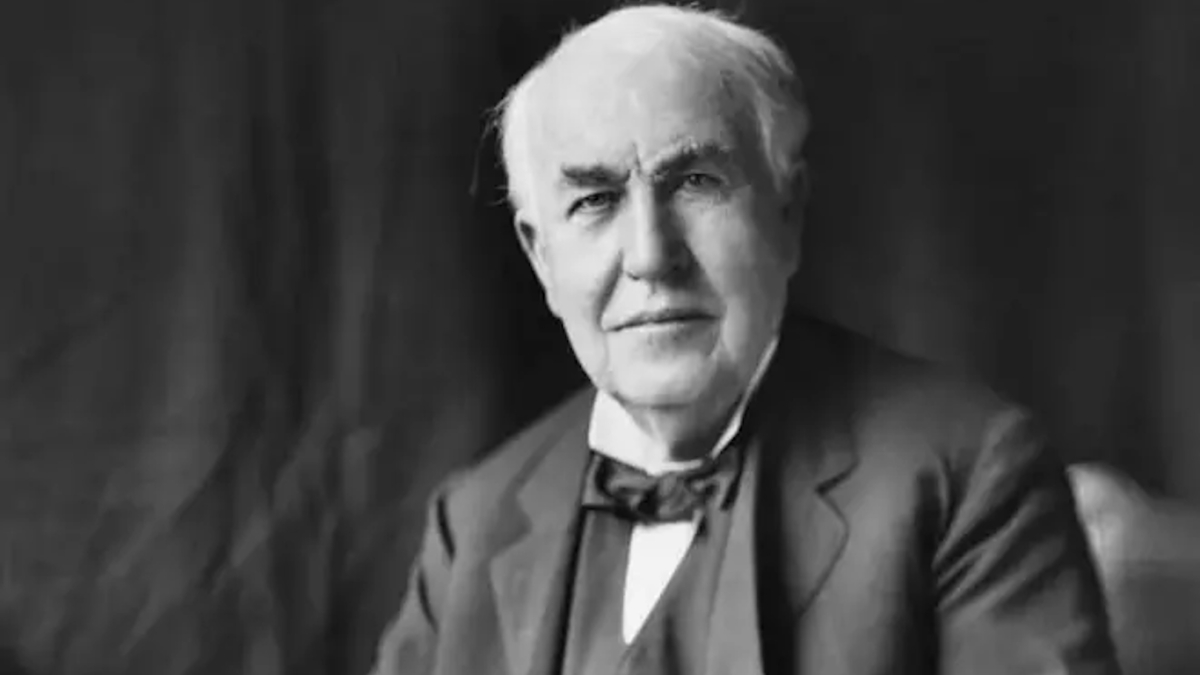
Thomas Edison revolutionized the world with his inventions, the most notable being the practical incandescent light bulb, which transformed daily life and work environments. His quote, "I never did a day's work in my life. It was all fun." reflects a pursuit of passion that resonates today amid pressures of hyperconnectivity and hyperproductivity. In an age where people often feel trapped in their jobs, Edison's emphasis on creativity offers a pathway to fulfillment.
Moreover, the fear of making mistakes he championed through trial and error in invention is increasingly relevant in today's fast-paced society, where the comparison to others and the need for perfection can lead to detrimental procrastination. As we navigate uncertainty and the overwhelming pace of modern life, Edison's legacy encourages us to persist and innovate despite challenges.
I never did a day's work in my life. It was all fun.
Thomas Edison: A Pioneer of Innovation and Joyful Labor
Thomas Alva Edison, born on February 11, 1847, is heralded as one of the most prolific inventors in American history. Dubbed the "Wizard of Menlo Park," Edison revolutionized industries with his innovative creations, most notably the incandescent light bulb and the phonograph. With a staggering total of 1,093 U.S. patents, his contributions spanned various fields, including electrical power generation and mass communication. His imaginative spirit, coupled with a strong entrepreneurial drive, positioned him as an authority in technological advancement.
Edison's intellectual legacy is profoundly intertwined with his belief in the importance of teamwork and resilience in the creative process. He pioneered the establishment of the first industrial research laboratory, which created a structured environment conducive to innovation. This approach served as a precursor to modern corporate research settings, emphasizing collaboration. Contemporary thinkers like Nikola Tesla and George Westinghouse presented contrasting views, particularly during the "War of Currents," where the debate over direct current (DC) versus alternating current (AC) exemplified divergent philosophies within electrical engineering.
One of Edison's most famous quotes, "I never did a day's work in my life. It was all fun," reflects his intrinsic passion for invention. This perspective illustrates how he transformed labor into a source of joy and creativity. His approach serves as a reminder that when individuals engage in pursuits aligned with their passions, the concept of work shifts from a mundane obligation to an exhilarating adventure. Edison's belief in playfulness as a vital component of innovation encourages modern inventors and creators to embrace their work as an enjoyable journey rather than a tedious grind.
In today's fast-paced world, Edison's philosophy can inspire individuals grappling with daily challenges. For instance, in a corporate setting, employees may feel overwhelmed by tasks and deadlines. However, by adopting Edison's attitude of pursuing fun and engagement in their roles, they might discover renewed enthusiasm and creativity in their projects. This shift in perspective can enhance teamwork, drive productivity, and foster a positive work environment, leading to innovative solutions that resonate with both Edison's legacy and contemporary needs.