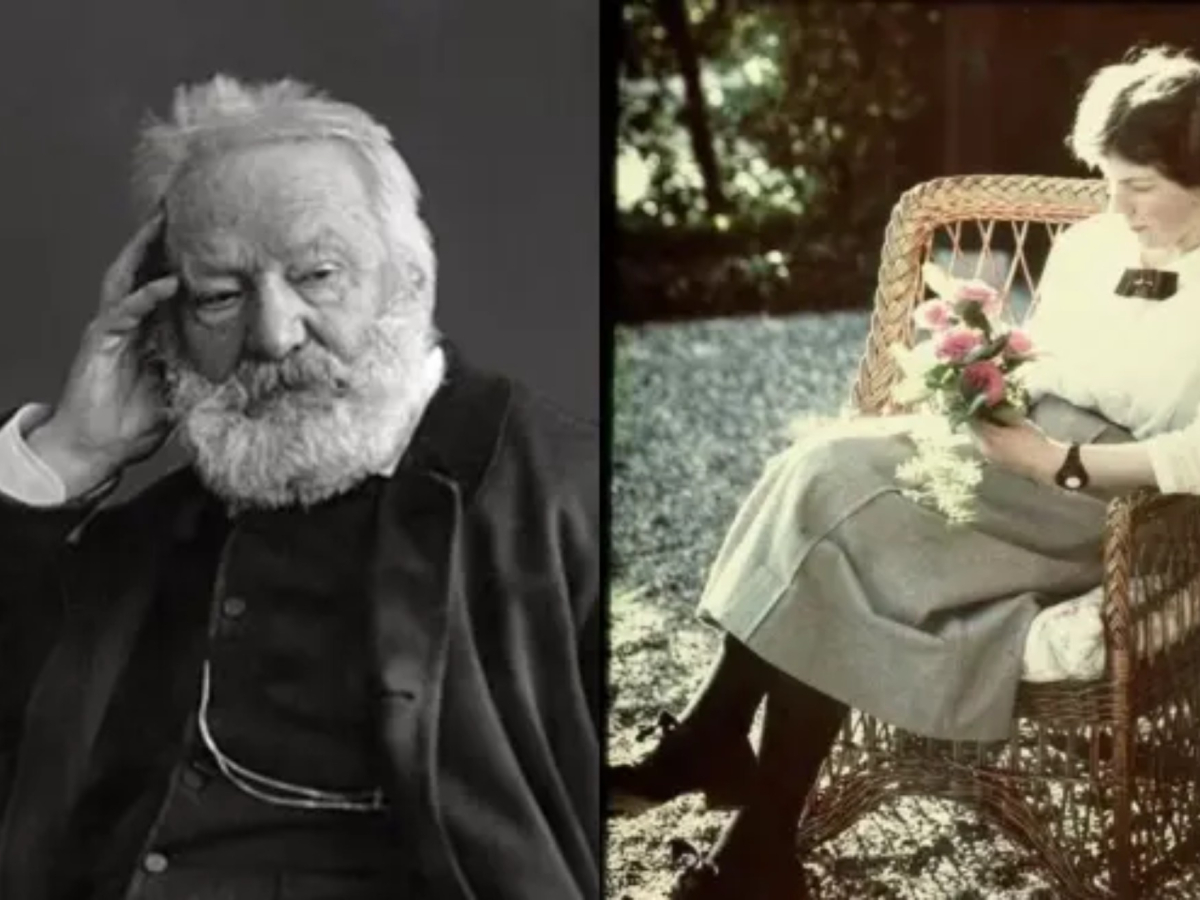
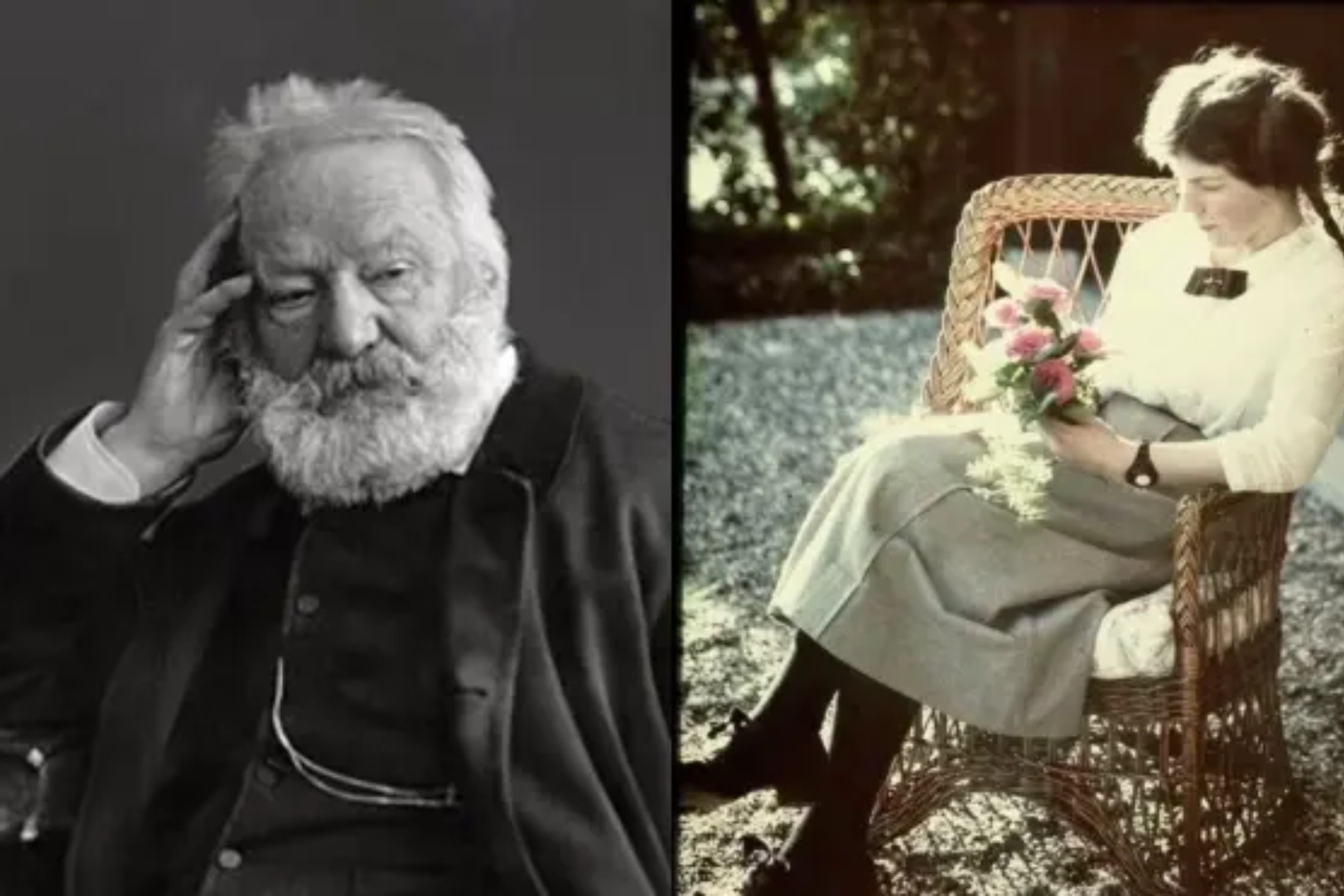
Victor Hugo, writer: “40 is the old age of youth, but 50 is the youth of old age”
Discover what Victor Hugo's reflection on being 40 and 50 means and learn some of the most famous quotes by the French writer
Getting older can feel like a race against time. At 40, some people begin to look back on their youth with nostalgia, while others discover new goals and ways to enjoy life. For Victor Hugo , one of the most renowned French writers of the 19th century , the passing of the years did not have to mean the end of one stage, but rather the beginning of another way of living.
“ Your 40s are the old age of youth, but your 50s are the youth of old age ” is a reflection that invites us to question prejudices about age. The phrase plays with two concepts that seem opposite and puts forward an interesting idea: growing older can also open the door to new opportunities, learning, and freedoms.
What does this reflection by Victor Hugo about youth and old age mean?
The phrase by Victor Hugo suggests looking at aging from a different perspective. Upon reaching 40 years of age, a person may begin to become more aware of the time that has passed, the decisions made, and the goals they still wish to achieve. Youth no longer feels endless, and a stage begins marked by a greater awareness of one’s own life.
However, the second part of Victor Hugo's reflection changes the meaning of that apparent loss. If 40 represents the end of a certain youth, 50 can be understood as the beginning of a new stage, with more experience and a different view of what really matters.
This interpretation does not mean that everyone experiences aging in the same way. Rather, it reminds us that age does not completely determine someone’s possibilities. The idea can be summarized in three points:
At 40: recognizing the path traveled and rethinking some priorities.
At 50: leverage experience to explore new projects and enjoy other opportunities.
At any stage: understanding that it is still possible to learn, change, and start again.
The phrase by Victor Hugo remains relevant because it questions the idea that there is an age limit for fulfilling dreams. Changing careers, learning a skill, or starting a personal project does not have to be exclusive to youth.
What are Victor Hugo's most famous quotes?
Victor Hugo (1802-1885) was a poet, playwright, novelist, and a central figure of French Romanticism. Among his best-known works are Les Misérables and The Hunchback of Notre-Dame , in which he addressed themes such as social injustice, compassion, and the human condition.
In addition to his novels, numerous phrases attributed to the writer circulate because of his way of expressing emotions and reflections on society. Among the best known are:
“The melancholy is the happiness of being sad.”
“The whole of hell is contained in this one word: solitude.”
“The best religion is tolerance”
“No army can stop the force of an idea when it arrives on time”.
“Nothing is as stupid as conquering; true glory lies in persuading.”
These quotes reflect some of the recurring themes in his thought: solitude, coexistence, ideas, and the human capacity to transform their surroundings. It is worth bearing in mind that the versions of some phrases may vary depending on the translation and that their attribution should be verified in the original work.
Reflection on one’s 40s and 50s leaves a question for the future: what if growing older did not mean saying goodbye to who we were, but discovering everything we can still become? Perhaps that is why the words of Victor Hugo continue to invite us to look at time with less fear and more curiosity.