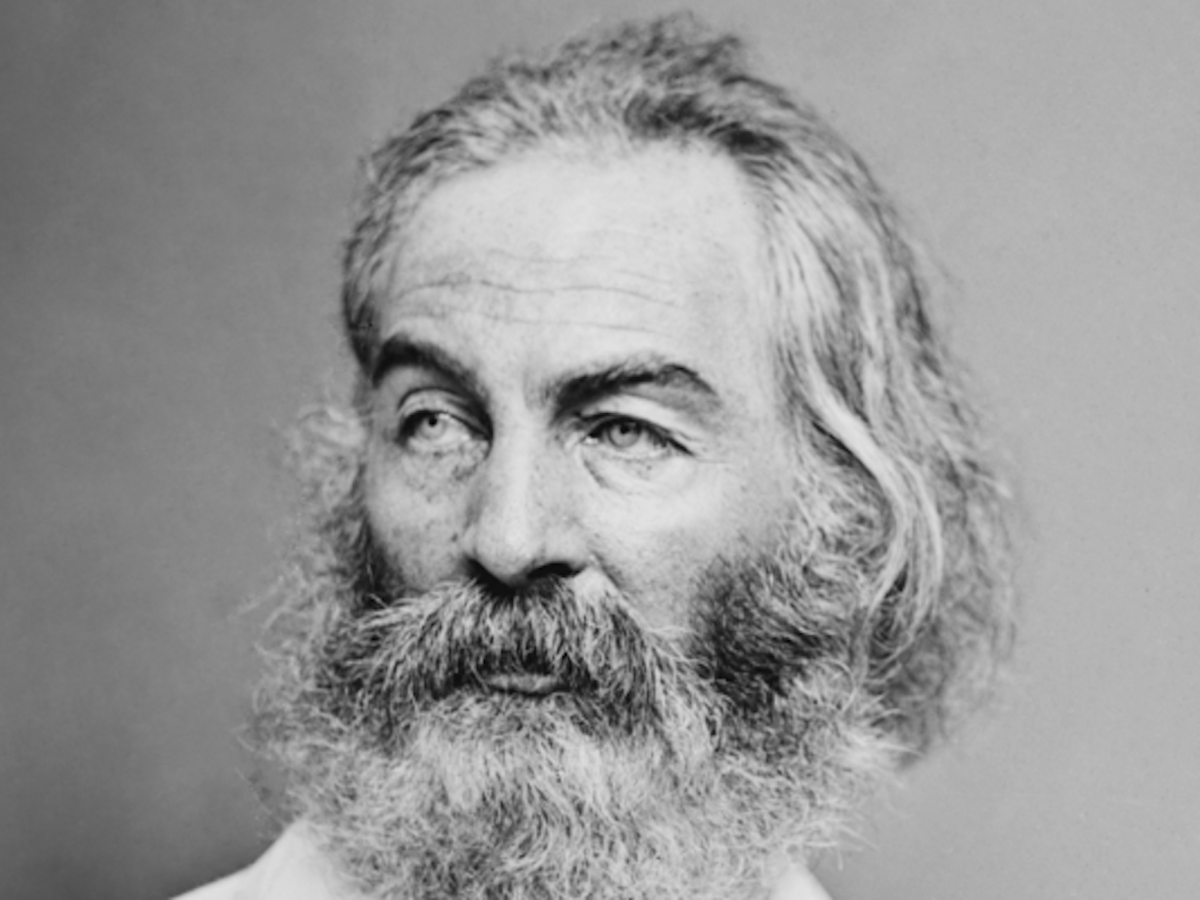
Walt Whitman, American poet: "I have learned that to be with those I like is enough"
A reflection on friendship and companionship offers a timeless perspective on finding fulfillment beyond money and success
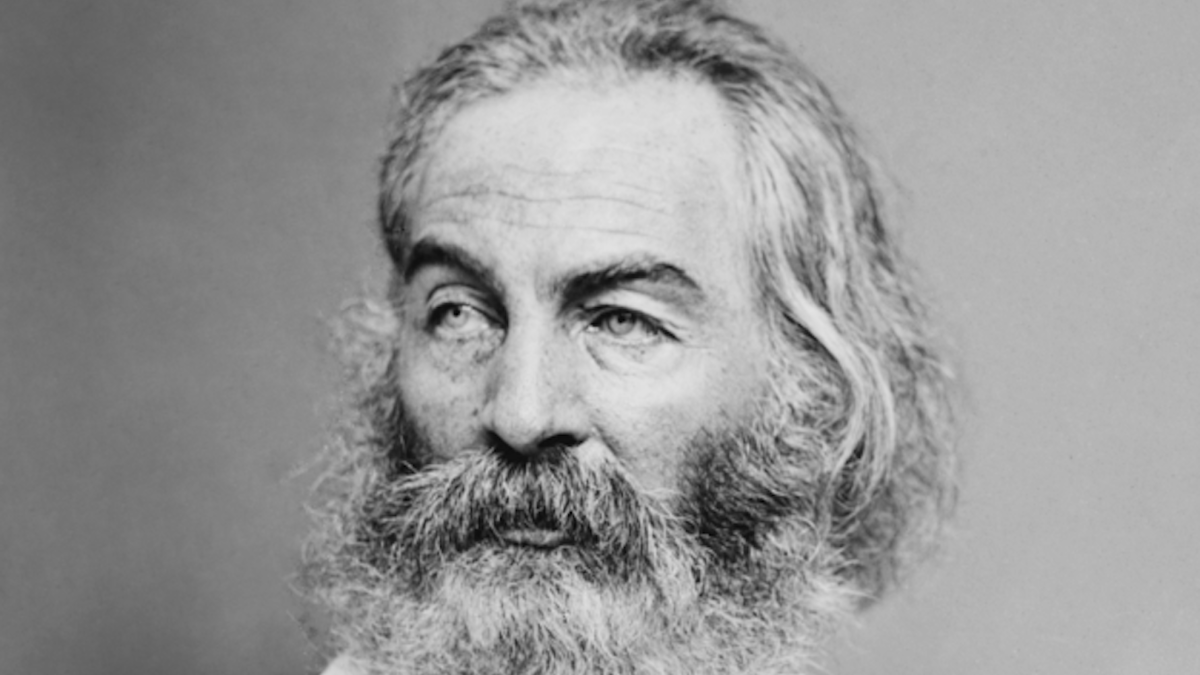
Happiness is often measured through professional success, financial security or personal achievement, yet American poet Walt Whitman believed that some of life's greatest rewards could be found in something considerably simpler, in spending time with people whose company brings genuine pleasure.
The influential writer, whose work transformed American literature during the 19th century, is widely associated with the observation: "I have learned that to be with those I like is enough."
Behind those words lies a philosophy that challenges the constant pursuit of more, suggesting companionship, affection and shared experiences can provide a sense of fulfillment that material achievements cannot always deliver.
Whitman , born in New York in 1819, became one of America's most celebrated literary figures through his groundbreaking collection Leaves of Grass, first published in 1855.
His poetry frequently explored individuality, freedom, equality and the relationships connecting people across different backgrounds, establishing him as an influential voice in the development of modern American literature.
What did Walt Whitman mean by his quote about happiness?
The quotation is a modernized version of a passage from Whitman 's poem I Sing the Body Electric, which appears in Leaves of Grass.
In the original text, Whitman wrote: "I have perceiv'd that to be with those I like is enough," expressing his appreciation for the simple experience of human companionship.
Whitman was suggesting that meaningful relationships offer their own rewards, without requiring extraordinary experiences, expensive possessions or recognition from others.
His reflections were rooted in an appreciation of ordinary human interaction, including the pleasure of spending an evening among friends or sharing a moment of affection.
Rather than dismissing ambition or personal accomplishment, the passage encourages readers to recognize that fulfillment may already exist within their closest relationships.
The idea remains particularly relevant in a society where success is frequently associated with constant progress, productivity and public recognition.
Why Whitman's words still resonate today
Whitman 's poetry was revolutionary partly because of his determination to celebrate everyday life and the experiences of ordinary people.
At a time when much traditional poetry followed established literary conventions, he embraced free verse and explored subjects ranging from democracy and identity to physical affection and emotional connection.
His reflections on friendship suggest that happiness does not necessarily depend on having a large social circle or an exciting lifestyle.
Instead, the quality of personal relationships can matter more than the number of people someone knows or the activities they pursue together.
The sentiment also encourages a different understanding of contentment, one in which being present with loved ones becomes an achievement in itself rather than something taken for granted.
Whitman died in 1892, but his writing continues to influence discussions about identity, belonging and the meaning of a fulfilling life.
His enduring message is that people don't always need something more to feel complete. Sometimes, the company of those they genuinely care about can be enough.