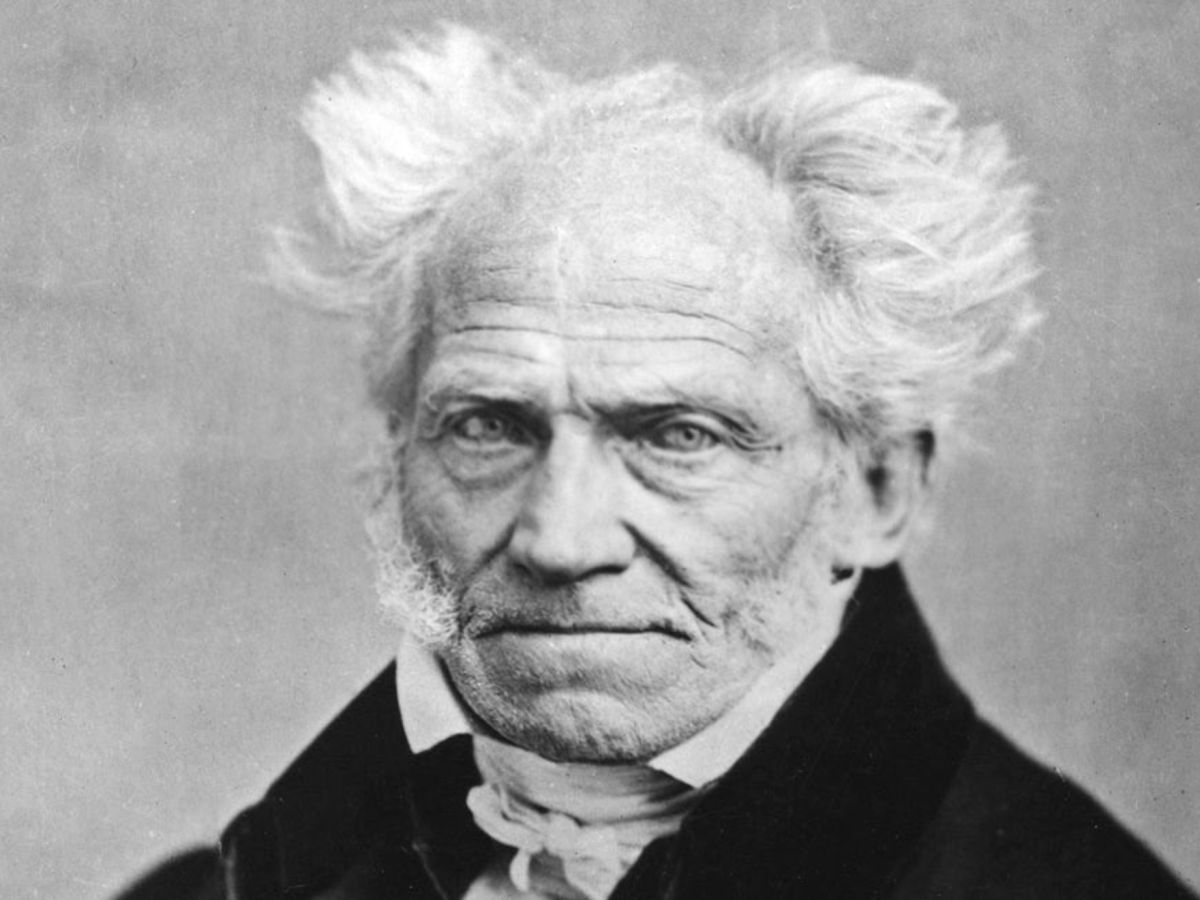
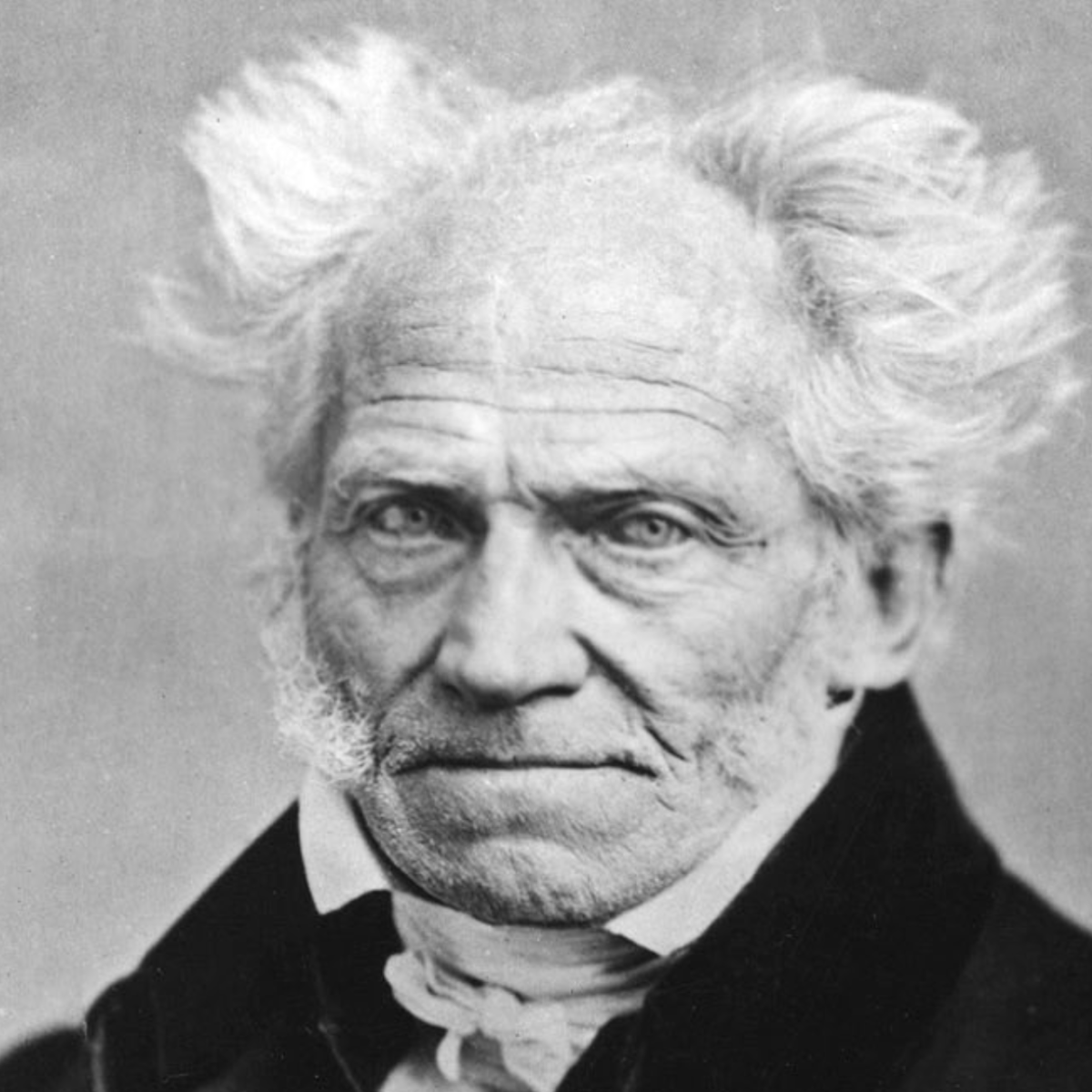
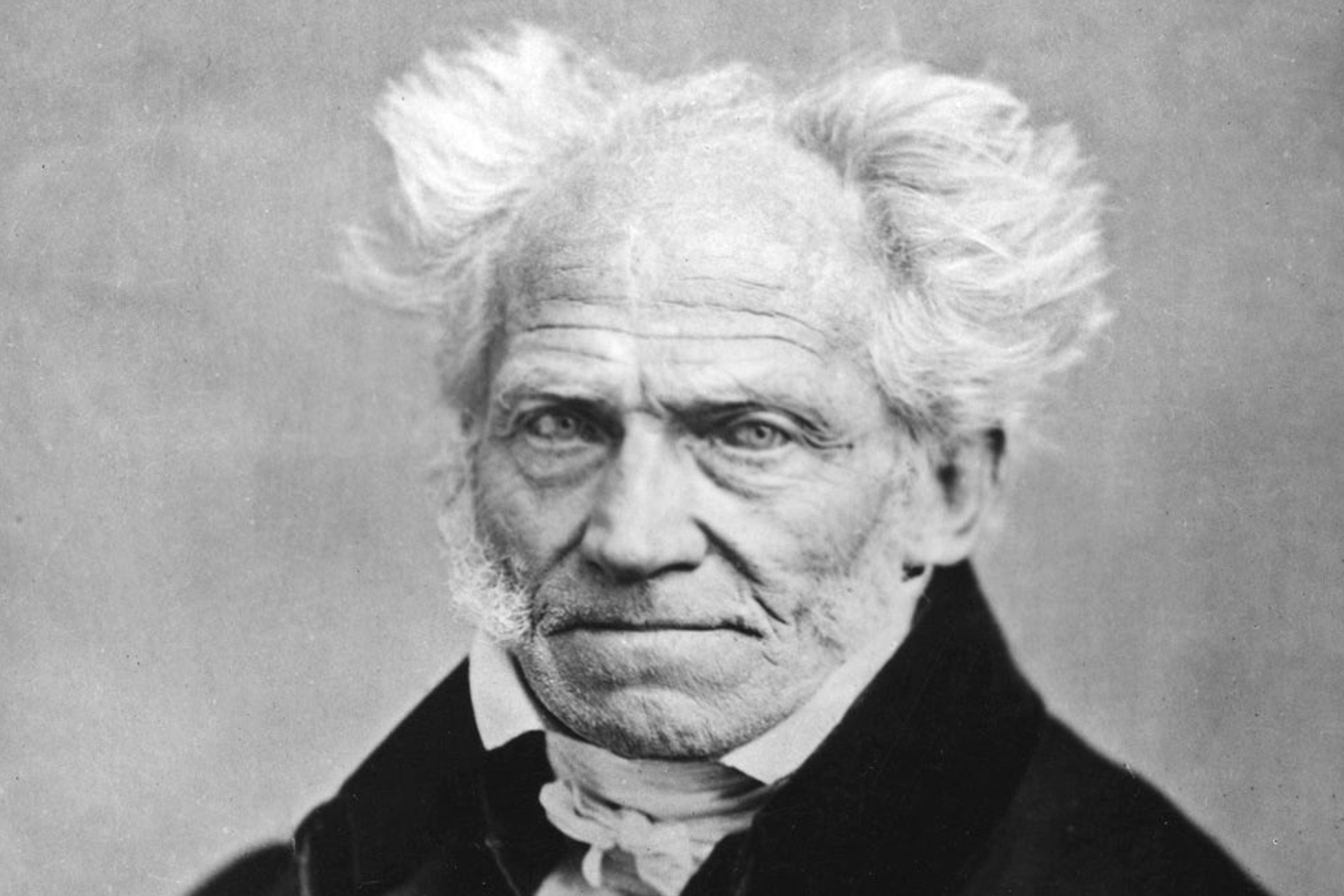
Arthur Schopenhauer, German philosopher: “To love is to suffer. To avoid suffering, one must not love; but then one suffers from not loving”
The German thinker made suffering one of the keys of his philosophy and questioned the possibility of achieving lasting happiness.
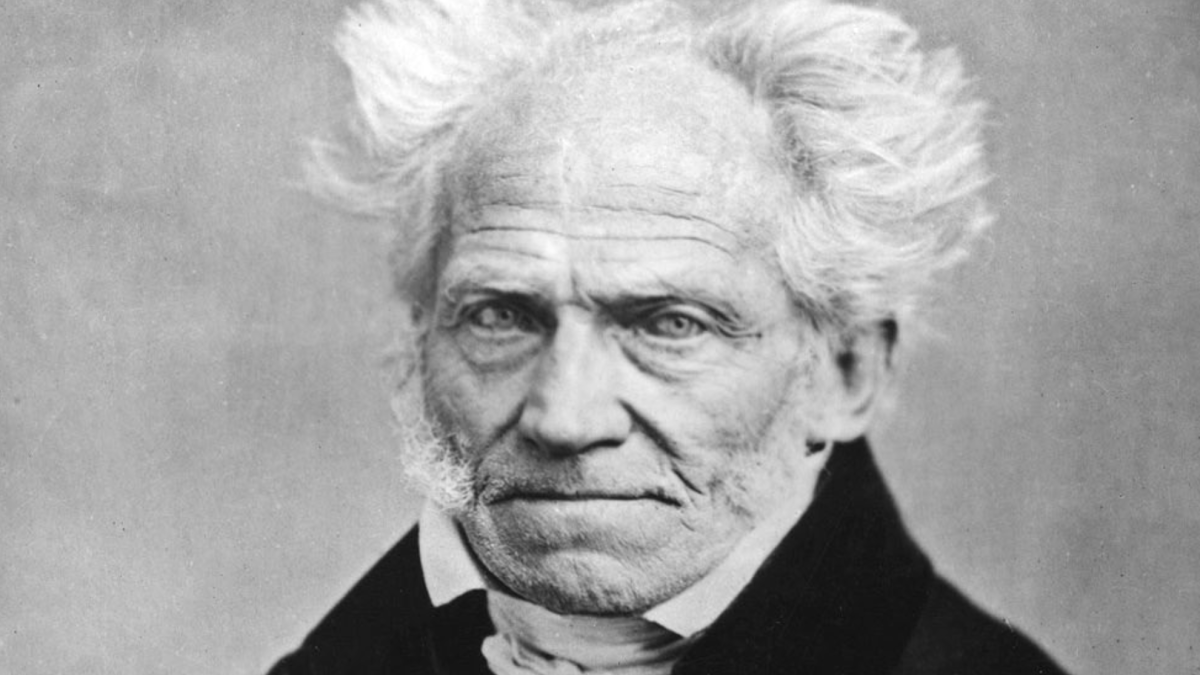
Love can be one of the most intense experiences in life, but also a source of uncertainty, fear, and suffering. For Arthur Schopenhauer, a 19th-century German philosopher, that contradiction fit into a much deeper problem: human beings are driven by desires they can never fully satisfy.
One sentence sums up that paradox: «To love is to suffer. To avoid suffering, one must not love; but then one suffers from not loving». The dialogue appears in Love and Death (1975), a film by Woody Allen, and reflects a pessimistic view of human relationships that bears a certain affinity with the philosophy of the German thinker.
Schopenhauer and his pessimistic view of happiness
Born in 1788, Schopenhauer was one of the main representatives of philosophical pessimism . In his work The World as Will and Representation, originally published in 1818, he developed an interpretation of existence in which desire occupies a central place. To want something means to experience a lack and, therefore, to be exposed to dissatisfaction.
The problem, from his perspective, does not end when we achieve what we seek. Satisfaction is usually fleeting, and a new desire soon appears. Thus, life becomes trapped between the frustration of not having what we want and the emptiness that can arise after obtaining it. Happiness, therefore, can hardly become a permanent state.
Love and the fear of losing another person
This view also helps explain why emotional bonds can become a source of suffering. When we establish a relationship, expectations, desires, and fears arise related to the possibility of losing the person we love.
For Schopenhauer, love was not separate from the impulses that drive human beings. In his philosophy, even falling in love could be understood as an expression of the will to live, which pushes individuals beyond their conscious interests. Although his ideas about love have a broader and more complex dimension, his view leaves little room to idealize it as an experience free of conflict.
Feeling can provide joy and companionship, but also expose us to anguish, jealousy, or the fear of abandonment. The contradiction is precisely this: that which allows us to connect with other people can also make us vulnerable to pain.
What is happiness? Or rather, how do we reach that state without giving up what makes us feel alive?
Solitude as a path to independence
Schopenhauer also reflected on the importance of personal independence and the ability to enjoy one’s own company. In his writings on the wisdom of life, he addressed solitude as a condition that could foster autonomy and reduce dependence on external circumstances.
This idea does not mean that one must give up love or personal relationships. Rather, it invites us to distinguish between choosing to be with someone and permanently needing someone in order to feel well. Autonomy makes it possible to build bonds without turning them into the sole source of satisfaction.
Is it possible to achieve happiness?
Schopenhauer did not offer a simple formula for eliminating suffering. His philosophy questioned, precisely, the possibility of achieving lasting happiness as long as the human being remained subject to a will that drives them to desire constantly.
His thought continues to pose a difficult question: can one live without suffering for what one desires or for what one fears losing? Between love, independence, and loneliness , the ideas of the German philosopher invite us to reexamine our expectations about happiness and to recognize that, on many occasions, suffering is also part of what we value most.