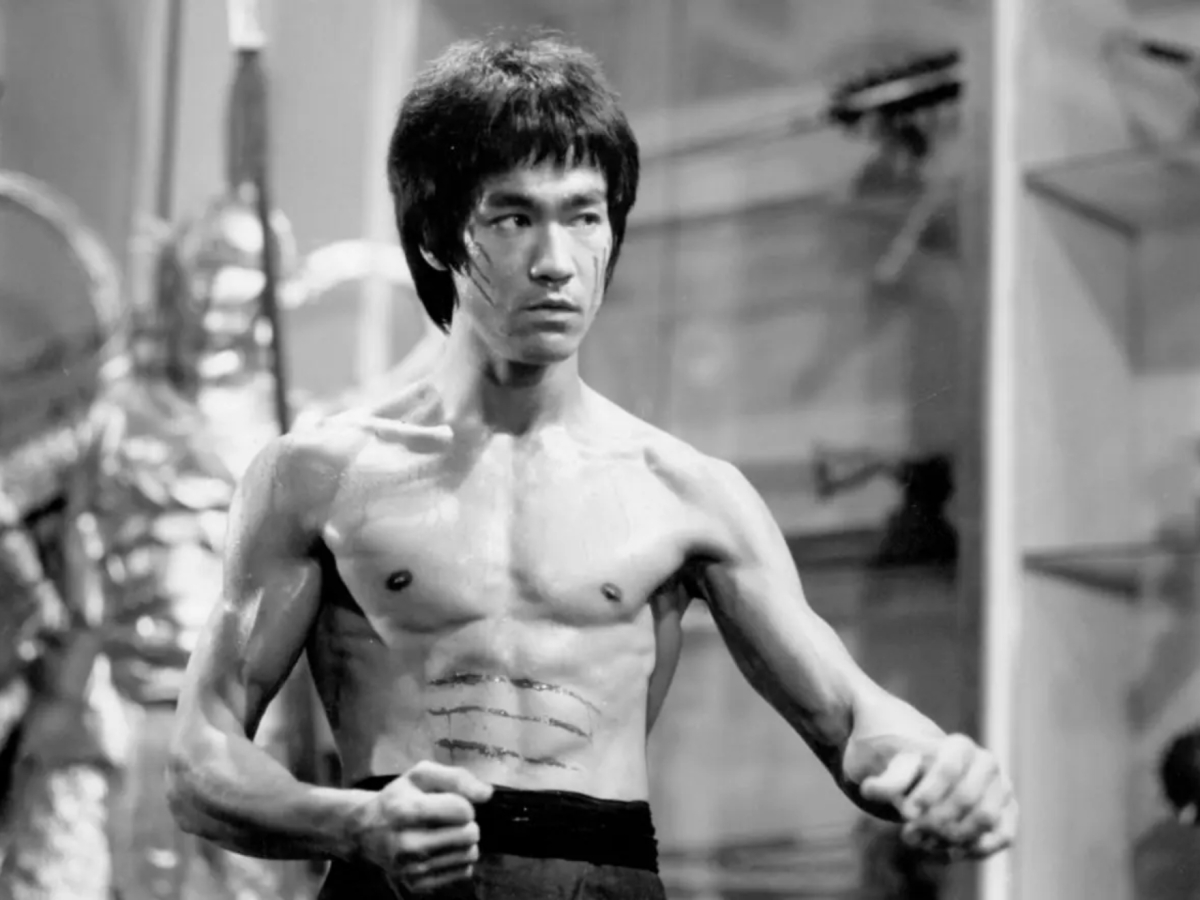
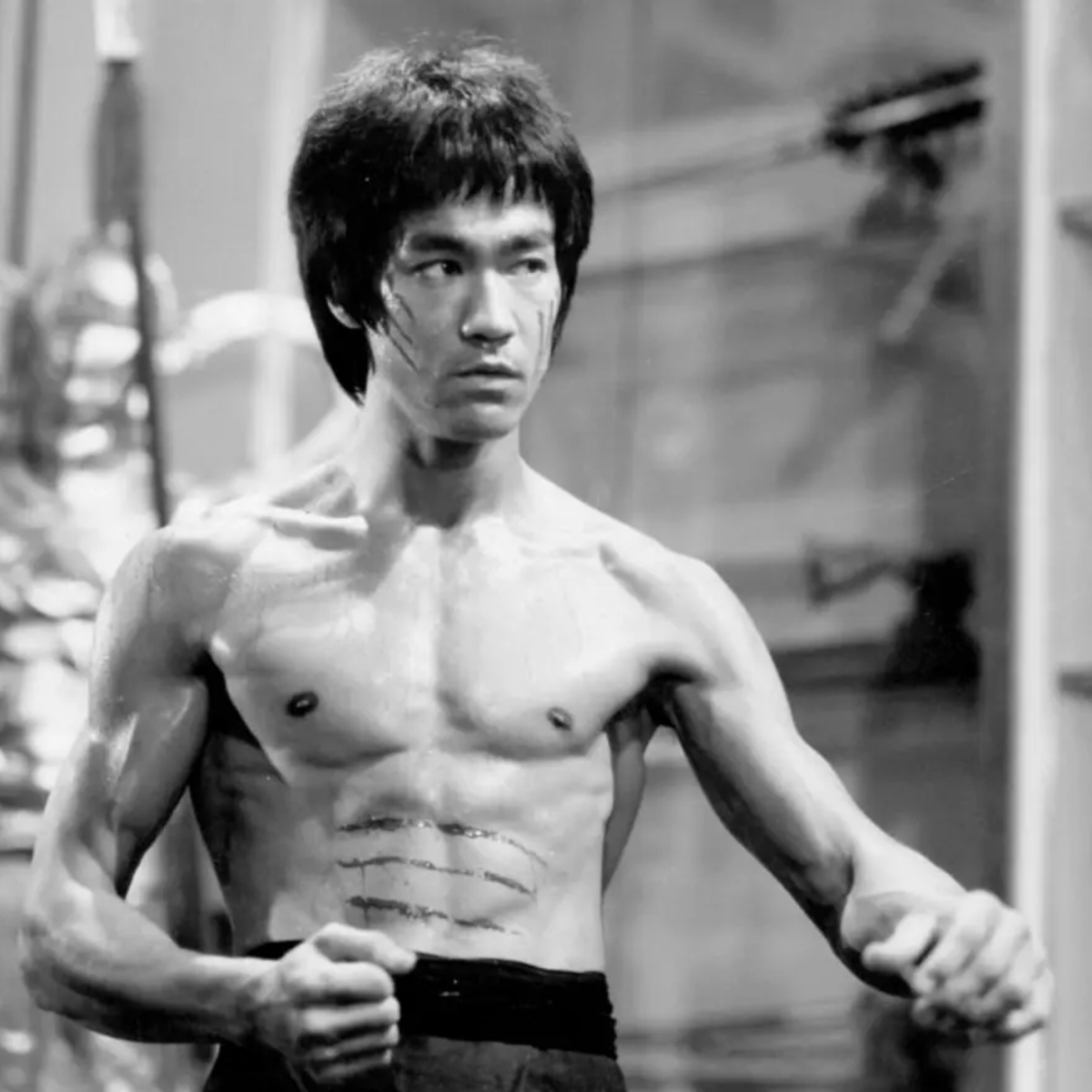
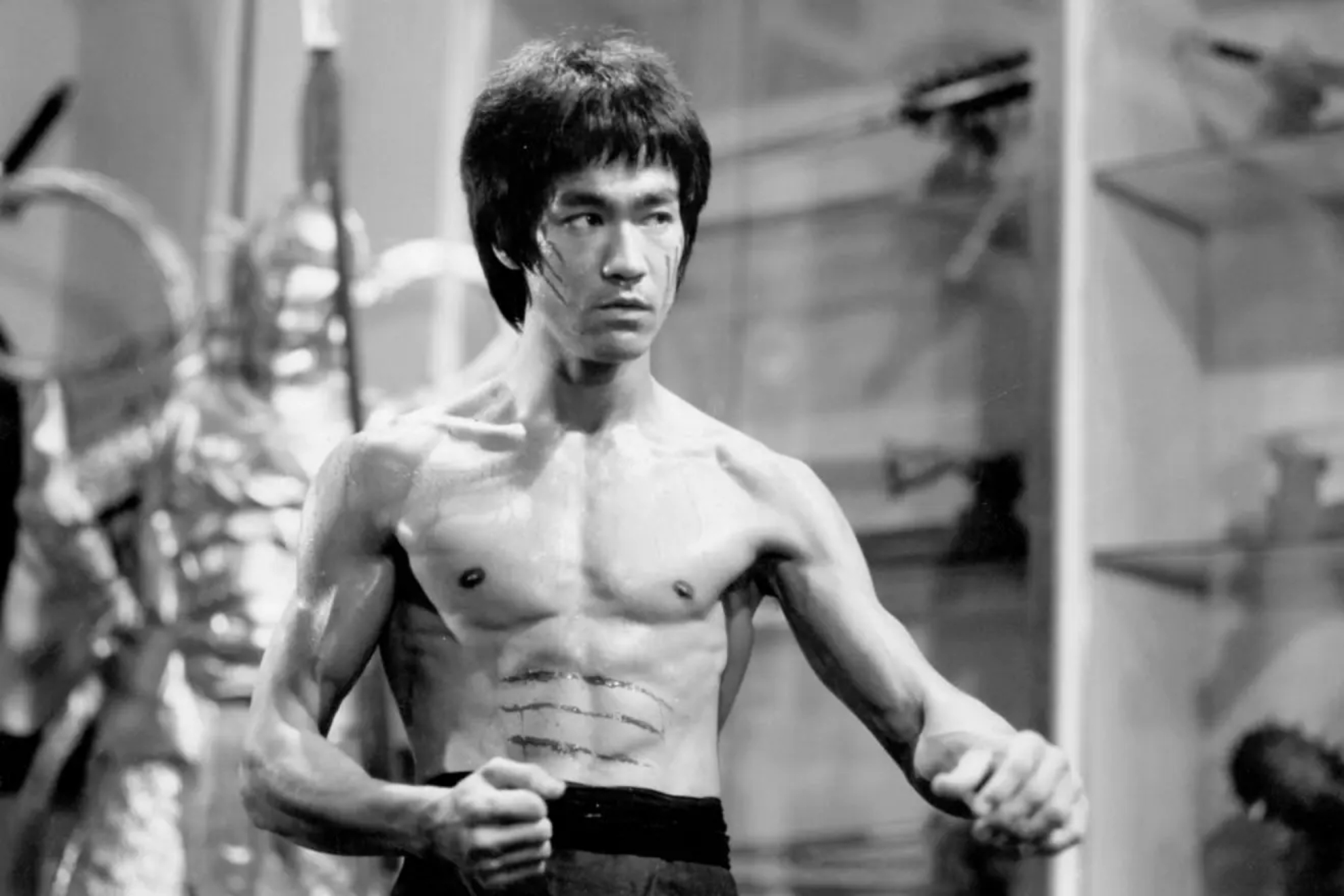
Bruce Lee, martial artist / actor: "If you love life, don't waste time, for time is what life is made up of"
Bruce Lee's philosophy of adaptability can help us navigate contemporary insecurities, especially when seeking identity and purpose
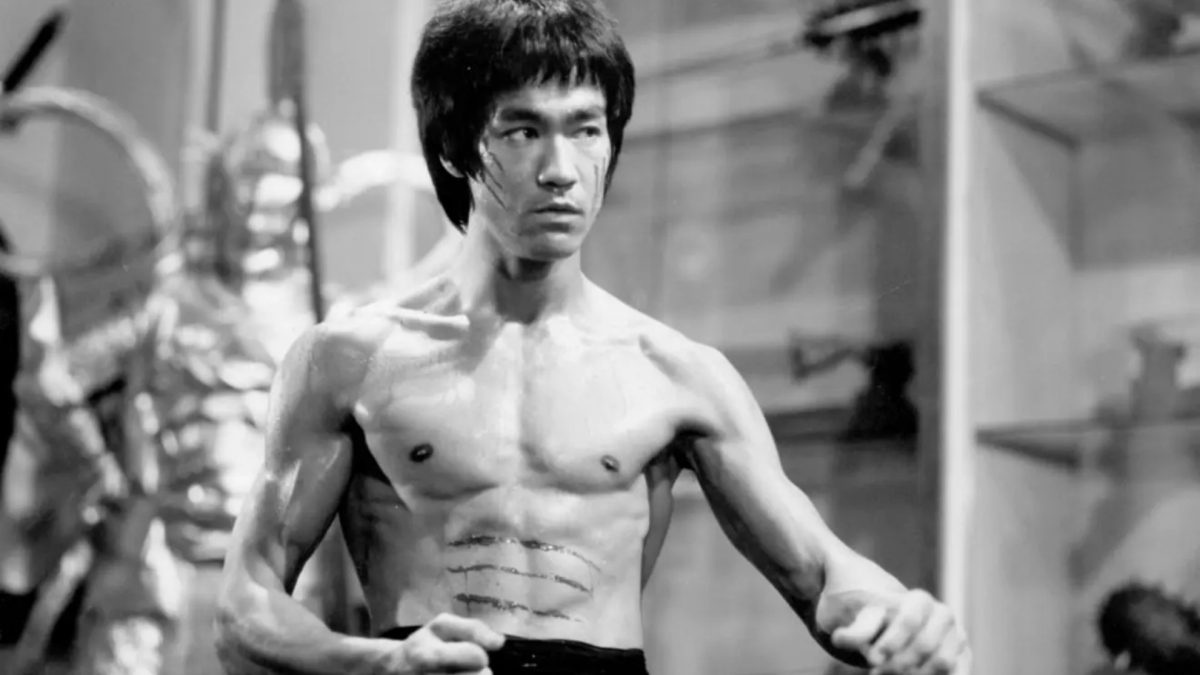
In a world where individuals often feel their lives lack direction, the quest for purpose can lead to feelings of frustration and despair. Many find themselves trapped in a cycle of seeking approval from others, which only exacerbates their internal struggle. This resonates with Bruce Lee 's profound observation on the significance of time and authenticity; he emphasized that life is ultimately defined by how we choose to spend our time, urging us not to waste it in unfulfilling pursuits.
Lee's reflections in Striking Thoughts highlight the universal difficulty of feeling lost, yet they also illuminate the path toward self-discovery. By embracing a life filled with genuine passions and intentions, we can navigate our fears and find fulfillment beyond the societal standards that often confine us.
If you love life, don't waste time, for time is what life is made up of.
Bruce Lee's Philosophy of Life and Martial Arts
Bruce Lee (1940-1973) was a Hong Kong-American martial artist, actor, filmmaker, philosopher, and writer, known as the most influential martial artist in history. Born in San Francisco, Lee contributed significantly to bridging Eastern and Western cultures through his work. He developed the martial arts philosophy known as Jeet Kune Do, which emphasized adaptability and the rejection of rigid styles, reflecting his diverse training and philosophical studies. Despite his early death at the age of 32, Lee's innovations and philosophies continue to inspire martial artists and athletes around the world.
Intellectually, Lee's thought connects with various philosophical and martial arts traditions. He drew inspiration from figures like Jiddu Krishnamurti, emphasizing self-knowledge and personal growth. His approach transcended traditional martial arts, encouraging practitioners to adapt techniques to their unique capabilities. This flexibility resonates with contemporary issues such as the need for personal identity and overcoming societal pressures, which can be reflected in the works of modern thinkers who discuss self-actualization and authenticity, further solidifying Lee’s influence on personal development and cultural identity.
One of Lee's famous sayings, "If you love life, don't waste time, for time is what life is made up of," encapsulates his belief in living authentically and purposefully. This philosophy aligns with his martial arts practice, where he taught that true mastery comes from understanding oneself and one’s environment. This reflection highlights how the essence of his teachings permeates all aspects of life, urging individuals to embrace their journey and take calculated risks in pursuit of their passions.
In a day-to-day context in the 21st century, Lee's philosophy serves as a guiding principle for managing modern life's complexities. Many people face overwhelming choices, societal pressures, and a sense of disconnection from their true selves. By embodying Lee’s idea of time management—living with intention and purpose—individuals can navigate their lives more effectively. This can involve prioritizing personal goals, stepping outside of comfort zones, and embracing the journey of self-discovery, ultimately leading to a more fulfilled and authentic life.