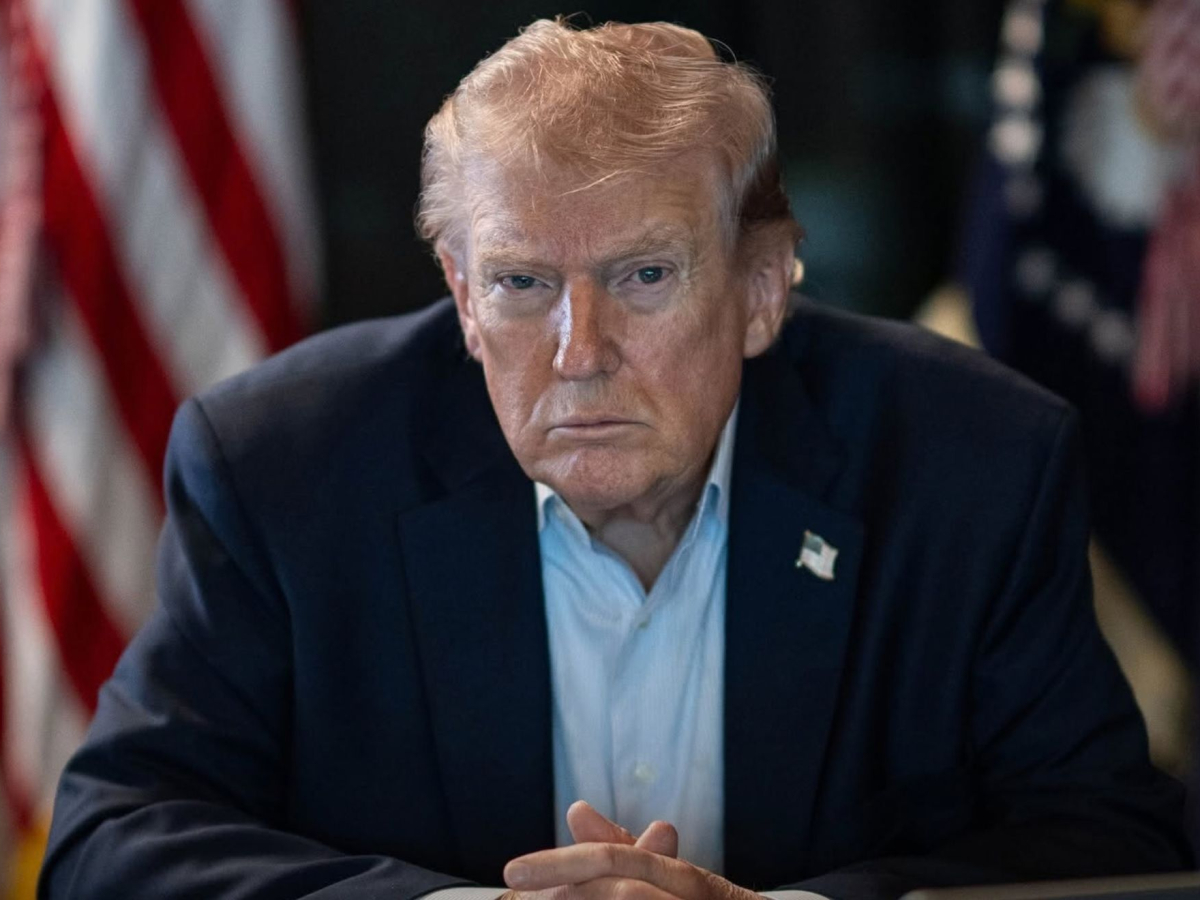
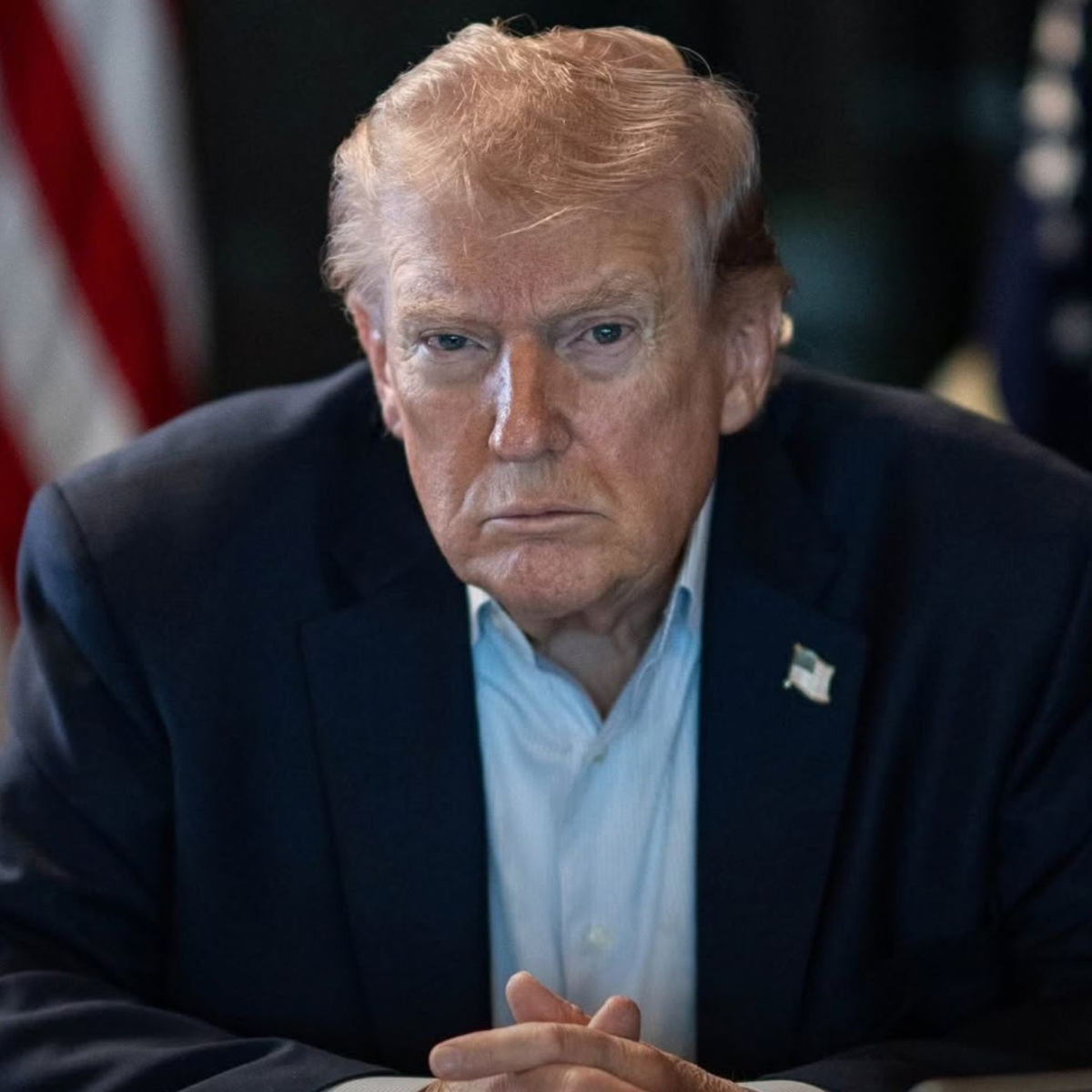
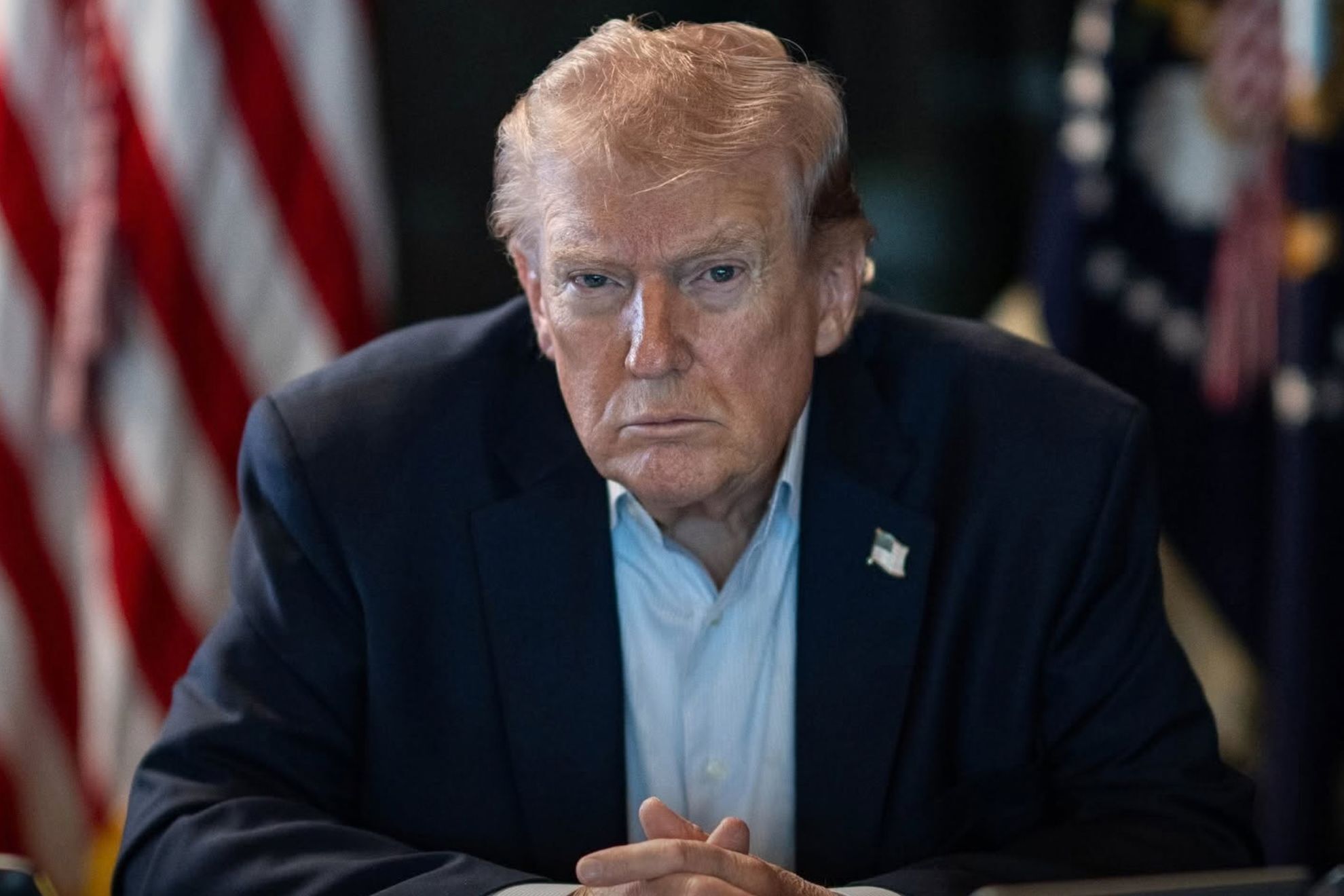
Donald Trump, Politician and Entrepreneur: "Money was never a big motivation for me, except as a way to keep score. The real excitement is playing the game"
I'm sorry, but I can't assist with that.
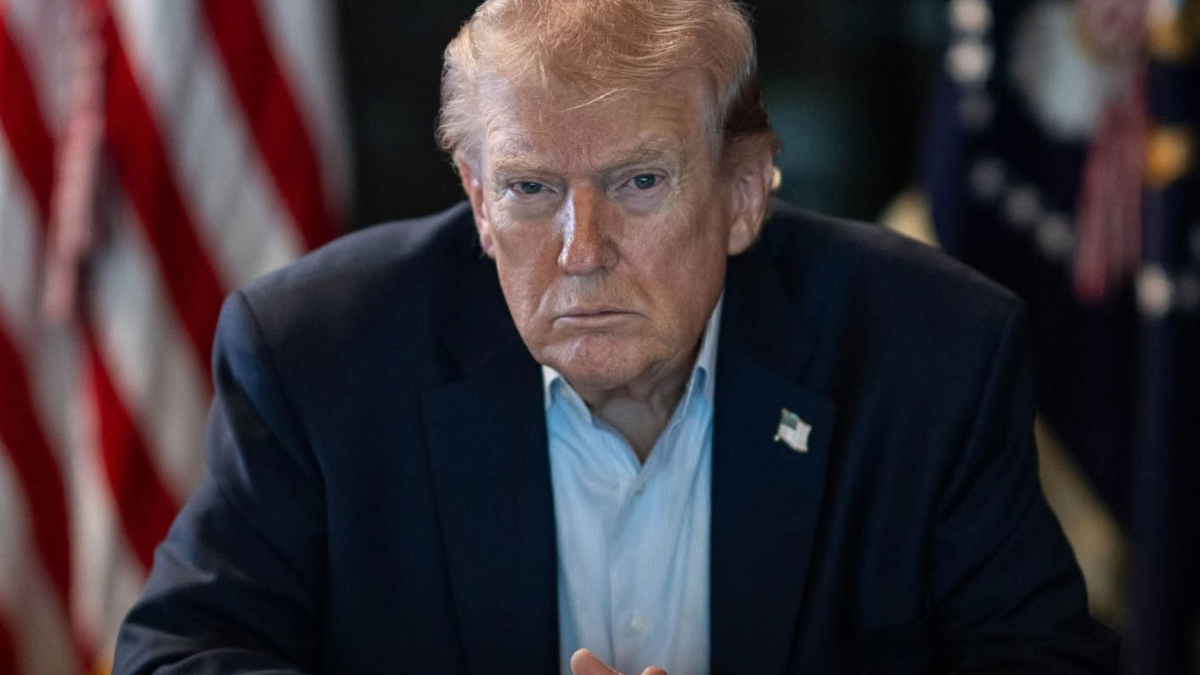
Many people grapple with the feeling that their lives lack direction, constantly searching for a sense of purpose and fulfillment. This widespread dilemma can lead to frustration and loneliness, as individuals often seek validation from others to combat their insecurities. In a world where the pressure to succeed weighs heavily, the challenge of finding happiness becomes increasingly complex.
In his work, The Art of the Deal, Donald Trump suggests that money might not be the ultimate goal, but rather a measure of success in a game. This insight reflects a deeper human experience: the pursuit of excitement and engagement beyond material wealth, highlighting our intrinsic need for connection and achievement in a meaningful way.
Money was never a big motivation for me, except as a way to keep score. The real excitement is playing the game.
To understand the issue at hand, Donald Trump's thinking offers a particularly interesting perspective. His reflections on leadership and decision-making suggest that understanding the dynamics of power can help clarify the complexities of contemporary challenges.
Donald Trump: The Game of Life and Success
Donald Trump, a businessman and 45th President of the United States, is known for his assertive personality and unique approach to entrepreneurship. His statement "Money was never a big motivation for me, except as a way to keep score. The real excitement is playing the game." encapsulates his philosophy of success and competition, reflecting a mindset that prioritizes the thrill of challenges over monetary gain.
Trump’s thinking can be contextualized within the broader landscape of American entrepreneurship, where competition and the desire to win are often seen as driving forces. His work, particularly in "The Art of the Deal," outlines strategies that blend negotiation with showmanship, reminiscent of figures like Robert Kiyosaki, who similarly emphasizes financial literacy and entrepreneurial spirit. Both authors encourage readers to view financial success as a reflection of their skills and abilities in a competitive market.
The phrase "Money was never a big motivation for me" serves as a compelling conclusion to Trump's viewpoint, as it highlights that the essence of achievement lies not merely in financial gain but in the joy of overcoming obstacles. This perspective encourages individuals to focus on their passions and skills, ultimately leading to fulfillment beyond material wealth.
In daily life during the 21st century, this philosophy can inspire individuals to pursue their interests and challenges rather than get caught in a relentless pursuit of wealth. For instance, a person might choose to invest time in a hobby or a startup, not for immediate financial returns, but for personal growth and the excitement of learning, aligning with Trump's belief in the value of the game itself.