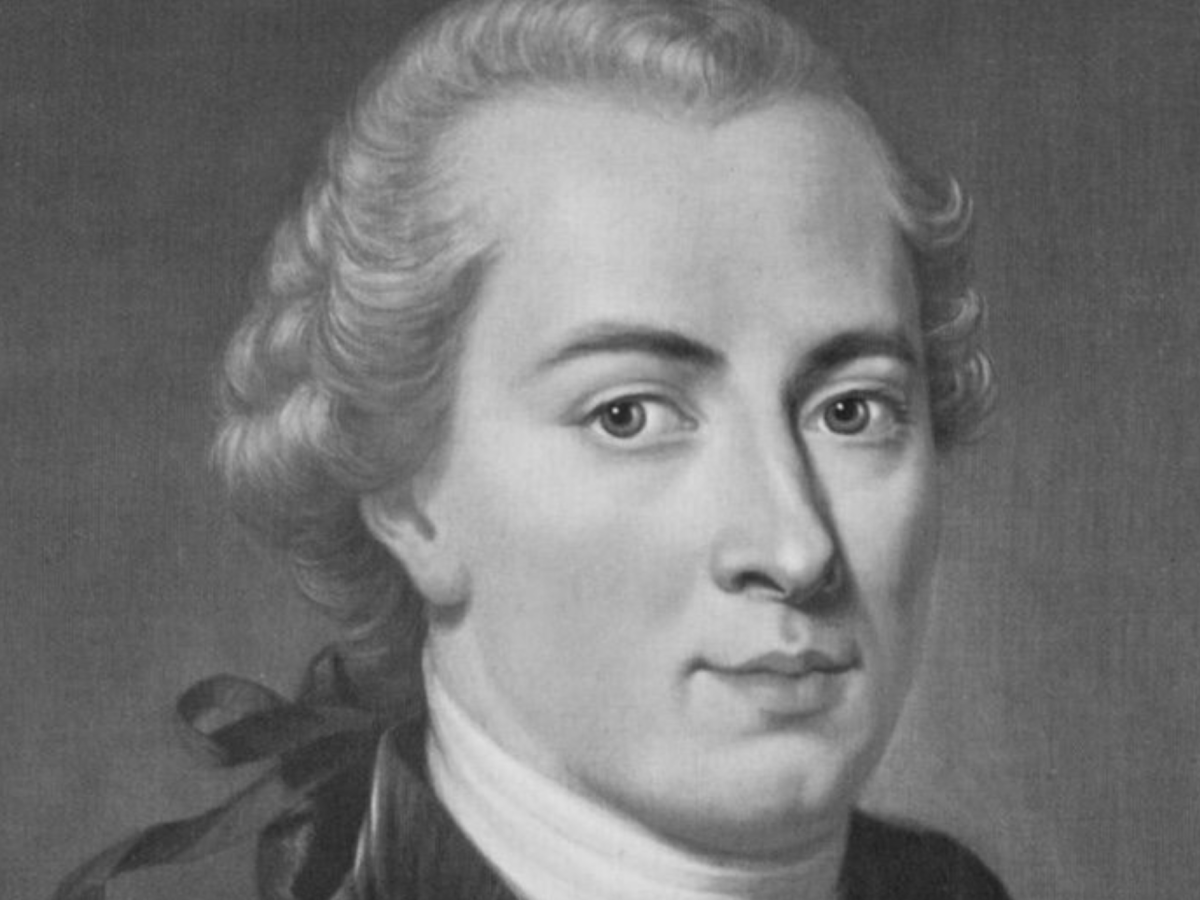
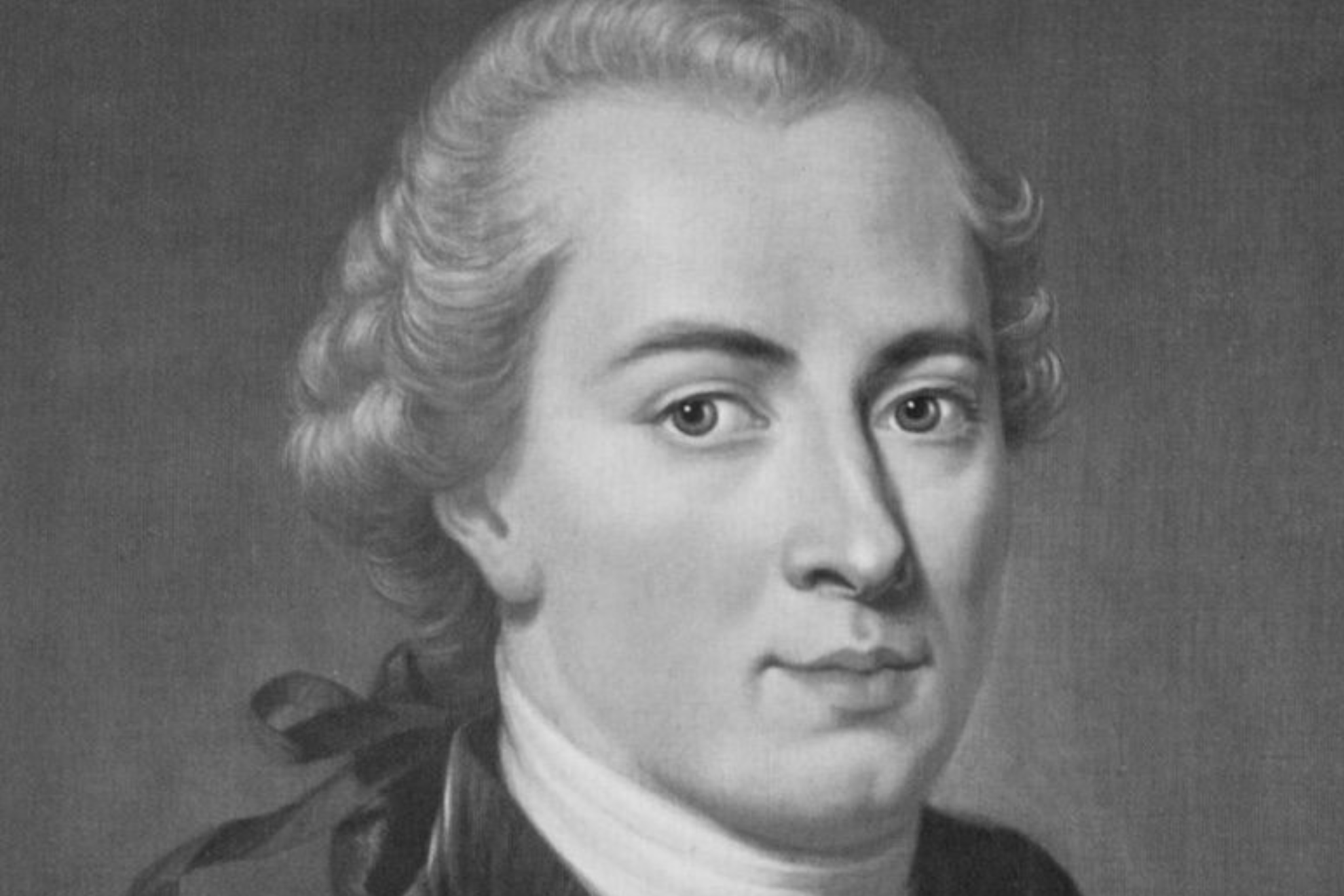
'Immanuel Kant, philosopher: "When I needed a wife, I could not support her, and when I could support her, I no longer needed her"'
The German thinker never married and turned his own experience into a reflection on money, marriage, and those opportunities that may arise when it is already too late.
There are desires that can disappear while we wait to have the necessary conditions to fulfill them. Immanuel Kant found a particularly simple way to explain that contradiction despite having devoted his career to some of the most complex problems in philosophy.
"When I needed a wife, I couldn't support her; and when I could support her, I no longer needed her". The phrase attributed to the German thinker speaks of his own bachelorhood, but also of the passage of time and how a person's priorities can change.
Kant did not always have the stability he achieved later
The phrase might suggest that Kant always rejected marriage. His biography, however, tells a more complex story. The philosopher had romantic interests and at certain moments even considered the possibility of getting married.
But there was a practical problem: money . During the early years of his career, he did not have the financial security he considered necessary to support a family. Marriage was postponed while he tried to consolidate his professional position.
Before becoming one of the great figures of Western philosophy, Immanuel Kant spent years thinking about reason, morality, and the great human decisions . Financial security did not come immediately, and marriage then implied taking on responsibilities that the philosopher was not sure he could face.
That helps explain why the possibility of starting a family kept being postponed. When he finally reached a more stable professional position, he was no longer the same man who had considered that option years earlier.
A decision that ended up being final
Kant never took the step . He remained single and gradually organized his existence around a routine in which study, classes, meals with acquaintances, and his famous walks occupied specific places.
His story ended up giving that phrase another dimension. It was not only a matter of not having enough money: when the financial obstacle disappeared, much of the desire that may once have led him to marriage had also disappeared.