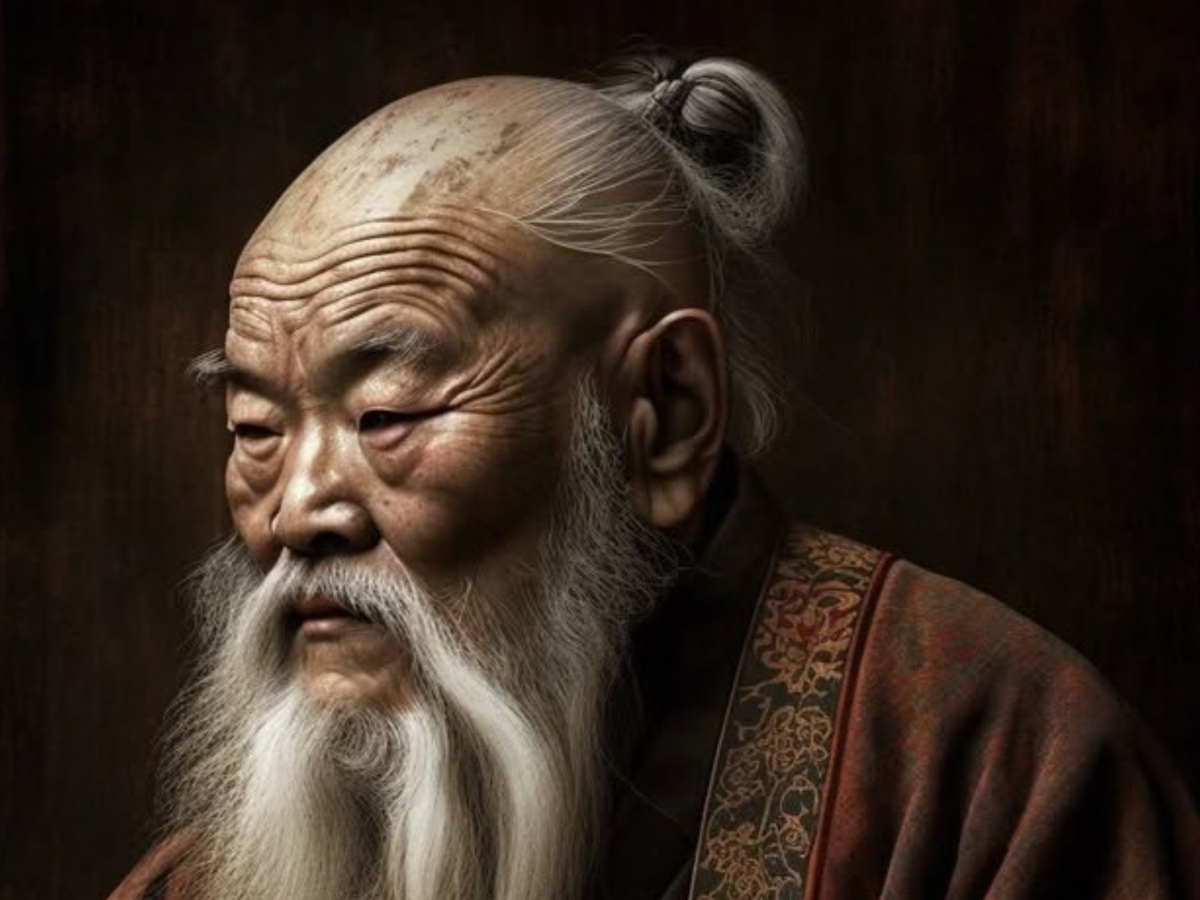
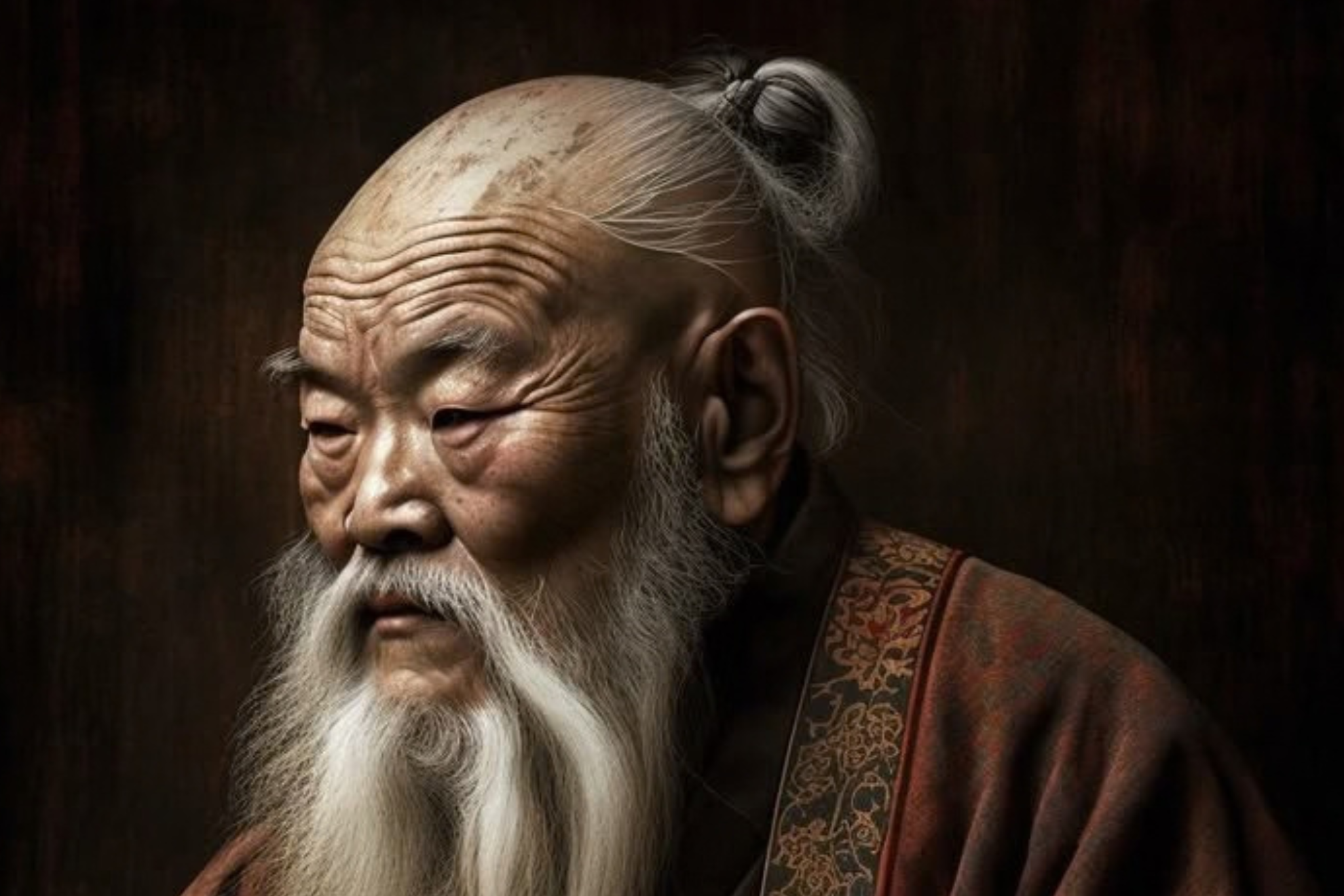
Lao Tzu, philosopher: “He who knows that enough is enough will always have enough.”
The Chinese philosopher addressed in the Tao Te Ching the relationship between desire, dissatisfaction, and the idea of enoughness, a reflection that continues to find parallels in an era marked by consumption and constant comparison.
There is a paradox that runs through much of modern life: the more we have, the easier it seems to find something we still lack. A better phone, a bigger house, more money, another trip, or what we see every day on social media. More than 2,000 years ago, Lao Tzu left a reflection on desire and satisfaction that can still be read from that perspective today.
“He who knows that enough is enough will always have enough,” reads one of the most widely circulated translations of a passage from chapter 46 of the Tao Te Ching, a fundamental work of Taoist thought traditionally attributed to Lao-Tzu . The text links dissatisfaction with desire and raises the importance of recognizing when what one has can be considered enough.
The phrase seems simple, but it suggests a different way of understanding abundance: not only in terms of what one possesses, but also in the ability to recognize when it is enough.
The question is not how much one has, but when it is enough.
The teaching usually drawn from this passage does not necessarily imply that a person must give up their possessions or stop aspiring to improve their situation. The issue lies elsewhere: if there is no point at which we can consider what we have sufficient , no amount will ever end up being enough.
"Chapter 46 itself develops that idea forcefully. The different translations present nuances, but they agree in linking excessive desire with dissatisfaction and in highlighting the importance of knowing when enough is enough
From that interpretation, wealth ceases to depend exclusively on how much a person possesses and also becomes related to how much they need to feel satisfied.
The idea can easily be transferred to the realm of contemporary consumption, more than 20 centuries later . Its interpretation starts from everyday situations: whoever has a car may want a faster one; whoever owns a house may desire a bigger one. There is always a next step and, therefore, a new lack can always appear.
Advertising and social media make that dynamic even more visible. Products, experiences, and lifestyles constantly appear that establish new points of comparison. Achieving what once seemed essential may bring satisfaction, but soon after a new object of desire emerges.
Lao-Tzu's teaching should not be confused with a defense of resignation either. Knowing when something is enough does not necessarily mean giving up goals, projects, or ambitions . The approach aims to distinguish between wanting to progress and depending on the next acquisition in order to feel complete. What it proposes is setting that limit before continuing to accumulate.
If the definition of “enough” shifts every time we achieve what we wanted, the goal also constantly moves farther away . That is the interpretation that keeps the passage relevant: whoever never acknowledges a limit to their desires may have more and more and, even so, continue feeling that something is missing.