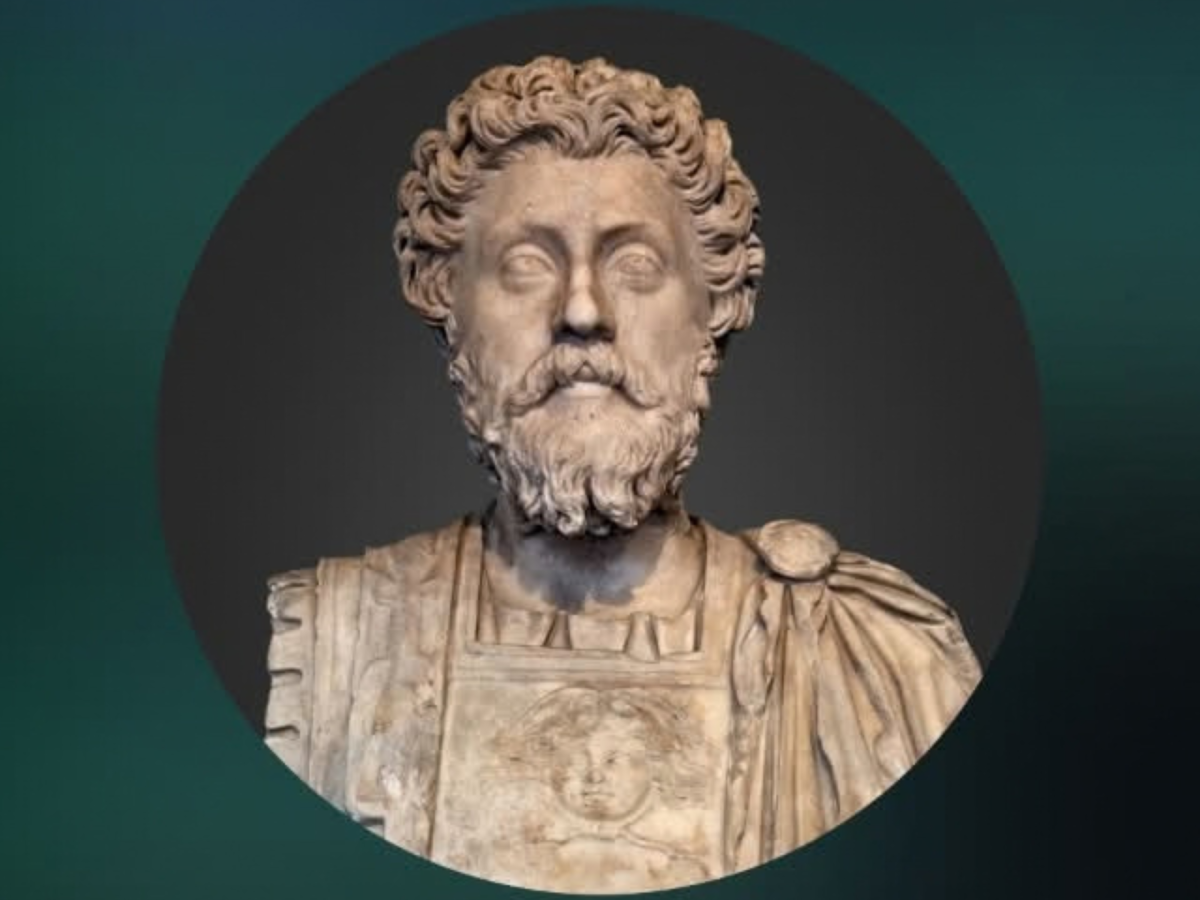
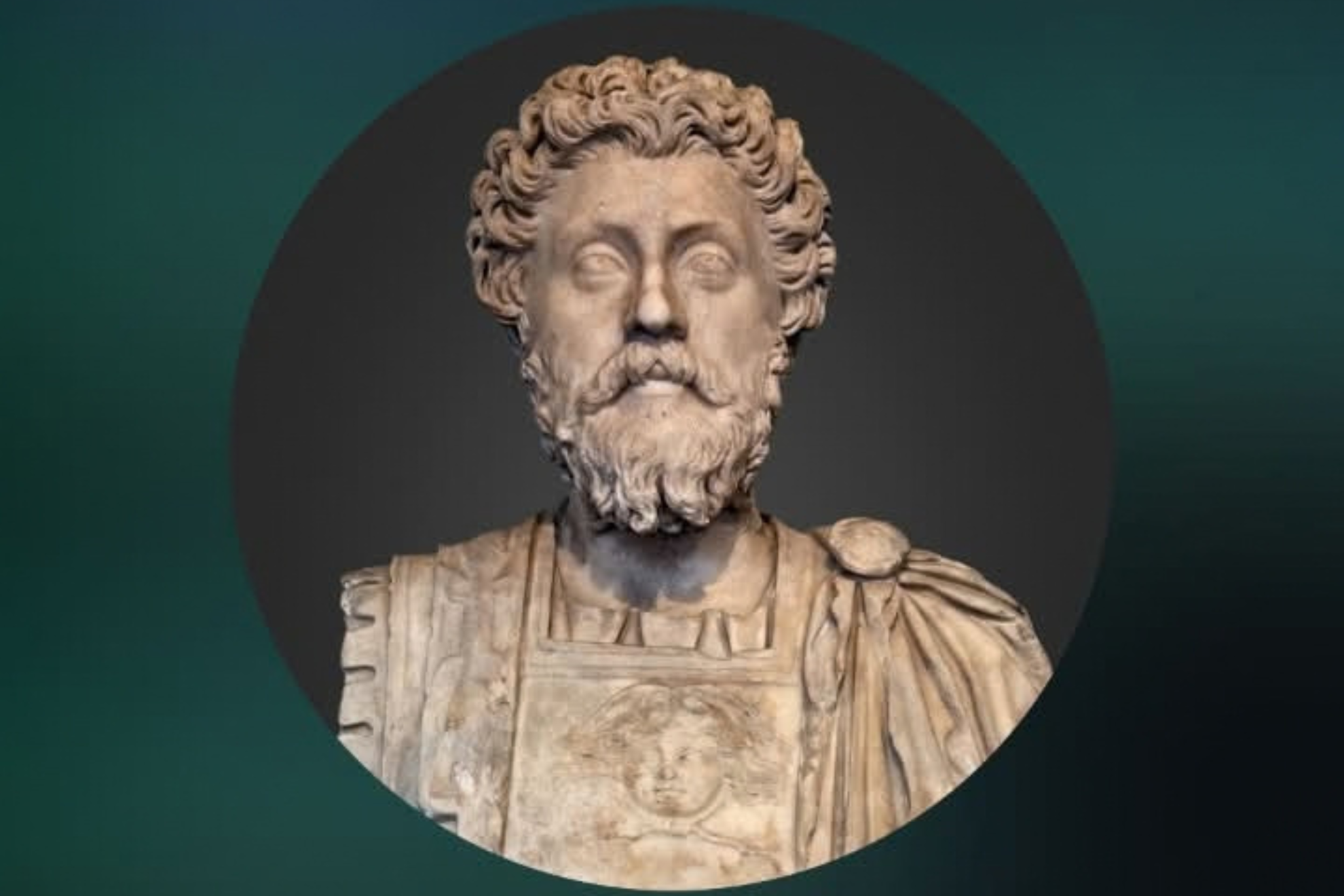
Marcus Aurelius, philosopher: “Control what you can and let go of the rest”
A teaching from the Stoics helps us distinguish between what depends on us and what is beyond our control. Psychology draws on this idea to explain why accepting our limits does not mean giving up.
Preparing for an interview doesn’t guarantee you’ll get the job. Training for months doesn’t guarantee you’ll win a championship either. We can do everything in our power and still end up with a result that doesn’t depend solely on us. For Stoicism, understanding that difference is fundamental: the effort we make is one thing; the outcome we get is another.
Psychologist Jeffrey S. Nevid sums up this idea with a motto: “Control what you can and let go of the rest.” His approach is rooted in one of Epictetus’s central teachings, which opens his *Enchiridion* with a very clear distinction: “Some things depend on us, and others do not.” Among the former, he includes our judgments, decisions, desires, and aversions; among the latter, external factors such as reputation, circumstances, or other people’s decisions.
Accepting what is beyond your control does not mean giving up
We cannot decide what others will think of us, but we can decide how to respond to criticism. Nor can we force another person to put our needs first. And although we can work toward a goal, the outcome is not guaranteed. Accepting these limits does not mean giving up the fight, but rather stopping confusing our responsibility with what is beyond our control.
This idea also appears in Meditations , the work in which Marcus Aurelius recorded his personal reflections on how to live in accordance with Stoicism. In Book VIII, the emperor emphasizes taking action when the situation allows it, rather than getting bogged down in complaint. Marcus Aurelius’s philosophy does not advocate passivity: it advocates acting correctly and accepting that there are circumstances that may prevent us from completing an action.
Psychiatrist and author Neel Burton uses an analogy to explain this difference: an archer can prepare, aim, and shoot as best as possible, but cannot control all the circumstances that come into play afterward . The lesson is to focus on doing well what does depend on us, without turning the outcome into an obligation.
Nevid applies that same logic to the field of psychology. We can work on our actions, the goals we pursue, the values we embrace, and the way we respond to our thoughts. What we cannot do is directly control what other people feel, think, or decide, nor can we prevent certain thoughts or emotions from arising.
Stoicism, therefore, does not propose eliminating difficulties, but rather changing our relationship with them. The point is not to make everything happen the way we want, but to identify which part of each problem truly depends on us. That distinction may seem simple, but confusing the two sides is one of the main sources of frustration.
Marcus Aurelius (121–180 CE) was emperor of Rome from 161 until his death and one of the leading figures of Stoicism in antiquity. He was also the last of the so-called “Five Good Emperors,” a term popularized centuries later to refer to a succession of Roman rulers that began with Nerva.
His reign was marked by wars, rebellions, and a devastating epidemic. Part of his Meditations was written during his military campaigns, while he served as emperor and directed the operations of the Roman army. The book was not conceived as a conventional philosophical treatise, but rather as a series of personal reflections on how to behave in the face of adversity, power, death, and relationships with others.
Marcus Aurelius did not originate the idea of distinguishing between what depends on us and what does not. That distinction occupies a central place in Epictetus’s thought. But the Roman emperor turned many of those teachings into a personal practice: acting justly, fulfilling his duty, and maintaining serenity in the face of circumstances he could not change.
The key, then, is not in controlling every outcome. It lies in knowing where to direct our efforts. We can control our actions, the goals we pursue, the values we embrace, and the way we respond to what happens. We cannot control everyone else’s decisions, external circumstances, or the final outcome.
The question posed by Stoicism remains simple and, at the same time, difficult to apply: What truly depends on you, and what must you learn to let go of?