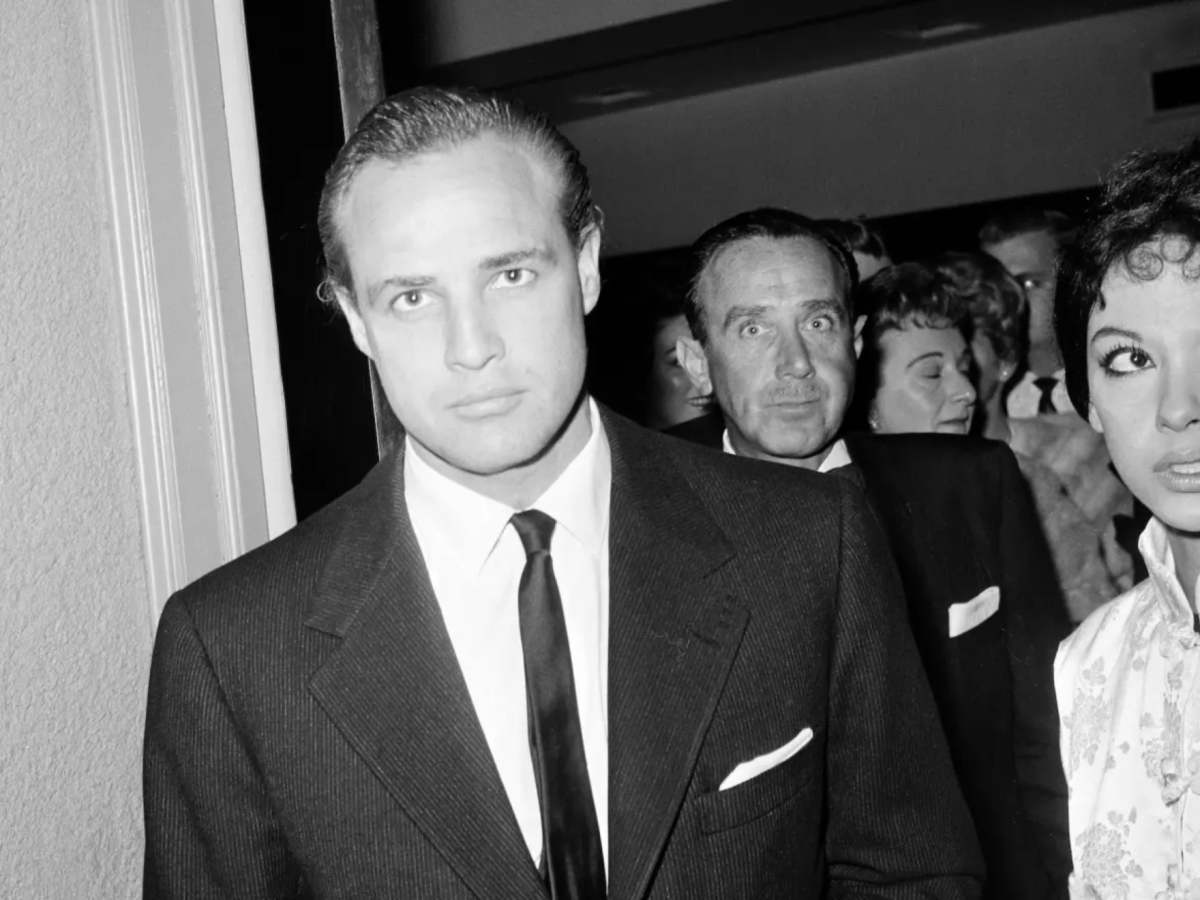
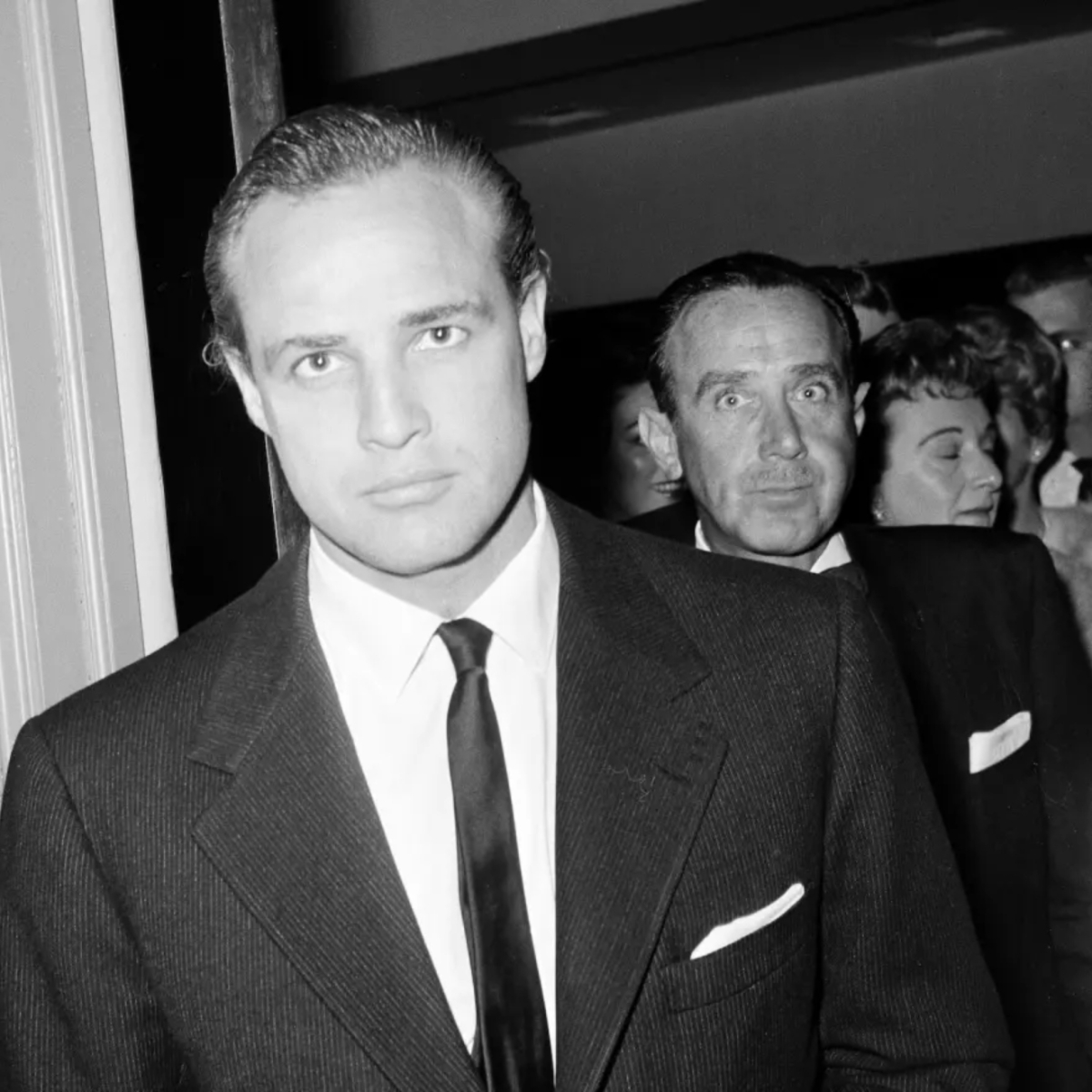
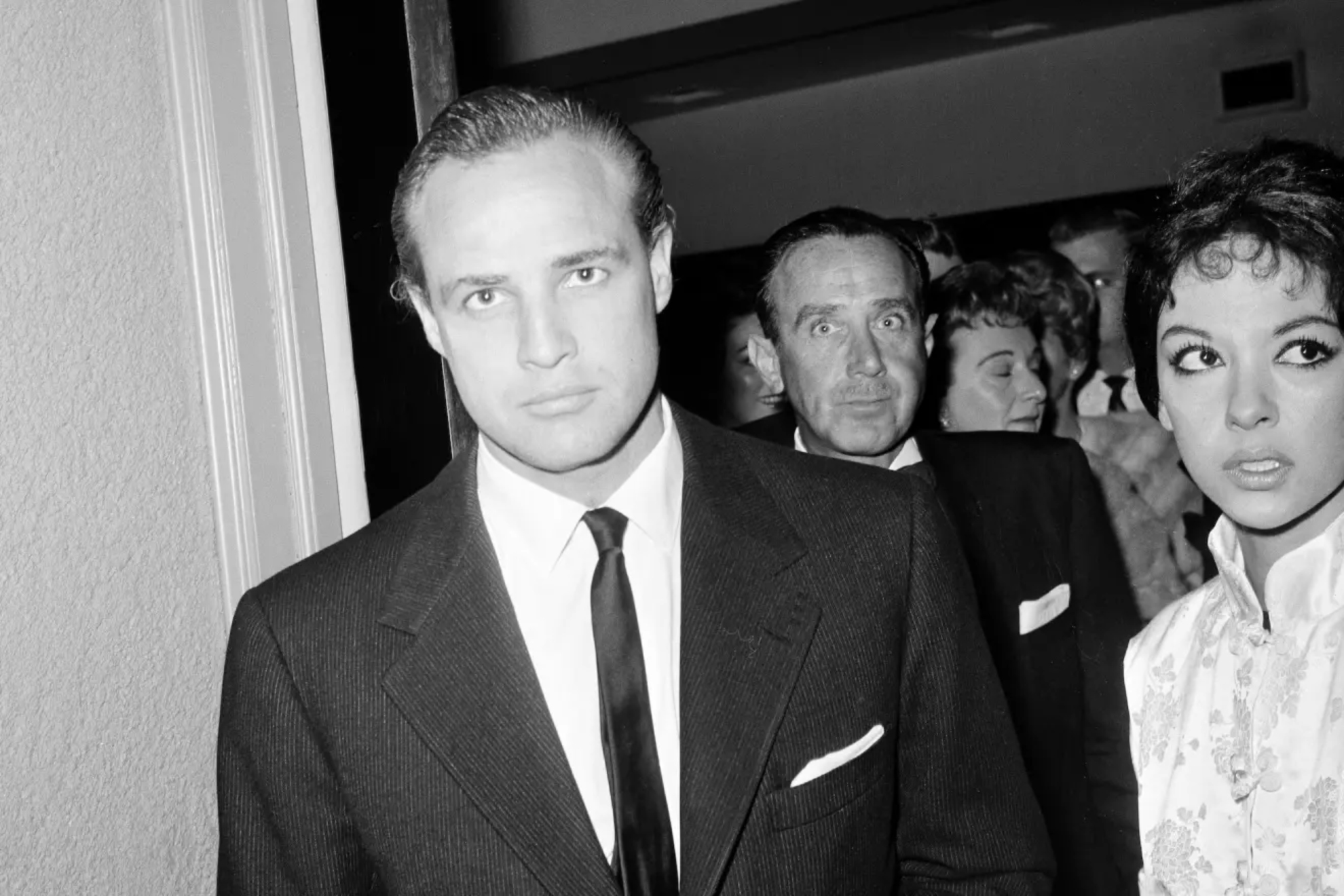
Marlon Brando, actor: "Every time you act, you leave a little piece of yourself behind"
Marlon Brando’s Method Acting reveals that embracing authenticity can help us navigate the modern struggle of self-expression
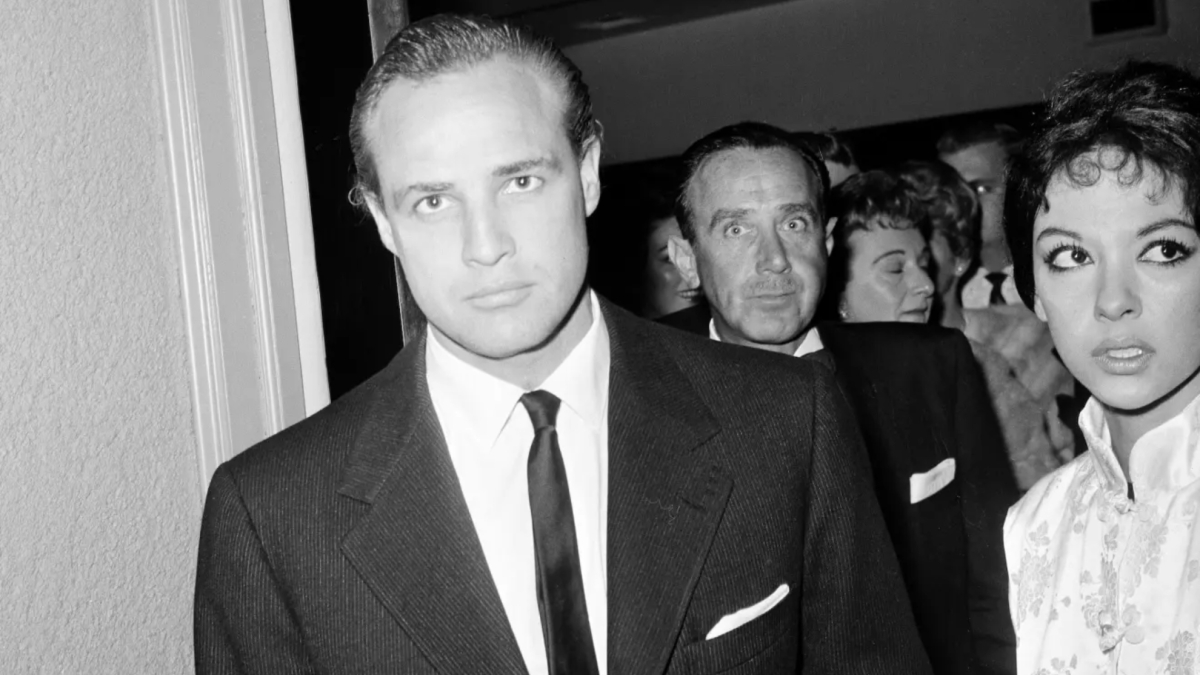
M arlon Brando 's profound impact on acting is encapsulated in his statement, "Every time you act, you leave a little piece of yourself behind." This notion resonates amidst today's hyperconnected society where the pressure to present a curated self can overshadow authentic self-expression. The relentless pace of social comparison fuels the fear of making mistakes, leading individuals to lose touch with their personal journeys, making Brando's insights on self-discovery particularly relevant today.
Additionally, the struggle for authenticity has intensified in an age of constant connectivity. The importance of embracing imperfection and cultivating self-worth in the face of others' opinions underscores Brando's legacy. As society grapples with these challenges, the need for genuine self-acceptance and the courage to take risks becomes paramount, echoing Brando's influential ideology.
Every time you act, you leave a little piece of yourself behind.
To understand the feeling of lack of direction in our lives, the thoughts of Marlon Brando provide an especially interesting perspective. His emphasis on self-discovery and the personal journey reveals that the process of connecting authentically with oneself can pave the way for greater clarity and purpose. By using his Method Acting approach, which encourages deep emotional exploration, Brando teaches us that understanding our own complexities is essential in navigating the challenges of contemporary life.
Marlon Brando: The Essence of Personal Transformation in Acting
Marlon Brando Jr. was an American actor and director whose influence on film and theater is undeniable. Born on April 3, 1924, in Omaha, Nebraska, Brando emerged as one of the most celebrated actors in cinematic history. Known for his powerful performances in classics like "A Streetcar Named Desire," "On the Waterfront," and "The Godfather," Brando received two Academy Awards for Best Actor. His legacy is marked not only by his groundbreaking acting techniques, such as Method Acting, taught by Stella Adler, but also by his social activism and commitment to Native American rights, defining his multifaceted persona both on and off the screen.
Brando's innovative approach to acting, which emphasized realism and emotional honesty, resonated with the changing cultural landscape of his time. Influenced by Stanislavski's methods and the teachings of Adler, Brando's performances often reflected profound emotional depth that inspired a generation of actors such as James Dean and Al Pacino. His unique ability to connect with characters allows viewers to empathize with their struggles, setting a new standard in film. Brando's activism also reflects his broader worldview, using his platform to advocate for marginalized communities, showcasing how art can intersect with social justice, much like the work of contemporaries such as Tennessee Williams.
One of Brando's most poignant reflections is encapsulated in his quote: "Every time you act, you leave a little piece of yourself behind." This statement highlights the depth of emotional investment he believed was essential in creating authentic performances. By embracing vulnerability and personal experience in every role, Brando not only transformed the landscape of acting but also highlighted the intrinsic connection between an actor's identity and their art. Through this lens, acting becomes a profound act of self-discovery and expression, encompassing the struggles and truths inherent to human existence.
In today's fast-paced world, individuals often grapple with expressing their authentic selves, be it in personal relationships or professional settings. Brando's statement serves as a reminder that stepping into our roles—whether in the workplace, at home, or in social environments—requires us to invest emotionally, which can be daunting. As people seek to forge genuine connections with others, his wisdom encourages embracing vulnerability and authenticity, emphasizing that sharing our true selves not only enriches our experiences but allows us to connect meaningfully within our contemporary context.