Musk predicts that humanoid robots will outnumber all humans within 10 years
Tesla and SpaceX founder argues that each machine could achieve productivity equivalent to about five people. The forecast requires an industrial leap far beyond the sector's current capabilities.
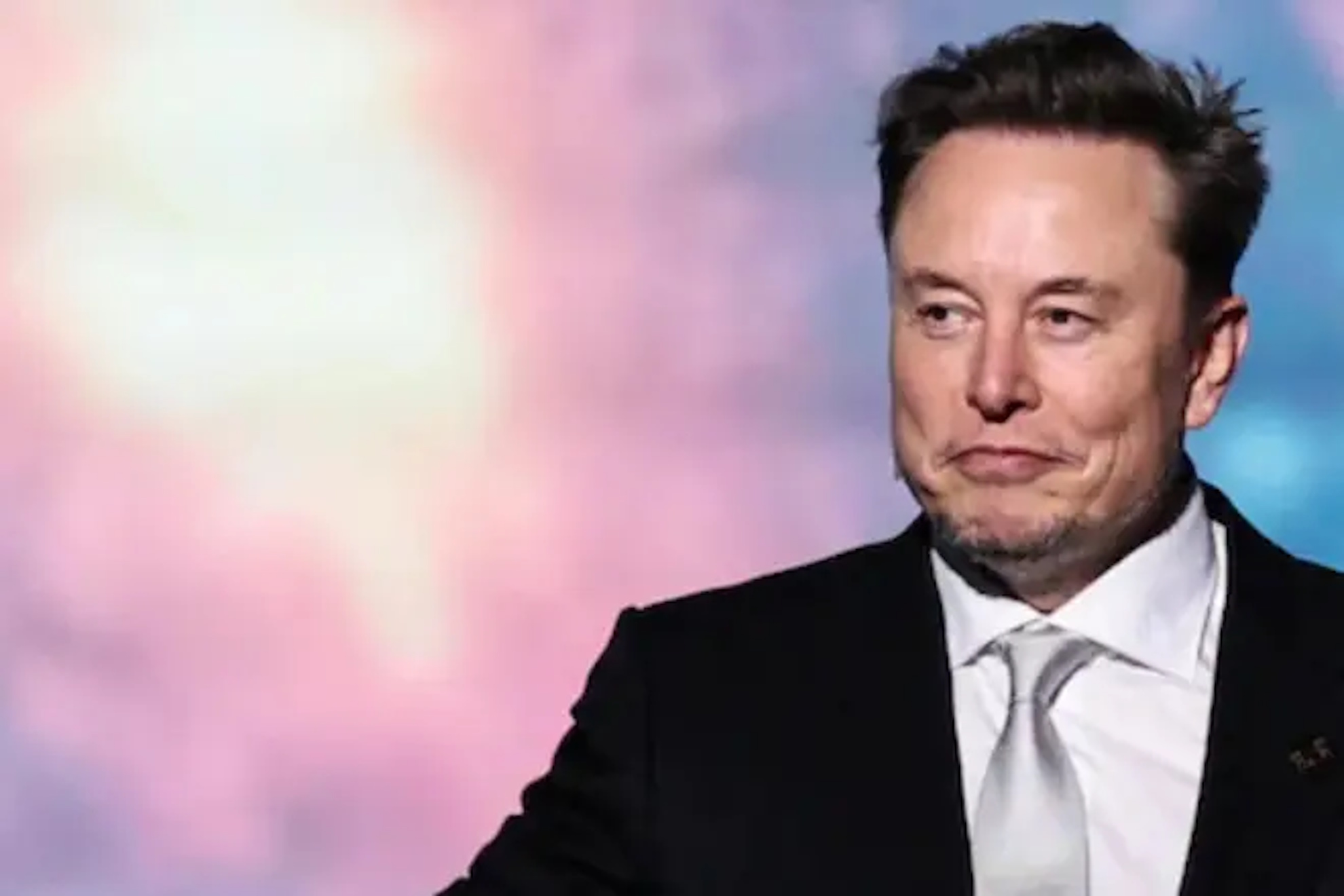
E lon Musk e stimates that within ten years there will be more than 1 billion humanoid robots and that each one will be able to achieve productivity equivalent to about five people. The businessman presented this forecast during a virtual address linked to the G20 held on September 1, while speaking about the evolution of artificial intelligence and robotics.
Musk explained that the development of a general-purpose robot will depend on three elements : the artificial intelligence software, the chip it incorporates, and its electromechanical capability. Among its physical capabilities, he especially highlighted the dexterity of its hands, which is necessary for these machines to be able to perform tasks designed for human workers.
A forecast based on productivity
The figure of 1 billion does not mean that robots will outnumber the world’s population. Musk’s estimate is related to the work capacity that those machines could provide.
His estimate is based on the idea that each humanoid could achieve productivity equivalent to that of five people. In that scenario, a fleet of 1 billion robots would have a productive capacity equivalent to about 5 billion workers.
Musk also suggests that the robots themselves could take part in the manufacture of new units. The combination of advances in artificial intelligence, chips, and electromechanical systems would, according to his forecast, make it possible to progressively increase production speed.
This is the entrepreneur's projection and not a consensus estimate about the future of robotics. To reach that scale, the industry would have to radically multiply its manufacturing capacity and reduce the costs of humanoids.
From thousands of robots to more than 1 billion
The gap between Musk's forecast and current industrial capacity is considerable. Hyundai Motor Group aims to have the capacity to manufacture 30,000 robots per year by 2028 as part of its robotics strategy. The group plans to initially use the Atlas humanoids, developed by Boston Dynamics, for industrial tasks such as parts sequencing. Starting in 2030, it envisages expanding their applications to assembly work.
Boston Dynamics , for its part, began manufacturing the production version of Atlas in 2026. The company announced deployments during this year at Hyundai and Google DeepMind facilities.
The figures show the scale of the leap Musk is proposing: moving from industrial production of thousands of units per year to more than 1 billion robots in a decade would require extraordinary growth in manufacturing, in addition to advances in autonomy, artificial intelligence, batteries, sensors, and mechanical components.
Investor interest is also reaching robotics
The sector’s expected growth has also sparked interest among investors. The KraneShares Global Humanoid Robotics and Physical AI Index ETF (KOID) was up 14.70% in 2026 and 23.07% over the last 12 months through August 31, according to data published by KraneShares.
Recent performance, however, has been more uneven: the fund posted a decline of 12.87% in the previous three months. Its net expense ratio stands at 0.69%.
The ETF brings together companies linked to the development of humanoid robots and technologies related to so-called physical intelligence, so its performance offers a reference point for the market’s interest in this topic, although it does not by itself represent the behavior of the entire industry.
The scenario proposed by Musk places the big leap in humanoid robotics around 2036. By then, not only would robots' ability to operate in real-world environments have had to change. Their production would also have had to multiply and their cost be significantly reduced.
The industry has already begun to move in that direction, but current figures are still a long way from the scale proposed by the entrepreneur. Hyundai is targeting an annual capacity of 30,000 units by 2028, while Boston Dynamics is already working with Atlas on its first industrial applications.
Musk's forecast will ultimately depend on whether those technological advances can be turned into mass production in barely a decade.